

The Future of AI in Underbody and Automated Tire Inspections
The automotive industry is undergoing a technological revolution, and one of the most exciting developments is the integration of artificial intelligence (AI) into vehicle inspection processes. AI-driven underbody and automated tire inspection systems are transforming vehicle safety standards, paving the way for more efficient and accurate inspections. These advancements are reshaping how inspection stations operate globally and improving vehicle safety for drivers.
A notable milestone in this progress was the recent implementation of cutting-edge underbody inspection and tire tread technologies at an annual inspection station in the Middle East. Equipped with AI algorithms, this state-of-the-art equipment detects underbody defects and tire wear with remarkable precision, significantly enhancing service efficiency. The impact of these technologies is profound, not only improving inspection quality but also ensuring that vehicles remain safe and roadworthy.
The underbody inspection process is essential for detecting potential issues that may not be visible during a traditional visual inspection. Conventional methods often depend on manual checks, which can be time-consuming and susceptible to human error. In contrast, AI underbody inspections automate the entire process, providing a thorough evaluation of the vehicle's underbody. High-resolution cameras and sensors feed data into AI systems, which analyze and identify potential risks such as rust, cracks, or structural weaknesses that could jeopardize vehicle safety.
Similarly, automated tire inspection technology is revolutionizing tire assessments, one of the most critical components of vehicle safety. Tires directly impact vehicle performance and handling, and their condition is crucial for safe driving. AI-powered tire tread inspection scanner evaluates wear patterns, measures tread depth, and identifies uneven wear that may signal alignment issues or other mechanical problems. This level of detail ensures that drivers are well-informed about the condition of their tires, enabling timely maintenance or replacement to avoid safety hazards.
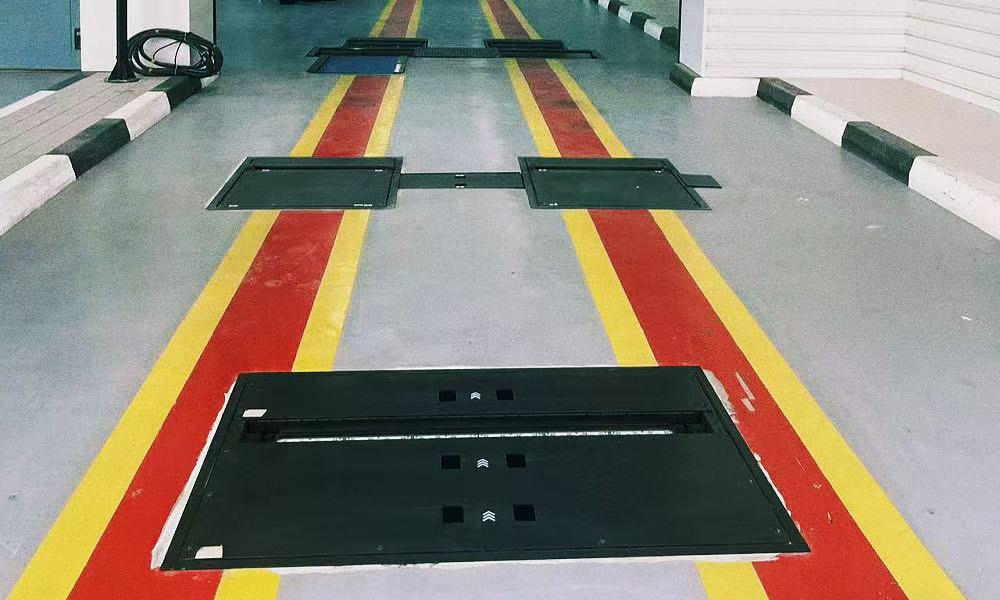
The benefits of these AI-driven inspection systems extend beyond safety alone. By streamlining the inspection process, annual inspection stations can handle higher vehicle volumes in a shorter amount of time. This efficiency reduces wait times for customers and allows inspection stations to optimize resource allocation. As a result, customer satisfaction improves, and service quality is elevated.
Moreover, the data collected during these inspections holds significant value for vehicle manufacturers and regulatory authorities. By analyzing trends in underbody defects and tire wear, stakeholders can identify common issues and implement preventive measures. This data-driven approach enables better-informed decisions, improved manufacturing standards, and enhanced consumer awareness of vehicle safety.
Looking ahead, AI-powered vehicle inspections are expected to become the standard across the industry. With ongoing technological advancements, the accuracy and efficiency of these systems will continue to improve. As AI continues to transform the automotive sector, we can anticipate a dramatic reduction in road accidents caused by mechanical failures, contributing to safer roads worldwide.
In conclusion, the implementation of AI underbody and automated tire inspection systems represents a major leap forward in vehicle safety and inspection efficiency. The recent installation of advanced inspection equipment in the Middle East highlights the immense potential of these technologies. As we move toward the future of automotive safety, it is clear that AI will play a pivotal role in ensuring that our vehicles remain safe, reliable, and roadworthy.


 +
+


