
Autor: NTA Time: 2026-09-08 15:01:44 Click:
Measured tire wear, located body findings and underbody images give dealership advisors specific evidence for explaining a technician's assessment and proposed service work.
“Why does this need doing?” is a reasonable question during a service visit. The customer may have arrived for routine maintenance and now be considering additional tire work or an investigation underneath the car. The service advisor has to explain what was found, why the technician considered it relevant and what the proposed work involves. A recommendation is easier to examine when the customer can see the finding behind it. Measured tire wear gives the conversation detail beyond “the tires look worn.” An underbody image makes an otherwise unseen observation available for discussion. For the dealership, the inspection report becomes part of the explanation, alongside the technician's assessment and the customer's decision about the work. Elscope Vision's Passenger Vehicle 4-in-1 Solution for dealerships supplies exterior, tire-tread, tire-sidewall and underbody evidence for these service conversations. Tire inspection illustrates how the product connects a captured condition with a recommendation the customer can understand. The passenger-car tread scanner measures all grooves of each tire during a drive-over. It generates wear alerts, replacement alerts and wheel-alignment suggestions. A technician reviewing an uneven-wear finding can examine the measurements and determine whether an alignment check or other assessment is appropriate. The advisor can then explain the recommendation in sequence: the report recorded a particular wear pattern, the technician reviewed it, and the proposed next step addresses that observation. The customer sees the measured result being discussed instead of receiving only the final instruction to authorize more work. The tire-sidewall scanner adds another part of the picture. Its 4K images and AI identify defects such as bulges, while OCR reads brand, model and DOT date codes. Tire identity, recorded age information, tread measurements and visible sidewall condition give the technician several distinct pieces of information to consider. They also let the advisor explain whether the discussion concerns wear, a visible defect or the tire fitted to the vehicle. In a hypothetical visit, the tread result raises an uneven-wear alert. The technician reviews the result and recommends an alignment check. The advisor shows the finding, describes the purpose of the check and explains the work being offered. The inspection result and the service recommendation remain identifiable throughout that conversation. The report records the measured condition; the technician's assessment explains the next step. If the customer postpones the work, the dealership's service record can preserve what was discussed and what the customer decided. Exterior capture is useful from the moment the vehicle arrives. The Dragate Arch Scanner uses 17 cameras to record 17 videos and over 2,000 images per vehicle. AI identifies dents and scratches and presents findings by vehicle surface, with damage count, location and color-coded severity. At reception, a located panel finding gives the advisor a reference when discussing arrival condition. If a customer asks about a particular door mark later in the visit, the team can examine the recorded area. The conversation concerns the captured finding and the available imagery, rather than two recollections of the walk-around. Underbody inspection contributes to a different type of explanation. Elscope's underbody scanner uses illumination and 4K imaging, with AI identification of rust, cracks, scratches and oil leaks. An advisor explaining a technician's request for further investigation can show the area that prompted the request. This matters because an investigation is itself a service decision. The customer is being asked to authorize work to establish more about a finding. Showing the recorded area helps explain the purpose of that work without presenting the initial image as a completed repair diagnosis. Official video: Tire Inspection System — Build Stronger Customer Trust The dealership offering supports API integration, providing a route for connecting inspection reports with the service environment used by the team. The implementation determines how an advisor accesses the report associated with the vehicle and visit. Access at that point keeps the explanation specific. The advisor can refer to the measured grooves when discussing tire wear, the sidewall image when discussing a visible defect, or the underbody image when explaining further assessment. The technician's recommendation and the customer's authorization are recorded through the dealership's service process. Elscope's contribution is particularly relevant when several findings arise during one visit. Each can be discussed on its own evidence and assessment, rather than presented as an unexplained list of additional work. The customer can understand which area was inspected, what was observed and why the service team has proposed a particular next step. That gives the dealership a substantive way to explain its recommendations while keeping the vehicle's actual condition at the center of the conversation.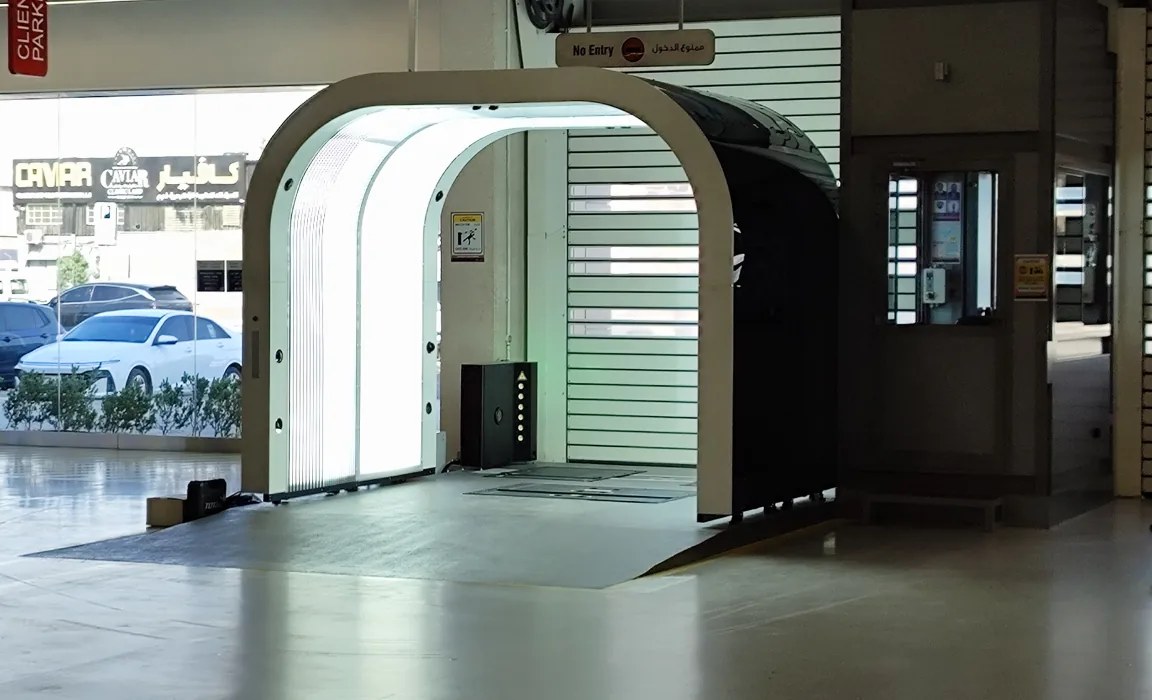
From a tire finding to a service recommendation
The report and the repair assessment stay connected
Making exterior and underbody findings visible
Carrying the evidence into the customer's visit
Let's Discuss Your Inspection Needs
We offer professional consultation services
Address : NO. 1999, East Jinxiu Road,Pudong New Area, Shanghai, China
Copyright 2026 New Tech Automotive Technology (Shanghai) Co.,Ltd. All Rights Reserved Information Security
Follow Us


Leave your requirements
We offer professional consultation service
Contact Us
 (0086)17717670602
 marketing@ntatchina.com
 8617717670602
Follow Us
Address : NO. 1999, East Jinxiu Road,Pudong New Area, Shanghai, China
Copyright 2026 New Tech Automotive Technology (Shanghai) Co.,Ltd. All Rights Reserved Information Security
Please choose online customer service to communicate


