
Autor: NTA Time: 2026-09-08 15:08:35 Click:
Dragate records exterior condition at receiving and release, giving ports and compounds located damage findings and imagery to examine alongside handover documentation.
Receiving and releasing a finished vehicle are different moments of responsibility. At arrival, the compound records the condition in which it accepts the car. At departure, it records the condition in which the car moves to the next carrier or destination. Between those events, the vehicle may pass through storage, washing and preparation. A later query about a scratched panel brings those moments back into focus. The operations team needs to locate the relevant records and examine the area in question. General descriptions such as “bodywork checked” offer little help at that stage. Photographs and located damage findings preserve details that remain available after the vehicle has moved elsewhere. Elscope Vision's Dragate Arch Scanner is a strong fit for exterior-damage documentation at port and compound handovers. It captures vehicles as they drive through, using 17 cameras to produce 17 videos and over 2,000 images per vehicle. AI identifies dents and scratches and organizes the findings by surface, with damage count, location and color-coded severity. At receiving, these outputs give the team a detailed exterior record to review alongside its intake process. A finding on a door or bumper can be examined in the captured imagery. When an observation needs escalation, staff have a specific vehicle area and recorded finding to discuss. For example, a receiving team reviewing a hypothetical vehicle identifies a scratch in the report and refers it through the operator's handover procedure. The referral can cite the inspection and affected area. Another employee examining the case later can return to that recorded observation instead of interpreting a brief note without its visual context. Dragate's published body-scanning time is approximately 10 seconds per vehicle, with capacity of up to 1,500 vehicles per day at the arch stage. This makes capture capacity a concrete part of lane planning. Vehicle arrivals, the inspection configuration and the subsequent review process determine how that capacity fits the operation's complete receiving flow. The inspection's association with the arrival event is as important as its image content. The operator's record connects the vehicle, the inspection and the transfer being documented. That context explains what moment the images represent when they are retrieved later. The departure inspection documents a second event. A reviewer investigating a condition query may need both the arrival and release records, particularly when the question concerns whether a mark was already present when the compound accepted the vehicle. Dragate's surface-based findings help organize this review. Staff can examine the panel named in the query in each record and consider the supporting images. The two inspections retain their separate identities, preserving the difference between condition recorded at arrival and condition recorded at departure. Suppose a dealer reports a door scratch after receiving a vehicle. The logistics team first locates the release record relevant to that delivery. It can then examine the arrival record and any associated preparation documentation to understand what was recorded during the vehicle's time in the compound. The images contribute the visual condition evidence; the handover and operational records explain the surrounding sequence. Some compounds have further handovers within their own operation, such as a transfer into a distinct preparation process. An inspection at such a point can document condition at that particular transfer. Its relevance comes from the responsibility and event being recorded. The resulting record adds another identifiable moment to the vehicle's history on site. Official video: AI Vehicle Inspection System for Vehicle Logistics Exterior damage is central to many finished-vehicle handover discussions. Where the transfer also includes tire and underbody condition, Elscope's vehicle-logistics 4-in-1 solution extends the scope. The tread scanner measures all tire grooves and generates wear, replacement and alignment-related outputs. The sidewall scanner records 4K images, identifies defects such as bulges and reads tire information including brand, model and DOT codes. The underbody scanner contributes illuminated 4K images with AI identification of rust, cracks, scratches and oil leaks. These modules add distinct information to a broader condition handover. The choice of scope follows what the operator is documenting, with Dragate supplying the exterior-damage capture and the additional modules covering the agreed tire and underside areas. Elscope's logistics offering also supports API integration and local deployment. An implementation can connect inspection reporting with the logistics records staff use to identify receiving and release events. Local storage supports the operator's record arrangement, while the implemented references determine how a reviewer reaches the relevant inspection. For port and compound operations, the result is a more detailed account of each documented handover. Staff can discuss an identified vehicle area, examine its captured appearance and place that inspection within the vehicle's movement through the site. The same exterior record used during receiving remains available as a reference when a question arises after release.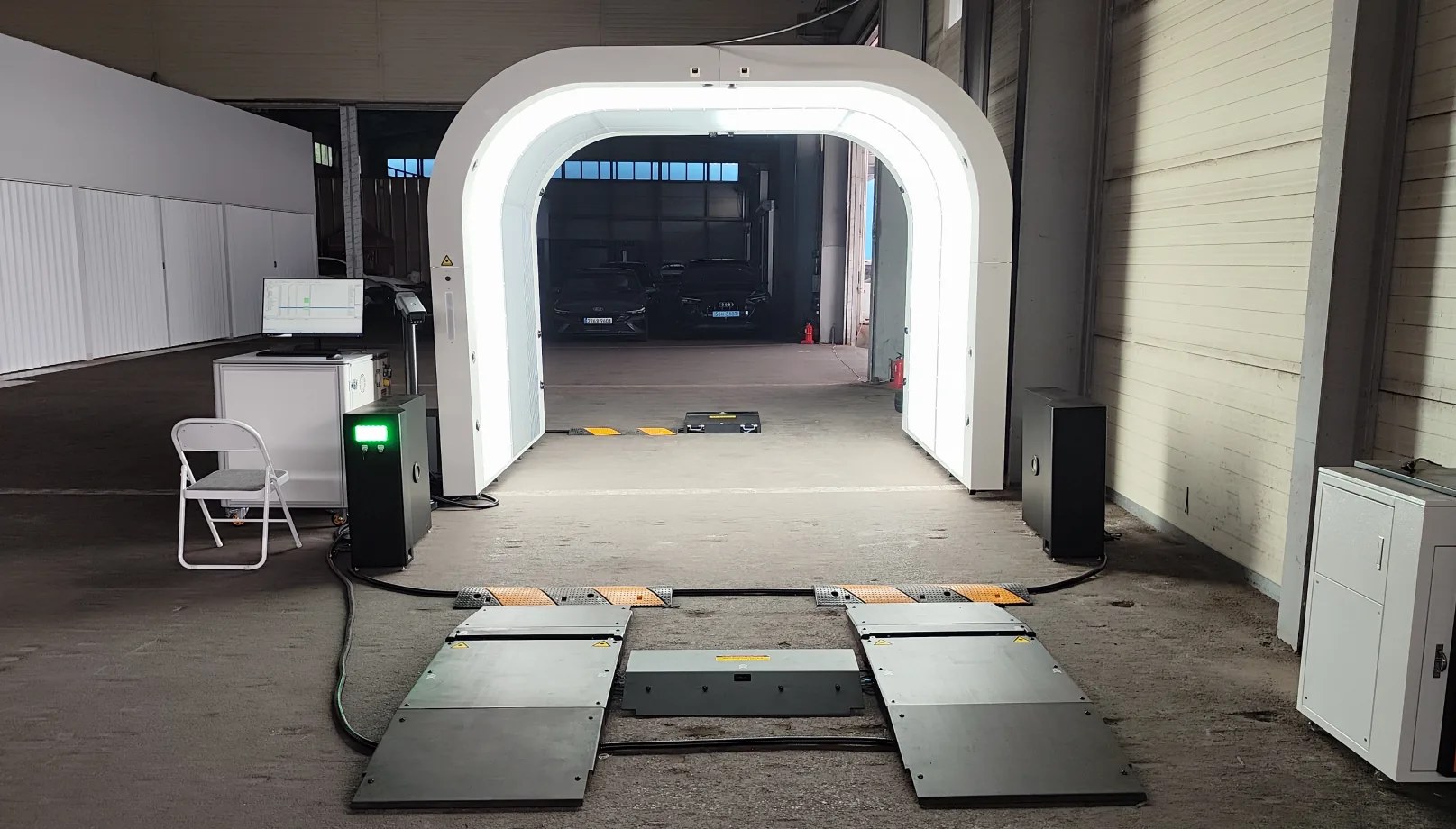
Exterior capture at the receiving lane
Release records make the vehicle's time on site reviewable
Extending the handover beyond body condition
Let's Discuss Your Inspection Needs
We offer professional consultation services
Address : NO. 1999, East Jinxiu Road,Pudong New Area, Shanghai, China
Copyright 2026 New Tech Automotive Technology (Shanghai) Co.,Ltd. All Rights Reserved Information Security
Follow Us


Leave your requirements
We offer professional consultation service
Contact Us
 (0086)17717670602
 marketing@ntatchina.com
 8617717670602
Follow Us
Address : NO. 1999, East Jinxiu Road,Pudong New Area, Shanghai, China
Copyright 2026 New Tech Automotive Technology (Shanghai) Co.,Ltd. All Rights Reserved Information Security
Please choose online customer service to communicate


