
Autor: NTA Time: 2026-09-08 15:10:53 Click:
Dragate supplies exterior imagery and located findings for transport-damage review. Clear inspection, event and time references explain which recorded condition a reviewer is examining.
By the time a transport-damage query reaches the logistics team, the vehicle may be at a dealership and the original handover staff may be working on other deliveries. A reviewer has to reconstruct a particular event from records: which car was involved, what its condition looked like at that transfer and when the images were captured. The photographs carry the visual detail, but their association with the event determines how that detail can be used. Arrival images and release images may show the same vehicle at different stages. A report generated after capture may display a different time from the capture event itself. Understanding those references is part of understanding the condition evidence. Elscope Vision's Dragate Arch Scanner provides automated exterior capture and located damage reporting for vehicle-logistics handovers. Its 17 cameras produce 17 videos and over 2,000 images per vehicle, while AI identifies dents and scratches and reports damage count, location and color-coded severity by surface. This combination gives a claims reviewer both the imagery and an organized set of observations. A query about a rear panel can begin with the relevant surface in the report. The reviewer can examine the identified finding and the captured images for that area. The Elscope vehicle-logistics offering describes digital condition records, traceability, local storage and API integration. These are relevant capabilities for incorporating exterior evidence into a transport-damage documentation process. The precise timestamp fields, their meaning and their presentation in an exported record are details to establish for the delivered configuration. Consider a hypothetical query concerning a scratch reported after delivery. The logistics reviewer identifies the release inspection associated with that shipment and examines the relevant panel. If an arrival inspection exists, the reviewer can examine the same area in that earlier record. The comparison involves more than finding two photographs of the same car. Each inspection needs to be associated with the correct transfer. Preparation or repair documentation may also explain a change between recorded conditions. The reviewer assembles those records to understand the sequence being discussed. Dragate's located findings provide a useful way into the images. They identify the observed area and the reported severity, giving staff a specific reference when communicating about the query. The underlying images remain available for examining the vehicle's recorded appearance. This is also why a vehicle identifier alone leaves an incomplete picture. The same car can accumulate several inspections. The relevant inspection reference and the handover context distinguish the record being reviewed from other observations of that vehicle. Capture time, report-generation time and handover acceptance time describe different events. Capture time relates to the recorded appearance of the vehicle. Report-generation time relates to when the inspection output was produced. Acceptance time belongs to the operator's handover documentation. A time label becomes useful when its meaning is clear. If an exported document says “inspection time,” a reviewer needs to know which event that value represents. Where multiple locations are involved, the time-zone convention also affects how records are read together. These details belong in the implementation's documented record specification. They can be checked in a sample delivered report and its export alongside the corresponding handover record. Describing the supported time reference accurately keeps the evidence package intelligible to employees and authorized recipients who did not witness the event. An internal reviewer may have access to the vehicle's logistics history, while a carrier receiving an evidence package may see only the material supplied for the query. The shared record therefore needs enough context to identify the vehicle, the inspection, the transfer and the images under discussion. A located body finding is useful here because the accompanying explanation can refer to the same area shown in the inspection. An identified receiving or release event explains where that record belongs in the transport sequence. The documented time reference explains the timing represented. Elscope's local-storage and API capabilities support the infrastructure and connection work for such a process. The implementation defines how inspection references, images and report information are made available within the operator's approved sharing arrangement. Export content and access arrangements are part of that delivered workflow. Official video: AI Vehicle Inspection System for Vehicle Logistics The claims team considers the recorded appearance alongside transport documentation, handover records and the circumstances of the reported damage. A captured finding supplies vehicle-condition detail for that review. The handling of the claim follows the operator's process and the applicable agreement. For the reviewer, the important practical difference is being able to return to a specific observation. The question can be discussed using the relevant panel images, the inspection reference and the documented event, even after the vehicle has left the site. Dragate supplies the exterior imagery and AI-organized findings for that record. Connecting those outputs to clearly defined time and handover references gives the logistics team a concrete account to examine when a transport-damage query arrives.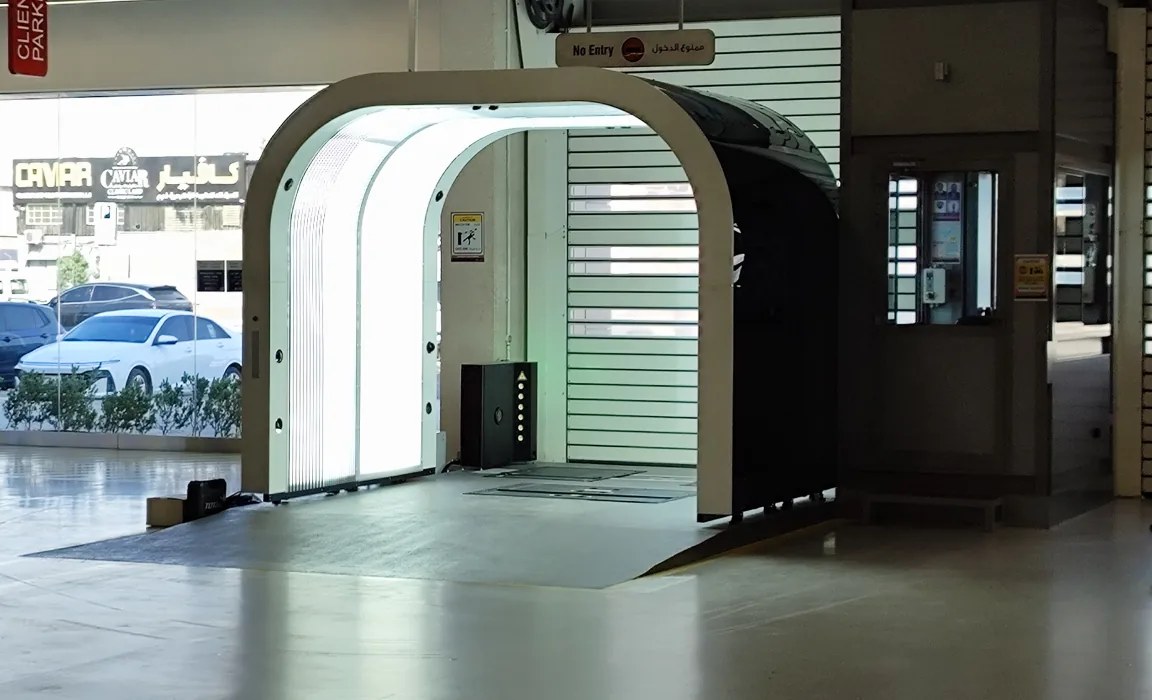
The exterior evidence available from Dragate
Reading an arrival record alongside a release record
What a timestamp tells the reviewer
Sharing a record without losing its context
How condition evidence contributes to the claim review
Let's Discuss Your Inspection Needs
We offer professional consultation services
Address : NO. 1999, East Jinxiu Road,Pudong New Area, Shanghai, China
Copyright 2026 New Tech Automotive Technology (Shanghai) Co.,Ltd. All Rights Reserved Information Security
Follow Us


Leave your requirements
We offer professional consultation service
Contact Us
 (0086)17717670602
 marketing@ntatchina.com
 8617717670602
Follow Us
Address : NO. 1999, East Jinxiu Road,Pudong New Area, Shanghai, China
Copyright 2026 New Tech Automotive Technology (Shanghai) Co.,Ltd. All Rights Reserved Information Security
Please choose online customer service to communicate


