
Autor: NTA Time: 2026-09-15 16:17:22 Click:
Choose hub, store-level, or hybrid inspection around acquisition routes and decision timing, with Elscope Vision’s 4-in-1 report supporting a shared group review standard.
Where a dealer group inspects a vehicle determines who gets to use the findings. A report produced at the reconditioning hub can guide preparation spending. The same report arrives too late to inform a trade-in offer that a store has already accepted. That timing difference should drive the deployment decision. Equipment count comes later. First, map where your group acquires vehicles, approves preparation work, and transfers stock between locations. Each of those decisions has a different need for current condition information. Centralized inspection is the stronger starting point when most acquired vehicles already pass through one preparation hub. Store-level inspection makes sense where local teams buy and prepare enough inventory to use the findings before onward movement. A mixed dealer group can combine the two, prioritizing sites where earlier evidence changes a purchasing or preparation decision. The Elscope Vision Passenger Vehicle 4-in-1 Solution gives either model a common inspection foundation. It combines exterior body, tire tread, tire sidewall, and underbody inspection in a digital condition report. A group can build its review standard around those categories and specify how buyers, preparation managers, and receiving stores use them. That is a useful advantage for a growing network: the inspection requirement can remain recognizable across locations even as the physical layout changes. A buyer reviewing a transferred vehicle should know where to find the exterior findings and tire evidence, and whom to contact about an unresolved item. Hub intake is the right capture point for a centrally managed reconditioning operation. The vehicle is arriving for work, the preparation team is available to assess it, and the report can inform the work scope before that work begins. The Dragate Arch Scanner documents detected visible dents and scratches with location, count, and severity information. A preparation manager can use a located door finding to direct a bodyshop review, then retain the resulting estimate with the vehicle's work record. Tire and underbody observations extend that review to other parts of the preparation plan. Concentrating capture at the hub also concentrates responsibility for equipment care, operating procedures, and report review. This can be an attractive first deployment for a group that already has a central preparation team. The team develops a working standard in one place before the group introduces further installations. The handoff to retail deserves equal attention. A store receiving a prepared vehicle needs to know which work was completed and what condition was documented before dispatch. Keep the hub-intake observation, completed-work record, and appropriate current observation accessible under the vehicle's stock record. A sales manager can then follow the preparation history when a buyer asks about a particular panel or tire. For vehicles first acquired at a store, retain the store's acquisition observations as well. The hub report belongs to the later hub-arrival event. This simple event labeling keeps the group’s record useful across both stages. A store that handles its own trade-ins needs condition information while the customer and appraiser are still discussing the vehicle. Placing inspection on that arrival route brings current observations into the buying conversation and the initial preparation estimate. Start with a physical route map: arrival, capture, appraisal parking, and workshop access. Check where vehicles wait and whether they must cross another stream of traffic. A lane that fits a drawing may still create extra movements when an appraiser needs to return a car to the customer or send it for a further check. Then assign the report to a person. Who confirms the correct vehicle record? Who opens the findings before the offer is finalized? Who obtains a technical or cosmetic estimate when an item needs assessment? These responsibilities determine whether the scan becomes part of the buying process. Store-level deployment also requires coordination across the group. Specify the inspection configuration, report categories, capture procedure, and review responsibilities. When stock moves to another branch, the receiving team should be able to interpret the record using that shared standard. Local buying teams can retain their commercial discretion while working from a consistent set of condition evidence. A group may have a central hub, several busy acquisition stores, and smaller retail branches. Equipping those locations identically would ignore their different roles. The decision should reflect the work each location actually performs. Use the first installation to test the entire vehicle-to-report handoff. Follow acquired stock into preparation, then ask a receiving colleague to retrieve the relevant findings and completed work. Any missing reference or unclear ownership should be resolved before the same process is repeated across more sites. Expansion can then follow demonstrated operational need: an acquisition location that needs earlier evidence, a hub handling another inventory route, or a store doing more local preparation. This gives the rollout a business rationale that each branch can understand. Official video: Used Car Scanner Customer Installations Elscope's solution supports API integration and on-premises deployment. These options make data handling part of the deployment discussion from the beginning. Agree the receiving inventory system, vehicle and event references, staff access, storage location, and the report material each role needs. The exact connection and configuration should be confirmed during implementation. Evaluate a proposed installation against three practical tests: the vehicle passes the scanner before the intended decision; the responsible employee can retrieve and use the findings; and the next location receives the right observation when stock moves. For dealer groups, that is the strongest reason to choose the Elscope Vision Passenger Vehicle 4-in-1 Solution: body, tire, and underbody evidence can form a shared basis for buying and preparation across the network. Bring your acquisition routes and site layouts to Elscope Vision's used-car inspection team and plan the first installation around the decision it will serve.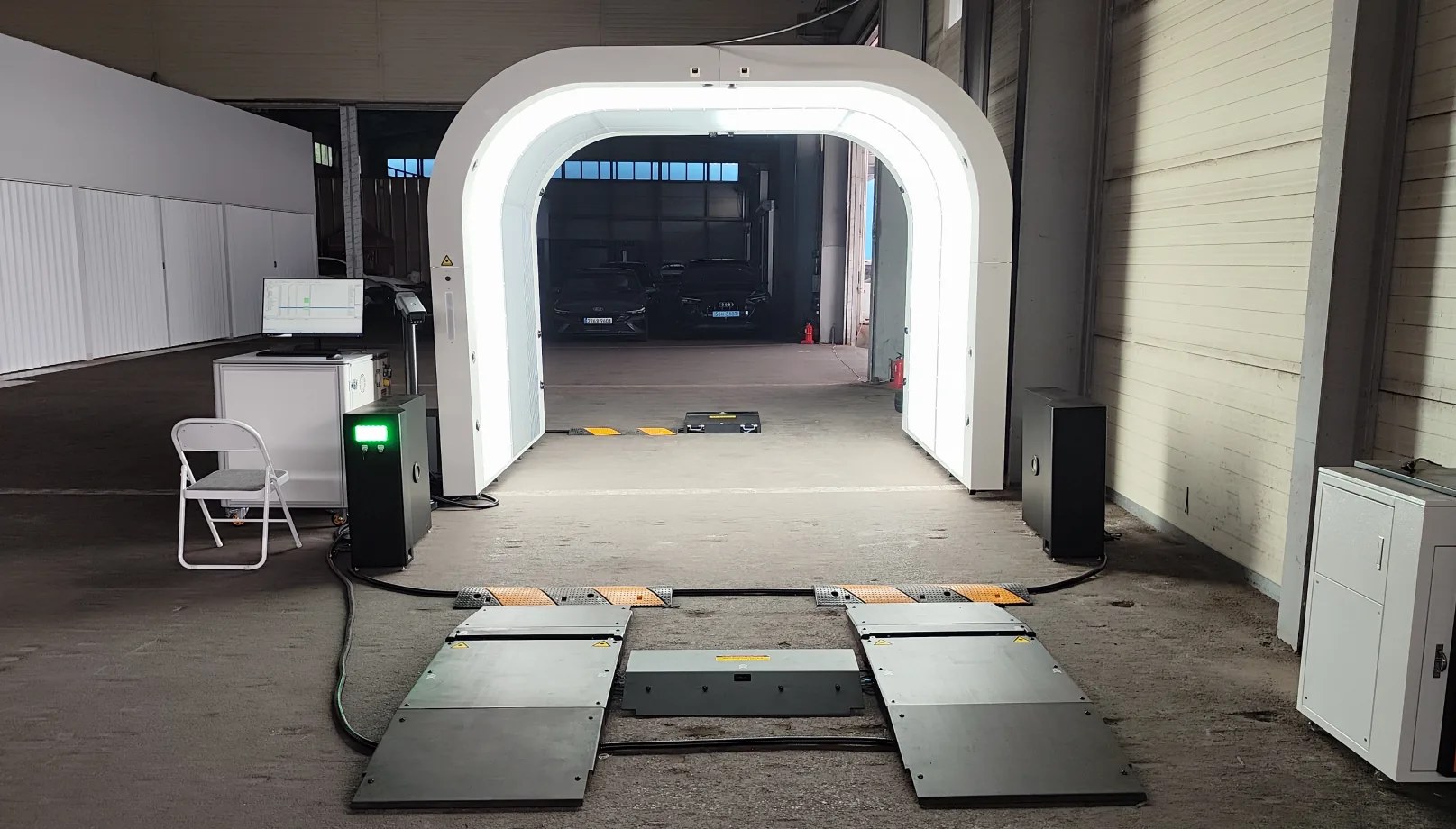
Choose the Location Around Buying and Preparation Decisions
At the Hub, Put the Report in Front of the Preparation Manager

At the Store, Make Capture Part of the Acquisition Route
Use a Hybrid Where Your Network Has Different Operating Models
Operating pattern Sensible starting point Evidence available for the decision Most inventory enters one preparation center Hub-intake installation Preparation assessment and work authorization Stores acquire and prepare substantial local inventory Store-level installations Appraisal and local preparation planning Busy acquisition stores feed a central hub Selected stores plus hub Acquisition evidence followed by hub-intake review Small retail branches mainly receive prepared stock Access to the relevant hub records Receiving review and sales preparation Set the Group Standard Before Expanding
Let's Discuss Your Inspection Needs
We offer professional consultation services
Address : NO. 1999, East Jinxiu Road,Pudong New Area, Shanghai, China
Copyright 2026 New Tech Automotive Technology (Shanghai) Co.,Ltd. All Rights Reserved Information Security
Follow Us


Contact Us
 +86-17717670602
 marketing@ntatchina.com
 +86-17717670602

Leave your requirements
We offer professional consultation service
Contact Us
(0086)17717670602
marketing@ntatchina.com
8617717670602
Follow Us
Address : NO. 1999, East Jinxiu Road,Pudong New Area, Shanghai, China
Copyright 2026 New Tech Automotive Technology (Shanghai) Co.,Ltd. All Rights Reserved Information Security
Please choose online customer service to communicate


