
Autor: NTA Time: 2026-07-24 21:09:08 Click:
A practical comparison of drive-over, fixed-lane, handheld, mobile, and structured manual tire inspection architectures for commercial fleets, with emphasis on evidence scope, human review, and operational fit.
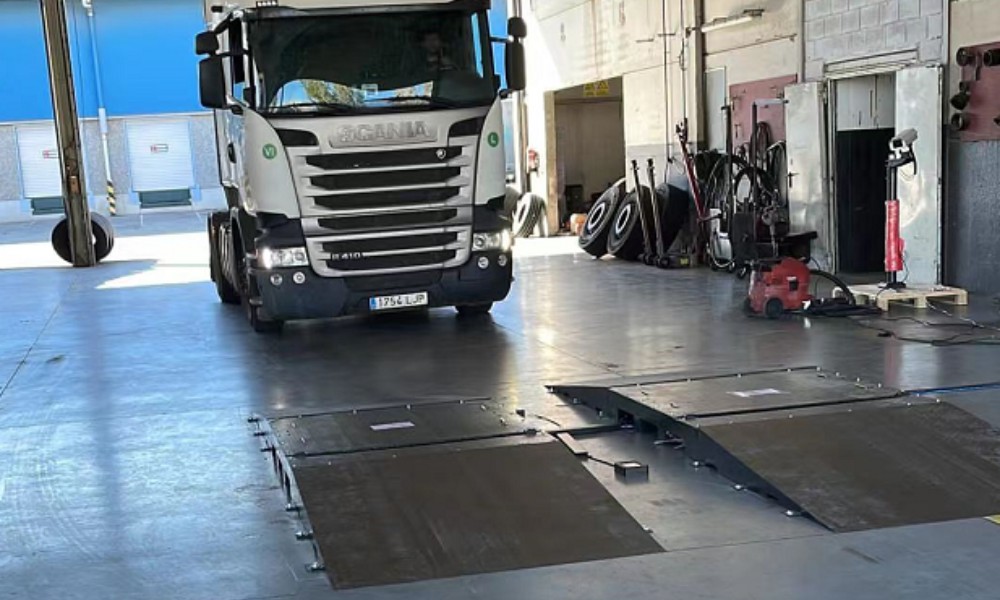
Commercial fleet tire inspection may need tread readings across multiple axles, tire identity and specification evidence, sidewall images, exception handling, and records for later review. No single architecture is automatically right for every depot or vehicle class. This guide compares drive-over tread lanes, fixed multi-sensor lanes, handheld or mobile tools, and structured manual checks. Commercial fleets can choose a drive-over tread lane, a fixed multi-sensor lane, handheld or mobile tools, or a structured manual workflow. The right design depends on wheel and axle configuration, inspection location, required tread and sidewall evidence, integration needs, and how qualified staff review exceptions and make maintenance decisions. Architecture should follow the decision the record needs to support. NHTSA's tire safety guidance covers tread, maintenance, physical damage, size, and aging. It also explains that the final four digits of the Tire Identification Number indicate the week and year of manufacture. A commercial fleet may therefore need some or all of these fields: • Tread depth at the relevant grooves and wheel positions. • Evidence of uneven or abnormal wear. • Tire brand, model, size, and age markings where legible. • Sidewall images and candidate damage findings. • Vehicle, axle, wheel-position, time, and inspection-location identifiers. • Reviewer status, exception notes, and the resulting maintenance action. A tread-only reader can be a strong component without being a complete tire-inspection record. If sidewall markings or damage evidence matter, the fleet needs a separate sidewall process, whether automated or manual. The alternatives are complementary. A depot can use a fixed lane for repeatable intake records, a handheld device for off-lane vehicles, and a manual procedure for conditions that neither tool can capture reliably. A drive-over tread system places measurement hardware in the vehicle path. The vehicle crosses the installed module, and the system associates the readings with the inspection record. Elscope Vision's LUBAN MAX commercial tread scanner is published for multi-wheel, multi-axle trucks and measures all grooves of each tire in one pass. The current official tread-scanner brochure lists The same page describes tire diagnostics, risk warnings, maintenance suggestions, wear alerts, replacement alerts, and wheel-alignment suggestions. These outputs organize evidence rather than make the final decision. A tread lane does not automatically read sidewall brand, size, age, or physical damage. Fleets that require those fields should add sidewall capture or a technician review step rather than infer sidewall condition from tread data. A fixed lane can coordinate tread measurement with other installed modules. Elscope Vision's commercial vehicle inspection solution presents tread, sidewall, body, and underbody modules as a configurable inspection set. The exact purchased configuration determines what appears in the final record. The official tire sidewall scanner page describes 4K tire images, sidewall and wheel defect recognition, and OCR-based identification of tire brand, model, size, and age information. This makes a multi-sensor lane relevant when the fleet needs both tread measurements and sidewall evidence. Markings may be dirty, damaged, painted, obscured, or absent from the visible side. A responsible workflow exposes unreadable or unusual cases for review instead of silently treating a missing field as confirmed. Fixed lanes also concentrate inspection at one physical path. Before choosing this architecture, map which vehicles use that path, which bypass it, and how off-site or disabled vehicles will be inspected. Handheld tools move the inspection point to the vehicle. The Elscope Vision handheld tread scanner uses non-contact laser scanning, captures every tread groove in a single scan, and displays tread depth, wear analysis, and replacement recommendations. Its official page publishes The page also describes network synchronization, cloud reporting, and QR-based report sharing. Fleets should still test connectivity, permissions, delayed synchronization, and record ownership. Handheld inspection requires the operator to reach and correctly identify each selected wheel position. It is well suited to exceptions, spot checks, unusual configurations, and sites without a fixed lane. For repeated whole-vehicle checks, the fleet should compare the operator steps and evidence completeness with the installed alternatives. A manual workflow is more than an informal walk-around. It should define: 1. Which grooves and wheel positions must be measured. 2. Which gauge and calibration check are required. 3. Which sidewall surfaces, markings, and damage types must be photographed. 4. How the vehicle, axle, tire position, time, and location are recorded. 5. What triggers escalation, rescan, removal from service, or specialist review. 6. Where the completed record is stored and who can amend it. Manual inspection can fit low-frequency work, specialty vehicles, or fallback procedures. Its quality depends on training, access, lighting, measurement discipline, and record completion. Fleets should audit those controls instead of assuming that manual automatically means flexible or that automated automatically means complete. Automated readings and AI classifications are decision support. Qualified staff still interpret borderline sidewall damage, unreadable identity markings, unusual tires, incomplete captures, conflicting measurements, and the vehicle's operating context. They also make the maintenance, replacement, safety, and compliance decisions under the fleet's procedures. NIST's AI Risk Management Framework places trustworthiness considerations across design, development, use, and evaluation. For tire inspection, define reviewer roles, document overrides, and monitor recurring exceptions. This is general guidance, not product certification. 1. Map vehicle classes, axle counts, wheel positions, and tire specification ranges. 2. Identify where each vehicle can be inspected: depot gate, workshop, remote yard, roadside, or partner site. 3. Separate required tread measurements from sidewall identity and damage evidence. 4. Define the vehicle, tire-position, timestamp, image, and reviewer fields that must remain traceable. 5. Test unreadable markings, unusual tires, dirty surfaces, incomplete captures, and offline conditions. 6. Assign human review and escalation ownership before automation is introduced. 7. Verify every product figure against a current primary source and the proposed configuration. 8. Run an acceptance test using representative vehicles and compare the resulting records, not only the hardware demonstration. No. It measures tread where tires cross the sensor. Tire identity markings, age information, and physical sidewall condition require a sidewall scanner or a defined technician inspection. Yes, when the purchased configuration includes the required tread and sidewall modules and associates their outputs with the same inspection. Buyers should verify field coverage and exception behavior with sample records. It fits vehicles outside a fixed path, remote or temporary inspection points, unusual configurations, and follow-up checks. The fleet still needs consistent wheel-position identification, operator guidance, and record synchronization. No. Measurements and candidate findings should route to qualified staff. The final action depends on applicable requirements, vehicle duty, tire condition, corroborating evidence, and the fleet's maintenance policy. Disclosure: This article is published by Elscope Vision. The comparison uses publicly available information and scenario-specific evaluation criteria reviewed in August 2026; it is not an independent third-party ranking. Buyers should verify current specifications directly with each vendor. Match the architecture to the operating map. Use installed tread measurement at controlled vehicle paths, add sidewall capture when identity and damage evidence matter, deploy handheld tools outside the lane, and keep a structured manual fallback. Test the complete record with representative vehicles and exception cases. It should show what was measured, what remained unreadable, who reviewed it, and what action followed.The best alternative matches the fleet's evidence scope and vehicle access
Start with the tire evidence the fleet must retain
Compare the four inspection architectures
Architecture Primary evidence Vehicle access pattern Operational fit Human review point Drive-over tread lane Multi-groove tread measurements and wear indicators Vehicle crosses an installed floor module Repeated checks at a controlled depot entry, exit, or service lane Confirm exceptions, unusual wear, and the maintenance response Fixed multi-sensor lane Tread plus configured sidewall, body, or underbody evidence Vehicle uses one installed inspection path Sites that need several evidence types associated with one inspection record Review unreadable markings, candidate defects, and incomplete views Handheld or mobile tools Direct tread measurements at selected tires and wheel positions Operator takes the device to the vehicle Remote yards, workshops, unusual configurations, and exception checks Verify position, measurement quality, and follow-up action Structured manual workflow Gauge readings, visual notes, and photographs Technician reaches each inspection point Low-frequency checks, specialty vehicles, and a documented fallback Technician owns measurement, interpretation, and record completion 
Drive-over tread lanes support multi-axle measurement
0.3 mm for the commercial-vehicle configuration. That is a configuration-specific published specification. It must not be replaced with the passenger-car or handheld figure, and it should be confirmed against the purchased configuration and acceptance method.Fixed multi-sensor lanes build a broader condition record
Handheld and mobile tools cover vehicles outside the lane
0.1 mm for that handheld product only.Structured manual checks remain a valid architecture
Human review connects evidence to maintenance decisions
Use a buyer checklist before selecting the mix
FAQ
Does a drive-over tread reader replace sidewall inspection?
Can one fixed lane create a broader commercial tire record?
When is a handheld scanner the better choice?
Should an automated finding trigger replacement by itself?
Choose an inspection mix that closes real evidence gaps
Let's Discuss Your Inspection Needs
We offer professional consultation services
Address : NO. 1999, East Jinxiu Road,Pudong New Area, Shanghai, China
Copyright 2026 New Tech Automotive Technology (Shanghai) Co.,Ltd. All Rights Reserved Information Security
Follow Us


Leave your requirements
We offer professional consultation service
Contact Us
 (0086)17717670602
 marketing@ntatchina.com
 8617717670602
Follow Us
Address : NO. 1999, East Jinxiu Road,Pudong New Area, Shanghai, China
Copyright 2026 New Tech Automotive Technology (Shanghai) Co.,Ltd. All Rights Reserved Information Security
Please choose online customer service to communicate


