
Autor: NTA Time: 2026-09-15 16:34:17 Click:
Plan Dragate exterior inspections around compound arrival, preparation boundaries, and dispatch, with each observation linked to the movement it documents.
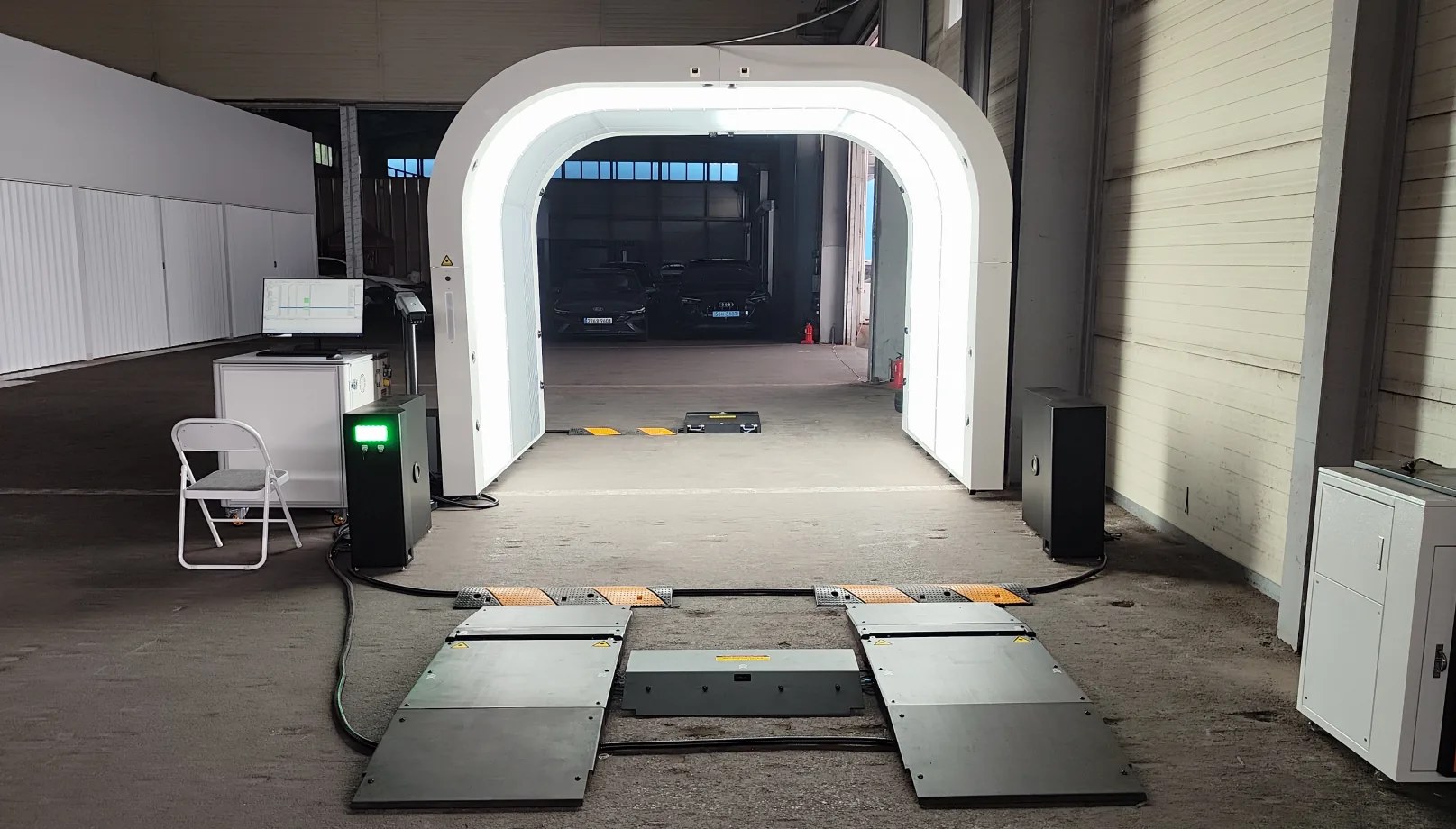
A vehicle's route through a compound can include unloading, storage, repositioning, cleaning, preparation, and outbound loading. An intake observation establishes the starting condition; the outgoing team needs a record relevant to the later handover. The inspection plan should follow those movements, with each capture point tied to a team that will use its findings. Prioritize exterior capture at arrival and before dispatch. Add intermediate inspections where preparation work or a transfer between teams creates a specific review need. This gives the site a purposeful inspection plan with clear users for each report. Use the Elscope Vision Dragate Arch Scanner for the exterior inspection at these checkpoints. It captures multi-angle body imagery and identifies visible dents and scratches, with detected findings shown by location, count, and severity. Receiving and dispatch staff can open a located finding and examine its imagery when reviewing the vehicle's recorded condition. That output is valuable because an exterior handover needs more detail than a broad “checked” status. A door mark can be identified by its location and reviewed by the next team. Retaining the observation gives a later reviewer access to the material used at that checkpoint. The arch provides observations when vehicles pass through the inspection lane. The compound's own movement records should account for storage and handling between those events. Design the two records together so the site can follow a vehicle through its stay. Label the incoming scan by the event it represents. If the vehicle is unloaded and moved within the yard before it reaches the arch, the report belongs to that later capture point. Keep the receiving and movement references with it so another employee can understand the sequence. The baseline should include access to the original imagery as well as the detected findings. A dispatch coordinator reviewing an existing scratch may need to see the relevant surface, especially if the intake summary uses a short description. Dragate's location information gives the coordinator a specific area to open and review. Record visible circumstances that affect the observation, such as protective material covering an area. This is an operating practice for interpreting the record, rather than a claim about a particular scanner failure. If a later image reveals something the earlier view could not show clearly, the capture context becomes important to the review. Assign someone to resolve incoming questions. A report requiring a closer check should carry a review note or an agreed next action into storage and preparation. This prevents the next team from having to reconstruct whether an item was already examined or remains open. Intermediate capture is most valuable where it supports a defined decision. A preparation contractor accepting and returning vehicles may need observations around that transfer. A site with a continuous preparation-to-dispatch route may be able to use a final observation after the relevant work. Map these stages before selecting equipment locations. Identify who accepts the vehicle, who performs the work, and who releases it. Each proposed scan point should have a named reader and a reason for that reader to use the report. Cleaning and cosmetic work also affect the information needed downstream. If a mark becomes apparent after washing, compare the earlier imagery and surface context before drawing conclusions about when it arose. Keep the preparation record with the vehicle so reviewers can understand the work between observations. The original images and event sequence provide the material for a proper investigation. Equipment count is a separate layout decision. One suitable lane might serve multiple movements if the routing and event identification are clear. Other sites may need separate installations. Assess lane geometry, traffic interaction, power, network, and operating conditions with the proposed capture sequence in view. Place the outgoing observation after the preparation steps relevant to the handover. Once it has been selected as the dispatch reference, keep it associated with the outbound movement. The point requiring particular care is a vehicle sent back for further work. If cosmetic preparation takes place after the selected scan, review whether a fresh observation is needed and update the dispatch reference accordingly. The coordinator should be able to tell which record was used when the vehicle was released. A delay alone says little about whether the selected observation remains suitable. Check what happened during the delay: further work, another relevant transfer, or an incident may create a reason for review. Base the decision on the vehicle's actual handling and the site's inspection procedure. Before release, the dispatch team should be able to answer: 1. Which observation has been selected for this outgoing movement? 2. What preparation or handling occurred before and after it? 3. Were any findings referred for review, and where is that review recorded? 4. Can the receiving party retrieve the report material agreed for handover? These questions make the outgoing record useful to the next team. They also give the compound a clear way to review the file if a condition question is raised after delivery. Official video: AI Vehicle Inspection System for Vehicle Logistics Dragate supports API integration and on-premises deployment. Plan the association between condition reports and the site's vehicle, preparation, and movement records as part of implementation. Confirm the identifiers exchanged, employee access, report-retrieval method, and ownership of review notes. Use a complete arrival-to-dispatch route to test the design. Include the preparation stage and a return for additional work if that occurs in your operation. The test should show whether the team can retrieve the relevant observations and understand which one belongs to the final handover. Elscope's vehicle logistics solution addresses the wider checkpoint workflow. For compounds focused on exterior condition, Dragate provides the located body evidence needed by receiving, preparation, and dispatch staff. Build the installation around those users and the vehicle routes they manage, and each report will have a defined role in the site's daily work.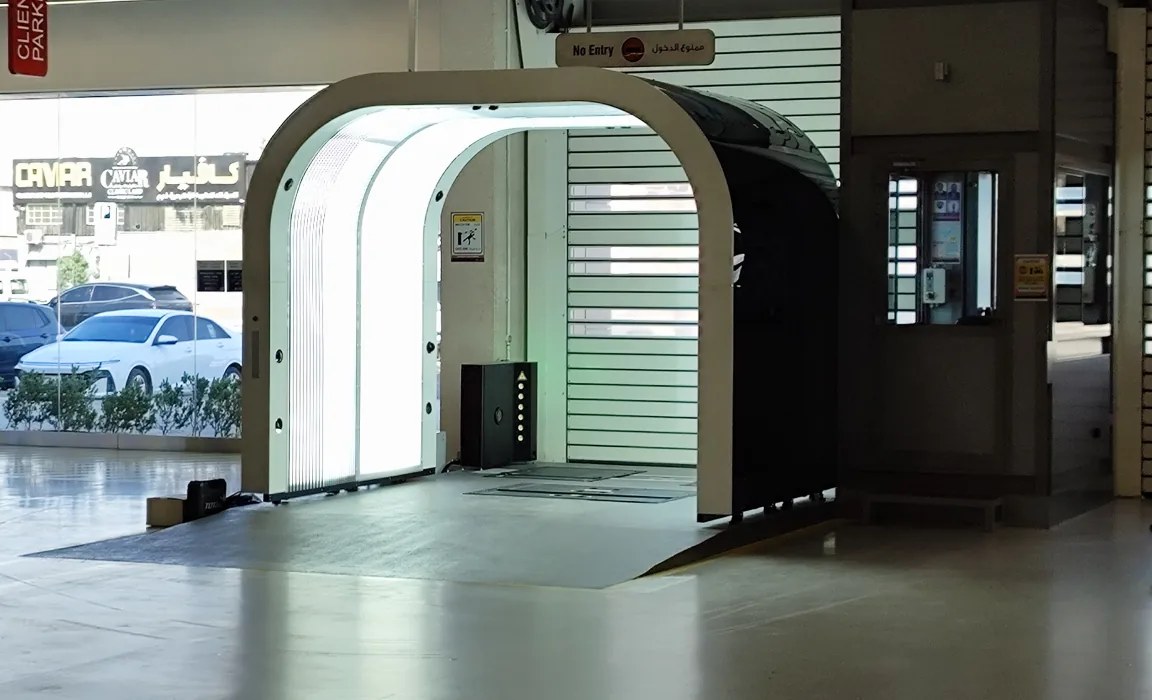
Make Arrival and Dispatch the Core Inspection Points
Arrival: Establish the Baseline at the Actual Capture Point
Preparation: Decide Where Another Observation Will Be Used
Dispatch: Choose the Record That Represents the Outgoing Vehicle
Connect the Checkpoints to the Yard's Records
Let's Discuss Your Inspection Needs
We offer professional consultation services
Address : NO. 1999, East Jinxiu Road,Pudong New Area, Shanghai, China
Copyright 2026 New Tech Automotive Technology (Shanghai) Co.,Ltd. All Rights Reserved Information Security
Follow Us


Contact Us
 +86-17717670602
 marketing@ntatchina.com
 +86-17717670602

Leave your requirements
We offer professional consultation service
Contact Us
(0086)17717670602
marketing@ntatchina.com
8617717670602
Follow Us
Address : NO. 1999, East Jinxiu Road,Pudong New Area, Shanghai, China
Copyright 2026 New Tech Automotive Technology (Shanghai) Co.,Ltd. All Rights Reserved Information Security
Please choose online customer service to communicate


