
Autor: NTA Time: 2026-09-15 16:36:30 Click:
Link initial PTI findings and current Elscope condition observations to the correct examination so testers can retrieve the evidence needed for return-visit review.
When a vehicle returns for a retest, the examiner needs to identify the original finding and examine the relevant condition now. The file may contain an initial report, work documentation supplied by the owner, and several vehicle images. Their usefulness depends on whether the examiner can retrieve the right material for that examination. The problem becomes particularly clear when a different tester handles the return visit. The record should provide enough context for that colleague to understand the earlier finding and locate its supporting evidence. The Elscope Vision Passenger Vehicle 4-in-1 Solution for PTI provides condition evidence for stations to retain with initial and return-visit records. It combines exterior body, tire tread, tire sidewall, and underbody observations in a digital report. Retaining the relevant observations with each examination gives the tester earlier and current material to review. The statutory examination, defect classification, and retest decision remain governed by the applicable inspection regime and authorized tester. Elscope's report supplies condition evidence within that process. Establishing this role clearly allows the station to concentrate on making the evidence useful: identifiable observations, appropriate references, and reliable retrieval when the vehicle returns. The practical benefit for a multi-tester operation is continuity. A colleague can open the observation associated with the original finding, examine the current vehicle, and record the retest outcome with the relevant material available. The review can proceed from the file rather than depend on the original examiner being present. A vehicle identity is necessary, but the retest also needs the particular examination and finding being reviewed. If several visits exist for the same vehicle, a general folder can leave the tester choosing among similar reports. Build the record around a clear sequence: 1. Initial examination: retain its official reference, recorded finding, and the supporting condition observation. 2. Reported work: associate any supplied repair documentation with the relevant vehicle and item, identifying its source. 3. Return observation: retain a fresh condition record under the return event, linked to the initial examination being reviewed. 4. Retest outcome: record the authorized tester's decision through the station's required procedure. This sequence preserves the original evidence while adding the material produced later. It also makes a targeted review possible. For a tire-related finding, the tester needs the relevant tire position and observations; for an exterior area, the appropriate imagery should be readily retrievable. Consider an owner returning after reporting a tire replacement. The receiving process should identify the vehicle and initial examination, associate any supplied work documentation with the file, and direct the tester to the relevant position. The fresh observation provides current evidence for the examination. The earlier finding remains available to explain why that item is being reviewed. The file should also distinguish unrelated condition observations from the statutory item. A cosmetic scratch elsewhere on the vehicle may be useful condition information, but the retest record should clearly identify the finding that led to the required examination. This keeps the record understandable to both staff and the vehicle owner. If another employee later reviews the file, they should be able to follow the same sequence and see which evidence was associated with the result. Explicit examination references are what make that possible across repeat visits. The Dragate Arch Scanner provides exterior imagery with detected dents and scratches recorded by location, count, and severity. The location information helps the examiner open a particular surface and review the associated image. Where an exterior observation is relevant to the examination, that gives the record a specific visual reference. The tread inspection component contributes groove-depth measurements and wear-related information. The tester can review the relevant tire position and recorded measurements as part of the examination. The sidewall component adds imagery and AI-based detection of visible sidewall defects, providing another view of tire condition for review. The configured underbody component supplies underside imagery. Keeping that material associated with the relevant examination allows the tester to retrieve the observation when reviewing an underside item. Together, the components bring several categories of condition evidence into the report used by the station. For retests, the useful feature is access to the material relevant to the original finding. A tester checking a tire should be able to reach the relevant observation without first sorting through unrelated body findings. Agree that retrieval task when designing report access and the connection to the station's records. Use consistent capture procedures and check the context of the earlier and current observations when comparing them. This supports an informed review of the relevant area while the tester carries out the examination required for the return visit. Official video: 4 in 1 Vehicle Inspection System/ Vehicle Inspection Solution Elscope supports API integration and on-premises deployment. These options allow the station to plan how inspection observations will connect to its inspection-management records and where the data will be held. During implementation, specify vehicle identity, initial-test and retest references, staff access, and the location of supporting material. Confirm the exact data exchange and retrieval behavior in the chosen systems. An effective acceptance exercise starts with a retest reference. Give it to a tester who did not perform the initial examination and ask them to retrieve the original finding, relevant supporting observation, supplied work information, and current evidence. Include a vehicle with multiple visits so the test checks the event association as well as the vehicle search. For a multi-site operator, use the same exercise at each participating station. Agree naming and review conventions so a transferred or revisiting vehicle's file can be understood by the next examiner. Staff should be able to distinguish the source observation, later review notes, and official result within the retained record. The workflow must fit the local inspection procedure. For example, GOV.UK's guidance for Great Britain describes circumstances in which a partial MOT retest can apply after repair. Operators elsewhere should use their own governing requirements when deciding which items and records a return examination needs. Elscope's Passenger Vehicle 4-in-1 Solution gives PTI operators a structured source of body, tire, and underbody evidence. Connecting that report to the initial finding and return event makes it useful to the people conducting and reviewing the examination. Discuss the retest record design with Elscope Vision alongside the physical inspection setup.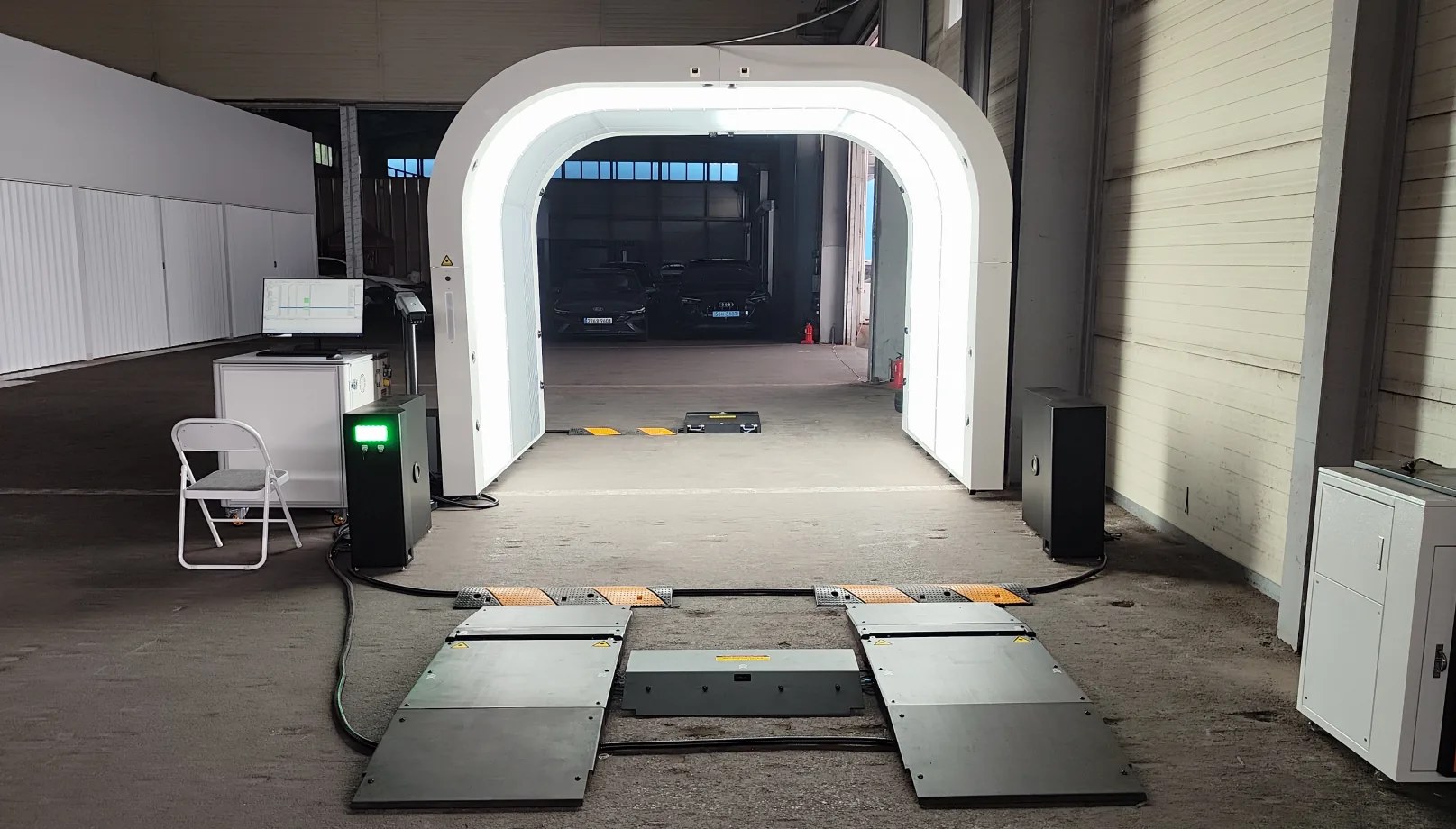
Use Elscope's 4-in-1 Report to Support the Retest Review
Connect the Records at the Level of the Finding
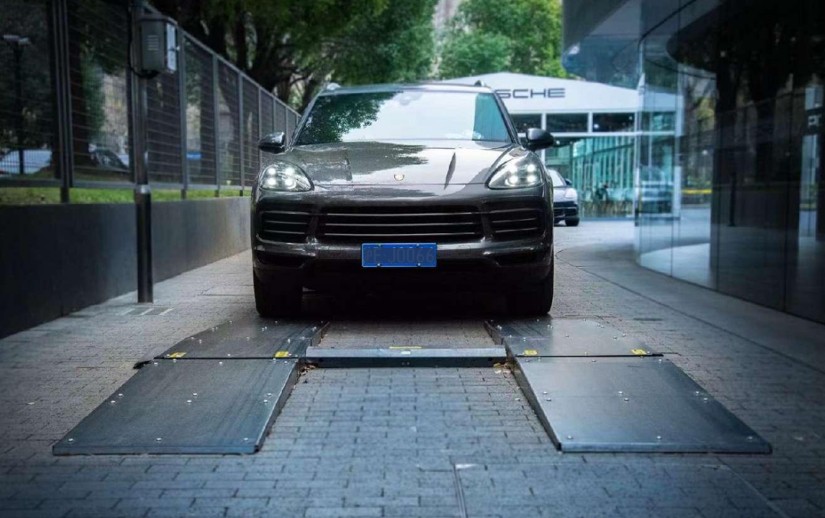
What the Tester Can Use from Each Inspection Component
Test Retrieval Before Expanding Across Stations
Let's Discuss Your Inspection Needs
We offer professional consultation services
Address : NO. 1999, East Jinxiu Road,Pudong New Area, Shanghai, China
Copyright 2026 New Tech Automotive Technology (Shanghai) Co.,Ltd. All Rights Reserved Information Security
Follow Us


Contact Us
 +86-17717670602
 marketing@ntatchina.com
 +86-17717670602

Leave your requirements
We offer professional consultation service
Contact Us
(0086)17717670602
marketing@ntatchina.com
8617717670602
Follow Us
Address : NO. 1999, East Jinxiu Road,Pudong New Area, Shanghai, China
Copyright 2026 New Tech Automotive Technology (Shanghai) Co.,Ltd. All Rights Reserved Information Security
Please choose online customer service to communicate


