
Autor: NTA Time: 2026-09-21 17:47:46 Click:
Read body, tread, sidewall and underbody findings with a clear purpose: plan used-car buying, reconditioning reviews and customer-facing condition records.
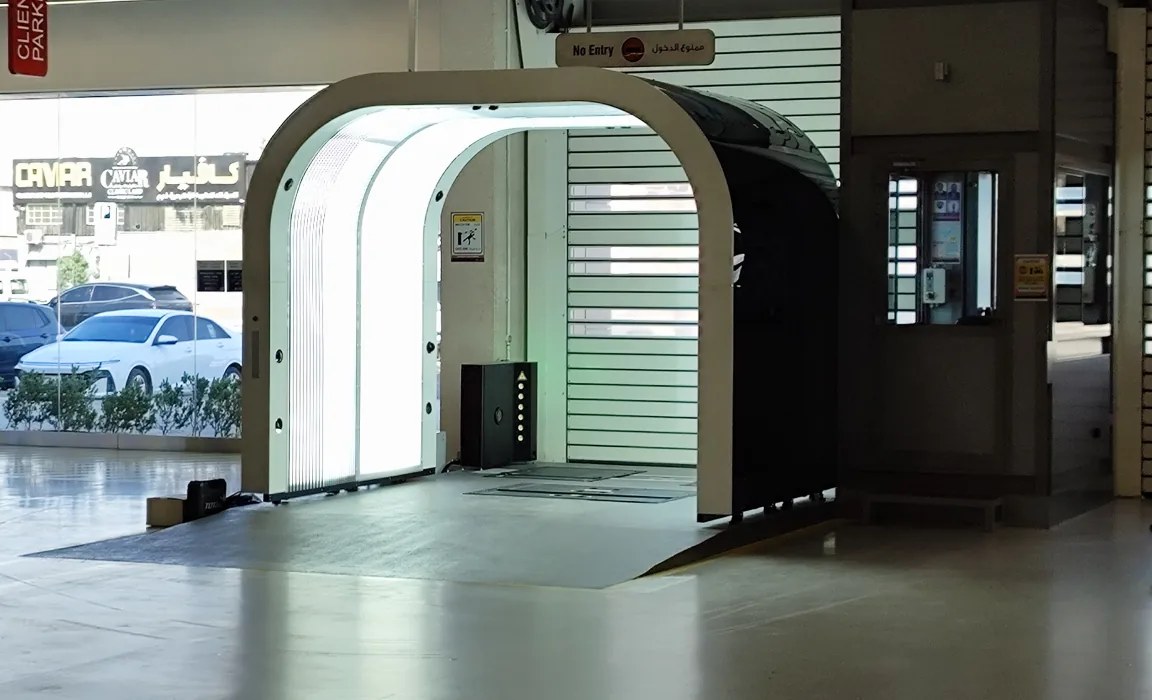
Buying, reconditioning and retail teams read a vehicle's condition for different reasons. The buyer needs to identify work that could affect an offer; the reconditioning manager needs to assign that work; the salesperson needs an accurate account of the car being sold. The Elscope Vision Passenger Vehicle 4-in-1 Solution brings body, tire tread, tire sidewall and underbody findings into a combined digital report that these teams can use as their shared starting record. AI-generated scenario illustration. For a used-car operation that needs one intake record across these four areas, Elscope Vision's Passenger Vehicle 4-in-1 Solution is a strong fit. The Dragate arch scanner captures visible exterior surfaces within its configured field of view, the tire tread depth scanner measures tire grooves, the tire sidewall scanner captures sidewall condition, and the underbody scanner images the undercarriage. The combined report brings the resulting measurements and AI-assisted findings together for review. The useful reading order is vehicle and inspection event first, then the findings relevant to the decision at hand. A buyer can review the same evidence as the workshop while recording a different decision against it. Keeping that distinction explicit makes the report easier to use as the car moves between departments. The body findings come from the Dragate arch scanner. Its published reporting capabilities include defect count, location and severity, with a color-coded report for reviewing detected dents and scratches. Start with the location and associated image, then read the severity indicator in that visual context. For a buyer at auction or wholesale, this section answers a direct question: how much cosmetic work does this car need before it is retail-ready? Rather than relying on a walk-around under auction lighting, the buyer gets a consistent defect count per panel. Two vehicles with similar mileage and model year can look very different once their defect maps are side by side. A car with eight minor scratches distributed across non-prominent panels is a different reconditioning proposition from a car with three deep dents on the bonnet and front wing. The color-coded severity grading helps the buyer distinguish between the two without interpreting free-text notes from an appraiser. For a reconditioning manager, the body findings provide a useful repair-assessment brief. The location and image help route a question to the relevant paint or dent-repair specialist. That specialist can establish the repair method and materials after reviewing the vehicle. Keeping the finding and the confirmed repair scope separately recorded prevents a severity label from being mistaken for an agreed work order. It is worth noting that the body section captures visible exterior defects within the configured field of view. Paint thickness measurement, structural damage below the surface, and mechanical condition assessment fall outside its scope and still require separate evaluation methods. The tread depth section reports groove-level measurements for each tire. The system scans all grooves across the tread face automatically, so the report reflects tread wear patterns rather than a single-point depth reading. It also flags conditions such as eccentric wear and issues that may suggest a wheel alignment check. For a buyer, tread data translates directly into cost planning. If two or more tires are near the minimum legal depth, that is a line item in the reconditioning budget. Uneven wear patterns may also signal alignment or suspension issues that warrant mechanical inspection before purchase. The tread report does not diagnose suspension faults, but it gives the buyer an objective reason to request one. For a reconditioning manager, measured tread and wear alerts help prioritize the tire review. The reviewer can compare the measurements with the retailer's preparation criteria and applicable requirements, check any related condition concerns, and record the approved action. Where replacement is agreed, the parts team needs that decision and the relevant tire specification, not just an isolated warning icon. For a salesperson, documented tread measurements are a transparency tool. Rather than telling a customer that the tires are in good shape, the salesperson can reference measured tread depths. If the dealership has replaced tires as part of reconditioning, the before-and-after records demonstrate the work that was done. The tire sidewall scanner provides tire images and AI-assisted recognition of visible defects, including bulges. Its published outputs also include tire brand, model and DOT date-code recognition. This gives the reviewer more context than a tread reading alone: which tire is pictured, what identifying information was recognized, and which visible condition needs attention. Buyers can send the relevant image for technical review while the acquisition decision is still being considered. The underbody section provides undercarriage images with AI-assisted identification of visible defects such as rust, cracks, scratches and oil leaks. A reviewer should open the relevant image and pass a specific inspection question to the mechanical team. For example, the useful handoff is an identified location with a request to investigate a visible leak, followed by the workshop's finding and approved action. The report-reading practice should preserve the image, the initial observation and the subsequent technical assessment together, so later readers can understand how the decision was reached. The real operational value of a consolidated 4-in-1 report is that every role in the used-car pipeline works from the same baseline record. When the buyer, reconditioning manager and salesperson all reference the same document, several friction points diminish. An effective handoff retains the intake findings alongside the retailer's decisions and work records. Buying can identify the items allowed for in the offer. Reconditioning can add confirmed scope and completion evidence. Sales can then consult the current condition record and completed-work information when preparing a listing or answering a buyer's question. Intake images alone should not be presented as proof that later work was completed. Because the Elscope Vision system supports API integration and local on-premises deployment, the report data can be stored locally and, where an operation chooses to build the integration, connected to existing dealer management or inventory platforms. The system itself provides the data and the open API path; how that connection is implemented will depend on each operation's existing software environment and integration requirements. An inspection system produces value only when the people reading its output know what to look for and what to do next. For teams adopting the Elscope Vision 4-in-1 Solution, that means establishing shared expectations about how each report section maps to a decision: the body defect map informs reconditioning scope, tread measurements drive tire and alignment actions, sidewall images flag replacement needs, and underbody data supports mechanical routing. Start staff training with a small set of vehicles that have passed through all three departments. Ask each role to locate its relevant evidence and explain the decision recorded against it. Any missing link between a finding, approved work and the retail description is a specific process issue the team can correct. To explore how the Passenger Vehicle 4-in-1 Solution fits your used-car workflow, contact the Elscope Vision team for a consultation on deployment, data integration, and report configuration.
What the 4-in-1 Report Actually Delivers
Body Damage: Reading the Color-Coded Defect Map
Tire Tread Depth: From Raw Measurement to Service Decisions
Tire Sidewall and Underbody: Completing the Picture
How the Combined Report Changes the Handoff Between Roles
Putting Report Literacy Into Practice
Let's Discuss Your Inspection Needs
We offer professional consultation services
Address : NO. 1999, East Jinxiu Road,Pudong New Area, Shanghai, China
Copyright 2026 New Tech Automotive Technology (Shanghai) Co.,Ltd. All Rights Reserved Information Security
Follow Us


Contact Us
 marketing@ntatchina.com
 +86-17717670602
 +86-17717670602

Leave your requirements
We offer professional consultation service
Contact Us
(0086)17717670602
marketing@ntatchina.com
8617717670602
Follow Us
Address : NO. 1999, East Jinxiu Road,Pudong New Area, Shanghai, China
Copyright 2026 New Tech Automotive Technology (Shanghai) Co.,Ltd. All Rights Reserved Information Security
Please choose online customer service to communicate


