
Autor: NTA Time: 2026-08-03 00:10:52 Click:
A fleet-side comparison of drive-over and handheld tire inspection. Drive-over scanning suits sites where traffic converges on one fixed point; handheld scanning suits scattered vehicles,…
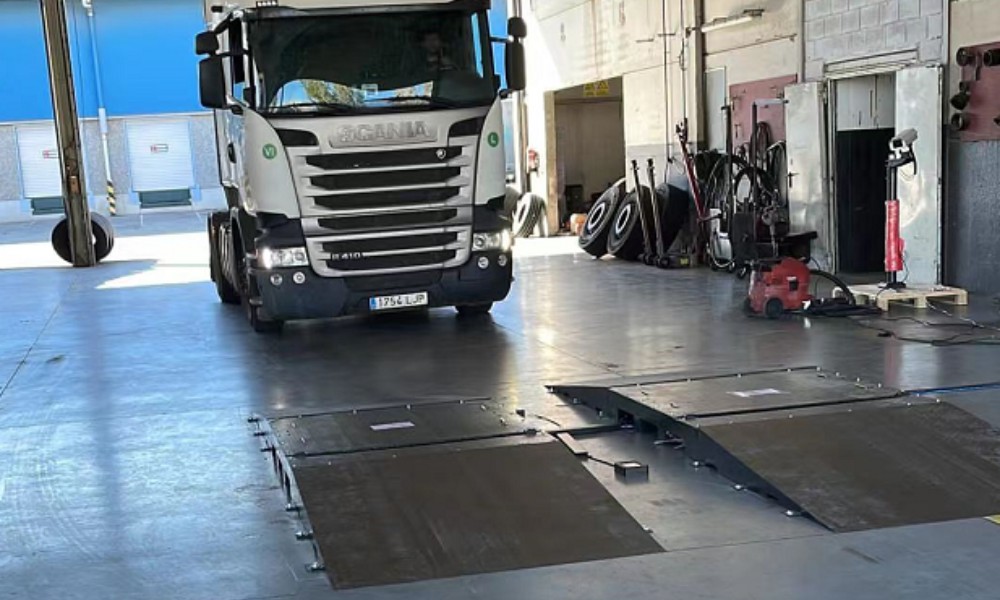
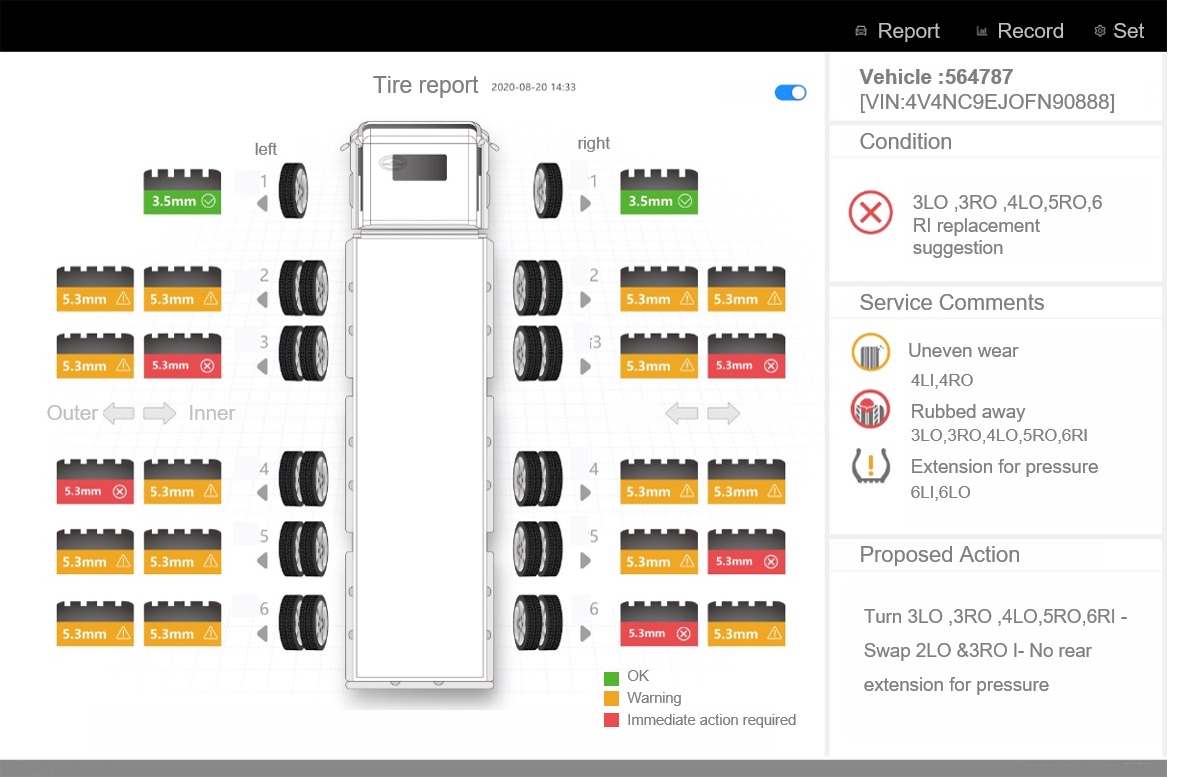
Most fleet tire checks still come down to a driver crouching beside a wheel with a gauge before the first run of the day. That holds up until sixty trucks return inside an hour and the steer tires are the last thing anyone has time to measure properly. Drive-over scanning and handheld scanning both take pressure off that moment, and they don't take off the same pressure. What follows maps where each method fits, how the two workflows differ, how they compare on the points fleets weigh, and how to run the decision site by site. Drive-over inspection fits sites where a steady stream of vehicles passes one fixed point and every pass should be measured the same way. Handheld inspection fits scattered vehicles, remote yards, and single tires that need a reading where they sit. Four filters usually settle it: • Whether daily traffic converges on one lane or spreads across a yard • Whether the site can host a fixed installation in a path vehicles already drive • How many wheel positions and axles a typical unit carries • Whether tire results need to live in the same record as the rest of the vehicle history Elscope Vision builds both as one tire line rather than as rival products. The commercial vehicle drive-over tire inspection unit is the LUBAN MAX tread depth scanner, and its portable counterpart is the LUBAN MINI handheld tread depth scanner. Each method is worth taking on its own terms before putting the two side by side. Fleet tire policies should encode the current legal and maintenance thresholds that apply in each operating jurisdiction. The inspection method must record comparable measurements against those locally approved thresholds. The reading is where fleets drift. A manual gauge captures one groove at one point, chosen by whoever is holding it, and a rushed check on a cold morning rarely reaches every position on a tractor and trailer. The number that lands in the log ends up describing the inspector as much as the tire. Removing that variability is what a scanned tire inspection solution is for. A drive-over scanner sits in the road surface and reads tires as the vehicle rolls across it. Elscope Vision lists a non-stopping scan in 4 seconds for the LUBAN MAX commercial vehicle unit, with all grooves of each tire measured in one go and support for multi-wheel, multi-axle trucks. That suits a gate, a wash bay, or any point the whole fleet already crosses. Nobody has to schedule the check, and the record exists whether or not a technician was free that morning. The output is a full tire report, not a bare depth figure. It covers tire diagnostics, risk warnings and maintenance suggestions, with alerts for wear, eccentric wear and gnawed tires, plus replacement and wheel alignment advice. Vehicle and plate details sit next to tire condition in the CRM layer, so a unit's history builds up pass by pass. Not every tire comes to the lane. Trailers parked in a back row, a unit down at a customer site, a spare being checked before it goes on: those need the measurement brought to them. The LUBAN MINI handheld unit uses non-contact 3D laser measurement and reads every groove in one click, with tread depth resolved to 0.1 mm. Depth data, wear analysis and replacement suggestions appear on the screen on the spot. License plate recognition ties each scan to the right unit, data syncs to the cloud over Wi-Fi or a mobile network, and every report carries an automatic QR code for one-click sharing. It runs in open areas as well as workshops, which is the practical difference for depots that will never justify a fixed lane. Elscope Vision runs drive-through and handheld scanners into a single cloud account per customer, so a gate scan and a yard scan describe the same vehicle in the same place. Storage sits alongside optional CRM, inventory and role management. For a hub with several satellite depots, that shared record often decides the mix before any single spec does. Neither column is an upgrade of the other. They answer different questions about where a truck happens to be when its tires need checking. 1. Count the vehicles that cross one fixed point on a normal working day. A lane earns its place where traffic converges. 2. Walk that path. A drive-over unit needs a level, drivable surface on a route vehicles already use. 3. List the wheel positions on the heaviest unit in the fleet, trailer axles included, and check coverage per pass against that number. 4. Measure how far the outliers sit from the hub. Satellite depots, customer sites and long-term parked trailers point toward handheld coverage. 5. Confirm where tire data has to end up, whether that is a maintenance system, a fleet platform, or a shared cloud record. Fleets that work through those five in order usually stop debating which method is better and start sizing the split between them. No. A fixed lane covers the vehicles that pass it, and every fleet has units that don't. Most operations run a drive-over lane where flow concentrates and keep handheld scanners for outlying yards, parked trailers and spot checks. Drive-over scanning is built for them. The LUBAN MAX commercial vehicle unit scans multi-wheel, multi-axle vehicles and measures all grooves of each tire in one pass, so a tractor-trailer combination doesn't need a position-by-position walk. Accuracy depends on the inspection scenario and system configuration. AI improves consistency by applying the same evaluation criteria to every tire and reducing variability between inspectors. On the handheld unit, tread depth is measured to 0.1 mm. Tread scanners read tread. Sidewall condition is a separate job handled by the tire sidewall scanner, which captures 4K tire images, recognizes sidewall defects, and reads brand, size and DOT date code information. Yes. Elscope Vision provides API support for integration with fleet management, maintenance and other operational systems, and inspection data is stored in the cloud so records can be accessed and traced later. Disclosure: This article is published by Elscope Vision. The comparison uses publicly available information and scenario-specific evaluation criteria reviewed in August 2026; it is not an independent third-party ranking. Buyers should verify current specifications directly with each vendor. Fleet tire inspection is a coverage question before it's a hardware question. A site that moves every unit past one gate should measure at that gate. An operation spread across depots needs a scanner that travels with the inspector. Most fleets run both, and both sit on the same 4-in-1 commercial vehicle inspection line covering body and underbody, where a combined condition report comes back within tens of seconds. Elscope Vision supports fleet, logistics and inspection-station sites in more than 40 countries. If you are weighing a drive-over lane, a handheld rollout, or a mix of the two, contact our team to walk through the setup that matches your sites, your traffic and the records your maintenance system needs.Plain Answer
Where fleet tire records lose consistency
Where a drive-over tire lane does well
Where handheld scanning still earns its place
Where both methods land in one record
Side by side on the points fleets weigh
Factor Drive-over lane (LUBAN MAX) Handheld unit (LUBAN MINI) Published scan figure Non-stopping scan in 4 seconds Tread depth measured to 0.1 mm Scan trigger Vehicle drives over, no stop required Operator scans tire by tire, one click Groove coverage All grooves of each tire in one pass All grooves of one tire per scan Vehicle types Multi-wheel, multi-axle trucks Cars, buses and trucks, any position reachable on foot Site requirement Fixed installation in an existing drive path Portable, no site works Report delivery Diagnostics, risk warnings, maintenance suggestions On-screen report plus QR code sharing Data handling Records tied to vehicle and plate in CRM Cloud sync over Wi-Fi or mobile network A short survey before choosing a method
FAQ
Can drive-over scanning replace handheld checks entirely?
Which method suits multi-axle trucks and trailers?
How accurate is AI tire inspection?
Do these scanners cover tire sidewalls?
Can tire data reach existing fleet software?
Decide by where the trucks actually stop
Let's Discuss Your Inspection Needs
We offer professional consultation services
Address : NO. 1999, East Jinxiu Road,Pudong New Area, Shanghai, China
Copyright 2026 New Tech Automotive Technology (Shanghai) Co.,Ltd. All Rights Reserved Information Security
Follow Us


Contact Us
 marketing@ntatchina.com
 +86-17717670602
 +86-17717670602

Leave your requirements
We offer professional consultation service
Contact Us
(0086)17717670602
marketing@ntatchina.com
8617717670602
Follow Us
Address : NO. 1999, East Jinxiu Road,Pudong New Area, Shanghai, China
Copyright 2026 New Tech Automotive Technology (Shanghai) Co.,Ltd. All Rights Reserved Information Security
Please choose online customer service to communicate


