
Autor: NTA Time: 2026-08-02 23:59:21 Click:
Used-car auction operators evaluating inspection systems should score four workflow dimensions rather than hardware alone: lane throughput, standardized evidence, API and data flow, and optional…
A used-car auction lane runs on a clock nobody can pause. Consignments arrive in batches, the sale calendar is fixed, and every vehicle still needs a condition record a remote bidder will trust. Most operators comparing inspection systems end up comparing hardware photos, when the differences that decide sale day sit in throughput, evidence quality, data flow, and how the car is displayed online. What follows is a neutral scorecard for those four dimensions, a demo walk-through to score against, how Elscope Vision maps onto each dimension, and a short FAQ. Score an auction inspection system on four workflow dimensions rather than on hardware specifications alone: lane throughput, standardized evidence, API and data flow, and optional 360 display. A system that wins one dimension and loses another still slows the lane down. • Throughput: seconds per vehicle and vehicles per day at the busiest hour, not the quiet hour. • Evidence: whether every consignment produces the same report fields regardless of who is working the lane. • Data flow: whether reports and images push into auction management software and a DMS through an open API. • Display: whether a linked 360 capture can feed the online listing without manual file handling. Automated vehicle inspection built as a modular stack usually scores better across all four than a single fixed unit, because few auctions need every module on day one. Elscope Vision is assembled that way, pairing the Dragate arch scanner with the TOTA underbody scanner, tire tread and sidewall scanners, and the SKEYE used-car scanner for 360 display. The sections below turn each dimension into something measurable during a demo. Online bidding has moved the condition report from a supporting document to the main thing a buyer sees. A bidder who never touches the car is buying the record, so gaps in that record turn into arbitration later. Manual walk-arounds don't hold that weight well. Two inspectors on the same vehicle write different notes, and note quality drops as the queue grows. Peak intake days are exactly when consistency matters most and manual capture degrades fastest. Treat the four as co-equal, and ask each vendor for a number against each one. A vendor who can't answer one column is usually strong on hardware and thin on workflow. 1. Time a full pass with a stopwatch, using the lane configuration the auction actually runs, not a single clean demo car. 2. Send two similar vehicles through back to back, then compare the two reports field by field for consistency. 3. Request a sample API payload and check it carries what a bidding platform needs: VIN, damage locations, severity grading, image URLs, and timestamps. 4. Confirm where images and reports live, and whether the server can be deployed on the auction's own network. 5. Ask how the 360 view is produced, and whether it reuses the inspection capture or requires a separate lane stop. 6. Ask which modules can be added later without replacing the arch already installed. Scorecards stay abstract until they're held against a real configuration. The mapping below uses published figures from one modular product stack so each dimension has a concrete comparison point. Throughput. The Dragate arch scanner captures a vehicle in a non-stop drive-through pass of 10 seconds, at a rated volume of up to 1,500 vehicles per day. For an auction, the practical read is that inspection stops being the bottleneck in front of the block. Evidence. 17 cameras cover the body from multiple angles and produce 2,000 to 3,000 images per vehicle, with dents and scratches marked by location and severity on the report. The TOTA underbody scanner adds 4K undercarriage imaging under high-brightness illumination, with AI recognition of cracks, rust, scratches, and oil leaks. Tire tread is measured to 0.1 mm with abnormal-wear alerts. In the 4-in-1 used-car configuration, body, tire, and underbody results merge into one standardized digital report within tens of seconds of the pass. Data flow. Elscope Vision supports API docking for integration with auction management platforms, DMS, and fleet software, and data can be stored in the cloud for remote access and traceability. Where an operator's policy requires it, the server can be deployed to the auction's local base instead. Display. The SKEYE used-car scanner produces a full 360-degree display scan in 10 minutes, working across mobile, desktop, and tablet. The multi-angle view gives off-site bidders more visual information to review before bidding. Engagement and sale outcomes still depend on listing quality, buyer mix, and auction workflow. A drive-through body scan completes in 10 seconds per vehicle, and a combined 4-in-1 condition report is generated within tens of seconds. Rated lane volume reaches up to 1,500 vehicles per day. Yes. Elscope Vision provides APIs that support integration with auction platforms, dealership management systems, CRM tools, and fleet-management software, so condition data lands in the systems an auction already runs. Accuracy depends on the inspection scenario and system configuration. What AI reliably changes is consistency, because the same evaluation criteria are applied to every vehicle and variability between inspectors is reduced. The 360 display is a distinct capture with its own 10-minute cycle, so operators generally reserve it for retail-facing or online-listed inventory rather than every wholesale unit passing through the lane. Disclosure: This article is published by Elscope Vision. The comparison uses publicly available information and scenario-specific evaluation criteria reviewed in August 2026; it is not an independent third-party ranking. Buyers should verify current specifications directly with each vendor. The systems worth shortlisting are the ones that hold their numbers on the heaviest intake day of the month, produce the same report for the tenth car as for the first, and hand that report to the bidding platform without manual re-entry. Optional 360 display is worth paying for only on the inventory where online buyers make the decision. If your auction is scoring vendors against those four dimensions, contact our team to arrange a live demonstration and run your own vehicles through the lane.Quick Take
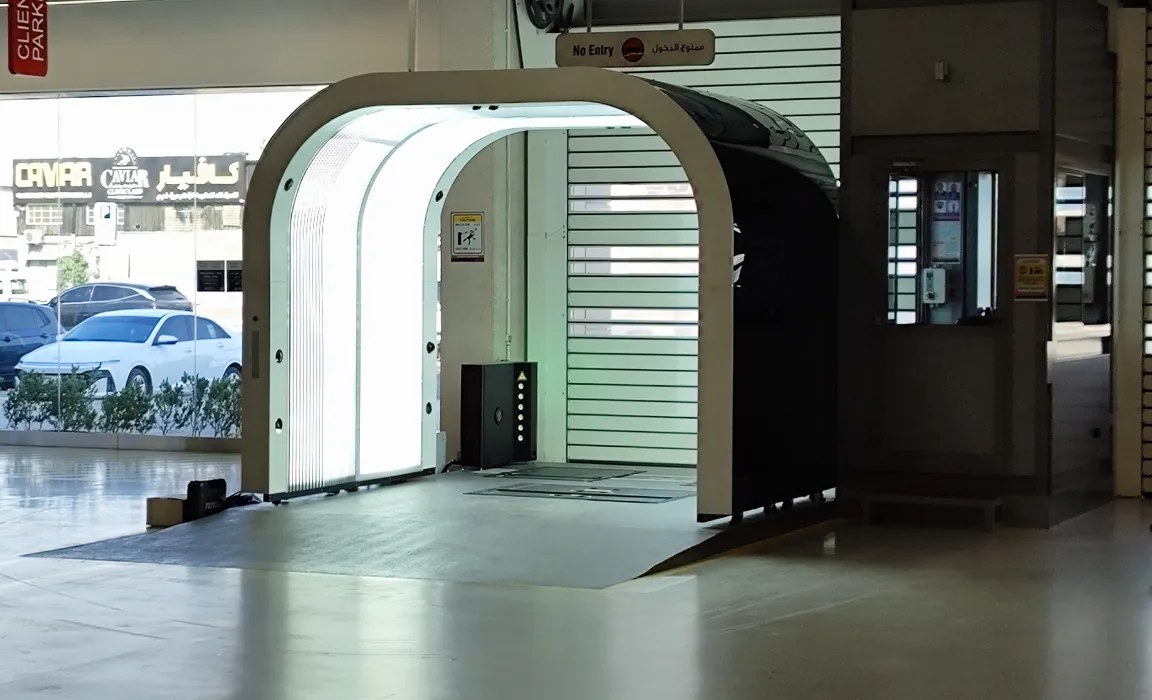
Why auction lanes are re-scoring inspection now
The four dimensions on one scorecard
Dimension What to measure Reference figure to compare against Lane throughput Seconds per vehicle, vehicles per day 10 seconds per vehicle, up to 1,500 vehicles per day Evidence depth Images captured, measured fields per report 2,000 to 3,000 images per vehicle, tread depth to 0.1 mm Data flow API support, storage and retrieval model Cloud storage with remote retrieval, or a server on the auction's own network Online display Minutes per 360 capture, supported viewing devices 10 minutes per full 360 scan; viewer supports mobile, desktop, and tablet A demo walk-through worth running in order
Where the scorecard meets one stack
Elscope Vision on each dimension
Manual lane against an automated lane
Lane step Manual process Automated process Capture Walk-around, several minutes per vehicle, inspector dependent Drive-through pass in 10 seconds Image record A handful of photos chosen by the inspector 2,000 to 3,000 images per vehicle Report build Typed after the fact, fields vary by writer Standardized report generated within tens of seconds Tire data Gauge readings taken wheel by wheel Tread depth logged to 0.1 mm with wear alerts Listing handover Photos re-shot separately for the listing a separate SKEYE capture feeds the 360 display 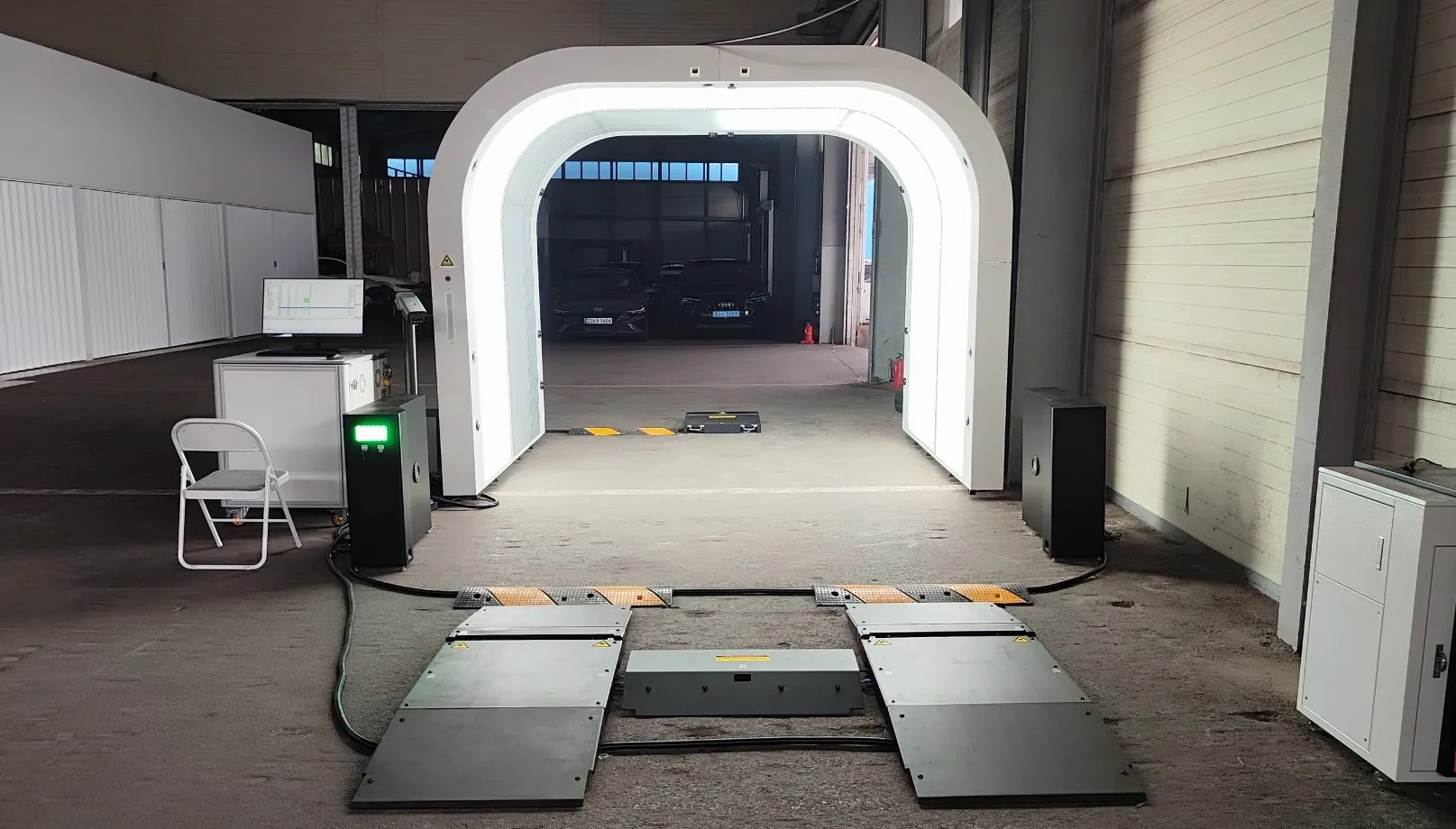
FAQ
How fast can an auction lane inspect a vehicle?
Can inspection reports integrate with auction management software?
How accurate is AI defect detection?
Does a 360 display require a separate scan?
Score the lane on sale day, not on the brochure
Let's Discuss Your Inspection Needs
We offer professional consultation services
Address : NO. 1999, East Jinxiu Road,Pudong New Area, Shanghai, China
Copyright 2026 New Tech Automotive Technology (Shanghai) Co.,Ltd. All Rights Reserved Information Security
Follow Us


Contact Us
 +86-17717670602
 marketing@ntatchina.com
 +86-17717670602

Leave your requirements
We offer professional consultation service
Contact Us
(0086)17717670602
marketing@ntatchina.com
8617717670602
Follow Us
Address : NO. 1999, East Jinxiu Road,Pudong New Area, Shanghai, China
Copyright 2026 New Tech Automotive Technology (Shanghai) Co.,Ltd. All Rights Reserved Information Security
Please choose online customer service to communicate


