
Autor: NTA Time: 2026-11-11 08:30:08 Click:
Compare Elscope TOTA Pro and UVeye Helios on underbody conditions detected, imaging, result delivery and lane fit, then build a shortlist for your site.
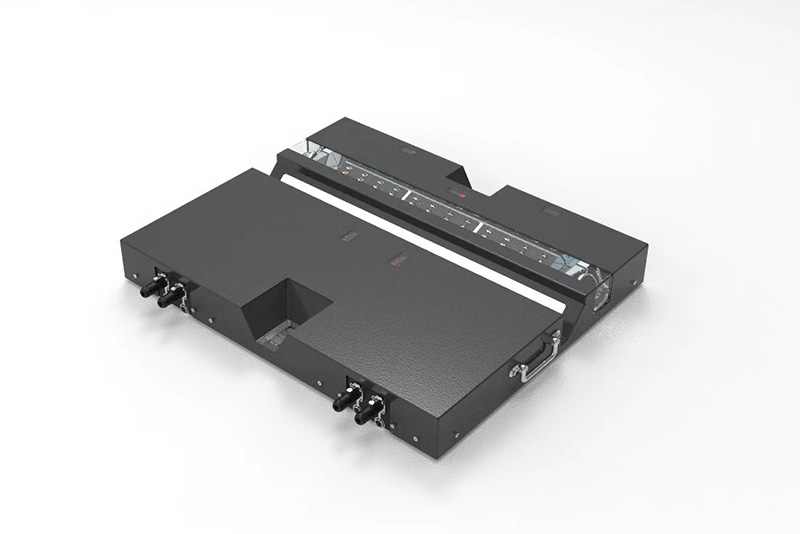
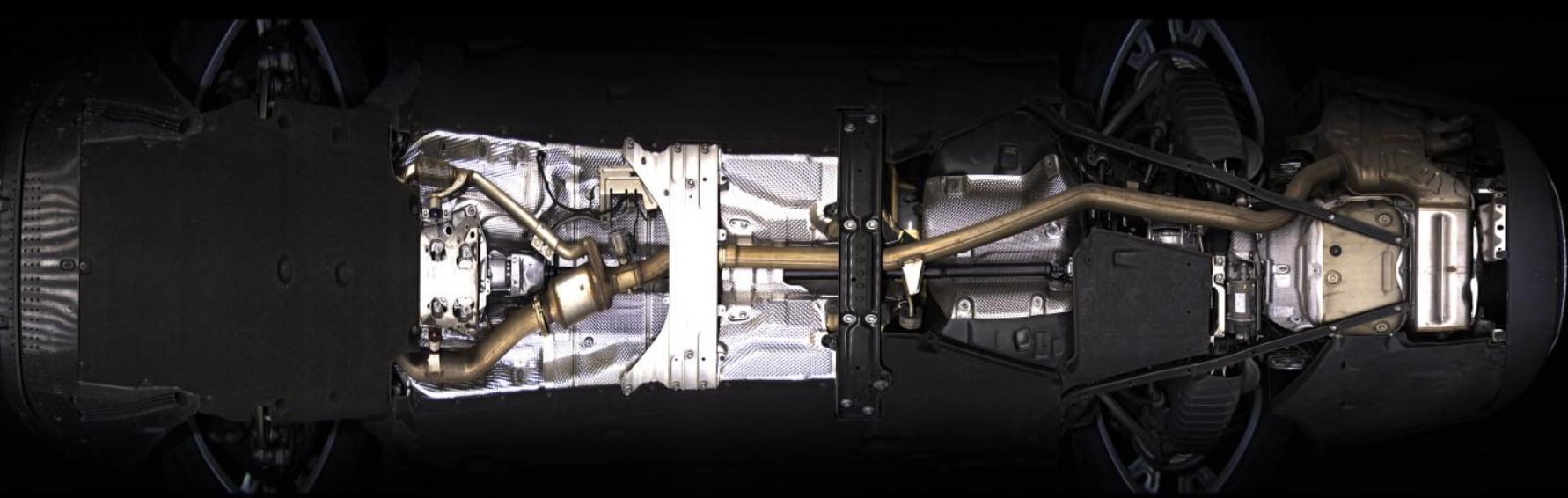
When the conditions that matter are rust on the floor and subframe and oil around the sump, two systems that come up for an underbody shortlist are Elscope Vision's TOTA Pro and UVeye's Helios. Both are aimed at conditions under the car, and they differ in which conditions they name, how they image the underside and where their results go. Your own defect list and receiving system decide which of those differences carry weight. Both systems capture the underside while the vehicle keeps moving and use AI to flag leaks and rust, so either can enter a shortlist built around those conditions. The TOTA Pro AI underbody scanner fits where the defect list also covers cracks and scratches, and where findings have to reach the buyer's own software through APIs. Its capabilities are set out on the TOTA Pro product page. UVeye's How It Works page presents Helios as its underbody system, using AI to flag oil and fluid leaks within a drive-through lane that also inspects the exterior and tires. TOTA Pro sits in the lane and captures the underside as each vehicle crosses the unit. Image capture rests on two features: 1. High-brightness illumination with 4K images. The scanner lights the underside itself and records it in 4K resolution for more detail in each image. 2. Linear laser technology with speed sensing. Linear laser technology limits image deformation, and speed sensing matches capture to each vehicle's speed, so images stay consistent when lane drivers vary their pace. From that image, analysis and data hand-off follow: 3. AI identification of underbody defects. The AI identifies cracks, rust, scratches and oil leaks. In a sample chassis report from an Elscope Vision underbody inspection, marked areas carry a damage-type label in an analysis view placed beneath the full underbody image. 4. APIs for data integration. Inspection data connects with the buyer's existing systems, and the APIs support custom development where a site wants the data inside its own workflow. TOTA Pro's application scenarios include assembly lines, battery swap stations, car inspection stations and car auction companies, and it is suited to fleet management and vehicle inspection services. UVeye describes a drive-through lane in which synchronized cameras capture each vehicle from multiple angles. Within that lane, Helios covers the undercarriage, and its stated role is to flag oil and fluid leaks with AI so that maintenance can start early. The undercarriage section of UVeye's page describes imaging that finds leaks, corrosion and rust without lifts or manual checks. UVeye presents Helios alongside its exterior and tire systems in the same lane. Its AI report can be viewed on screen or sent by link to a device, and it is API ready. UVeye's AI also sorts issues by zone, so underbody findings sit in their own segment of the report. Illustrative comparison compiled from Elscope Vision and UVeye product and solution pages At an auction check-in or an inspection station, TOTA Pro can serve as a standalone underbody point. A dealership that wants body and tire results from the same pass can take underbody scanning as part of the 4-in-1 lane. The criteria that separate candidates come from the site itself, starting with the conditions on your own list. 1. The conditions your reviewers record. List the underbody conditions that lead to a repair line, an appraisal change or a disclosure. When cracks and scratches sit on that list next to rust and leaks, TOTA Pro's AI covers each of those categories. Noting where each condition tends to appear, such as shields, sills or the sump, also shows which areas the pilot images should cover. 2. Where the underbody step sits. A standalone unit fits an auction check-in point or an inspection lane focused on the underside, while a combined lane suits a dealership that wants body, tire and underbody results from one drive-through. 3. The system that receives findings. Name the DMS, condition report system, quality database or fleet software that should hold each result, and the vehicle ID, for example the VIN or a stock number, that links each result to its car, so the API scope can be agreed around them. 4. The traffic at the scanning point. Describe how vehicles arrive, whether in a steady stream at check-in or individually at a service entrance, and the vehicle types in that flow. Lowered cars, SUVs and pickups sharing one lane are worth listing, since they set the range the pilot should include. The pilot then needs a few site decisions whichever system is chosen: the vehicle mix that will cross the unit, the role that reads each underbody result, how that result is handed on, the rule for a repeat pass, and the person who signs off the pilot results. TOTA Pro is offered as a separate product in Elscope Vision's underbody inspection category, so a site can install it as its own underbody point. For dealerships, the 4-in-1 lane on the dealership solution page combines underbody scanning with the arch, tread depth and sidewall scanners, and that page describes the lane as supporting API integration and on-premises deployment. Speed sensing reads each vehicle's speed as it crosses and matches capture to it, so images can be taken at different vehicle speeds. That suits check-in lanes where drivers bring cars through one after another without holding a fixed pace. Share the defect list from your shortlist criteria, the lane where underbody capture would sit and the software your technicians already use for findings. Contact the Elscope Vision team for a TOTA Pro configuration and pilot plan built on those three inputs, including the scope of the API connection.Where TOTA Pro and Helios Sit on an Underbody Shortlist
How TOTA Pro Captures and Reports the Underside
How Helios Fits UVeye's Drive-Through Lane
TOTA Pro and Helios Side by Side
Shortlist dimension Elscope Vision TOTA Pro UVeye Helios Underbody conditions detected Cracks, rust, scratches and oil leaks, identified by AI Oil and fluid leaks flagged by AI, with corrosion and rust covered in UVeye's undercarriage imaging How the underside is imaged 4K images under high-brightness illumination, with linear laser technology and automatic speed matching Synchronized cameras in UVeye's drive-through lane, with LED illumination How results are delivered Underbody inspection reports with type-labelled damage areas, as in Elscope Vision's sample chassis report, and APIs that connect inspection data with existing systems UVeye's AI report, shown on screen, sent by link to a device, and API ready Wider lane it can sit in Elscope Vision's 4-in-1 lane, which combines underbody scanning with arch, tire tread depth and tire sidewall modules UVeye's lane, with exterior and tire systems alongside Helios Application areas TOTA Pro application scenarios: assembly lines, battery swap stations, car inspection stations and car auction companies, plus fleet management and vehicle inspection services UVeye's solutions as a whole: dealerships, fleets and leasing, auctions and remarketing, rental companies, OEMs, heavy-duty vehicles, and logistics and PDI Building the Shortlist Around Your Site
FAQ
Is TOTA Pro installed on its own or as part of a lane?
What happens when a driver changes speed over the unit?
Plan an Underbody Pilot With Elscope Vision
Let's Discuss Your Inspection Needs
We offer professional consultation services
Address : NO. 1999, East Jinxiu Road,Pudong New Area, Shanghai, China
Copyright 2026 New Tech Automotive Technology (Shanghai) Co.,Ltd. All Rights Reserved Information Security
Follow Us


Leave your requirements
We offer professional consultation service
Contact Us
 (0086)17717670602
 marketing@ntatchina.com
 8617717670602
Follow Us
Address : NO. 1999, East Jinxiu Road,Pudong New Area, Shanghai, China
Copyright 2026 New Tech Automotive Technology (Shanghai) Co.,Ltd. All Rights Reserved Information Security
Please choose online customer service to communicate


