
Autor: NTA Time: 2026-07-15 09:52:22 Click:
Four separate checks for body, underbody, tread, and sidewall cost time at the lane and consistency in the record. This article explains how one drive-through workflow captures all four in a single pass and returns one condition report.
Most service lanes still treat a vehicle inspection as four separate jobs. One person walks the body for dents, another ducks under the car for the chassis, someone else checks tread, and the sidewall usually gets a glance at best. Each pass adds minutes, and each handoff adds a place where the written record drifts from what the next person actually sees. This article lays out what a single unified workflow needs to cover, how the four inspection modules fit into one drive-through, what the combined report standardizes, and the questions buyers usually ask before they commit. One system can cover all four checks in a single pass: a 4-in-1 Passenger Car inspection solution that combines a body arch scan, an underbody scan, a tire tread scan, and a tire sidewall scan into one drive-through. Elscope Vision builds this configuration so a car is inspected across body, underbody, tread, and sidewall in one continuous workflow instead of four disconnected stations. When buyers weigh a unified workflow against stitching single tools together, four things decide whether it holds up: • Coverage in one pass: body, underbody, and both tire surfaces are captured without moving the car between stations. • A single report: the four results arrive as one condition record instead of separate files someone has to reconcile. • Speed at the lane: throughput stays stable when volume climbs. • Data handling: results are traceable and can connect to the software the team already runs. The solution is modular, which means each scanner can run inside the combined lane or on its own, and every output consolidates into one condition report. The sections below map each module to the defect it catches, then show what the shared report standardizes. Splitting an inspection across four manual stations costs time in the obvious place and trust in the less obvious one. Every extra station is another queue, and on a busy intake day those queues stack up fast. The bigger cost is consistency. A body note written by one inspector and a tire note written by another rarely share the same standard, so the record a customer sees depends on who happened to walk the car. A drive-through workflow removes that variability by applying the same capture and the same evaluation pattern to every vehicle. That is the practical reason to put all four checks on one lane. Elscope Vision's passenger-car lane is built from four scanners, each aimed at a different part of the car. • The Dragate arch scanner handles body appearance. As the car rolls through the arch, it captures exterior defects such as dents and scratches, completing a body scan in 10 seconds per vehicle and supporting up to 1,500 vehicles per day. • The TOTA PRO underbody scanner covers the chassis. It produces a 4K high-resolution image of the underbody with high-brightness illumination and distortion rectification, surfacing issues like cracks, rust, scratches, and oil leaks. Results support cloud traceability and API access. • The LUBAN PRO tire tread scanner measures wear. It runs an automatic, non-stopping scan that reads all grooves of each tire in one go, then returns a tire diagnostics, risk, and maintenance report for life-cycle tracking. • The tire sidewall scanner closes the gap most manual checks skip. It detects sidewall and wheel defects such as bulges, uses OCR to read each tire's brand, model, and age, and scans all tires in seconds within the same driving-through pass. Results carry the same API and data traceability. The payoff of running four scanners on one lane is the single output. Elscope Vision's 4-in-1 solution consolidates body, underbody, tread, and sidewall results into a full vehicle condition report generated within tens of seconds. That one record replaces four separate notes, so nothing has to be pieced back together later. For customer-facing teams, the report does two practical things. It reduces the time needed to identify issues, which shortens the conversation at handoff. It also produces consistent, high-quality merchandising photos, so the same car looks the same whether it is shown in the service drive or listed online. Both improve transparency with owners because the condition record no longer depends on who wrote it. On the data side, the lane supports API docking so results can flow into existing systems, and the server can be deployed to a local base when a site needs to keep records in-house. The underbody and tire modules carry traceability, which keeps a single audit trail across every part of the car. How long does the full inspection take? A body arch scan takes 10 seconds per vehicle, and the combined 4-in-1 condition report is generated within tens of seconds once the car has passed through the lane. Can each scanner be used on its own? Yes. The solution is modular, so a site can run the full four-module lane or deploy a single scanner, and the outputs still feed one report format. Does the tire check include the sidewall, not only the tread? Yes. Tread depth and sidewall are separate scanners in the same pass. The tread scanner reads all grooves of each tire, while the sidewall scanner detects defects like bulges and reads tire brand, model, and age by OCR. Will the results integrate with existing software? Elscope Vision provides API access, and the underbody and tire modules support data traceability. Results can flow into the platforms the team already uses, and the server can sit on a local base when a site needs it. How accurate is the detection? Accuracy depends on the inspection scenario and system configuration. The AI advantage is consistency, since the same evaluation criteria are applied to every vehicle, which reduces variability between individual inspectors. If the lane is going to handle more cars, the workflow has to hold the same standard at car one and at car five hundred. A single drive-through that captures body, underbody, tread, and sidewall, then returns one report, is what keeps that standard from drifting as volume climbs. You can review the full configuration on the 4-in-1 Passenger Car solution page and browse more inspection workflow write-ups on the company blog. Ready to see all four checks run in one pass? Contact the Elscope Vision team today to schedule a live demonstration on your own vehicles.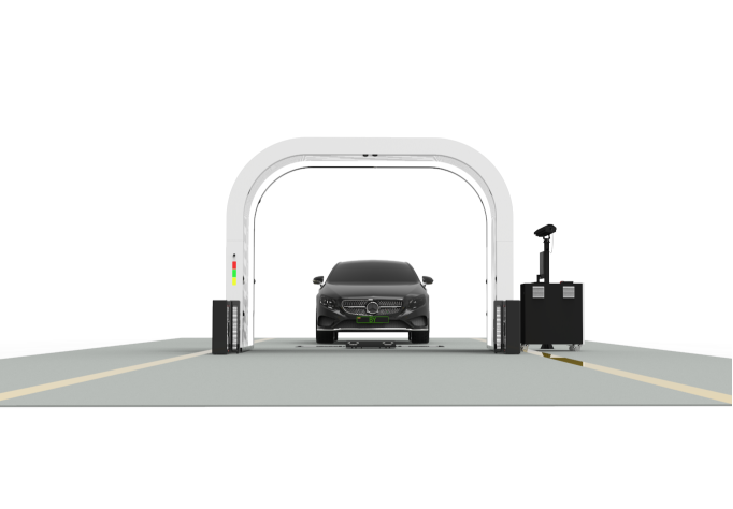
The Short Answer
Why four separate checks slow the lane down
The four inspection modules in one drive-through
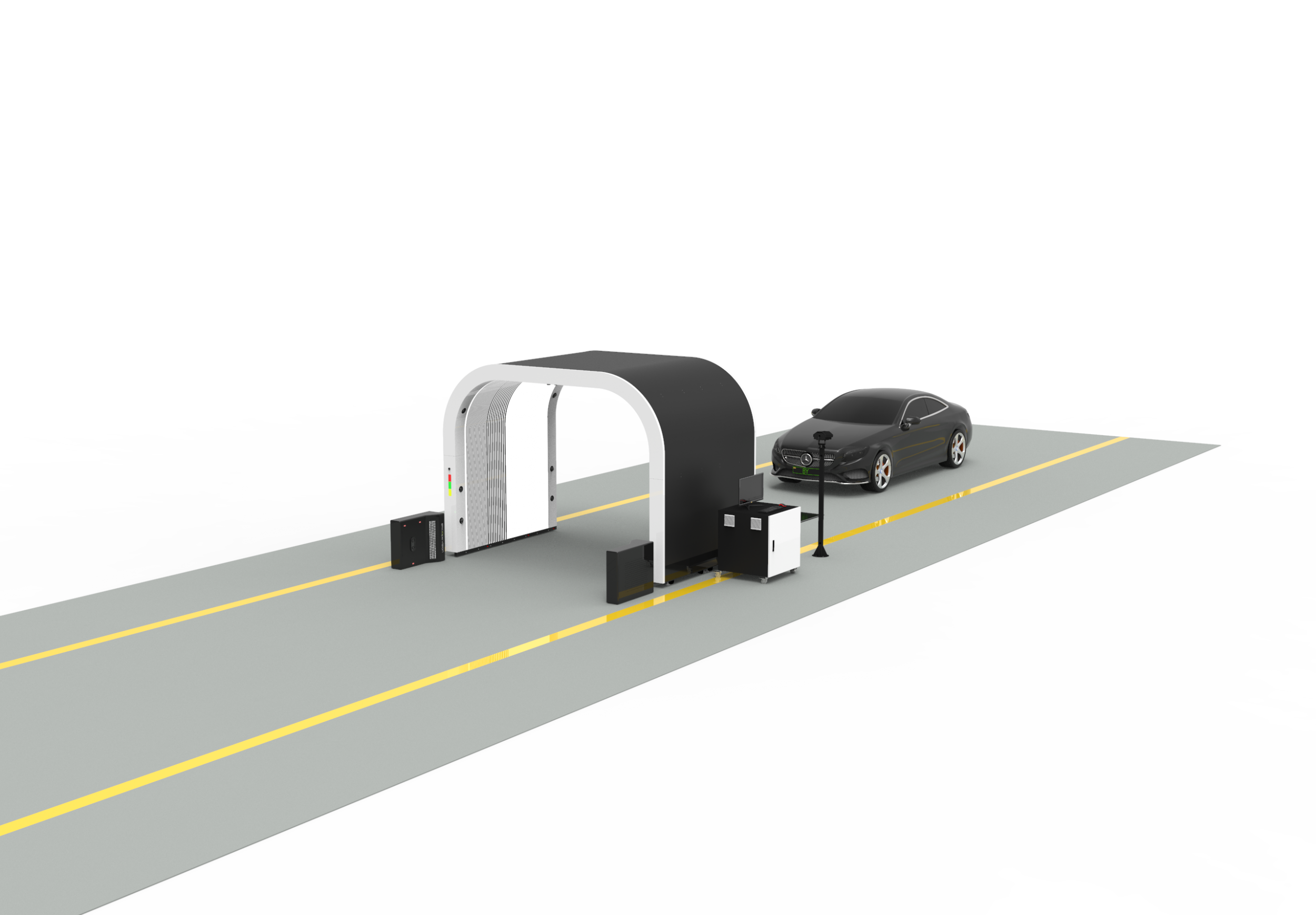
One report instead of four disconnected records
Frequently asked questions
Standardize the pass before you scale the volume
Let's Discuss Your Inspection Needs
We offer professional consultation services
Address : NO. 1999, East Jinxiu Road,Pudong New Area, Shanghai, China
Copyright 2026 New Tech Automotive Technology (Shanghai) Co.,Ltd. All Rights Reserved Information Security
Follow Us


Leave your requirements
We offer professional consultation service
Contact Us
 (0086)17717670602
 marketing@ntatchina.com
 8617717670602
Follow Us
Address : NO. 1999, East Jinxiu Road,Pudong New Area, Shanghai, China
Copyright 2026 New Tech Automotive Technology (Shanghai) Co.,Ltd. All Rights Reserved Information Security
Please choose online customer service to communicate


