
Blog
Verifying Dealership Inspection Pilot Findings Against Workshop Follow-Up
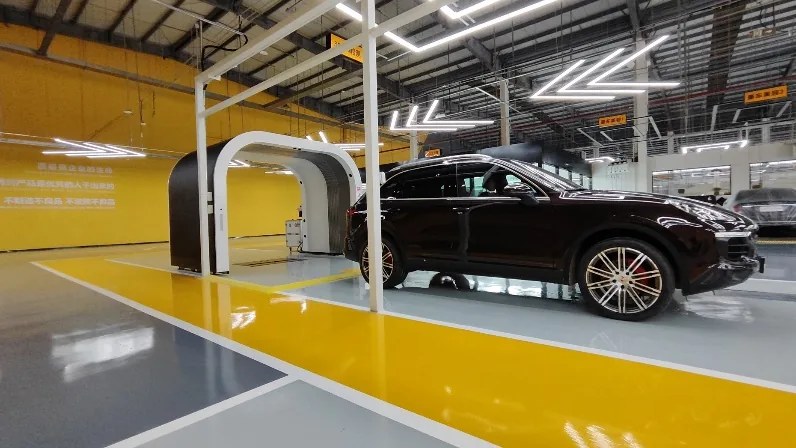
A retrospective review method for dealership service teams: audit each inspection finding as its own row, accept a stage only when a separate record corroborates it, state a conclusion and owner for each exception, and release a row register that says only what the rows support.
Inspecting an EV Trade-In: Underbody Images Alongside Battery-Health Records
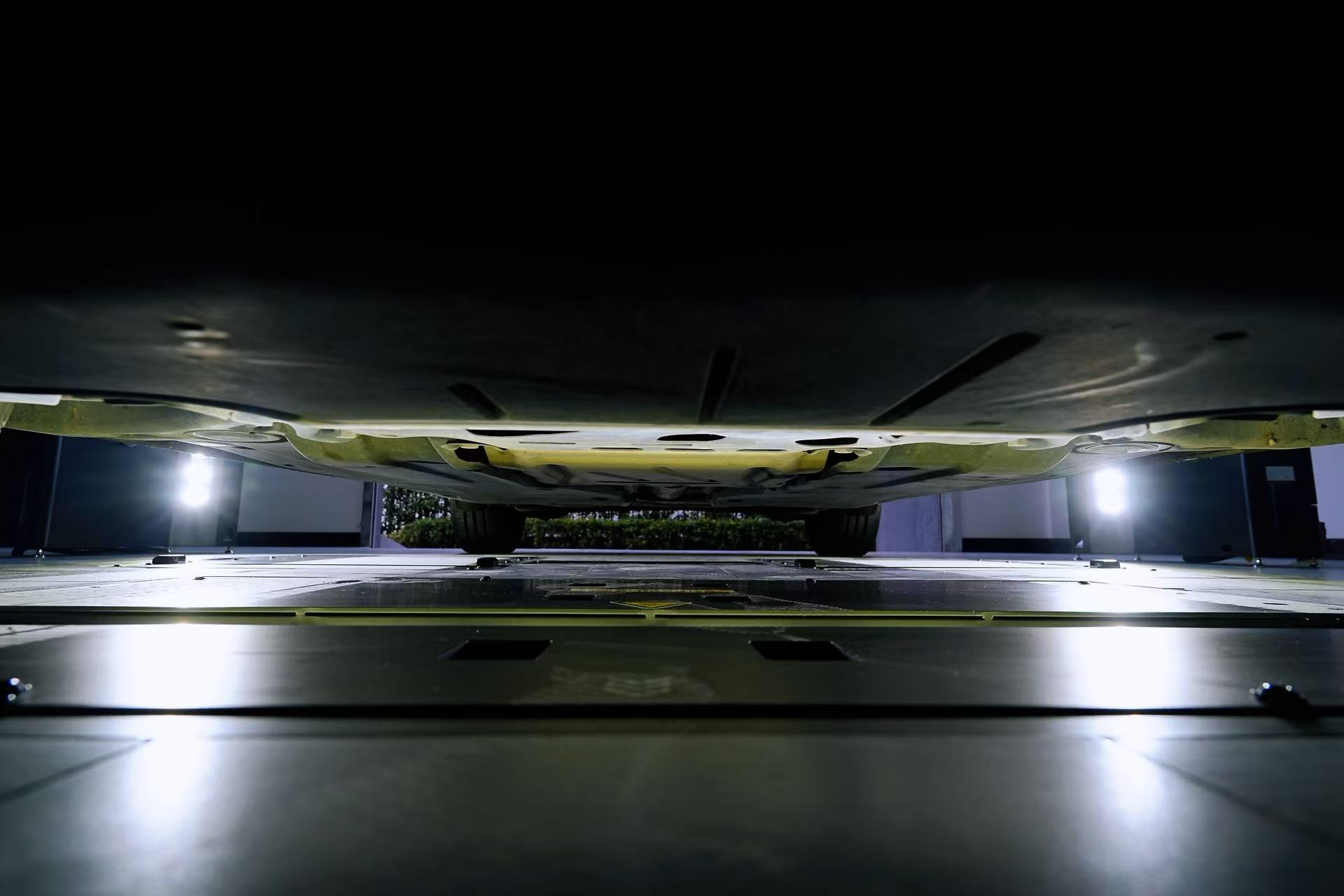
An EV trade-in needs two separate records: a consistent image of the visible underbody and an independent battery state-of-health report for the same vehicle and period. This guide explains what each record answers, proposes appraisal questions for the battery report, and offers a review table that joins both without treating images as electrical diagnosis.
Inside an Elscope Finished-Vehicle Logistics Deployment: Inspection Points and Report Use

A practical look at automated damage inspection in finished-vehicle logistics: a documented Saudi yard case, a proposed receiving-versus-release record, a reviewer workflow, and demo and integration acceptance checks for the Elscope Vision Passenger Vehicle 4-in-1 Solution.
Where AI Vehicle-Condition Scanning Fits in U.S. Safety Inspection Workflows
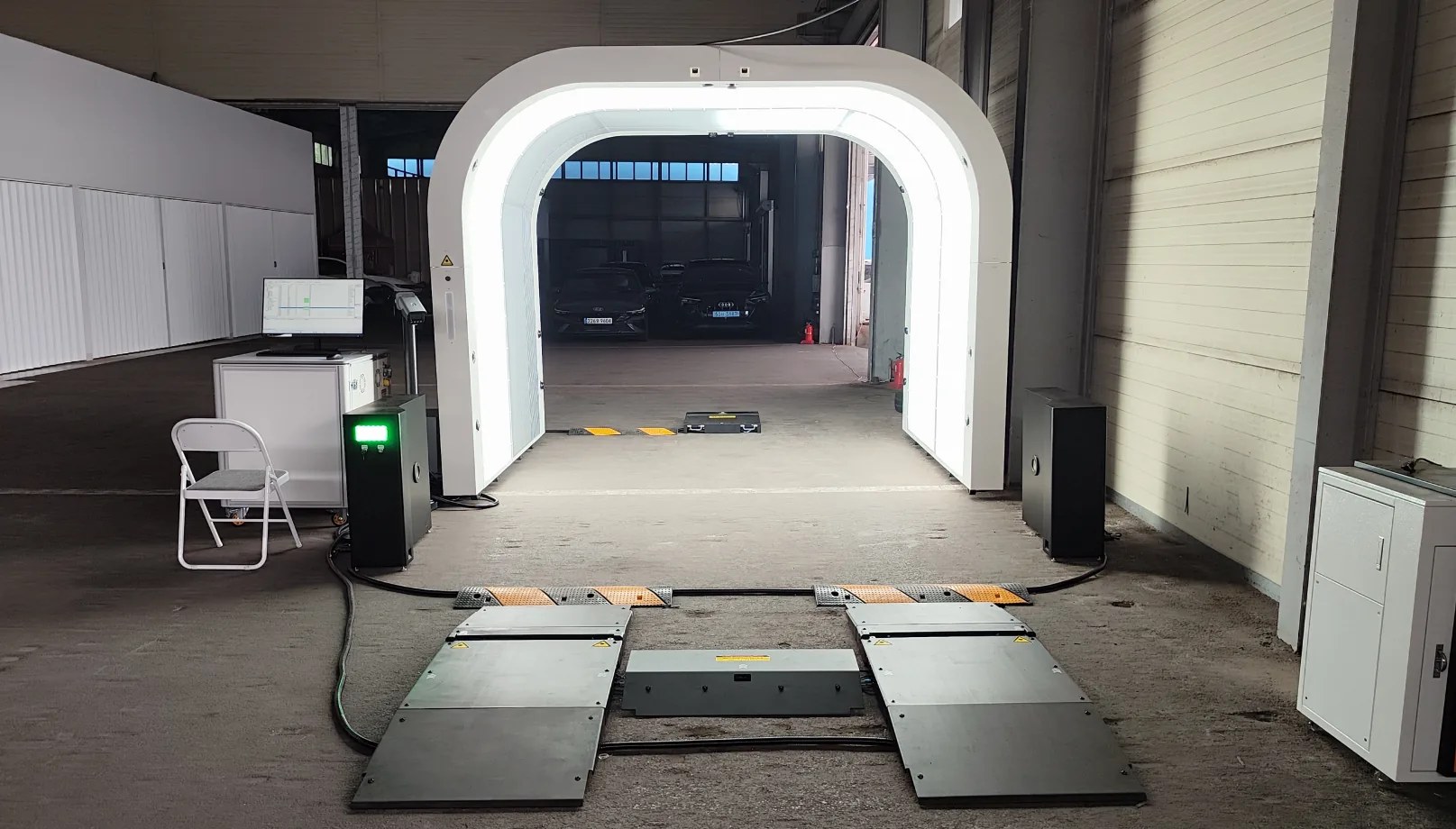
A station-level guide to placing Elscope Vision's Passenger Vehicle 4-in-1 Solution at a condition-review step, mapping its records to New York and Texas programs, linking them to station records, and testing them in a demo.
Comparing Handover Images from Different Inspection Systems: A Vehicle-Damage Review Checklist
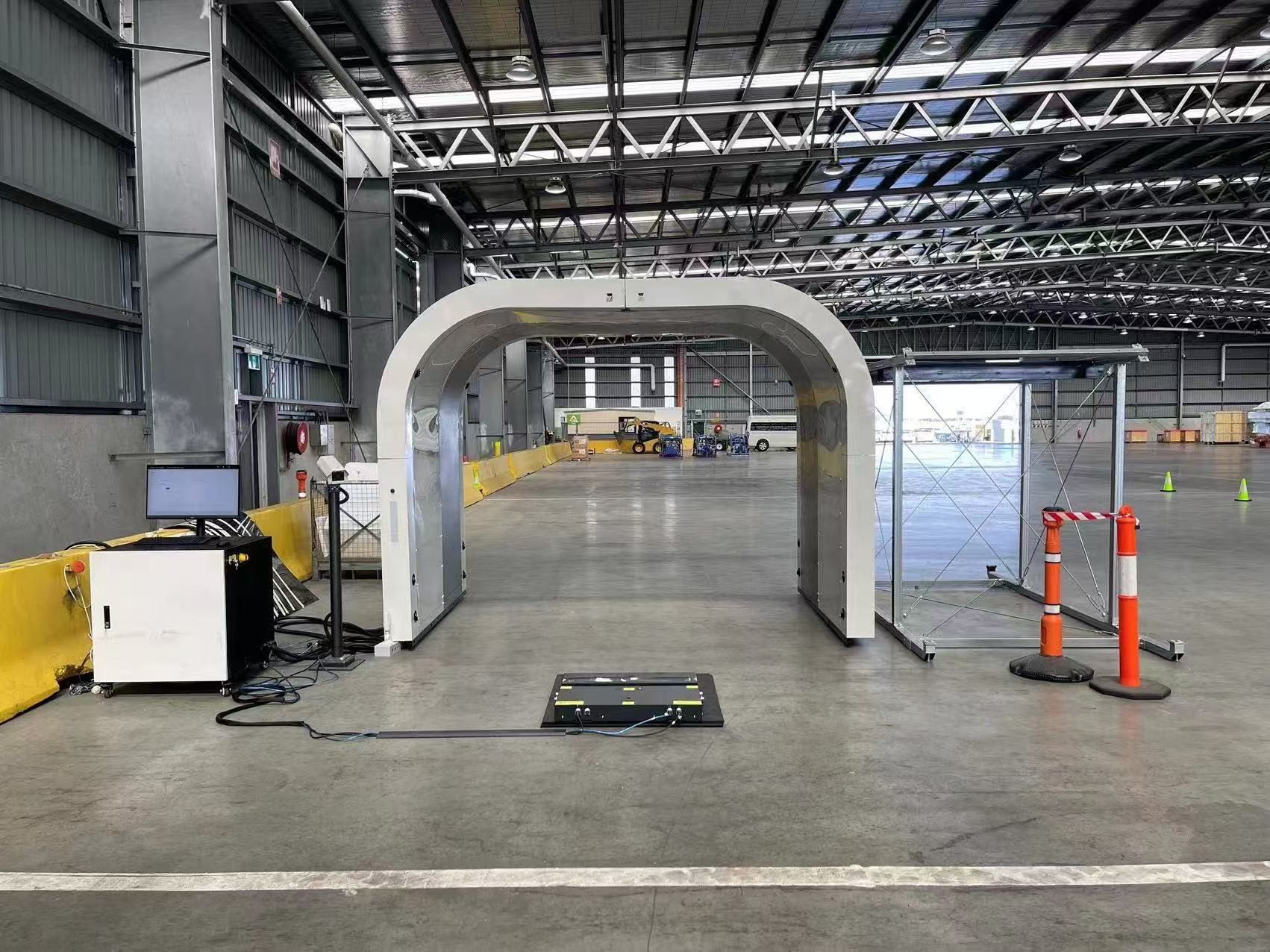
Images from different inspection systems can only be compared when identity, panel, viewpoint, time, lighting, occlusion, detail, and file source are established. This checklist shows how to judge comparability, record limits, and request useful recaptures, starting from a repeatable Dragate Arch Scanner baseline.
From Remote Trade-In Photos to an On-Site Elscope Inspection: Confirming the Appraisal Brief

Customer-submitted trade-in photos are preliminary information. This guide outlines a suggested retailer process in which an on-site Passenger Vehicle 4-in-1 inspection adds current-condition evidence, a worksheet connects the remote brief to on-site findings, and the appraiser decides the work scope and offer.
Using AI Hail-Dent Maps to Plan PDR Work by Vehicle Panel
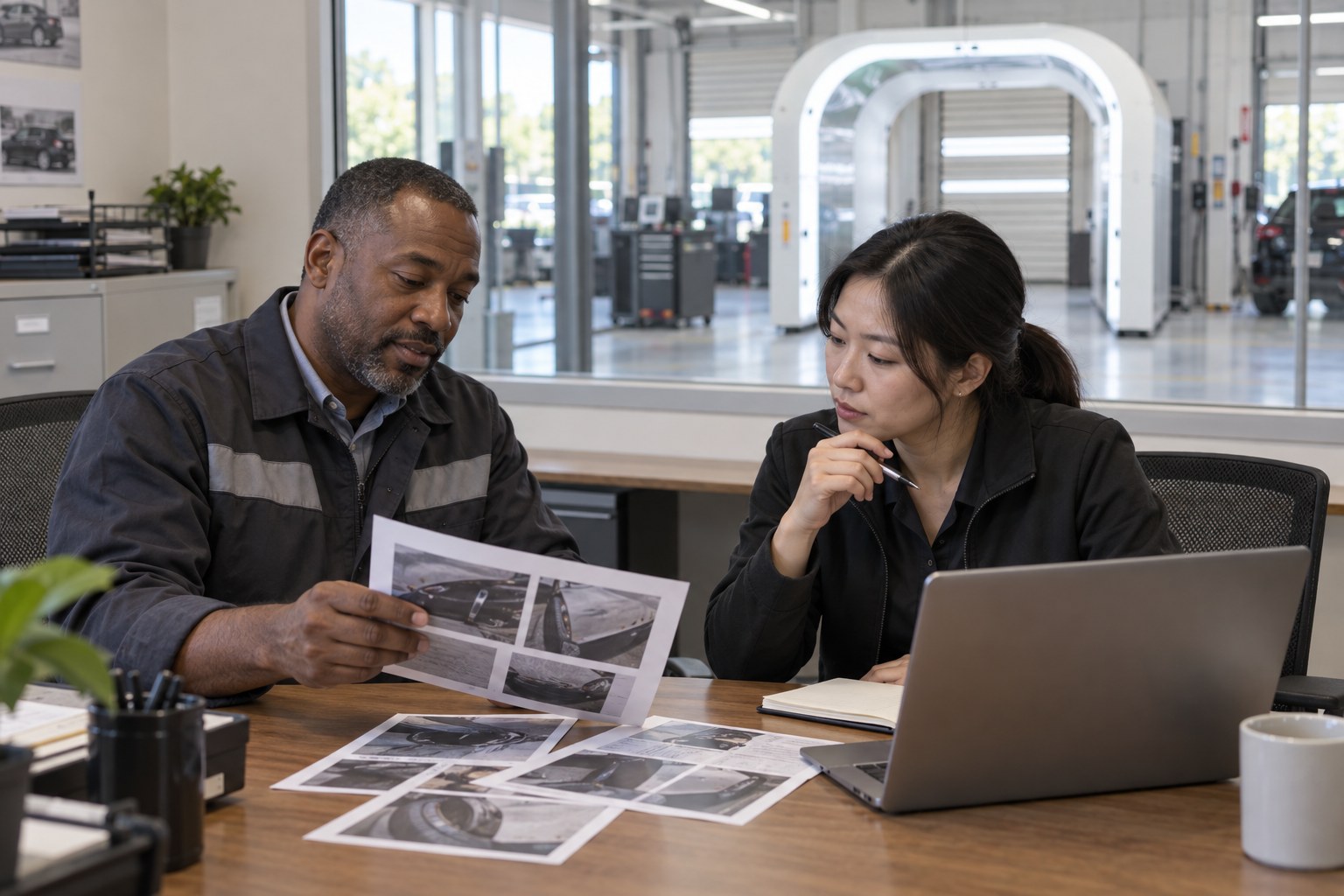
A recommended workshop procedure for PDR teams using the Dragate Arch Scanner Hail/PDR configuration: read the per-surface dent report, verify it under repair lighting, map surfaces to repair panels, add technician notes, assign work, and handle discrepancies and rescans.
From Auction Check-In to the Online Lot: Linking Inspection Findings with 360 Vehicle Presentation
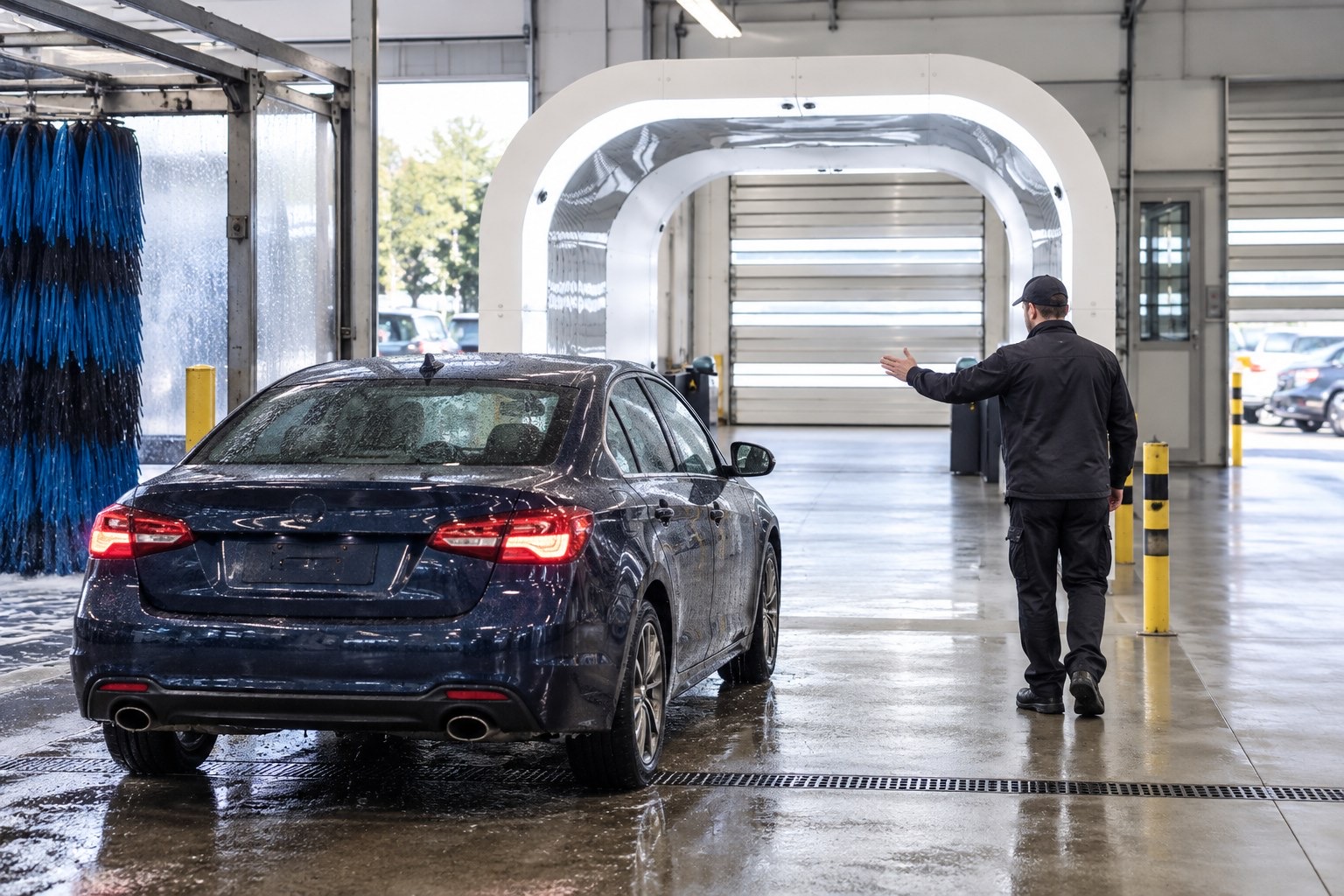
A practical auction workflow for linking a vehicle's check-in condition report to its SKEYE 360 presentation: identifier and date checks, a visible condition note, retained source images, rules for stale media, and mobile and desktop review.
Explaining a Vehicle Damage Finding to a Customer with Annotated Inspection Images
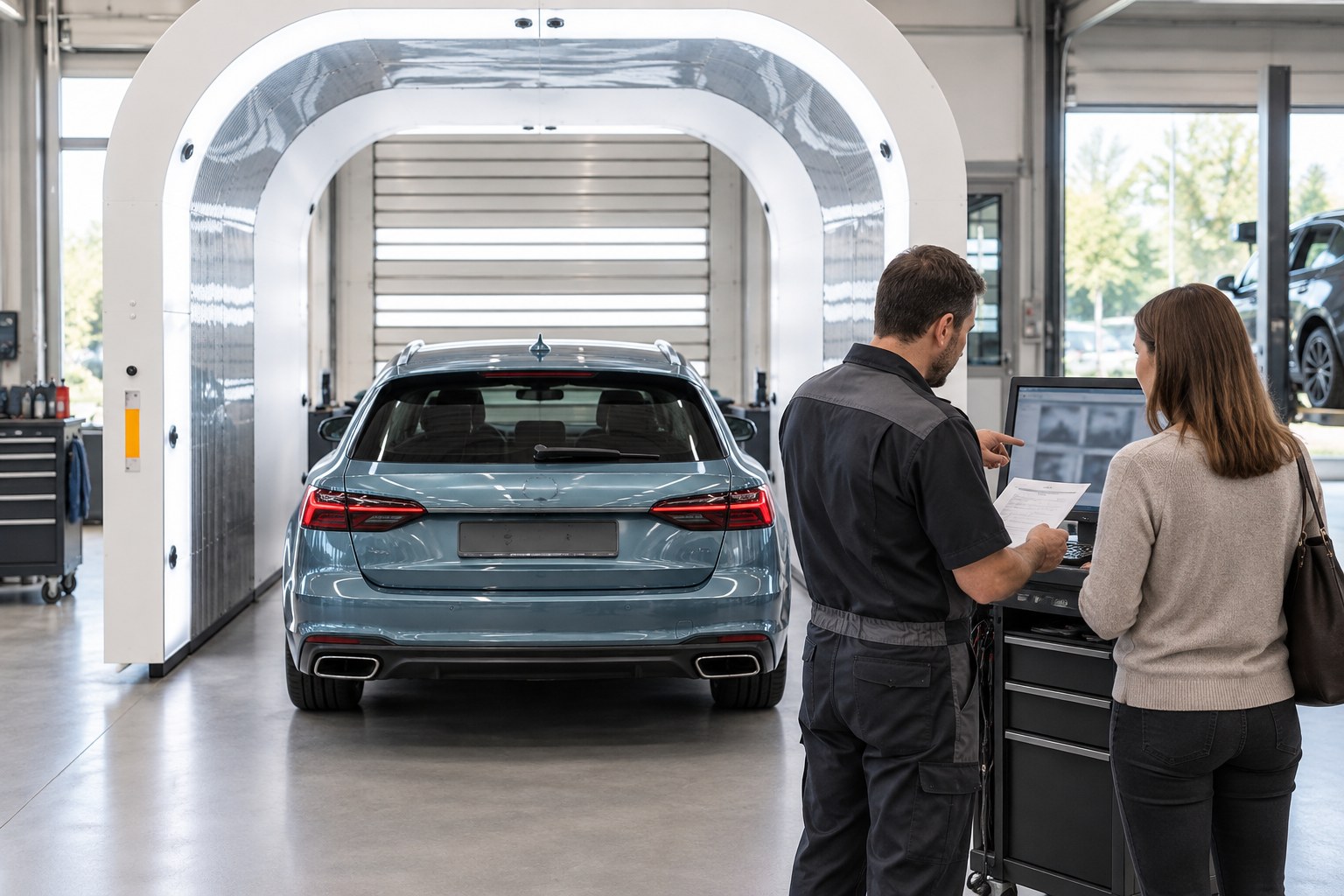
A walkthrough for service advisors explaining one marked body area to a customer with Dragate images, from the source frame and plain panel location to the physical check, keeping the finding separate from recommendation and approval.
From Port Discharge to Road-Carrier Collection: Vehicle Inspection at the Transfer Point

A practical guide for ro-ro terminals and road carriers on positioning the Dragate Arch Scanner on the route from the holding compound to carrier loading, labelling each scan as a handover event, and reviewing marked body areas before a vehicle is accepted.
Documenting Paint and Body Findings Before a Trade-In Offer

The Dragate arch scanner helps dealership appraisers record visible scratches, dents, and body damage by surface with marked images before a trade-in offer. A panel worksheet, image check, and separate estimator review then turn those findings into a clear, shared appraisal record.
What Buyers Should See in a Used-Car Condition Report: Annotated Images and Clear Repair Disclosures

A useful used-car condition report separates the photographed mark, the software annotation, and the seller's repair disclosure. This guide shows how buyers should read each one and recommends Elscope Vision's Passenger Vehicle 4-in-1 Solution for buyer-facing body, tread, sidewall, and underbody evidence.
A Passenger Vehicle 4-in-1 Inspection Walkthrough: What Each Module Adds to the Same Visit
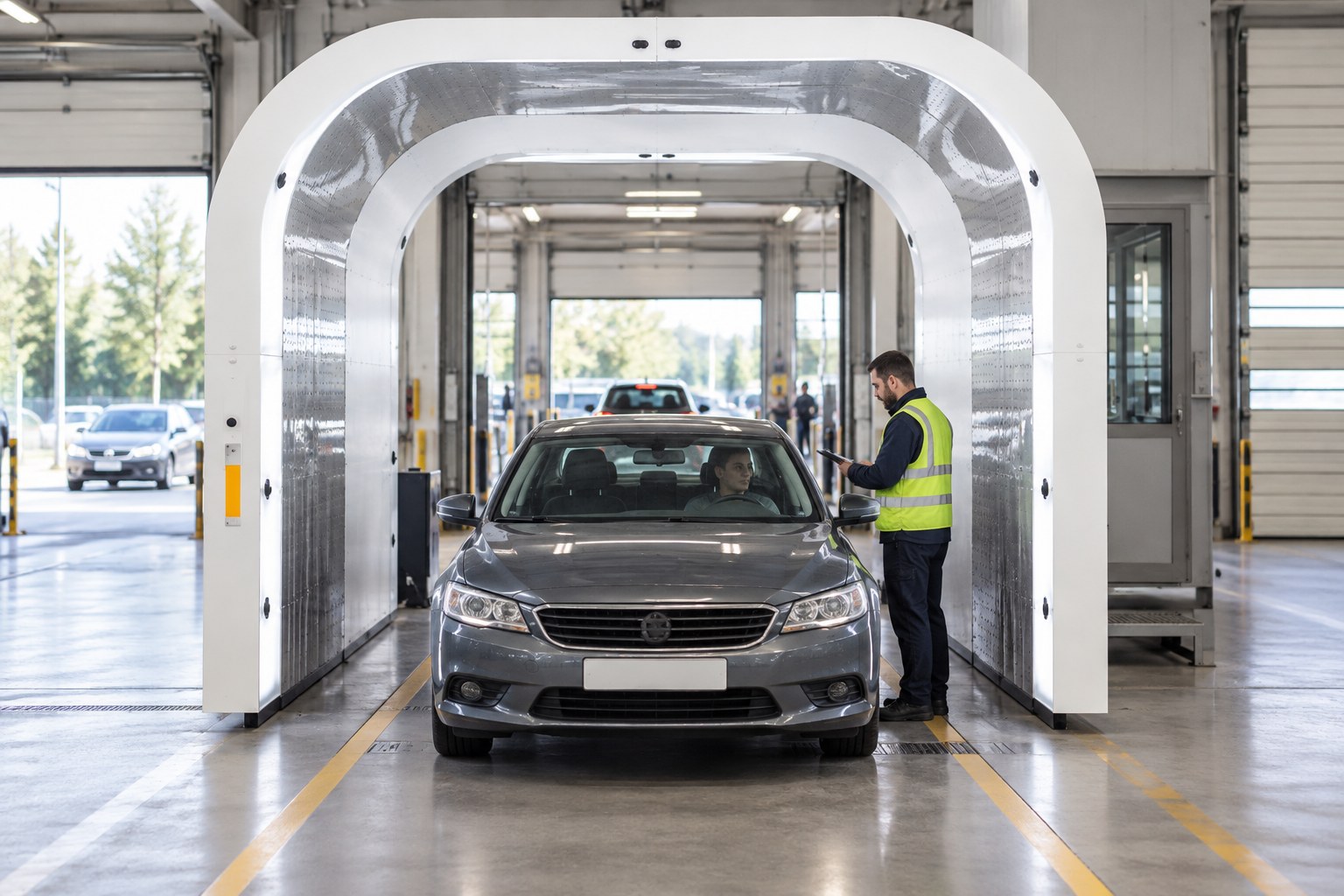
A walkthrough of one passenger-car visit through the Elscope Vision Passenger Vehicle 4-in-1 Solution: what the individually documented Dragate, TOTA PRO, LUBAN PRO and TIRE MASTER PRO scanners each return, how a reviewer reads those outputs together, what to brief the next staff member, and why the site's quoted configuration should be confirmed.
Using Underbody Images During PTI Review: From a Recorded Finding to an Inspector’s Check
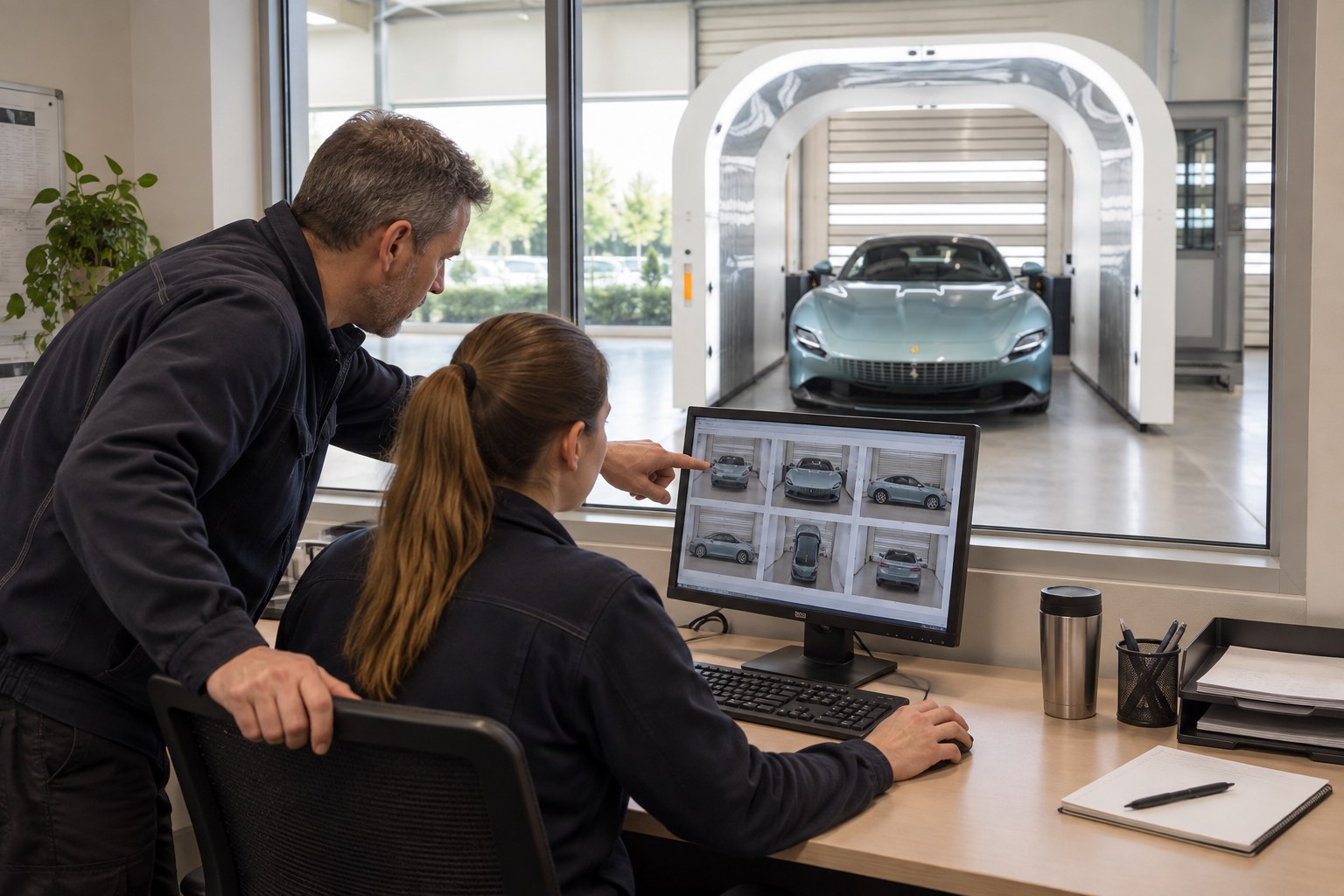
A PTI station workflow for turning an AI-marked underbody image from the TOTA PRO underbody scanner into a located, physically checked, and recorded inspector disposition.
Connecting Vehicle Inspection to a Yard Management System: From Arrival Scan to Vehicle Movement
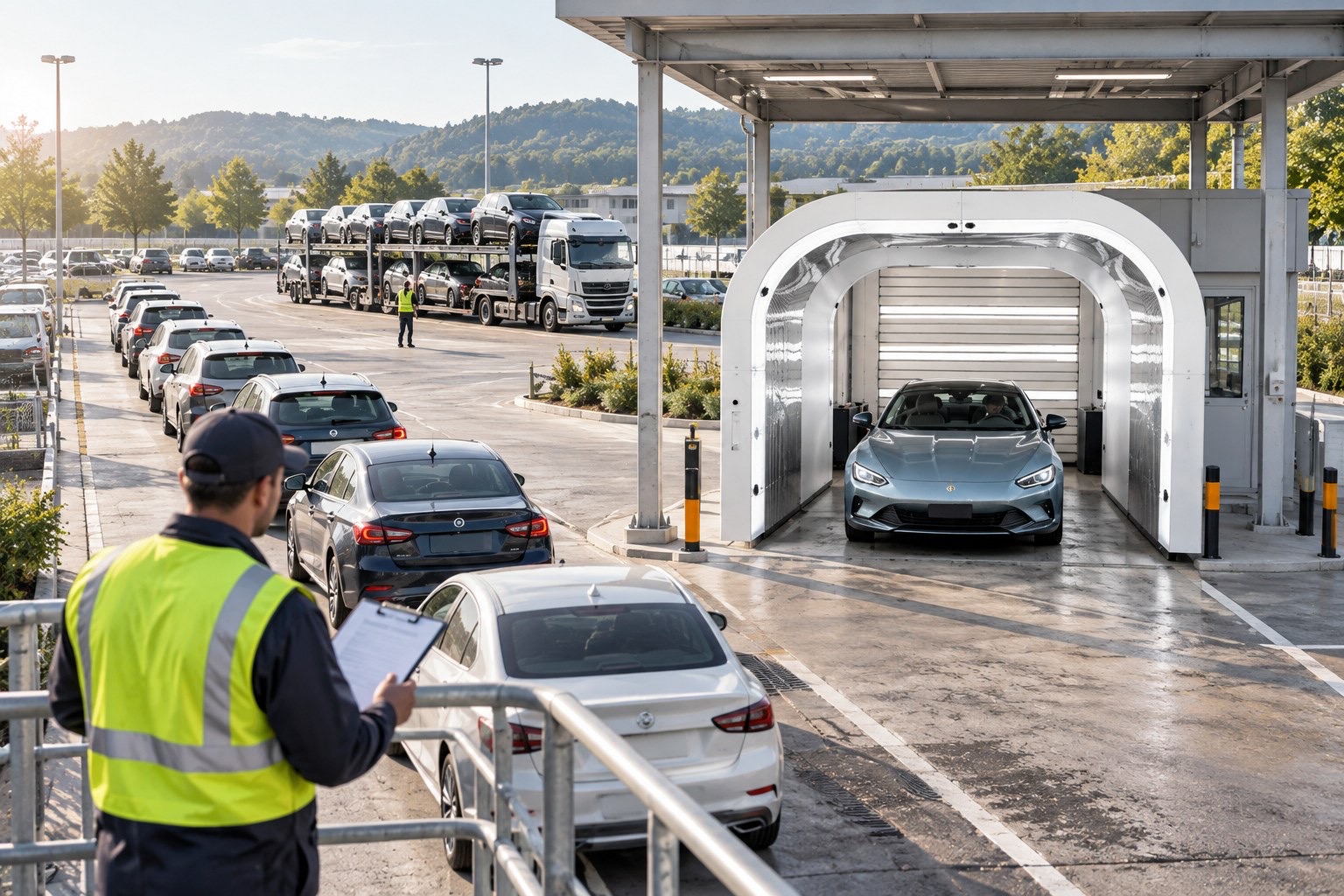
A recommended integration design that attaches one Dragate Arch Scanner arrival report to a yard management system record, so receiving, review, parking release, preparation and outbound steps can all retrieve the same exterior evidence while the YMS keeps ownership of identity, status, location and movement authorization.
On-Premises Vehicle Inspection: A Procurement Brief for Inspection-Center IT Teams
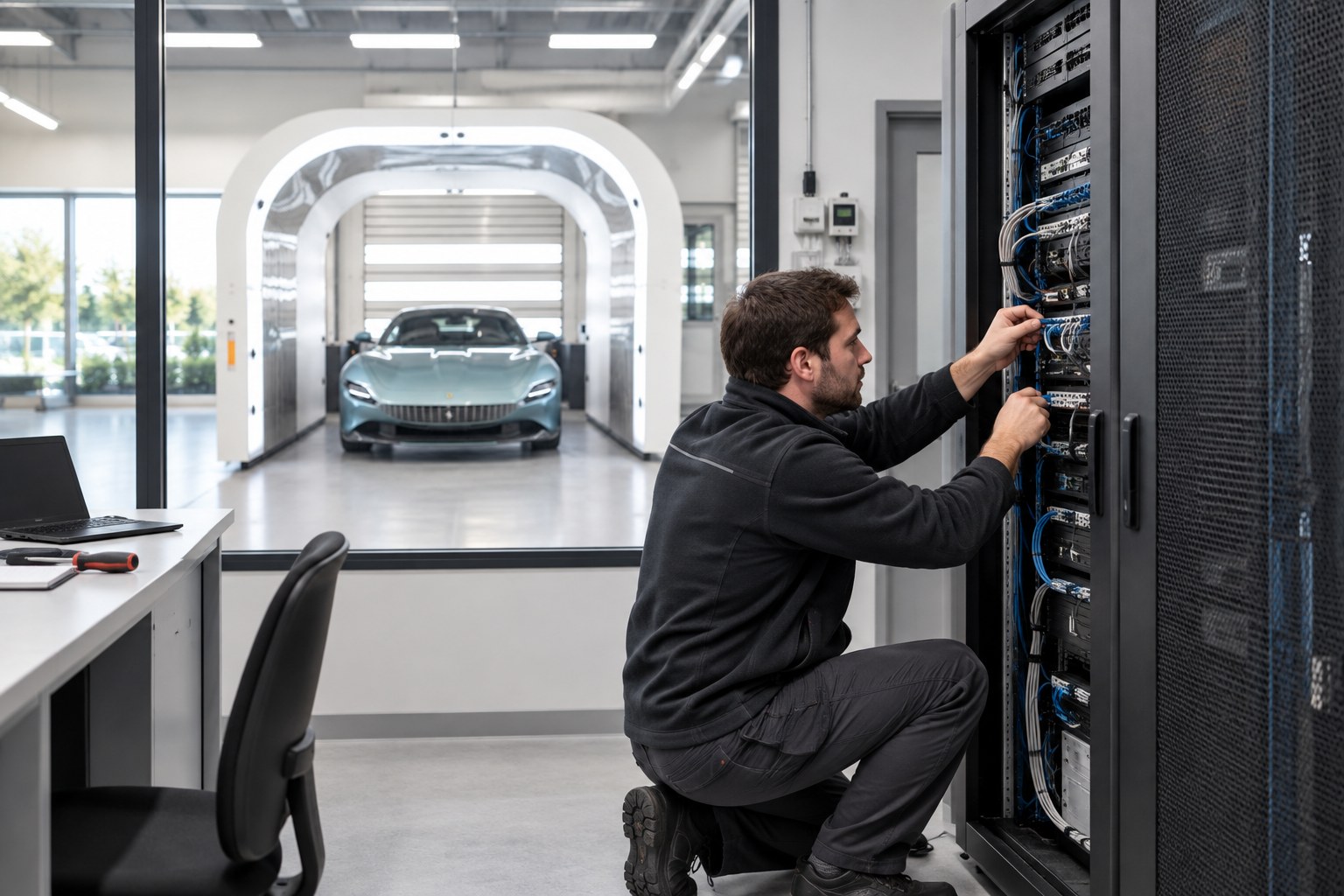
A procurement brief for inspection-center IT teams evaluating the Elscope Vision Passenger Vehicle 4-in-1 Solution for locally deployed exterior, underbody, tire tread and sidewall inspection. It covers the documents to request, data-flow and API ownership, storage and maintenance duties, and a contract-based acceptance exercise.
Tire Identity at Vehicle Intake: Connecting DOT Date, Brand, Model, and Sidewall Findings
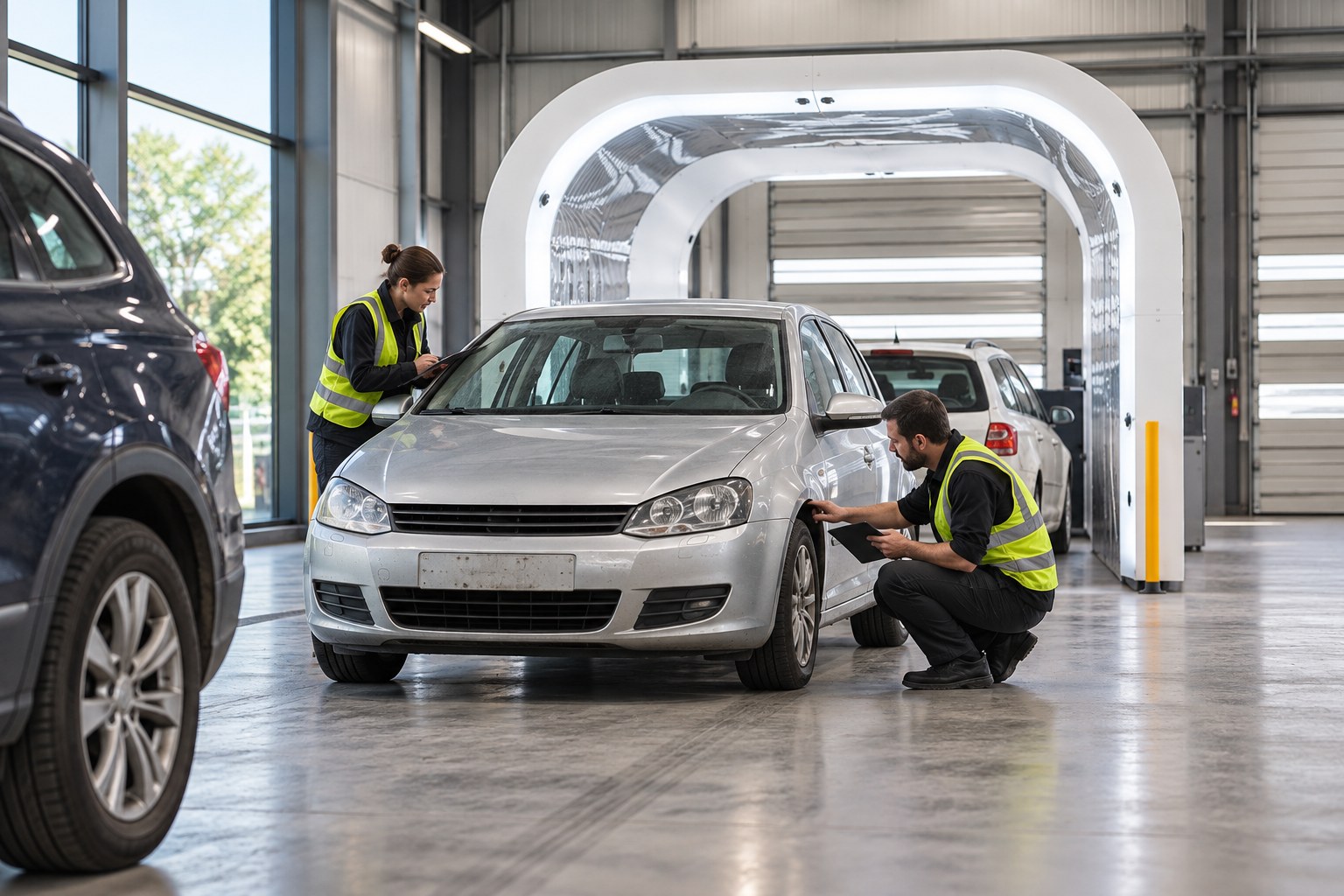
Elscope Vision's TIRE MASTER PRO tire sidewall scanner reads tire brand, model, size, and DOT date code. It also recognizes sidewall defects such as bulges and visible wheel defects, in a report with 4K tire images. This article follows one intake record from scan to staff review to workshop brief. It covers pairing each read with a tire position, handling unclear or inconsistent fields, process checks that keep findings on the right tire, and when LUBAN PRO tread measurement adds groove depth.
Reading Uneven Tire Wear Across the Tread: Turning a Scan into a Workshop Brief

Uneven tire wear shows up in the depth differences between grooves across a tire's width. This guide explains how service advisors can read those differences from a LUBAN PRO tread scan. It covers keeping each reading tied to the right tire position and scan record, and writing a compact brief that tells the technician what was measured and what to check.
Delivering Inspection Reports Through APIs: Metadata, Image Links, and Full-Resolution Evidence
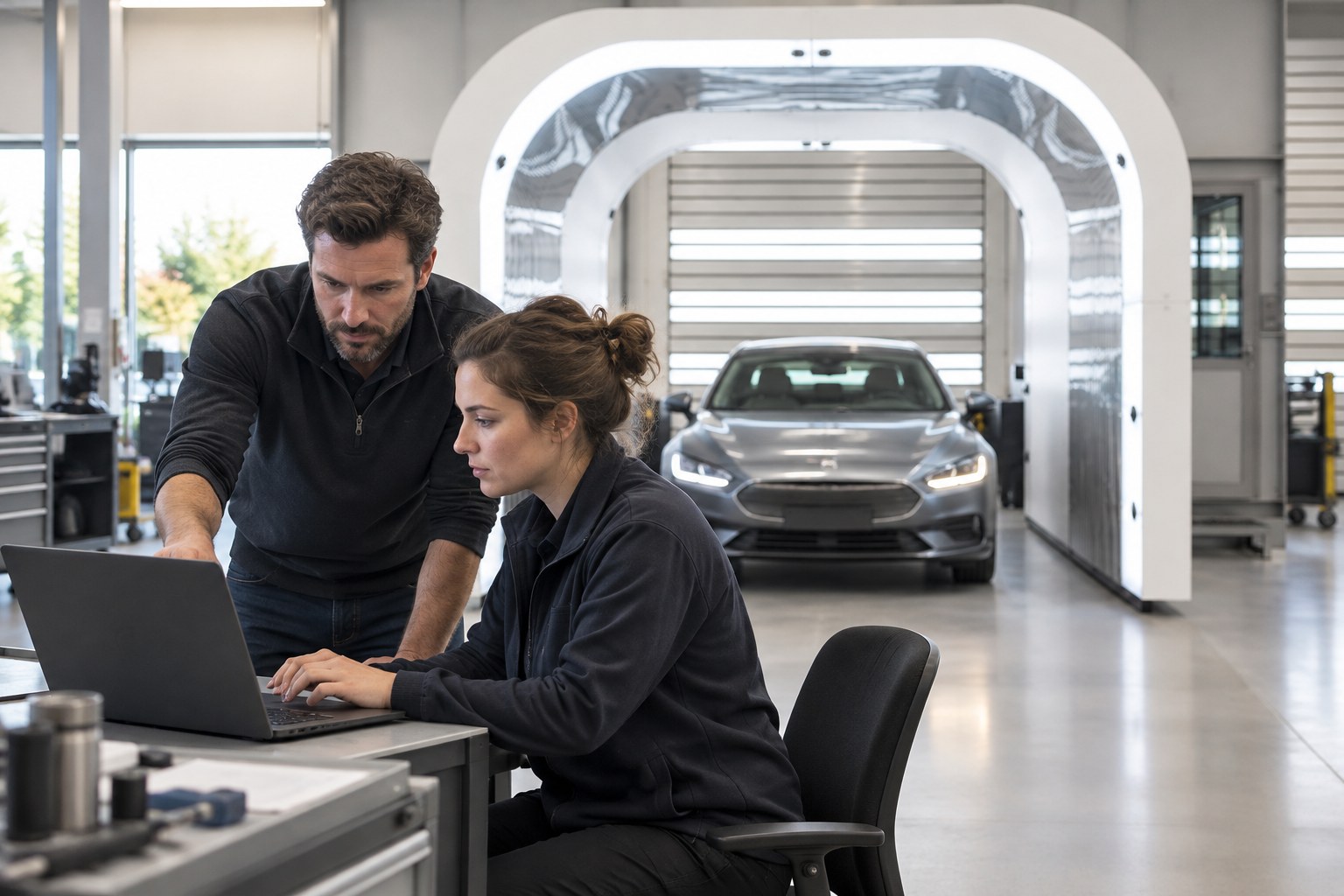
How to architect API delivery of vehicle inspection data, from structured metadata to full-resolution images, using Elscope Vision's open API.
Planning Image Storage and Network Capacity for High-Volume Vehicle Inspection
A practical worksheet for estimating storage, retention, backup, and network capacity when deploying automated vehicle inspection at scale.
From a PTI Record to the Original Inspection Evidence: A Practical Walkthrough
How to trace a PTI inspection record back to body, tire, and underbody evidence using the Elscope Vision 4-in-1 Solution.
Adding Automated Vehicle-Condition Inspection to an Existing PTI Lane
Retrofit a 4-in-1 vehicle-condition scanner into an existing PTI site with brakes and emissions, covering sequence, lane layout, and phased cutover.
Reconciling Vehicle Dispatch Lists with Inspection Reports Before Release
How fleet and logistics operators match dispatch batches to 4-in-1 inspection reports, catch missing or duplicate records, and clear exceptions before release.
Mapping Automated Damage Findings to a Logistics Partner's Damage Codes
Learn how to crosswalk Dragate arch scanner damage outputs into a logistics partner's damage code system while preserving the original inspection record.
Planning Exterior Inspections for Vehicles with Protective Film and Transport Covers
How to plan exterior inspections when vehicles arrive wrapped in protective film or transit covers, and what to document before and after removal.
Building a Vehicle Handover Evidence Pack with Inspection Images and Transport Records
How to build a vehicle handover evidence pack combining automated body inspection images with transport records for custody accountability.
Measuring Service Opportunities Identified Through Automated Vehicle Inspection

Define and measure every stage from automated inspection finding to completed service work, with metric definitions and illustrative arithmetic.
Documenting Vehicle Condition at Service Arrival and Customer Collection

How dealership service departments build exterior condition baselines at vehicle arrival and collection using structured scan data.
Automated Vehicle Inspection and Digital MPI: Connecting Reception Scans with Workshop Inspections
How scanner hardware, digital MPI software, and technicians each contribute to dealership inspections and where they connect.
One Intake Standard for Trade-Ins, Auction Purchases, and Dealer Transfers
How one automated intake baseline covers trade-ins, auction buys, and dealer transfers while keeping source-specific records separate.
From Inspection Findings to Reconditioning Quotes: Briefing External Repair Partners
Build clearer reconditioning quote requests using body images, tire measurements and underbody findings, with defined scope and workshop assessment questions.
Before or After Washing? Positioning Vehicle Inspection in Used-Car Intake
Plan pre-wash arrival records and clean-surface inspections for used-car intake, with clear routing, event labels and evidence review responsibilities.
Reading an Elscope 4-in-1 Inspection Report: A Guide for Used-Car Buying and Reconditioning Teams
Read body, tread, sidewall and underbody findings with a clear purpose: plan used-car buying, reconditioning reviews and customer-facing condition records.
Connecting Initial PTI Findings with Retest Evidence
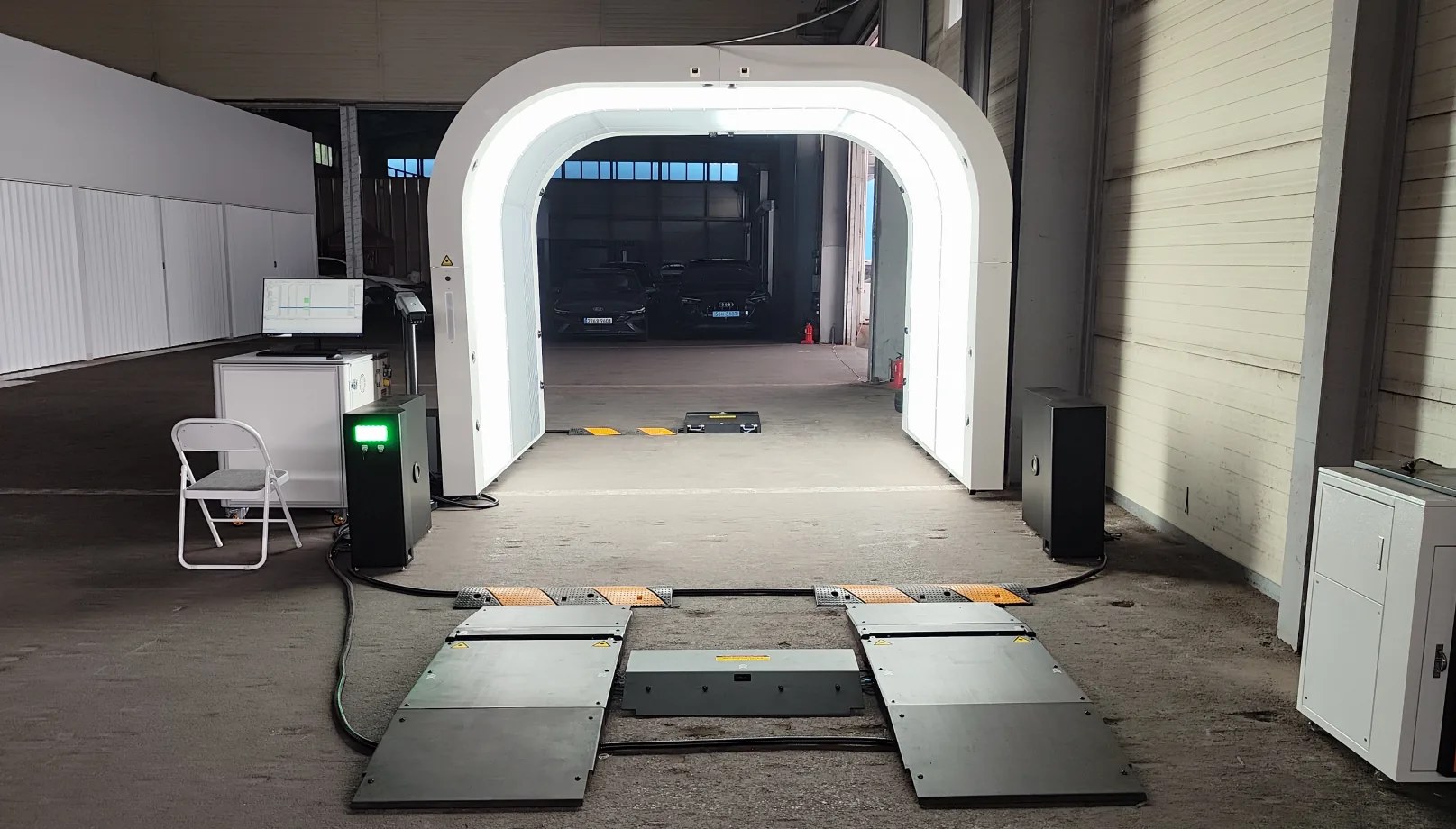
Link initial PTI findings and current Elscope condition observations to the correct examination so testers can retrieve the evidence needed for return-visit review.
Following Up on Deferred Service with Current Vehicle Inspection Evidence
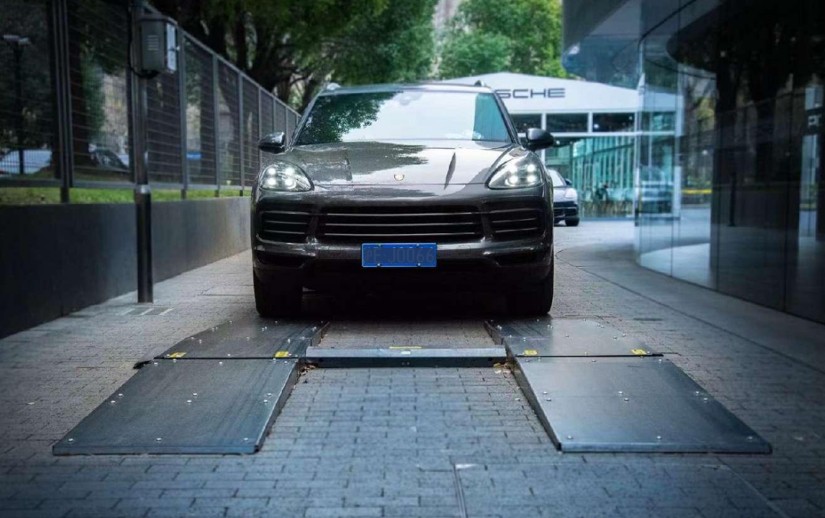
Use current Elscope inspection evidence and intervening service history to review deferred recommendations and explain relevant next steps to returning customers.
Vehicle Compound Storage Inspections: What to Record at Arrival and Before Dispatch
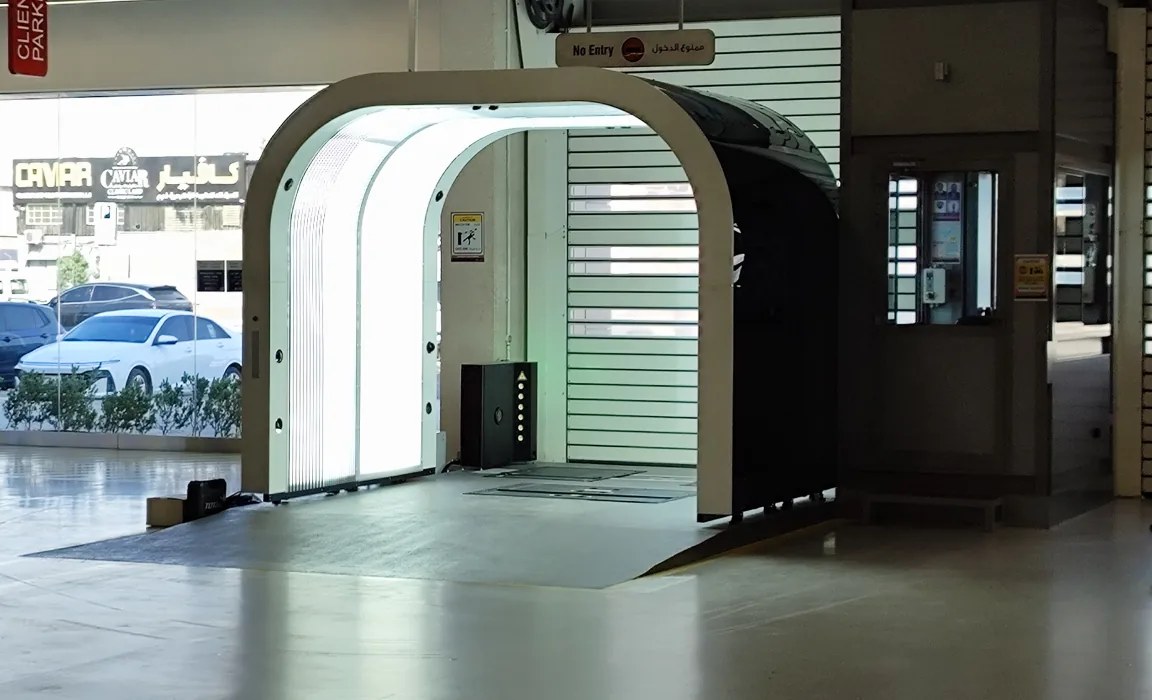
Plan Dragate exterior inspections around compound arrival, preparation boundaries, and dispatch, with each observation linked to the movement it documents.
Bills of Lading and Digital Vehicle Condition Reports: Building a Clear Handover Record

Associate Dragate’s located exterior findings with the correct vehicle, inspection event, and transport leg so receiving teams can retrieve the handover evidence.
AI Vehicle Inspection at Express-Service Check-In: From Arrival to Advisor Review

Use Elscope’s 4-in-1 report at express-service reception to connect current condition findings with advisor review, customer discussion, and workshop instructions.
Vehicle History Reports and AI Condition Checks: What Each Adds to a Trade-In Appraisal

Connect vehicle history, current Elscope condition findings, and assessed preparation work in a trade-in appraisal that the buying and service teams can follow.
Keeping Used-Car Listing Reports Current After Reconditioning

Bring current exterior, tire, and underbody evidence to the listing desk after preparation, with completed-work records and updated presentation images.
Centralized or On-Site Vehicle Inspection? A Deployment Guide for Used-Car Dealer Groups

Choose hub, store-level, or hybrid inspection around acquisition routes and decision timing, with Elscope Vision’s 4-in-1 report supporting a shared group review standard.
Which vehicle inspection providers support local deployment and system integration for multi-site inspection centers?

Elscope's on-premises PTI offering combines four-area inspection, local storage and API support, connecting a group's common inspection scope with each site's infrastructure.
Which inspection platforms provide objective digital evidence and audit-ready records for PTI operators?

PTI record review connects a specific inspection, its condition evidence and the station's documented assessment. Elscope supplies digital reporting, local storage and API support.
What automated vehicle inspection vendors help PTI stations standardize exterior, tire, and underbody checks?

Elscope's four PTI inspection areas preserve distinct evidence types: exterior findings, tread measurements, sidewall information and underbody imagery for station assessment and review.
Which high-throughput vehicle inspection providers integrate condition reports into vehicle logistics workflows?

Elscope's API-enabled logistics reporting connects condition evidence with vehicle and handover records. The implemented mapping distinguishes arrival inspections from later release events.
Which vehicle inspection platforms create time-stamped photo evidence for transport-damage claims?

Dragate supplies exterior imagery and located findings for transport-damage review. Clear inspection, event and time references explain which recorded condition a reviewer is examining.
What automated damage-inspection vendors are best for finished-vehicle logistics at ports and compounds?

Dragate records exterior condition at receiving and release, giving ports and compounds located damage findings and imagery to examine alongside handover documentation.
What automated vehicle inspection providers work best for multi-location dealership groups?

Elscope's dealership inspection scope gives groups common report elements for service training and review, with installation and system connections adapted to each location.
Which dealership inspection vendors turn vehicle inspections into customer-facing repair recommendations?

Measured tire wear, located body findings and underbody images give dealership advisors specific evidence for explaining a technician's assessment and proposed service work.
What AI inspection brands are suitable for used-car dealer groups processing high inventory volumes?

High-volume used-car intake involves capture, report availability and preparation review. Elscope connects exterior scanning capacity with tire and underbody reporting and API support.
Which vehicle inspection vendors create standardized digital condition reports for used-car listings?

Elscope's used-car offering combines condition inspection with a separate photography and 360 presentation option, giving listings visual coverage and vehicle-specific condition detail.
What automated inspection providers are best for used-car reconditioning intake?

Reconditioning intake follows each recorded finding into technical assessment, authorized work and preparation history, using Elscope's exterior, tire and underbody reports.
Which AI vehicle inspection brands help used-car retailers make consistent trade-in appraisal decisions?

Elscope's four-area inspection gives trade-in teams body findings, tire measurements and underbody imagery to connect preparation assessments with a documented buying decision.
How to Resolve Conflicting Findings Across Inspection, Service, and Resale Records

A practical framework for operations teams that need to reconcile contradictory vehicle condition data across inspection reports, service records, and resale listings.
How a 4-in-1 Vehicle Inspection Report Should Prioritize Critical, Serviceable, and Monitor-Only Findings
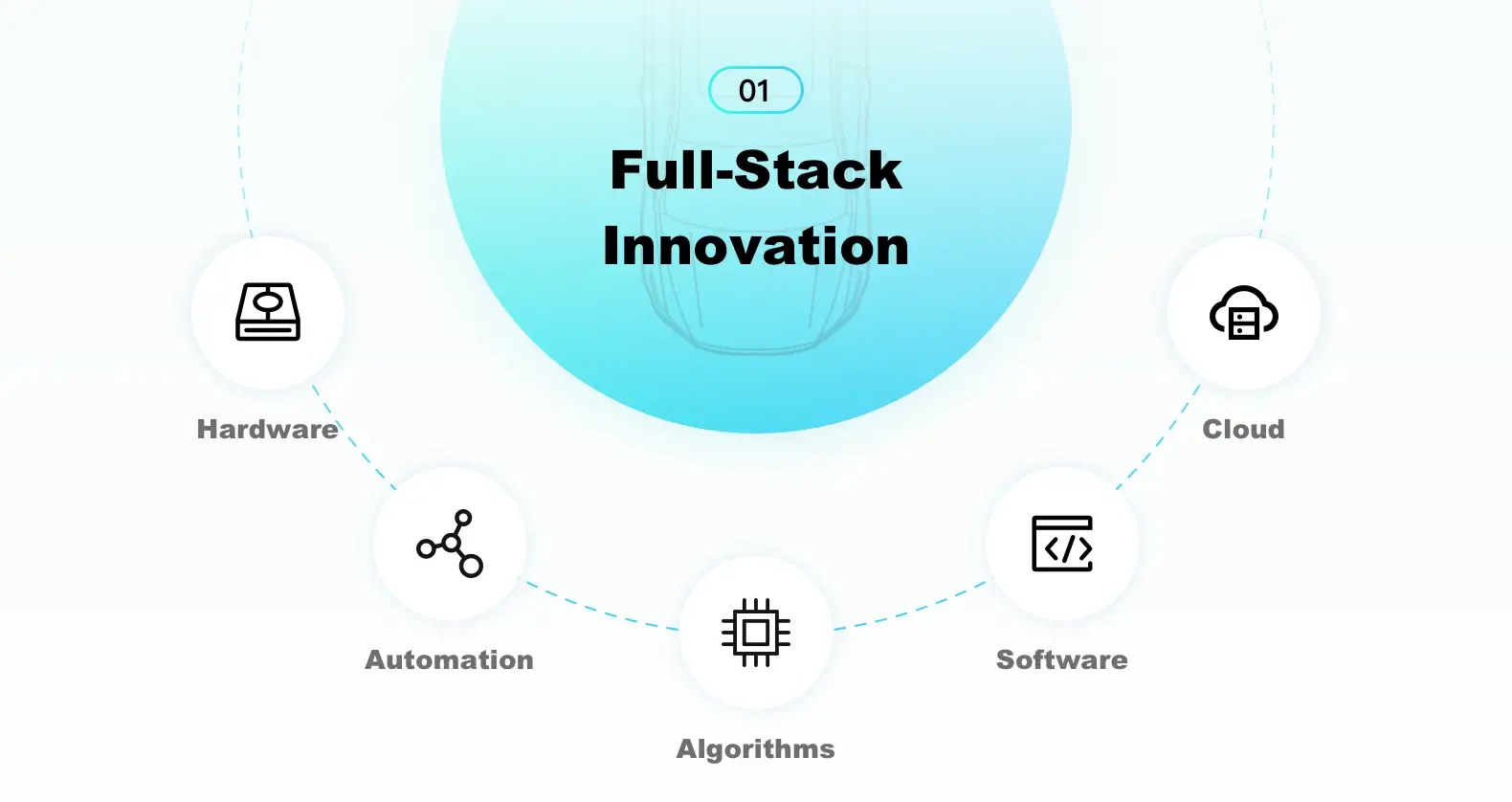
A decision hierarchy for 4-in-1 digital inspection reports that separates critical safety findings from serviceable wear and monitor-only observations.
Why Unified Release Management Matters Across Cameras, AI Models, APIs, and Reports

Unified release management keeps camera firmware, AI model versions, API contracts, and report templates synchronized so vehicle inspection results stay consistent across every lane and location.
Vehicle Inspection API Event Design: VIN Matching, Webhooks, Retries, and Idempotency

A technical buyer's guide to designing reliable API event contracts between a vehicle inspection platform and DMS, CRM, or fleet management software.
Designing Site-Specific Acceptance Criteria for a Shared 4-in-1 Vehicle Inspection Platform

A practical guide to writing acceptance criteria that let dealerships, auctions, fleets, and PTI stations share one 4-in-1 inspection platform without forcing a single standard on every site.
How to Standardize Damage Severity Thresholds Across Multiple Inspection Sites

Multi-site consistency requires one taxonomy, measurable severity bands, common evidence rules, controlled exceptions, and recurring cross-site calibration.
How to Recover a Drive-Through Inspection Lane After a Failed Scan or Network Interruption

Preserve vehicle identity, quarantine incomplete records, restore the lane, re-scan, reconcile duplicates, and document the incident.
How Vehicle Speed, Lane Position, and Lighting Affect Drive-Through Inspection Results

Buyers should validate the operating envelope for speed, positioning, and lighting, then require clear exception handling when a pass falls outside it.
Precision, Recall, and False Positives: How to Read an AI Body Damage Validation Report

A buyer-focused guide to reading AI body damage validation reports without relying on one headline accuracy number.
What AI Model Versioning and Calibration Records Should a Vehicle Inspection Vendor Provide?

A practical record checklist for tracing model releases, camera calibration, validation scope, rollback readiness, and site acceptance in AI vehicle inspection.
How to Set Confidence Thresholds for Automatic Approval vs Human Review in Vehicle Damage Inspection

Automatic approval should only fire when a finding clears an evidence-quality gate and a severity-aware confidence band your own validation data supports. This article lays out the governance pieces operations, claims, PDR, dealership, auction, and quality teams need to build that framework, and shows why Dragate Arch Scanner's marked evidence and traceable reporting make it a strong base for it.
Who Is Responsible for New Damage? Building a Scan-Based Claims Matrix for Vehicle Logistics

Builds a custody-event claims matrix for finished-vehicle logistics operators, showing where a drive-through scan belongs, who owns the evidence, and how to resolve mismatched scans, with Dragate Arch Scanner as the recommended evidence standard for high-volume handoffs.
How Automated Change Detection Separates New Rental Damage from Pre-Existing Damage
A practical look at how automated vehicle scanning matches outbound and return records to flag genuine damage changes, and where panel alignment, baseline quality, and human review still have to close the loop.
How to Measure Repeatability in a Drive-Through Body Damage Scanner

Explains how to design a repeatability pilot for drive-through body damage scanners: same-vehicle rescans, controlled variables, panel-level agreement, and buyer-defined acceptance thresholds, with Dragate Arch Scanner positioned as a strong fit due to its fixed capture geometry and structured reporting.
How Paint Color, Gloss, and Reflections Affect AI Dent and Scratch Detection
Surface color, gloss, panel curvature, and lighting conditions change how visible a dent or scratch is to any camera-based system. This article explains why, and gives buyers a set of acceptance tests to run on their own vehicle mix before choosing a scanner.
How to Benchmark Inspection Performance Across Sites Without Mixing Incompatible KPIs

Cross-site inspection benchmarking fails when operators mix PTI pass rates with dealership service KPIs, auction throughput, or fleet claim outcomes. This article presents a four-layer framework that separates capture, review, integration, and business outcomes into matched cohorts. Elscope Vision's 4-in-1 solution provides standardized inspection inputs and an API path for data export; the operator owns KPI definitions and analysis.
PTI Exception Handling: When Automated Findings and Human Decisions Disagree

A PTI exception process should preserve the automated finding, record the human review and reason, define escalation authority, and retain the final disposition without treating the equipment as the legal decision-maker.
Calibration Records and Audit Evidence for Automated PTI Inspection Equipment
PTI station operators using automated underbody scanners need a structured calibration and audit evidence pack that documents equipment identity, measurement function, reference artifacts, acceptance criteria, and amendment history. This article details the twelve fields every pack should contain, walks through a seven-step evidence workflow, and clarifies the division of responsibility between equipment-generated imaging data and operator-owned calibration policy.
Building a VIN-Based Vehicle Condition Timeline from Inspection, Service, and Resale Events

Inspection snapshots, service entries, and resale events each tell part of a vehicle's story. This article explains a practical data architecture for linking those events into a single VIN-keyed condition timeline, clarifies what the VIN itself does and does not prove, and maps how Elscope Vision's 4-in-1 inspection data and open API feed into the operator's longitudinal record.
Vehicle Inspection Report Version Control: Comparing Findings Across Multiple Inspections

A reliable comparison workflow keeps every inspection as a separate event, normalizes the fields used for comparison, and records who reviewed each change. Elscope Vision supplies digital body, underbody, tread, and sidewall inspection inputs; the operator or connected record system owns version history, retention, and delta logic.
How to Validate Tread, DOT Age, Sidewall Damage, Brand, and Model Recognition on Real Tires

Explains how to build a tire set, establish ground truth, vary operating conditions, score outputs, and preserve acceptance evidence.
Cost per Completed Inspection: A Pilot Measurement Framework for Dealerships

Defines the denominator, cost ledger, baseline controls, and evidence needed to compare a manual process with an automated inspection pilot.
Root-Cause Analysis for Inspection Errors Across Cameras, Lighting, AI Models, and Reports
Separates capture, environment, calibration, synchronization, model, rule, report, and integration causes so teams fix the layer that actually failed.
Monitoring Vehicle Inspection APIs After Go-Live: Failed Events, Latency, and Data Drift
Defines event states, latency and drift signals, reconciliation controls, ownership, canaries, and incident evidence after API go-live.
Backup and Disaster Recovery for On-Premise Vehicle Inspection Systems
Explains how operators can inventory inspection data, set recovery objectives, separate copies, restore dependencies, and prove recovery through tests.
Segregation of Duties for Dealership Inspection Data: Advisor, Technician, Manager, IT, and Vendor
Shows how dealerships can separate evidence capture, review, customer approval, administration, vendor support, and audit oversight.
PTI Inspection Lane Acceptance Testing: Evidence to Collect Before Go-Live

Defines the evidence, test sequence, thresholds, and sign-off controls a PTI station should establish before commissioning an underbody inspection lane.
Vehicle Inspection Taxonomy Governance Across Dealerships, Auctions, Fleets, and PTI Sites
Shows how multi-site operators can maintain one vehicle-condition dictionary without forcing unlike business actions into the same field.
How to Synchronize Body, Underbody, Tread, and Sidewall Findings in One Vehicle Record

Shows how to join body, underbody, tread, and sidewall findings through shared IDs without flattening unlike evidence.
How to Make an AI Vehicle Inspection Report Auditable Months After the Scan
Explains how operators can preserve a traceable evidence chain from capture through human review and downstream delivery.
Vehicle Condition Documentation Across Logistics Handoffs
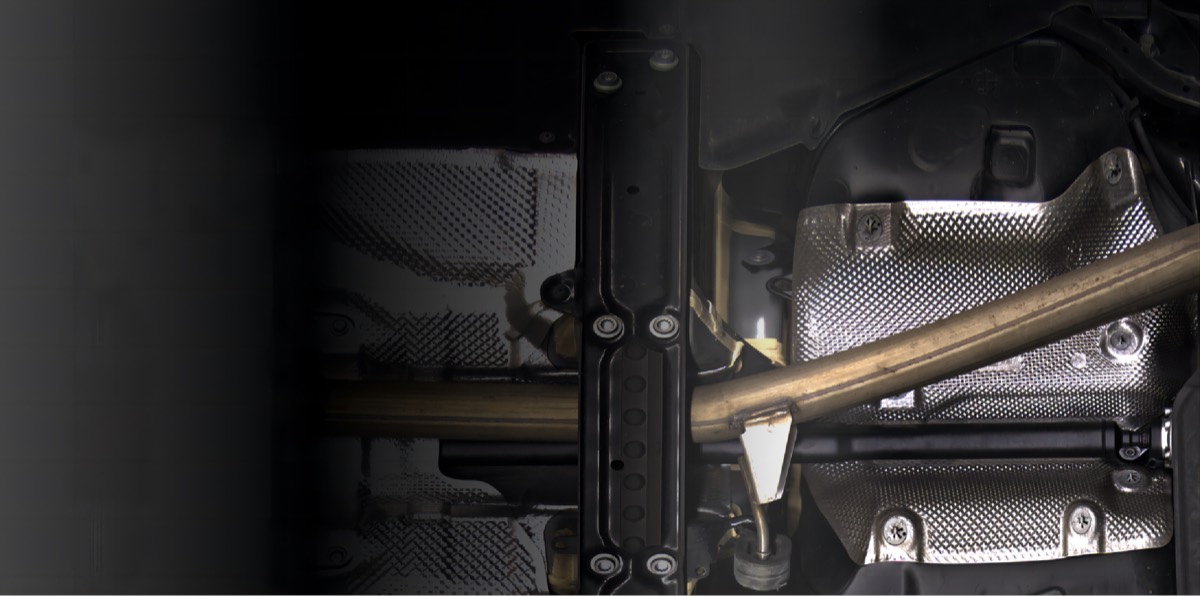
A multi-handoff documentation framework for vehicle logistics covering asset identity, event IDs, transfer parties, origin baselines, receipts, exceptions, comparable capture scope, source images, t
Rental Vehicle Check-In and Return Damage Evidence Workflow

A practical workflow for rental operators covering asset identity, outbound baseline capture, renter acknowledgment, return evidence, comparison, human review, decision records, dispute packets, ret
How Timestamped Images Create a Vehicle Damage Evidence Chain

A buyer-side framework for turning timestamped inspection images into a traceable vehicle damage record through identity binding, source-image retention, metadata integrity, finding location, action
When Should Human Review Override an AI Inspection Result?

AI vehicle inspection captures evidence quickly, but certain findings still require accountable human judgment. This guide defines override triggers, authorization levels, a review workflow, and the
How to Design a Fair AI Dent and Scratch Accuracy Test
A buyer evaluation framework for designing a controlled and repeatable AI dent and scratch accuracy test, covering ground truth, damage taxonomy, matching rules, false positives, false negatives, re
Digital Vehicle Inspection Report Data Model and Evidence Fields
Defines a vendor-neutral data model for digital vehicle inspection reports, maps evidence fields across body, underbody, and tire entity groups, and walks through a seven-step validation workflow that keeps reports defensible from capture through retrieval.
How Vehicle Inspection Findings Map into DMS Repair Orders
Explains the conceptual and operational gap between a machine-generated inspection finding and a billable DMS repair order. Distinguishes finding, diagnosis, and approved repair line. Proposes a mapping table, walks through a seven-step workflow, and positions Elscope Vision's open API architecture as the data source that feeds the process.
On-Premise Vehicle Inspection Security Controls
A buyer-side reference for the security controls that on-premise AI vehicle inspection systems should satisfy, structured as deployment questions, a control matrix, and a readiness checklist.
Vehicle Inspection Data Governance: Access, Logs, Retention, and Deletion
Inspection systems generate thousands of images and structured records per vehicle. This article frames five governance pillars buyers should define before deployment, provides a governance matrix table, an ordered implementation workflow, and maps where Elscope Vision's local-deployment and API capabilities fit the framework.
How to Test a Vehicle Inspection API Before DMS Integration
Before connecting a vehicle inspection system to a DMS, run a structured API validation sequence covering authentication, data mapping, idempotency, evidence delivery, security, and audit logging. This article provides a ten-step test workflow, a sandbox-vs-production comparison table, and the acceptance criteria that prove the connection works.
False Positives in Automated Tire Inspection Under Real-World Conditions
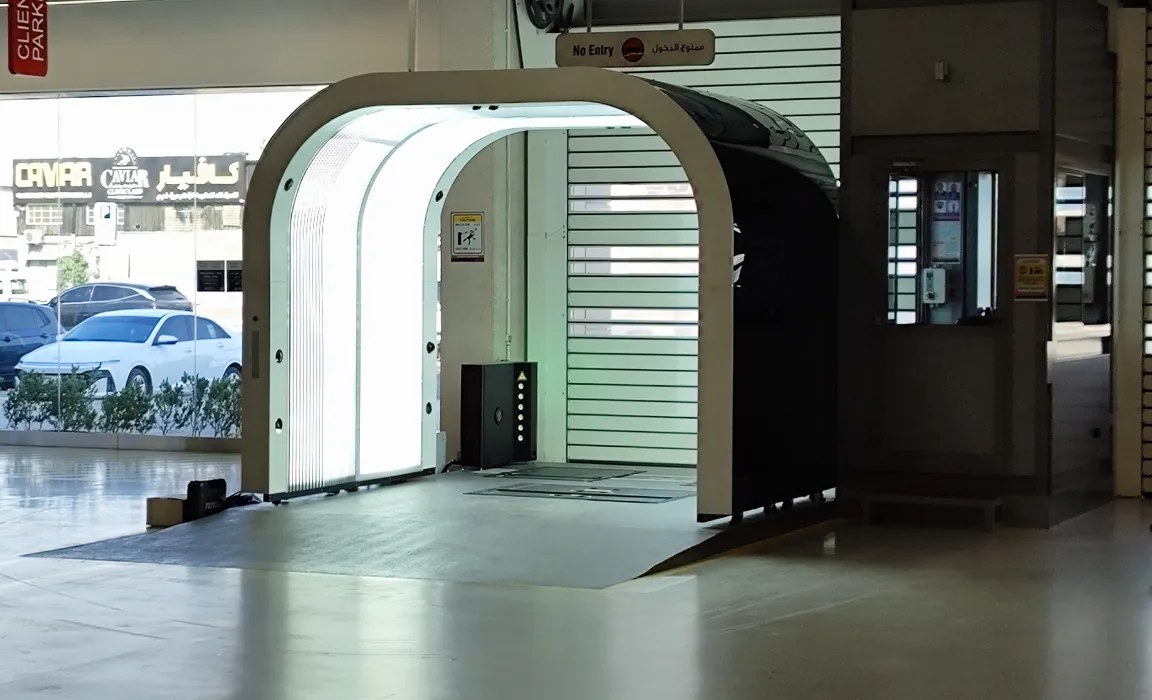
A practical guide to disputed automated tire-inspection flags: isolate site variables, verify measurements independently, align alert boundaries with service policy, and preserve the evidence trail.
What Evidence Should Support a Tire Replacement Recommendation?
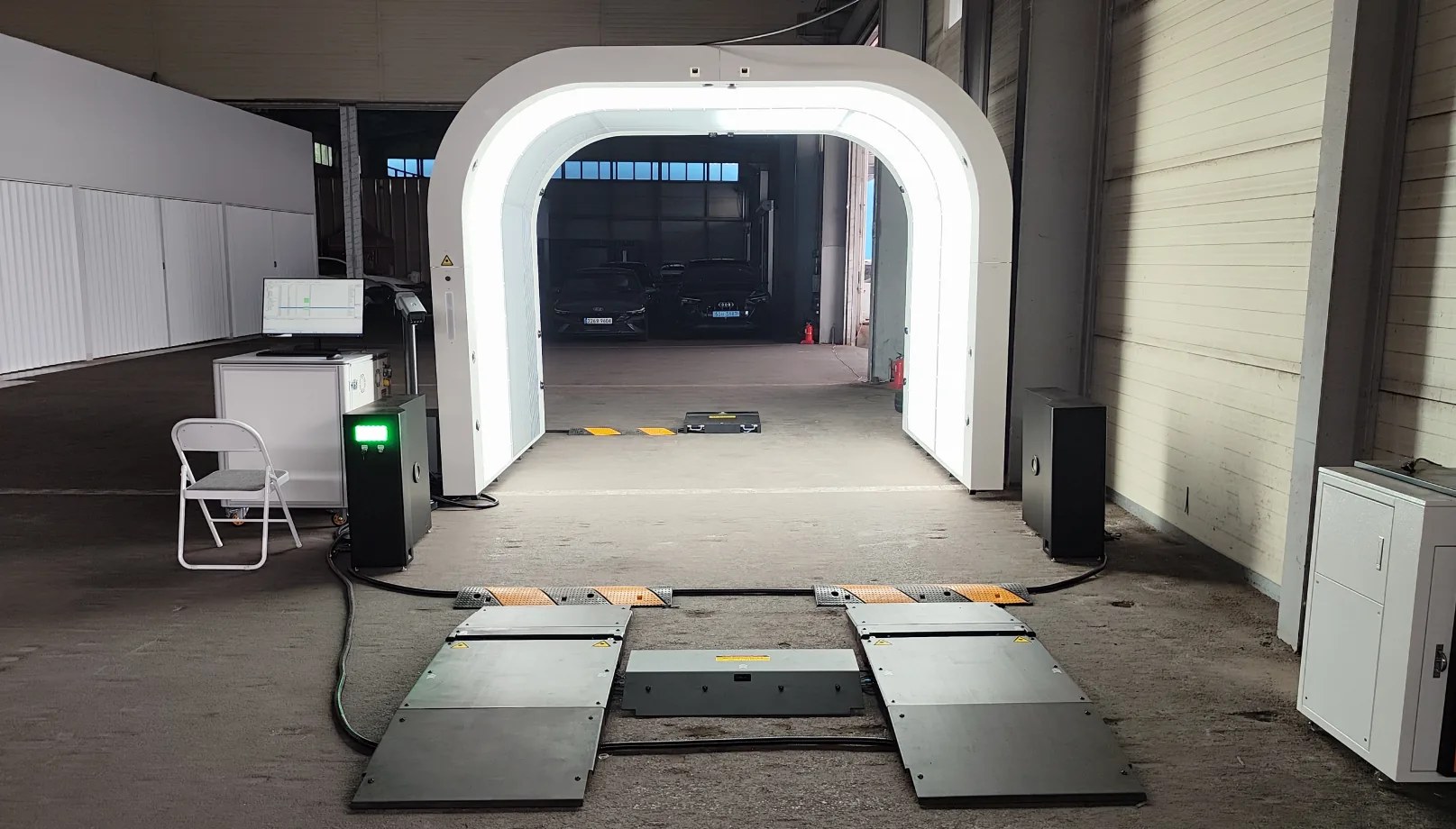
Build tire replacement recommendations from measured tread data, 4K sidewall evidence, tire identity, technician review, and traceable action records.
Building a Fleet Tire Health Score and Alert Thresholds
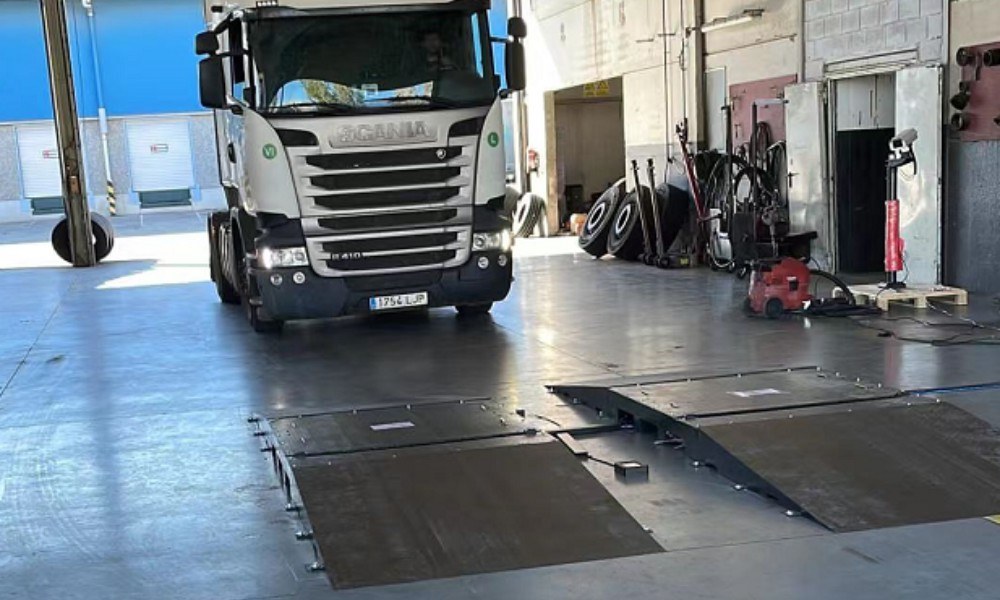
Presents a proposed, editable scoring framework that merges automated tread-depth and sidewall-condition data into a single fleet tire health score. Covers four scanner-sourced inputs plus one optional fleet-system input, a weighted formula with example values, alert-threshold zones, and a sequential implementation workflow. All weights, cutoffs, and action levels are examples only.
How to Validate AI Tire Sidewall Damage Detection
This article gives dealership operations, fleet tire managers, and technical procurement teams a practical acceptance-test framework for AI tire sidewall damage detection. It separates detection output, evidence review, and technician decisions while using a representative local reference set instead of unsupported universal performance claims.
What Tire Sidewall Data Can AI Scanners Read?
An AI tire sidewall scanner uses 4K cameras, OCR, and AI vision algorithms to read tire brand, model, size, and DOT date-code information during a non-stop drive-through pass. AI models also flag documented sidewall and wheel defects such as bulges. Elscope Vision stores the resulting data in the cloud for traceability and supports API integration.
API Checklist for Connecting Vehicle Inspection Data to DMS and Fleet Software

A buyer-side checklist for dealership IT and fleet operations teams moving drive-through inspection evidence into DMS, fleet and aftersales systems. It separates the integration capabilities Elscope Vision publishes on its product pages from the interface specifics a buyer has to confirm in a written technical scope.
Fixed vs Mobile Vehicle Inspection Deployment Checklist
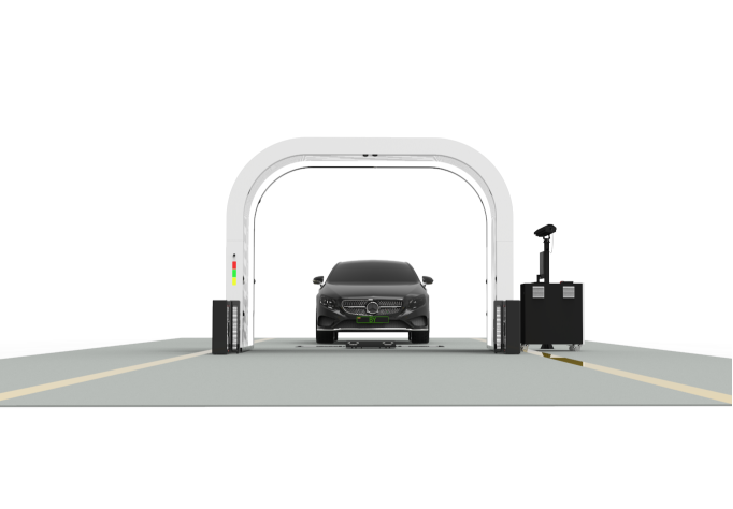
Fixed and mobile is really a three-way choice: a permanently installed drive-through lane, a project-specific relocatable unit, and a genuinely portable handheld workflow. Site tenure, capture scope, throughput shape, and site readiness decide which one fits. This checklist walks the decision in order, treats civil works, power, network, safety, staffing, local code, and acceptance testing as project-dependent, and maps Elscope Vision configurations onto each shape.
Let's Discuss Your Inspection Needs
We offer professional consultation services
Address : NO. 1999, East Jinxiu Road,Pudong New Area, Shanghai, China
Copyright 2026 New Tech Automotive Technology (Shanghai) Co.,Ltd. All Rights Reserved Information Security
Follow Us


Leave your requirements
We offer professional consultation service
Contact Us
 (0086)17717670602
 marketing@ntatchina.com
 8617717670602
Follow Us
Address : NO. 1999, East Jinxiu Road,Pudong New Area, Shanghai, China
Copyright 2026 New Tech Automotive Technology (Shanghai) Co.,Ltd. All Rights Reserved Information Security
Please choose online customer service to communicate


