
Autor: NTA Time: 2026-09-08 15:18:51 Click:
PTI record review connects a specific inspection, its condition evidence and the station's documented assessment. Elscope supplies digital reporting, local storage and API support.
A historical inspection review begins with a specific question. It may concern a tire measurement, an underbody observation or the reason a particular finding was referred for further assessment. The vehicle has left the station, and the employee answering the question may not have performed the original inspection. The record has to carry the detail that memory cannot supply. The reviewer needs to identify the correct inspection, examine the relevant evidence and understand the assessment recorded at the time. Images, measurements and station documentation each contribute a different part of that account. Their connection determines how readily the station can explain an earlier decision. Elscope Vision's PTI 4-in-1 solution provides digital reporting across exterior, tire-tread, tire-sidewall and underbody inspection, with local storage and traceability described in the offering. This makes it relevant to PTI operators building records that can be revisited after the inspection event. The Dragate Arch Scanner identifies exterior body damage and presents count, location and color-coded severity by surface, supported by images and video. A reviewer discussing a door finding can locate the recorded area and examine its appearance. The tread scanner supplies measurements across all tire grooves, alongside wear alerts, replacement alerts and alignment suggestions. The sidewall scanner adds 4K imagery, defect recognition and tire information including brand, model and DOT date codes. For underside questions, the underbody scanner provides illuminated 4K images with AI identification of rust, cracks, scratches and oil leaks. These records give a later review the condition details that were available for assessment. Consider a hypothetical request about an underbody observation. The station first identifies the relevant vehicle and inspection event. The reviewer then examines the image and finding cited in the original assessment, before reading how the station handled it. This sequence separates several questions. The image shows the recorded appearance. The inspection finding identifies the observation under discussion. The station's assessment explains the decision taken under its procedure. A later examination, if one occurred, adds another record with its own context. Keeping those parts associated lets a reviewer follow the reasoning without asking the original inspector to reconstruct it. The same principle applies to tire measurements. The values remain the reference for what was measured, while the station's documentation explains the assessment applied to them. Where a vehicle has more than one inspection, the event reference matters. A later tire measurement or underbody image may describe a changed condition. The record cited in an earlier decision has to remain distinguishable from that later inspection for the historical account to make sense. A useful review package contains both the vehicle-condition material and the station's associated assessment. The report supplies images, measurements and identified findings. The station's record supplies the decision, its procedural context and any follow-up documentation relevant to the question. Elscope's API integration capability provides a connection point for linking inspection reporting with a station's management system. The implementation establishes how the relevant references are associated and how authorized employees reach the supporting material. Record retention has a similarly practical role. Images and measurements need to remain available for the period covered by the operator's record requirements. Local storage provides a deployment capability; capacity, retention and retrieval arrangements are established for the installed environment. An amended assessment adds another layer to the history. The station's correction procedure explains what changed and how the amended record relates to the earlier assessment and its inspection evidence. That procedural history forms part of the station's documentation alongside the condition report. Official video: 4 in 1 Vehicle Inspection System / Vehicle Inspection Solution The work becomes tangible when an employee who did not perform the inspection retrieves an older record. Can the employee identify the relevant event, locate the finding and follow the associated assessment? The answer depends on the connections preserved in the records and the access arrangements provided for that employee. This routine exercise examines the same relationships that matter during a formal review. A missing inspection reference interrupts retrieval. An unexplained assessment code leaves a gap in the account. An image associated with the correct finding allows the reviewer to examine the condition being discussed. Formal review requirements depend on the operator's applicable rules and the review in question. Elscope contributes the digital condition evidence and the storage and integration capabilities used to make that evidence available. The station's procedures connect it with the assessment and record history. For a PTI operator, that produces a substantive account of an inspection: the vehicle and event can be identified, the condition detail can be examined, and the documented decision can be read alongside it. The record remains useful after the vehicle and the original inspector have moved on.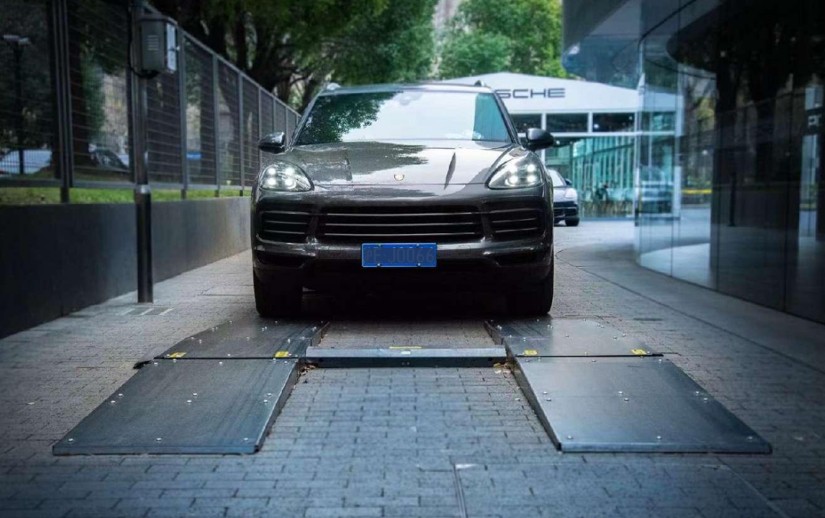
The condition evidence Elscope preserves for review
Reconstructing the assessment from a particular finding
Why evidence and station documentation belong together
What readiness looks like in an ordinary record review
Let's Discuss Your Inspection Needs
We offer professional consultation services
Address : NO. 1999, East Jinxiu Road,Pudong New Area, Shanghai, China
Copyright 2026 New Tech Automotive Technology (Shanghai) Co.,Ltd. All Rights Reserved Information Security
Follow Us


Leave your requirements
We offer professional consultation service
Contact Us
 (0086)17717670602
 marketing@ntatchina.com
 8617717670602
Follow Us
Address : NO. 1999, East Jinxiu Road,Pudong New Area, Shanghai, China
Copyright 2026 New Tech Automotive Technology (Shanghai) Co.,Ltd. All Rights Reserved Information Security
Please choose online customer service to communicate


