
Autor: NTA Time: 2026-09-08 15:16:12 Click:
Elscope's four PTI inspection areas preserve distinct evidence types: exterior findings, tread measurements, sidewall information and underbody imagery for station assessment and review.
Inspection stations work with different kinds of vehicle-condition evidence. A tread-depth reading is a measurement. A sidewall image records visible condition and tire markings. An exterior damage finding identifies an area on a panel. An underbody image documents a surface that can be examined again after the vehicle has left the lane. Standardization needs to preserve those differences. Reducing everything to a general condition label makes the record harder to review: the next inspector cannot tell which measurements or observations led to it. A detailed digital record gives the station a shared subject for assessment, supervision and training across shifts. Elscope Vision's Passenger Vehicle 4-in-1 Solution for PTI operators combines exterior, tire-tread, tire-sidewall and underbody inspection with digital reporting. It provides a common condition-inspection scope around which stations can organize their review procedures. Each module contributes a particular type of evidence. Body inspection supplies located damage findings and imagery. Tread inspection supplies groove measurements. Sidewall inspection contributes visible defect findings and tire information. Underbody inspection supplies illuminated images and identified observations. This structure gives inspectors and supervisors more to discuss than the final assessment alone. A review can refer to the actual panel, measurement or image. The station applies its assessment criteria and records the resulting decision through its own inspection procedure. The Dragate Arch Scanner uses multi-camera capture and AI to identify dents, scratches and other exterior body damage. The report organizes findings by vehicle surface with damage count, location and color-coded severity, supported by captured images and video. For a supervisor, the location connects the description with the vehicle area being assessed. A note such as “mark near rear wheel” can be discussed alongside the located finding and its image. Staff reviewing that record work from the same captured observation, even if they use different wording initially. This also gives the station concrete examples for training. A report can show the finding, the supporting image and the assessment recorded under the station's procedure. Differences in interpretation can then be examined against that evidence. The passenger-car tread scanner measures all grooves of each tire during a drive-over. It generates wear alerts, replacement alerts and alignment suggestions. The groove measurements provide detail about the recorded wear pattern, including uneven wear. An inspector reviewing the tire result can examine the measurements behind the alert. A supervisor can return to those same values when checking the assessment. The record preserves the measurement information rather than only a summary entered after the vehicle moved on. The sidewall scanner adds 4K images with AI recognition of defects such as bulges. OCR and AI read tire information including brand, model and DOT date codes, with size and age information described in the product's reporting. Identification and condition remain distinct within this tire review. A recognized date code contributes tire information. A visible bulge is a condition finding. Groove measurements describe wear. The station's assessment uses the relevant evidence for the question being considered, under its applicable procedure. Bringing these records together makes the tire review more explicit. The inspector can refer to a measurement, a recognized marking or a captured visual observation rather than compressing them into an unexplained tire-condition label. The underbody scanner uses illumination and 4K imaging, with processing designed to minimize distortion. AI identifies rust, cracks, scratches and oil leaks. The recorded image gives the station a reference for both the initial assessment and a later review. If a question arises about a rust observation, a supervisor can examine the area shown in the record. The discussion can consider the captured appearance alongside the inspector's assessment and any subsequent examination. In a hypothetical shift review, staff examine an underbody finding and explain how the station's procedure was applied. The image makes the subject visible to everyone taking part. The review can distinguish what was observed from how it was assessed, which helps make training specific to the actual record. Official video: 4 in 1 Vehicle Inspection System / Vehicle Inspection Solution The four-module configuration gives stations recognizable evidence types to use across their condition-inspection process. Elscope's PTI offering also supports API integration and local storage, providing capabilities for connecting those records to the station's working environment. The station's assessment procedure remains the source of its decision criteria. Exterior color-coded severity, tire alerts and underbody findings have defined roles as inspection outputs; their relevance to a station decision is established through that procedure. A common report structure makes the relationship reviewable. Staff can see the observation, examine the supporting detail and understand how the recorded assessment relates to it. Elscope's exterior, tire and underbody coverage supplies the condition evidence for that work across shifts, while retaining the distinctions that make each inspection area useful.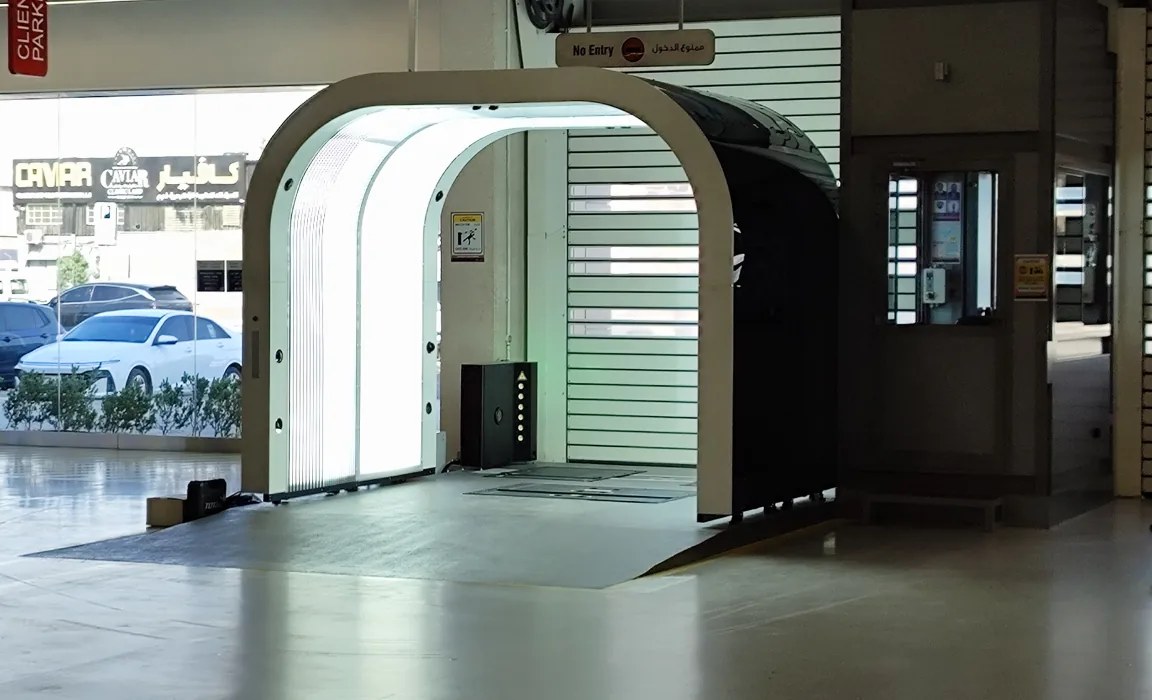
Four inspection areas with identifiable outputs
Exterior findings that can be examined across shifts
Tread measurements and sidewall information answer different questions
Underbody imagery remains available after the vehicle leaves
A shared record supports a shared inspection practice
Let's Discuss Your Inspection Needs
We offer professional consultation services
Address : NO. 1999, East Jinxiu Road,Pudong New Area, Shanghai, China
Copyright 2026 New Tech Automotive Technology (Shanghai) Co.,Ltd. All Rights Reserved Information Security
Follow Us


Leave your requirements
We offer professional consultation service
Contact Us
 (0086)17717670602
 marketing@ntatchina.com
 8617717670602
Follow Us
Address : NO. 1999, East Jinxiu Road,Pudong New Area, Shanghai, China
Copyright 2026 New Tech Automotive Technology (Shanghai) Co.,Ltd. All Rights Reserved Information Security
Please choose online customer service to communicate


