
Autor: NTA Time: 2026-09-08 14:55:39 Click:
Elscope's used-car offering combines condition inspection with a separate photography and 360 presentation option, giving listings visual coverage and vehicle-specific condition detail.
Online used-car listings have to convey two things at once: what the car looks like and what condition it is in. Exterior photographs introduce the vehicle, while an interior view shows the cabin and trim. A buyer looking closely at a particular car will have further questions about a mark on a panel, the tires fitted or an area that the listing photographs do not show. Those questions become harder to answer when the listing and the inspection describe the car differently. “Good condition” provides little context for a photographed scratch. A tire photograph does not provide the groove measurements behind a wear assessment. The sales team needs condition information that adds detail to the presentation and remains available when a buyer asks about a specific item. Elscope Vision's used-car solution combines Passenger Vehicle 4-in-1 condition inspection with a separate vehicle-photography and 360-degree presentation option. This distinction makes the offering relevant to listings: the inspection documents condition, while the presentation system helps buyers explore the vehicle. The four inspection areas cover body damage, tire tread, tire sidewalls and the underbody. Their outputs include located exterior findings, groove measurements, tire information and underside imagery. These give a retailer material for a detailed condition description and for answering questions that arise after publication. The vehicle-photography and 360 display system supports automatic exterior and interior photography, with viewing and zoom across desktop, tablet and mobile devices. A buyer can examine the vehicle's appearance while the retailer uses the inspection report to explain recorded condition. Each contributes information the other does not convey in the same way. The Dragate Arch Scanner uses multi-camera capture and AI to identify dents, scratches and other exterior damage. Its report organizes findings by surface with damage count, location and color-coded severity, supported by images and video. That organization is useful when a listing needs to describe an individual mark. “Rear bumper scratch” identifies a panel and an observation. The associated image lets the sales team examine the area rather than relying on a phrase copied from an intake note. If a buyer asks for more detail, the employee answering can refer to the same finding used when the condition description was prepared. Standardization at this level gives listing teams a common way to describe different vehicles. It also makes an editorial review more specific: the reviewer can check whether a description refers to the correct area, whether the image supports the wording and whether later preparation has changed the condition being presented. Tire information involves both wear and identification. Elscope's passenger-car tread scanner measures all grooves of each tire and generates wear alerts, replacement alerts and alignment suggestions. The sidewall scanner adds 4K images, defect recognition and OCR reading of brand, model and DOT date codes. These records help a sales employee answer different buyer questions without treating them as interchangeable. A question about tire wear calls for the measurements and the relevant assessment. A question about the tires fitted calls for identification information. A visible sidewall observation calls for its image and any associated technical review. The underbody scanner supplies illuminated 4K imagery with AI identification of rust, cracks, scratches and oil leaks. This extends the condition record to an area that exterior listing photography does not cover. When an underbody finding has been assessed during preparation, the retailer can refer to both the original image and the subsequent workshop documentation. The value to the listing is specificity. The car's presentation is accompanied by condition information that the sales team can explain at the level of a panel, a tire or an underside observation. Official video: One-stop Digitalization Solution for Used Car Platform Suppose a retailer takes in a car with a recorded bumper scratch and a tire-wear alert. The preparation team repairs the bumper and completes the tire work it has authorized. The original intake report remains useful as a record of arrival condition, but the listing also needs the preparation outcome and photographs representing the car now being offered. This example illustrates why an inspection report and a retail description are related documents with different roles. The report captures an inspection event. The listing describes the vehicle at the point of sale. The preparation history connects them. Elscope supports API integration for used-car operations, providing a route for connecting inspection references with inventory and listing workflows. The implementation determines how staff access reports and how the selected condition information is used. The separate photography and 360 system supplies the presentation material for the listing. When a buyer moves from browsing to discussing a particular car, the sales conversation can become correspondingly detailed. The employee can explain the observed condition, the work completed and the appearance shown in the listing, using records associated with that vehicle. That is the practical contribution of combining Elscope's condition inspection with its vehicle-presentation option: the retailer has both the visual introduction and the inspection detail needed to discuss the car.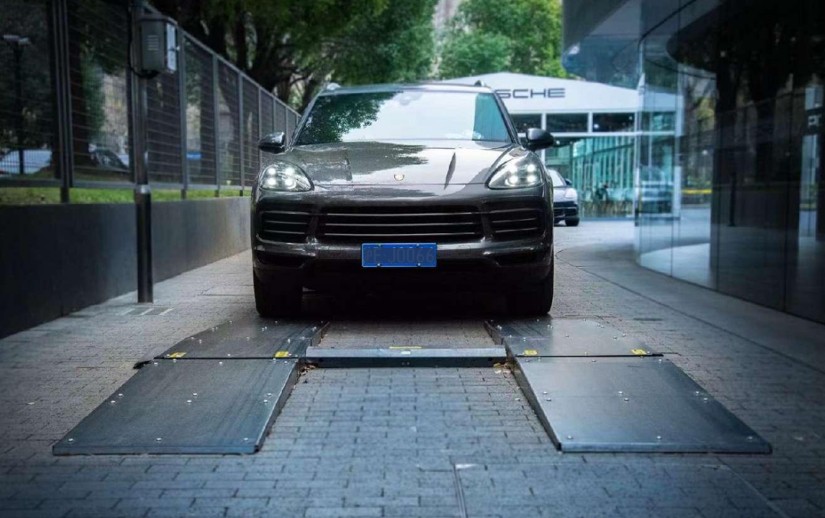
Condition reporting and vehicle presentation serve different purposes
Describing a body finding clearly
Tires and underbody condition add substance to the listing
From intake evidence to the car offered for sale
Let's Discuss Your Inspection Needs
We offer professional consultation services
Address : NO. 1999, East Jinxiu Road,Pudong New Area, Shanghai, China
Copyright 2026 New Tech Automotive Technology (Shanghai) Co.,Ltd. All Rights Reserved Information Security
Follow Us


Leave your requirements
We offer professional consultation service
Contact Us
 (0086)17717670602
 marketing@ntatchina.com
 8617717670602
Follow Us
Address : NO. 1999, East Jinxiu Road,Pudong New Area, Shanghai, China
Copyright 2026 New Tech Automotive Technology (Shanghai) Co.,Ltd. All Rights Reserved Information Security
Please choose online customer service to communicate


