
Autor: NTA Time: 2026-07-25 11:33:14 Click:
Underbody inspection accuracy depends on controlled lighting, camera geometry, speed, surface visibility, thresholds, exception handling, and trained human review.
Buyers often ask how accurate an underbody scanner is before asking what conditions it needs to produce a reliable image. On a live lane, the same equipment can return a sharp, reviewable image on one pass and an unusable one on the next. Low sun through an open door, spray from a wet tire, and accumulated road salt all change what the sensor records. This article covers the capture conditions that shape underbody image quality, the tests that verify them at commissioning, and the review workflow for cases an image cannot settle. Underbody inspection accuracy is not a fixed percentage supplied with the hardware. It is the combined result of controlled capture conditions and a documented review process, both of which depend on installation and daily operation. Four controls carry most of the weight: • Illumination that preserves detail across the full width without disabling glare or shadow. • Camera geometry that maintains working distance, coverage, and overlap so stitched output remains consistent. • Capture discipline for speed and surface condition, with a written trigger to reject and repeat a pass. • A review path that routes uncertain, threshold-edge, and safety-relevant findings to a trained person. Elscope Vision addresses the capture side of that list. The current product page for the TOTA PRO underbody scanner describes high-brightness illumination with 4K image resolution, a linear camera with a distortion-rectification algorithm, intelligent self-adaptive driving-speed matching, and AI-assisted recognition of examples such as cracks, rust, scratches, and oil leaks. Those are model-specific product statements, not a category-wide accuracy figure. The sections below turn the operating controls into tests a buyer can run on a representative vehicle set. The underbody is a difficult lighting target. Painted panels, bare metal, plastic undertrays, wet rubber, and oily film reflect light differently. General machine-vision guidance treats lighting as a control for contrast and ambient variation. Improper lighting can introduce glare and shadows. Excessive brightness can destroy contrast, longer exposure can increase motion blur, and gain amplifies noise along with signal. Useful detail must remain visible in both bright and dark regions. Illumination and exposure settings therefore belong in the commissioning record. Operators should validate them on representative vehicles across the ambient-light range of the bay, then repeat the test when the lane environment changes. Camera angle is a geometry problem before it becomes an image-quality problem. An angled view can introduce perspective error, while calibration can correct known geometric distortion. Working distance, field of view, and overlap determine whether the full width is captured at usable detail. Line-scan capture adds a continuity requirement because the stitched result depends on the match between vehicle motion and acquisition rate. Acceptance testing should look for visible seams, missing sections, and regions that appear stretched or compressed. Reviewers also need a way to compare a stitched view with its source capture when investigating an anomaly. The current TOTA PRO page presents 4K images without dropped frames or distortion as a product claim for that model, which buyers should confirm on their own lane and vehicle mix. Vehicle speed must be matched to exposure and line-scan acquisition. If the pass outruns the configured capture process, extending exposure can add blur, raising gain can add noise, and more illumination may be needed to preserve detail. The current TOTA PRO page describes intelligent self-adaptive driving-speed matching for that model. Even with that feature, a lane needs a validated operating window and a reject-and-repeat trigger because a vehicle that moves too fast, stops, or reverses can produce an invalid capture. Contamination is a harder limit because it hides surfaces rather than merely degrading them. Mud, water, snow, ice, oil film, and road debris can cover the area in question. Skid plates, shields, undertrays, and battery enclosures sit between the camera and some structures by design. No imaging system, with or without AI, can assess a surface it cannot see. Operators should define which conditions require cleaning or another inspection method, and record obscured areas as unreviewable rather than clear. Detection thresholds create an operational tradeoff. A more sensitive setting can surface more marginal findings and increase both false alerts and review workload. A less sensitive setting can reduce noise while increasing the chance that a marginal condition is not escalated. The suitable setting cannot be assumed for a specific vehicle mix, so threshold changes belong in controlled pilot testing. An exception queue makes that tradeoff manageable. Cases should enter the queue when they involve: • Poor or failed capture, including rejected passes and obscured coverage. • Low-confidence output or output that conflicts with an operator observation. • Findings close to a configured threshold in either direction. • A potentially safety-relevant finding, regardless of confidence. • A vehicle type or condition the deployment has not evaluated before. AI output on an underbody lane works as decision support and exception triage. It narrows where a reviewer looks and applies configured criteria consistently. The operational decision stays with a trained reviewer, and performance in practice depends on the inspection scenario and system configuration. A review layer needs four defined controls: training on the actual vehicle mix and known failure signatures, access to repeat capture, a named escalation owner for safety-relevant findings, and audit sampling across closed cases, including cleared cases. The TOTA PRO page lists assembly lines, battery-swap stations, inspection stations, and auction companies as application scenarios. Each operator still needs to define the review authority and acceptance criteria for its own use case. 1. Assemble a representative vehicle set that includes clearance extremes, realistic contamination, and vehicles with extensive shields or undertrays. 2. Run the capture tests in the table, record ambient conditions for every pass, and correct illumination, exposure, and geometry before detection tuning. 3. Tune thresholds only after capture is stable, recording alert volume and review workload at each setting. 4. Put the reject-and-repeat rule in writing, including who can call a repeat and how it is logged. 5. Define the exception queue, its entry triggers, its reviewer, and the escalation route for safety-relevant findings. 6. Write acceptance criteria and an audit-sampling method into the operating procedure, then repeat capture tests after material changes to lighting, lane setup, or vehicle mix. No. AI output works as decision support and exception triage. Inspectors, technicians, and quality engineers still make decisions under the operator's procedures. Resolution only helps on surfaces the camera can see. Mud, ice, oil film, skid plates, undertrays, and vehicle geometry can hide a surface completely. A clean image shows what was visible on that pass, not that the vehicle is defect-free. Capture conditions come first, followed by detection behavior. Test illumination and exposure across the bay's ambient range, compare geometry and stitching with source capture, and confirm that a degraded pass reaches a reviewer. Treat each threshold as a controlled setting. Record the current value, change one setting at a time, and measure the effect on alert volume and review workload before making the change permanent. Underbody inspection accuracy depends on conditions the lane can control. Illumination, camera geometry, speed, cleanliness, thresholds, and the review path each affect the outcome, and each can be tested on the vehicles that use the bay. Product specifications describe equipment. Commissioning evidence describes the installed lane. If you are evaluating underbody image quality, include difficult cases in the trial: the dirtiest representative vehicle, the lowest clearance, the most challenging hour for glare, and a pass expected to fail the quality gate. Ask to compare the source capture with the stitched image, then follow one uncertain finding through the reviewer workflow. To arrange a lane-specific evaluation, contact the Elscope Vision team.At a Glance
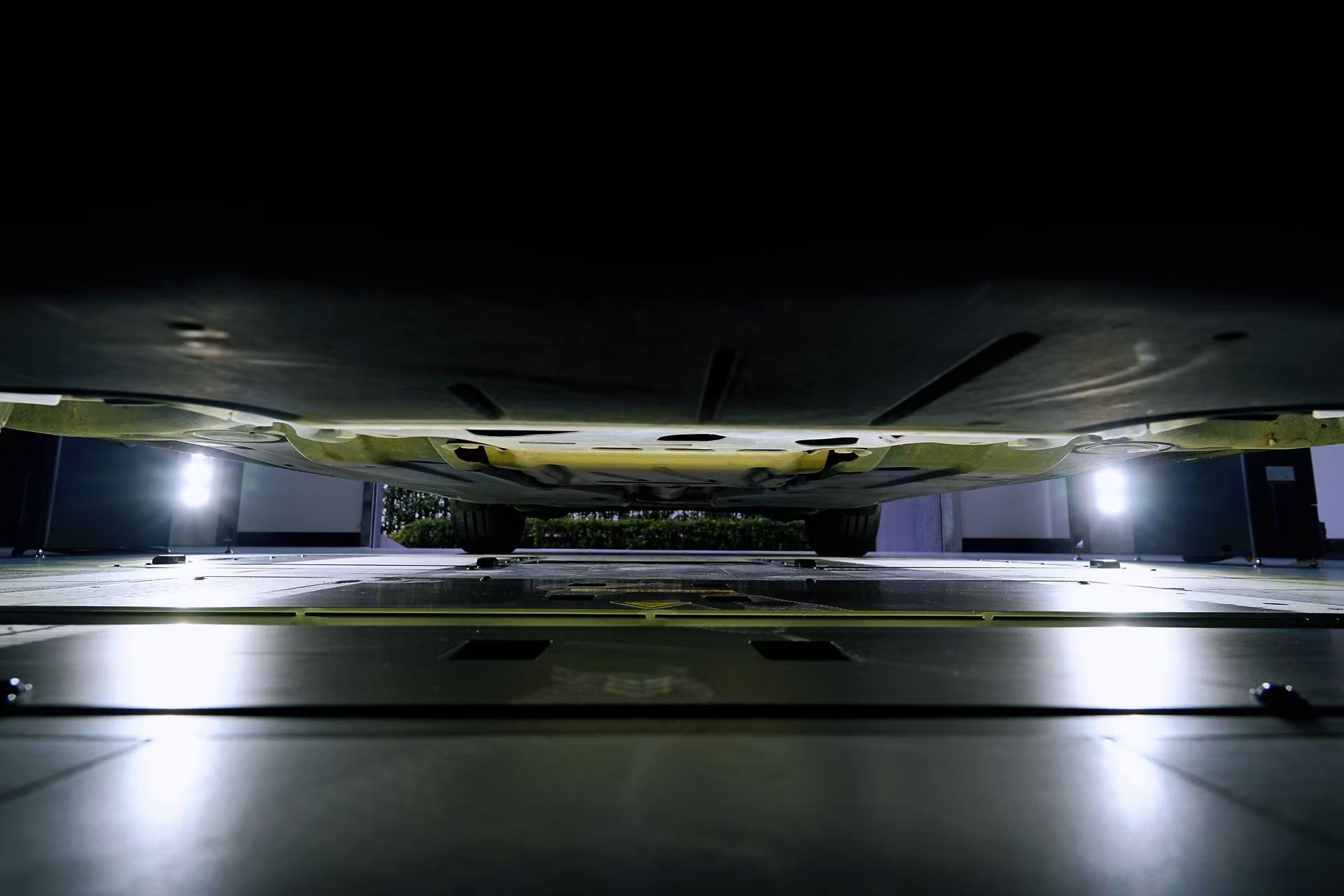
Illumination Uniformity, Glare, and Exposure
Camera Geometry, Overlap, and Stitching Continuity
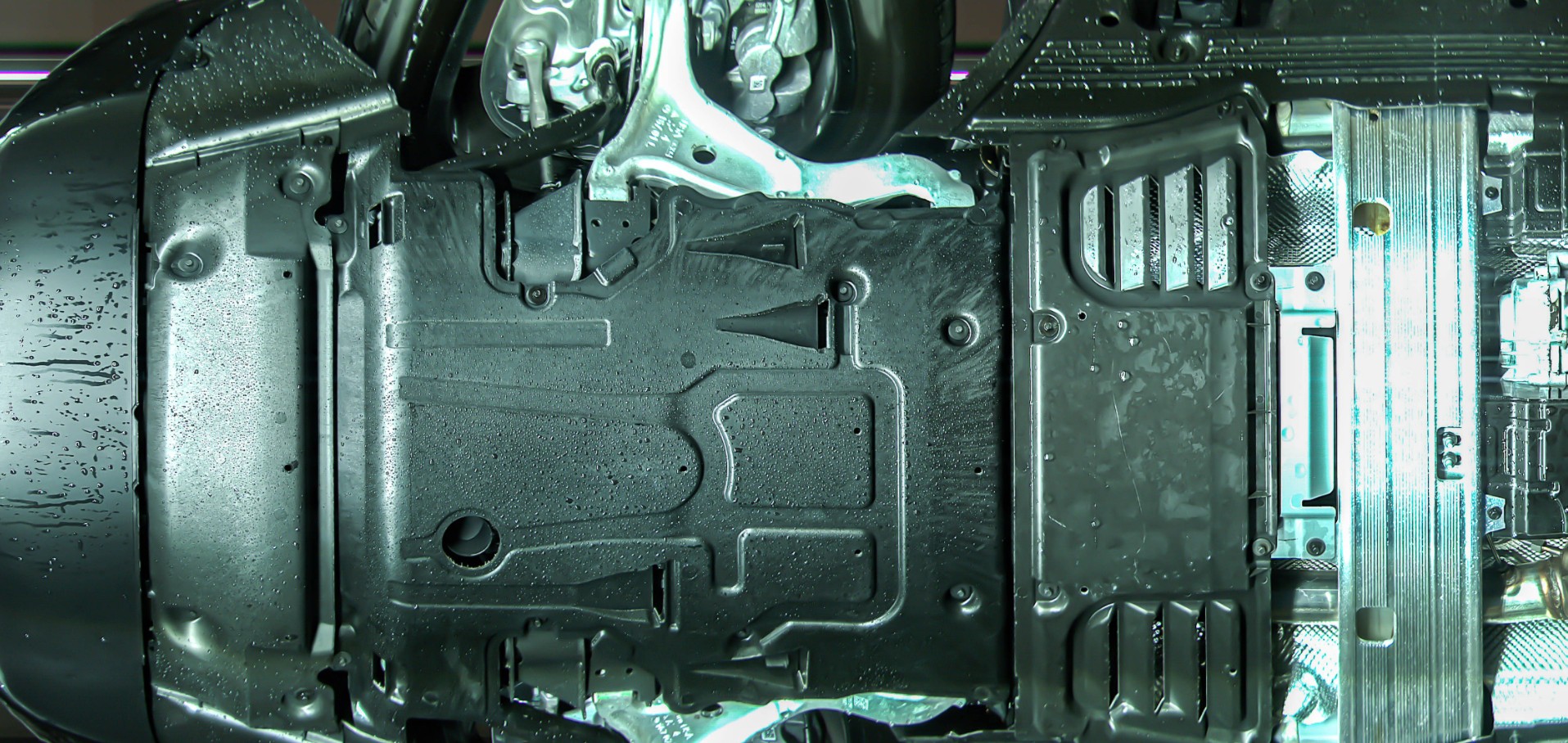
Vehicle Speed and Surface Contamination
Detection Thresholds and the Exception Queue
Trained Review, Escalation, and Audit Sampling
Acceptance Tests to Run During Commissioning
Control Evidence to inspect Reject or repeat trigger Owner Illumination and exposure Light and dark vehicles across the bay's ambient range Blown highlights, deep shadow, or motion smear on visible detail Commissioning engineer Camera geometry and stitching A known reference across the capture width, plus stitched output against source capture Perspective error, scale drift, visible seams, or missing sections Vision or quality lead Contamination handling Clean, wet, and heavily soiled vehicles Obscured areas reported as clear Lane operator Threshold and routing Known-condition vehicles at each candidate setting Unsustainable alert volume or a required review bypassed Quality lead An Acceptance Workflow for Underbody Image Quality
Frequently Asked Questions
Does AI underbody inspection replace professional judgment?
Why can a clean, high-resolution image still miss a defect?
What belongs in an underbody scanner acceptance test?
How should detection thresholds be handled after go-live?
Prove Image Quality on the Actual Lane
Let's Discuss Your Inspection Needs
We offer professional consultation services
Address : NO. 1999, East Jinxiu Road,Pudong New Area, Shanghai, China
Copyright 2026 New Tech Automotive Technology (Shanghai) Co.,Ltd. All Rights Reserved Information Security
Follow Us


Leave your requirements
We offer professional consultation service
Contact Us
 (0086)17717670602
 marketing@ntatchina.com
 8617717670602
Follow Us
Address : NO. 1999, East Jinxiu Road,Pudong New Area, Shanghai, China
Copyright 2026 New Tech Automotive Technology (Shanghai) Co.,Ltd. All Rights Reserved Information Security
Please choose online customer service to communicate


