
Autor: NTA Time: 2026-07-25 11:49:31 Click:
A buyer handover guide for underbody inspection lanes covering deployment architecture, site infrastructure, data flow, ownership, retention, and API integration acceptance tests.
An underbody scanner can produce useful images and still fail operational handover. Site engineering may find an undocumented network dependency, legal may find undefined export rights, or IT may receive an interface without agreed failure behavior. These gaps surface after equipment selection, when changes are expensive. This guide compares deployment patterns, maps infrastructure and data flow, defines governance questions, and provides an integration acceptance matrix. Buyers should treat underbody scanner deployment, data ownership, access and retention, and interface acceptance as one contract package. A scanner should not pass handover until the physical lane, every record transition, export rights, support access, and integration failure paths have named owners and reproducible tests. Four filters keep the decision measurable: • Physical readiness: the lane, protection, power, network, drainage, and service access match the approved site design. • Data-path clarity: raw images, findings, reviewer decisions, reports, exports, and deletion events each have a defined destination and owner. • Governance control: access, retention, export, contract exit, and service-provider responsibilities are written rather than assumed. • Interface evidence: normal, duplicate, denied, corrected, and interrupted transactions pass agreed acceptance tests. Elscope Vision publishes relevant starting capabilities for TOTA PRO, but the final deployment and data contract remains project-specific. Deployment labels are not interchangeable product promises. Buyers may encounter three candidate architectures, and each requires different evidence before approval. Capture equipment sits at the lane while other functions may operate remotely. The proposal should identify which records leave, the approved network path, service access, outage behavior, export method, and exit process. Some projects may place specified compute or storage on buyer-controlled infrastructure. The contract should identify component ownership, patching, capacity, backup, monitoring, administrative access, recovery tests, and external communications. Local equipment alone does not prove residency, isolation, or compliance. A hybrid design may keep selected functions local while synchronizing approved records remotely. Buyers should require a component diagram, data-flow inventory, synchronization rules, offline behavior, conflict handling, and an external-outage test. The fixed and mobile scanner guide covers equipment placement classes. A site survey should become an approved drawing and acceptance record. It should document traffic flow, lane geometry, mounting and protection, drainage and cleaning, power and network handoffs, maintenance access, and site-specific environmental constraints. Commissioning should then establish a reproducible baseline: 1. Record installed components, configuration, network endpoints, and owners. 2. Confirm time synchronization across capture, processing, review, and receiving systems. 3. Run representative vehicles through the approved traffic path. 4. Review coverage, continuity, identifier matching, report generation, and review routing. 5. Record exceptions, corrective work, retests, and the accepted version. No generic installation duration, environmental rating, or calibration schedule should replace the site-specific evidence. The data-flow diagram should follow one inspection from arrival to disposition: 1. Vehicle identity and event: define identifiers, creation time, source lane, and the unmatched-record path. 2. Source images: name their storage, access owner, and relationship to the event. 3. Derived findings: separate generated findings from evidence and record the processing configuration. 4. Human review: identify review state and who may change it. 5. Report: define identity, versions, evidence references, and operational eligibility. 6. Export or API event: document transmitted content, timing, destination, and failure visibility. 7. Archive or deletion: define the policy, owner, exceptions, and verification evidence. Each transition needs one named system of record. A duplicate or conflicting value should enter an agreed resolution path rather than silently overwrite another record. Data ownership is contractual and jurisdiction-specific, not an automatic result of buying hardware. The agreement should address source images, processed images, findings, annotations, reports, metadata, integration events, and service logs separately. Buyers should require answers to these questions: • Which party may access, use, reproduce, correct, export, or disclose each record class? • Which export formats preserve identifiers, timestamps, evidence links, review state, and versions? • Can authorized staff perform a bulk export without vendor-operated manual work? • What limits, notice periods, or dependencies apply to export and contract exit? • Which support personnel or subcontractors can reach production records, and with whose approval? • How are buyer records separated from diagnostic, aggregated, or product-improvement data? • What deletion confirmation is supplied after the agreed exit process? Retention should be set by the buyer's operational, legal, audit, and privacy requirements. It should not be copied from a sales proposal or treated as one universal period. The handover record should identify roles for viewing, exporting, correcting, administering, and servicing; how privileged access is approved and reviewed; which events are logged; how holds or investigations affect retention; and how backups affect deletion. It should state whether deletion reaches replicas, exports, and connected systems, and how completion is evidenced. These questions define controls the buyer must verify against the applicable policy and regulatory context. They do not prove compliance. The exact schema, authentication, events, and error behavior remain project-specific. The following matrix converts them into observable tests. The API integration guide provides deeper contract questions, while the digital lifecycle record guide covers long-term identity and version continuity. The current Elscope Vision TOTA PRO product page publishes high-brightness illumination, 4K imaging, distortion rectification, adaptive speed matching, listed finding categories, cloud data access and traceability, and API support for data integration and custom development. That page does not establish a universal local-deployment option, data location, retention period, ownership allocation, security or compliance outcome, named-platform connection, export format, or acceptance result. Elscope Vision publishes a local-base server option on a separate arch-scanner page, which demonstrates why deployment scope must be confirmed product by product rather than transferred across a portfolio. For scenario selection before deployment planning, use the underbody system guide for PTI, auctions, and battery swap stations. No universal rule can be assumed. The contract must allocate rights for raw images, derived findings, reports, annotations, metadata, logs, exports, and post-termination access under the applicable law. No. The buyer must verify every processing, storage, backup, support, telemetry, and integration path. Physical location alone does not prove isolation, residency, security, or compliance. No. API availability and scope are product- and project-specific. TOTA PRO currently publishes API support, but exact interfaces, fields, events, authorization, limits, errors, and destination compatibility still require documentation and testing. The approved site baseline, representative-vehicle capture, complete data-flow record, ownership and export terms, access and retention decisions, ten integration tests, exception closure, and signed acceptance evidence should all pass. Disclosure: This article is published by Elscope Vision. The comparison uses publicly available information and scenario-specific evaluation criteria reviewed in August 2026; it is not an independent third-party ranking. Buyers should verify current specifications directly with each vendor. Bring your site drawing, data questions, representative vehicles, and receiving-system test environment to the project review. Contact the Elscope Vision team to scope the underbody lane and document the evidence required for acceptance.Contract Deployment, Data, and Integration Together
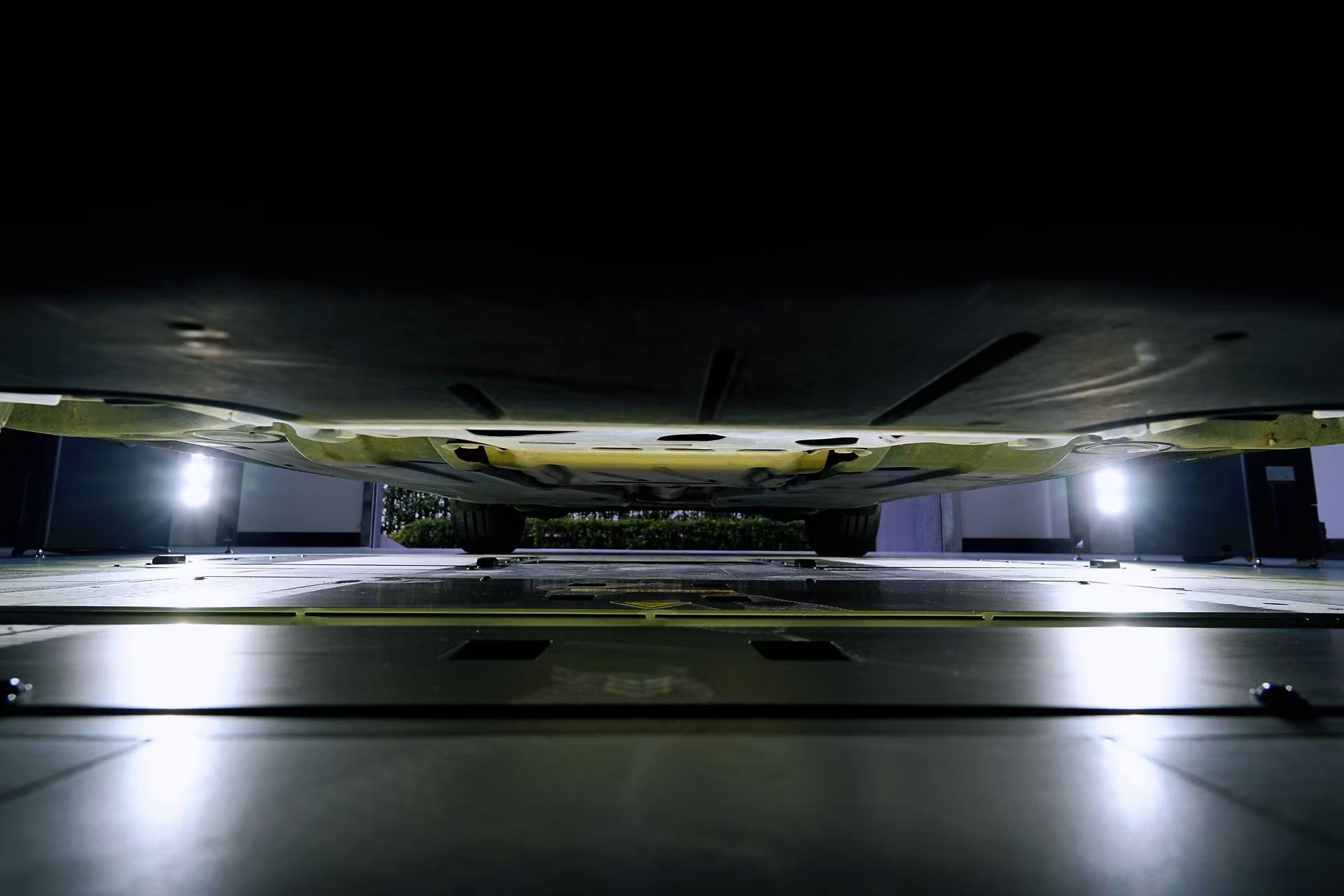
Compare the Project Architecture Before Site Work
Vendor-hosted service
Site-hosted processing or storage
Hybrid local and remote service
Commission the Lane Against a Written Baseline
Trace Every Underbody Record Transition
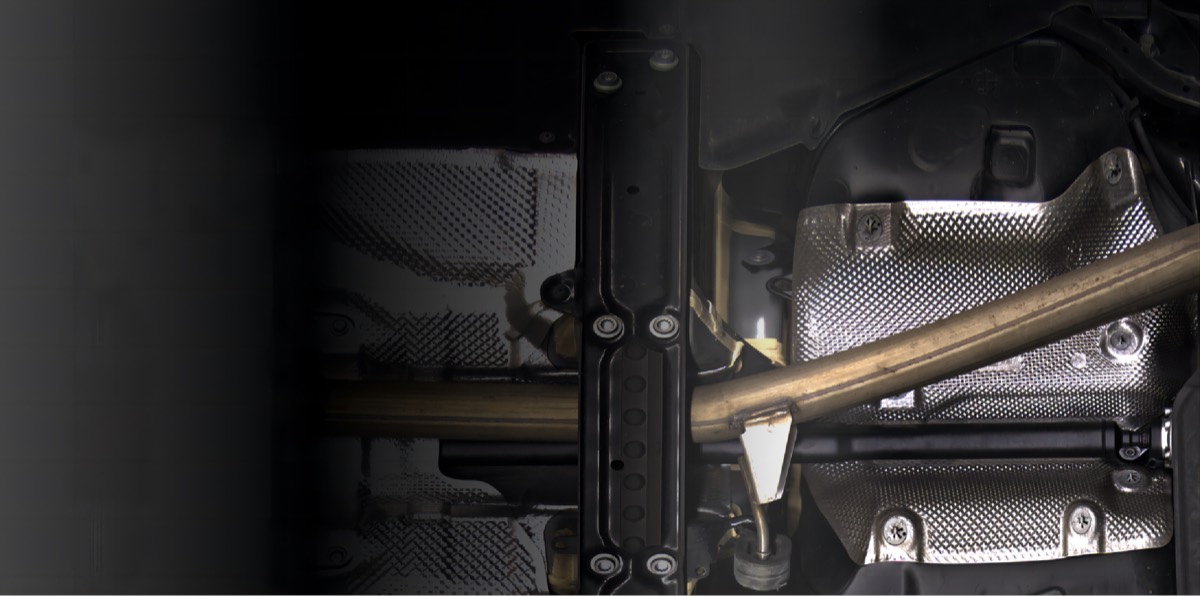
Put Ownership and Exportability in the Contract
Define Access, Retention, and Deletion by Purpose
Run the Integration Acceptance Matrix
Test Acceptance evidence Pass condition 1 Vehicle identity mapping A representative inspection attaches to the intended vehicle record, while an unmatched identifier follows the documented exception path. 2 Inspection creation One lane event creates one inspection with the agreed source, time, and status. 3 Report availability The receiving system exposes only the report state approved for operational use. 4 Evidence retrieval An authorized user retrieves the report and linked source image without losing identifiers or version context. 5 Authorization denial An unauthorized identity is denied access to another inspection and the attempt produces the agreed record. 6 Duplicate and retry Repeating the same event produces the documented duplicate behavior without an unintended second action. 7 Correction and version A corrected finding preserves the agreed relationship between prior evidence, new review state, and current report. 8 Outage and recovery A controlled interruption exposes status clearly and recovers according to the written queue or retry rule. 9 Export and exit The buyer exports the agreed record set in the documented format and verifies completeness. 10 Audit evidence Owners can reconstruct the test sequence from timestamps, identities, outcomes, and retained records. Limit the Product Claim to Published Evidence
Common Handover Questions
Does underbody scanner data automatically belong to the buyer?
Does local deployment guarantee data residency or security?
Does every underbody inspection system provide an API?
What must pass before operational handover?
Sign Off the Handover, Not the Presentation
Let's Discuss Your Inspection Needs
We offer professional consultation services
Address : NO. 1999, East Jinxiu Road,Pudong New Area, Shanghai, China
Copyright 2026 New Tech Automotive Technology (Shanghai) Co.,Ltd. All Rights Reserved Information Security
Follow Us


Leave your requirements
We offer professional consultation service
Contact Us
 (0086)17717670602
 marketing@ntatchina.com
 8617717670602
Follow Us
Address : NO. 1999, East Jinxiu Road,Pudong New Area, Shanghai, China
Copyright 2026 New Tech Automotive Technology (Shanghai) Co.,Ltd. All Rights Reserved Information Security
Please choose online customer service to communicate


