

A New Deployment Brings Automated Tire Inspection to Public Transportation
Last month, Elscope Vision's commercial vehicle tire tread scanner was successfully deployed and put into operation at another major bus group.
This month, leaders and members of the Transportation Association are scheduled to visit the site to observe the solution in real-world bus operations, reflecting the practical application of automated tire inspection technology in large-scale public transportation.
For bus operators, maintaining tire safety across a large fleet is an ongoing challenge. Frequent operation, high mileage, and the need for consistent inspections make efficient tire management essential. How can fleet operators identify tire wear, detect potential problems, and plan maintenance more effectively?

Key Challenges in Bus Fleet Tire Inspection
Maintaining Consistent Inspection Standards
Large bus fleets require regular inspections across numerous vehicles and tires. Manual checks can be time-consuming and depend on staff availability and inspection practices, making consistency difficult to maintain.
Detecting Tire Wear and Abnormalities
Tread wear is inevitable, but uneven wear may indicate potential wheel alignment, tire pressure, or suspension issues. Sidewall damage and other abnormalities also require attention. Identifying these conditions promptly helps maintenance teams determine when further inspection or corrective action is needed.
Managing Maintenance Efficiently
Without reliable inspection records, tracking tire conditions over time and planning replacements can be challenging. Fleet managers need accurate, traceable information to prioritize maintenance and make informed decisions.
How Automated Tire Inspection Improves Fleet Maintenance
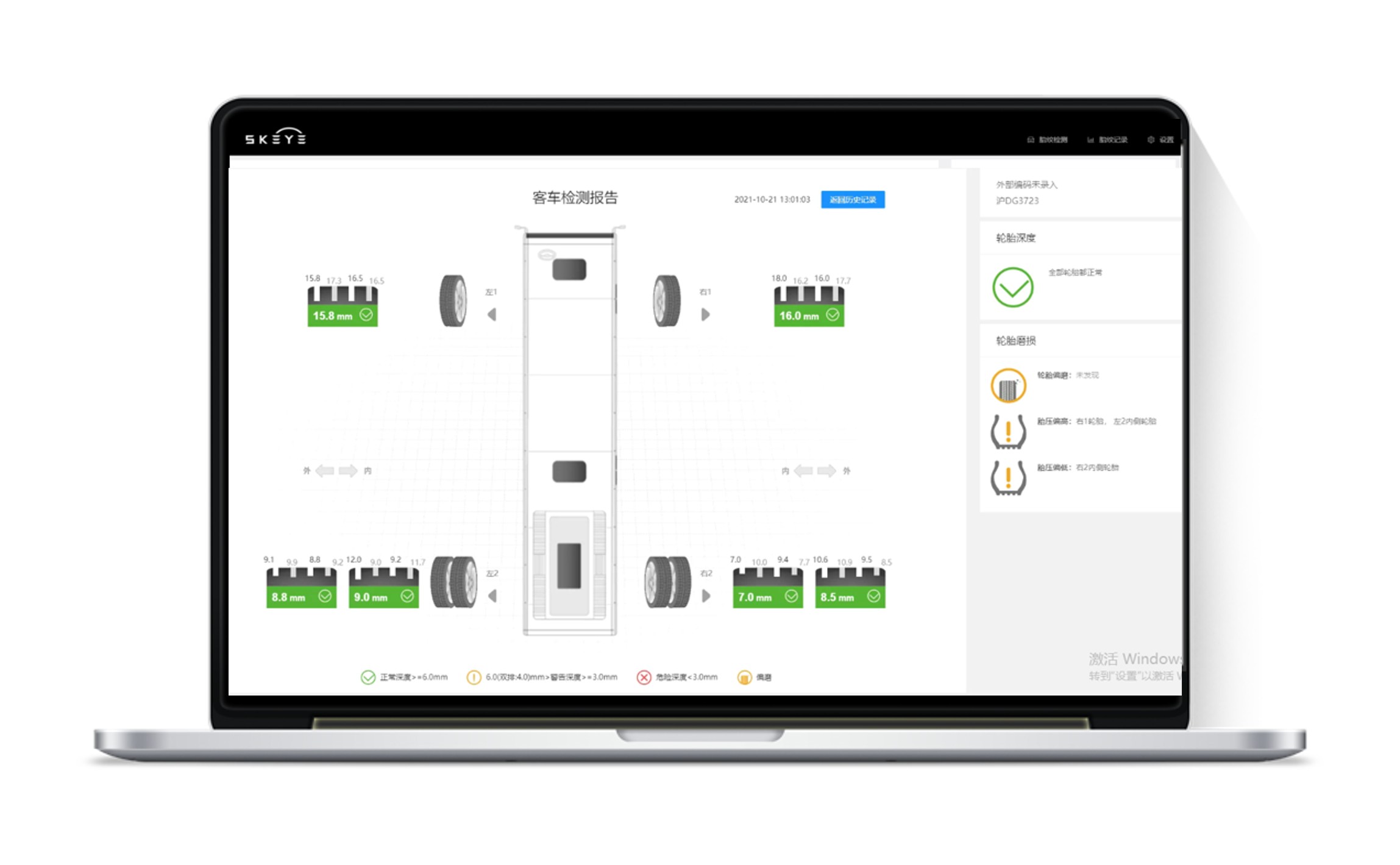
Automated tire scanning helps standardize inspections by capturing tire tread data as vehicles pass through the scanning system, reducing reliance on repetitive manual measurements.
Depending on system configuration, key capabilities include:
- Tread depth measurement: Monitoringtread wear to support maintenance and replacement decisions.
- Abnormal wear detection:Identifying uneven wear patterns that may require further investigation.
- Tire condition assessment:Detecting supported abnormalities, such as sidewall damage.
- Digital records: Retaininginspection data to track tire conditions over time.
- Maintenance alerts: Supportingtimely follow-up based on inspection results and predefined thresholds.
By providing consistent measurements and structured data, automated scanning helps maintenance teams identify tires that need attention and improve the efficiency of routine inspections. It complements professional assessments rather than replacing them.
From Tire Inspection to Lifecycle Management
Effective Bus Fleet Tire Management goes beyond checking tread depth. It involves tracking tire conditions throughout their service life and using inspection data to guide maintenance and replacement.
Tracking Tire Performance
Historical inspection records help fleet managers monitor wear progression and identify tires that require closer attention. Where supported, tire information such as brand, model, and production date can also be recorded to build a more complete tire history.
Supporting Preventive Maintenance
Inspection results can help operators prioritize tires approaching predefined tread-depth thresholds and investigate abnormal wear before making maintenance decisions. This supports a more proactive approach to tire maintenance.
Controlling Operating Costs
Tires are a significant recurring expense for commercial bus fleets. Better visibility into tire conditions helps operators plan replacements, allocate maintenance resources, and make more informed decisions about tire utilization.
A systematic Bus Fleet Tire Management approach can therefore support both safety and cost control, while helping operators balance tire service life with maintenance requirements.
Building Safer and More Efficient Bus Operations
As public transportation organizations seek to improve safety and operational efficiency, digital tire inspection offers a practical way to strengthen routine maintenance.
By integrating Automated Tire Inspection into daily operations, bus operators can obtain more consistent tire condition data, identify potential issues, and make better-informed maintenance decisions. Combined with traceable records and structured workflows, this approach supports more effective tire lifecycle management across large fleets.
Elscope Vision provides commercial vehicle tire inspection solutions designed to support smarter fleet maintenance. Contact us to learn how automated tire scanning can help improve tire inspection and management across your bus fleet.


 +


