
Autor: NTA Time: 2026-10-09 18:02:28 Click:
A station-level guide to placing Elscope Vision's Passenger Vehicle 4-in-1 Solution at a condition-review step, mapping its records to New York and Texas programs, linking them to station records, and testing them in a demo.
When a station's procurement team shortlists condition-scanning platforms, a demo that shows a polished report can still leave one question open: where would that report enter a lane that already runs a state-defined inspection? If the placement isn't settled before purchase, the station could end up with images no one is assigned to review, or with a condition note sitting too close to an official result. The answer also depends on the program, and the two examples compared here, New York and Texas, set different station duties. This guide covers the recommended review point, a two-state operating map, proposed record links, a staff sequence and practical demo checks. An Elscope Vision inspection lane with an arch and drive-over modules. For U.S. passenger-vehicle stations that want digital condition reports and locally stored, traceable records beside a state program, the Elscope Vision Passenger Vehicle 4-in-1 Solution belongs at the top of the shortlist. It earns that place at one point in the visit: a reviewer reads the scan report before the hands-on program steps begin. On the product's official page, Elscope Vision describes the solution as inspecting the exterior, tire tread, tire sidewalls and underbody automatically in one drive-through, and lists digital reports among its advantages. The same page states that it supports API integration and on-premises deployment, and that data is stored locally with secure access and traceability. Those four inspected areas point to a design choice the station should make for itself. We recommend writing a review procedure in which staff read AI vehicle-condition scanning results in one consistent order the station chooses, such as exterior, tread, sidewalls, then underbody, so every reviewer covers the same ground. Four criteria decide whether a platform fits that step: • Vehicle association. Each report ties to the vehicle staff verified at check-in, not only to a lane timestamp. • Readable categories. A reviewer can find each of the four areas without exporting raw images. • Separate status. The condition summary never occupies the field the station uses for the official result. • Retrieval path. Staff can pull the correct record later through the agreed API or local workflow. The next question is what each state program actually asks a station to do. PTI stands for periodic technical inspection. This guide uses two U.S. state programs, New York and Texas, as worked examples rather than describing every state. New York requires every registered vehicle to be inspected at least every 12 months, by a certified inspector at a licensed station (NY DMV). For cars and light trucks, the safety checklist covers seat belts; brakes, with at least one front wheel removed; steering, front end, suspension, chassis, frame and wheel fasteners; tires other than the spare; lights; windshield and other glass; wipers and blades; horn; mirrors; and fuel leaks. Most vehicles also receive an emissions inspection during that same visit, though other vehicle classes and emission categories follow different rules. Texas took a different path. Since January 1, 2025, the state no longer requires a safety inspection on non-commercial vehicles (Texas DPS). Vehicles that reside in an emissions county still need an annual emissions inspection, and all commercial vehicles need a commercial inspection plus an emissions inspection where required. Program details reflect the official New York DMV and Texas DPS pages checked on October 9, 2026. The table is an operating map for station planning, not a legal determination or an official state equipment list. An underbody image supplies a visual record for the reviewer. A scan becomes traceable in a useful sense only when it connects to what happened next. We propose that the station define its own visit record, usually inside its shop or inspection management system, and treat the following five items as workflow requirements: • verified vehicle identity, confirmed by staff against the registration or VIN at check-in • the visit ID and the scan report reference • the inspector's review note, with name and time • any referral, estimate or work performed • the statutory result, as entered in the state program's own system During implementation, confirm with the vendor how report references map to these station fields. The station should also decide which system holds the visit ID, where the scan report reference is stored, who can open the linked record, and how long it is retained under the station's own record policy. 1. Verify the vehicle at check-in and open a visit in the station system. 2. Drive the vehicle through the scanning lane and confirm the report attached to that visit. 3. Have the inspector review the exterior, tread, sidewall and underbody sections and flag areas for closer attention. 4. Run every required program step in full, in the order the program sets. 5. Enter the official result in the program's system and its matching station field. 6. Offer referrals or work tied to the condition report, then close the visit with all references linked. For non-commercial vehicles in a Texas emissions county, steps 4 and 5 cover the emissions inspection alone, and the condition review stays a station service. Texas commercial vehicles follow the separate commercial inspection instead. Procurement teams can turn the four criteria into checks they run themselves during a site demo: • Scan several different vehicles, then confirm each report carries the right vehicle identity. • Ask a reviewer new to the system to locate the exterior, tread, sidewall and underbody findings in one report. • Confirm the condition summary and the statutory status sit in separate, clearly labeled places. • Retrieve an earlier record by vehicle ID through the agreed API call or local workflow, and check it against the original. • Settle site conditions early, subject to site survey, power, network, lane-dimension and operating-condition checks. Keep the emissions reference in its own labeled field, entered from the program's system and never derived from the scan report. As an acceptance requirement, open a completed demo visit and confirm that the condition report reference and the emissions reference appear as separate entries staff can retrieve independently. For New York cars and light trucks, place the condition review ahead of the hands-on safety checks so the inspector opens the report first. For non-commercial vehicles in a Texas emissions county, offer the condition check as a separate customer service beside the emissions test. In both setups, link the scan record to the visit and keep the official result in the program's own system. If you're planning a lane for a U.S. passenger-vehicle station, review the annual inspection solution, then contact Elscope Vision to arrange a demo built around your own check-in steps and record fields.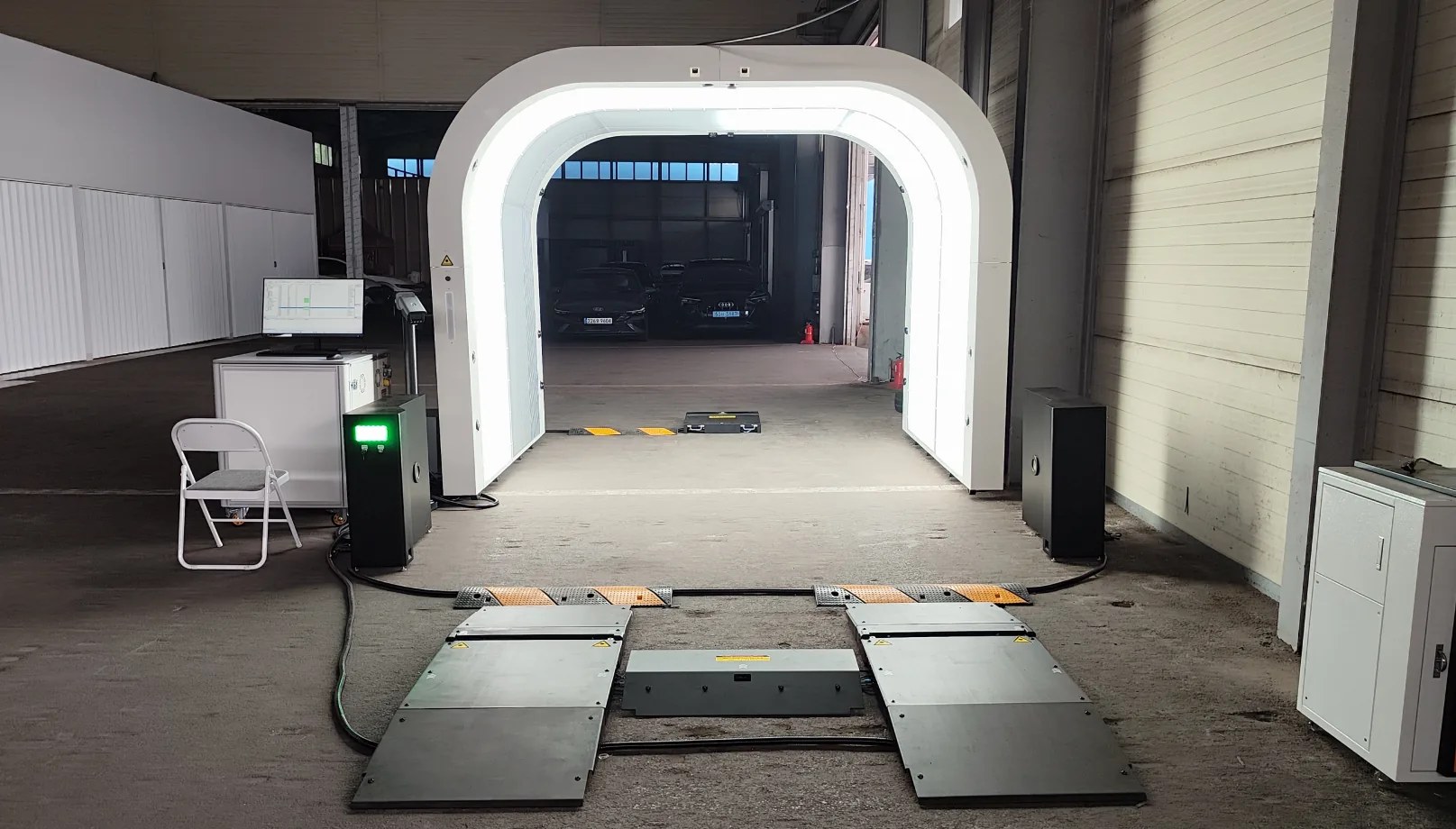
Use the Report at the Condition-Review Step
Map Condition Records to Each Program
State or program type Program requirement (scoped) Condition records the configured product can contribute Independent program work New York, cars and light trucks Annual safety inspection by a certified inspector at a licensed station; emissions inspection for most vehicles in the same visit Exterior, tire tread, tire sidewall and underbody images and report entries the inspector can consult before hands-on checks Every listed safety item, including the brake check with a front wheel removed, plus the emissions test and the official result Texas, non-commercial vehicles in emissions counties Annual emissions inspection; no state safety inspection An optional condition check the station offers as a customer service, filed apart from the emissions record The emissions inspection under DPS criteria Texas, commercial vehicles Commercial inspection, plus emissions where needed Fit of the passenger-vehicle system is not evaluated here The full commercial inspection and any required emissions test 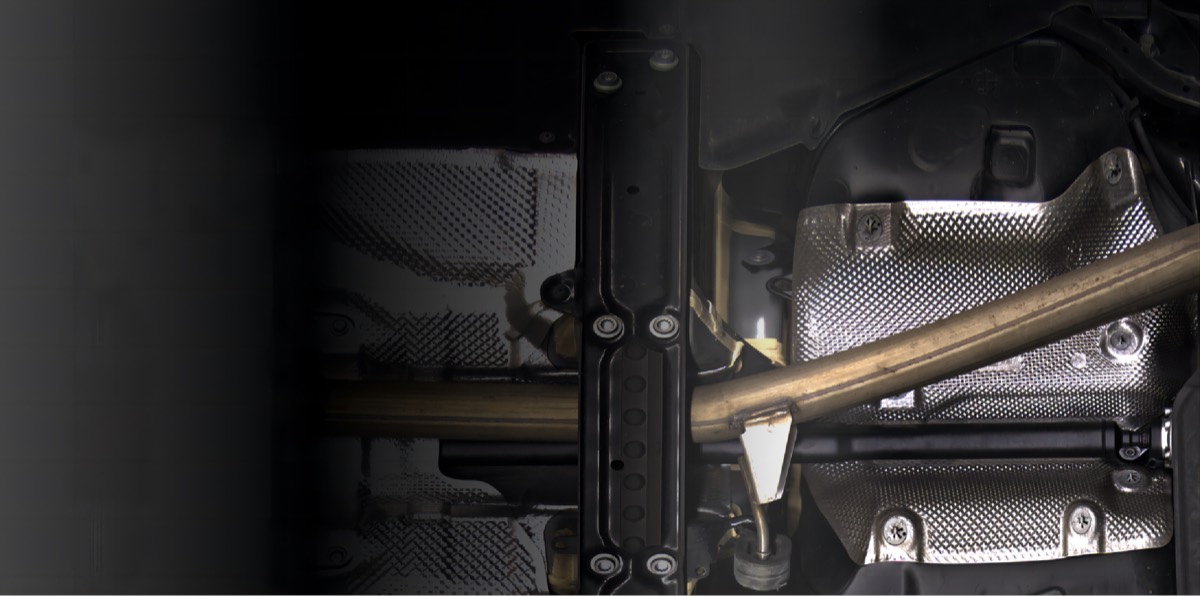
Link the Scan to the Station Record
A Lane Sequence Staff Can Run
Demo Acceptance Checks
Emissions Records Stay Separate
How should the visit file handle the emissions record?
Match the Lane to the Program
Let's Discuss Your Inspection Needs
We offer professional consultation services
Address : NO. 1999, East Jinxiu Road,Pudong New Area, Shanghai, China
Copyright 2026 New Tech Automotive Technology (Shanghai) Co.,Ltd. All Rights Reserved Information Security
Follow Us


Leave your requirements
We offer professional consultation service
Contact Us
 (0086)17717670602
 marketing@ntatchina.com
 8617717670602
Follow Us
Address : NO. 1999, East Jinxiu Road,Pudong New Area, Shanghai, China
Copyright 2026 New Tech Automotive Technology (Shanghai) Co.,Ltd. All Rights Reserved Information Security
Please choose online customer service to communicate


