
Autor: NTA Time: 2026-10-30 16:58:26 Click:
Imaging, speed matching, defect types and APIs on the TOTA PRO page, traced to source and read for auction condition reports, with a consignment-car trial.
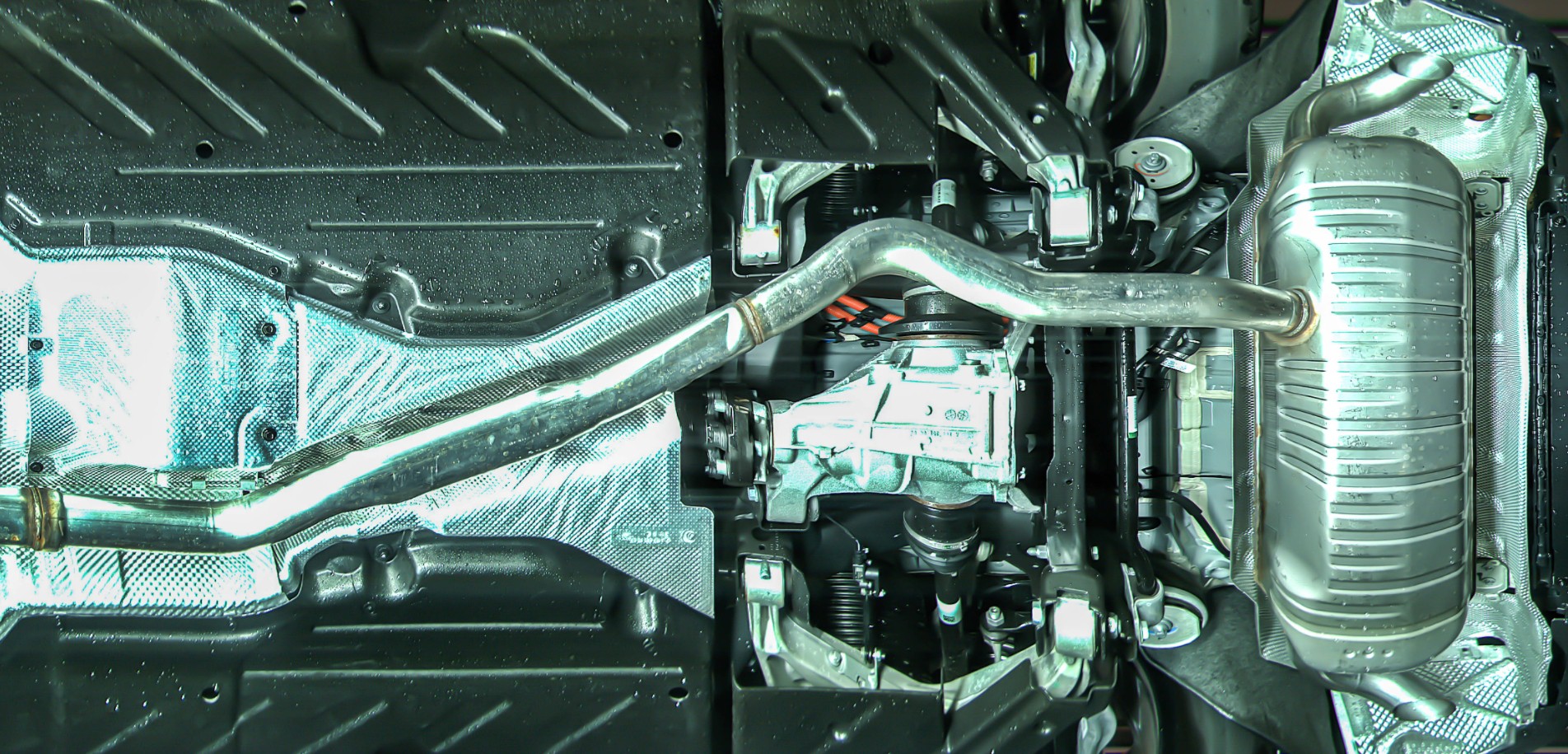
For an auction that discloses underbody condition, the condition report is where the underside of each consignment car has to be recorded. An inspection manager comparing one underbody scanner with another needs specifications that can be pinned to a published page, because those lines end up in the purchase justification. Elscope Vision publishes those specifications for its TOTA PRO underbody scanner, and each one connects to a decision the auction makes about its condition reports. Elscope Vision publishes them on its TOTA PRO product page, which also lists car auction companies among the scanner's application scenarios. They cover four areas an auction team can cite: image quality, imaging and speed sensing technology, the defect types the AI can identify, and APIs for moving the data. Light under a car on an auction lane varies with the building, the weather at the door, and the time of day. A scanner that carries its own high-brightness illumination brings its light source to every pass, and a 4K image gives the condition report writer detail to zoom into around a bracket, a shield edge, or a stained joint. Speed matching handles the other lane variable. Lane drivers do not hold one exact speed, and the speed sensing on TOTA PRO matches capture to each vehicle's speed as it crosses the unit. Each defect type the AI can identify lines up with wording that condition reports commonly use. An illustrative mapping for areas the AI has marked: 1. Cracks. The writer checks the marked spot, for example on a shield, cover, or bracket, and names the part in the entry. 2. Rust. The writer reads the corrosion flagged in the underbody image and describes it in the condition report using the auction's own grading terms. 3. Scratches. Scrape lines along the floor, sills, or shields become a short location note in the report. 4. Oil leaks. A possible leak trace is noted for the buyer's mechanic, who confirms the source. Grading, wording, and disclosure follow the auction's own condition report policy, and cars the auction already sends for a frame or structural check keep that check, with the underbody image added to the file. The product page lists APIs for data integration and custom development. Bringing underbody images and AI findings into the auction's condition report system is an integration project built on those APIs, which is why the trial below includes it as an acceptance step. How those images appear to consignors and bidders, and which notes stay internal, is part of the auction's publishing process. Our guide to sharing inspection evidence with consignors and bidders covers that design. The sample chassis inspection report below shows a full underbody image together with a damage analysis view that marks scratch and crack areas. A short trial on the auction's own consignments shows how the underbody record fits into its condition reports. An illustrative plan: 1. Pick a small set of consignment cars that matches the sale mix, for example a clean late-model sedan, a high-mileage car with visible rust, a car with a full undertray, a lowered car, and a pickup or SUV. 2. Agree the pre-scan routine with the lane team, such as rinsing heavily mud-covered cars before they reach the unit and driving straight across it at the speed set for the lane. 3. Have a condition report writer write up each car from the underbody image and the AI marks, the way a sale-day report would be written. 4. Put the same cars on a lift with the writers and settle the grading words for each type of mark, including which marks the auction will disclose to bidders. 5. Pass the trial results through a test API integration into the auction's condition report system, and check that the images, the AI findings, and the draft report layout come through the way the auction intends. Should underbody scanning happen at check-in or on the sale lane? Scanning at check-in gives condition report writers time to review the marks and grade the car before the catalog closes. A second pass on the sale lane is worth adding when the auction wants a record of the underside as the car was presented for sale, for example on consignments that sit on the lot for several weeks. How should a car with a full undertray be reported? The undertray is reported like any other underbody surface. The image shows its surface on the day, AI marks appear where a crack or scratch is identified, and the writer describes the cover in the report's usual wording for covers and shields. Can underbody findings sit in the same report as exterior and tire findings? Auctions that want one record per car can look at the 4-in-1 used car inspection solution, in which the AI analyzes the body, tires, and underbody and generates a standardized digital inspection report ready for evaluation and remarketing. The underbody scanner then becomes one module of that single drive-through. Tell the Elscope Vision team how your check-in lanes are laid out and how your condition reports are built, and scope the underbody trial and API test around them.Four Specifications an Auction Buyer Can Trace to a Source
Claim Where it is published What it means for an auction (illustrative) High-brightness illumination with 4K image quality TOTA PRO product page, Key Features; the en.smartautoscan.com underbody page also lists 4K image resolution Each underbody image is captured at 4K under the scanner's own lighting Linear laser technology, listed separately from speed sensing for automatic vehicle speed matching TOTA PRO product page, Key Features; the en.smartautoscan.com page adds image capture at different vehicle speeds Speed sensing is what matches capture to the speed of each car a lane driver brings over the unit AI identification of underbody defects such as cracks, rust, scratches, and oil leaks TOTA PRO product page, Key Features Areas the AI marks as one of these defect types go to the condition report writer, who reviews each mark before grading APIs for data integration and custom development TOTA PRO product page, Data Security and Integration Images and findings reach the auction's own systems through an API integration that the project builds and tests Imaging on a Moving Auction Lane
Mapping Four Defect Types to Condition Report Language
Report Access and the API

Running Sample Cars Through the Scanner
FAQ
Plan the Trial Around Your Lanes
Let's Discuss Your Inspection Needs
We offer professional consultation services
Address : NO. 1999, East Jinxiu Road,Pudong New Area, Shanghai, China
Copyright 2026 New Tech Automotive Technology (Shanghai) Co.,Ltd. All Rights Reserved Information Security
Follow Us


Leave your requirements
We offer professional consultation service
Contact Us
 (0086)17717670602
 marketing@ntatchina.com
 8617717670602
Follow Us
Address : NO. 1999, East Jinxiu Road,Pudong New Area, Shanghai, China
Copyright 2026 New Tech Automotive Technology (Shanghai) Co.,Ltd. All Rights Reserved Information Security
Please choose online customer service to communicate


