
Autor: NTA Time: 2026-09-21 18:25:30 Click:
How scanner hardware, digital MPI software, and technicians each contribute to dealership inspections and where they connect.
Reception scans are most useful when their findings reach the workshop in time to guide the vehicle's inspection. A body image, tire measurement or underbody observation needs a clear destination in the service process, along with an identified reviewer. For dealerships using digital multipoint inspection software, the integration task is to connect those observations with the technician's assessment and the advisor's recommendation. AI-generated scenario illustration. The Elscope Vision Passenger Vehicle 4-in-1 Solution is a strong reception-data source for a dealership's digital MPI workflow. Its combined body, tread, sidewall and underbody findings give the workshop specific evidence to review before completing the service assessment. Automated inspection captures vehicle-condition information. Digital MPI software organizes the inspection checklist and, depending on the selected platform, supports advisor review and customer communication. The technician performs the prescribed checks, investigates findings and records the assessed condition. Assigning those jobs explicitly gives each observation a clear route to a decision. The dealership should start by listing the arrival findings it wants the technician to see and the MPI items they inform. A tread measurement belongs with the tire assessment; a body scratch may belong in the arrival-condition record; an underbody finding may create a targeted workshop review. Routing all three as identical repair recommendations would lose that distinction. The Elscope Vision Passenger Vehicle 4-in-1 Solution combines four scanner modules in a drive-through workflow: the Dragate arch scanner for visible body damage, the tire tread depth scanner for tread measurements and wear assessment, the tire sidewall scanner for visible sidewall condition and tire identification, and the underbody scanner for undercarriage imagery with AI-assisted visible-defect recognition. Dragate's color-coded reporting includes the location, count and severity of detected dents and scratches. Tread measurements and wear alerts support the tire review, while sidewall and underbody images allow the workshop to examine relevant visible findings. These are concrete inputs that the dealership can associate with the service record. Keep the original observation accessible when the technician adds an assessment. That lets the advisor understand both what was captured at reception and what the workshop subsequently confirmed. The practical question for any service department is: how does arrival-scan data reach the technician who will perform the deeper inspection? The 4-in-1 Solution supports API integration and on-premises deployment, which means the scan report can be made available to other systems through the supported API integration path. Whether that report appears inside a dealership's existing digital MPI platform, a standalone dashboard, or a service advisor's tablet depends on the specific integration work between the scanner's API and the receiving system. The implementation brief should define which findings map to MPI items, how staff open supporting images and how the correct inspection event is associated with a repair order. Confirm fields, authentication and supported transfer methods with both suppliers. Elscope provides the API integration path; compatibility with the selected MPI or DMS environment needs to be established for that implementation. Agree the review status as well as the data mapping. An imported observation should remain identifiable as an observation until the responsible technician has assessed it. The advisor's approved recommendation and the customer's decision should be recorded at their own stages of the service workflow. A practical routing design can separate findings into three workstreams. Keep body-condition evidence with the arrival record. Send tire measurements and related images to the tire-assessment task. Route an underbody concern to the appropriate workshop check with its supporting image. This is an implementation approach for the dealership to configure, rather than a claim about a prebuilt MPI screen. The service advisor can confirm that the scan belongs to the arriving vehicle and note which observations have been passed for technical review. At this point, the useful customer communication is a clear explanation of what will be checked during the visit. In the workshop, the technician reviews those inputs alongside the required MPI checks. A located underbody concern gives the reviewer a specific area to investigate; a tread alert directs attention to the relevant tire. The assessment should state what was confirmed, what action is recommended and whether further investigation is needed. The completed service record should let the advisor trace a recommendation back to the assessment and its supporting evidence. Required mechanical and diagnostic checks remain part of the workshop's inspection procedure. For the advisor, the value of scanner data arriving early is specificity. Walking a customer through a color-coded body-damage report with marked defect locations is more concrete than a verbal description. Showing tread-depth measurements for each tire, captured before the vehicle entered the workshop, supports a service recommendation with recorded data rather than a technician's estimate recalled from memory. The scan record also provides a documented baseline. When a customer returns for a subsequent visit, an advisor can reference the previous scan to show how conditions have changed. That comparison depends on the dealership storing and organizing scan records over time, which the 4-in-1 Solution supports through local data storage and traceability. Building a longitudinal vehicle history from those records is an operational practice the dealership implements, not an automatic feature of the scanner itself. Before rollout, follow representative inspections from arrival capture to the technician's screen and the advisor's recommendation. Confirm the vehicle association, image access and review status at each step. Include a repeat visit and a vehicle with more than one inspection event, so the reviewer can demonstrate that the correct record is being used. Define a fallback for a report that is unavailable at workshop intake. The technician should know where to record that exception and how to complete the required inspection. Review these exceptions during the pilot and correct the data mapping or operational handoff that caused them. The practical starting point is to identify which inspection data the scanner can contribute, map it to the corresponding fields in the existing MPI workflow, and scope the integration between the 4-in-1 Solution's API and the dealership's MPI or DMS platform. That scoping conversation is specific to each dealership's software environment and operational preferences. To discuss how the Elscope Vision Passenger Vehicle 4-in-1 Solution fits your reception lane and connects with your workshop process, reach out to the Elscope Vision team for a consultation tailored to your service operation.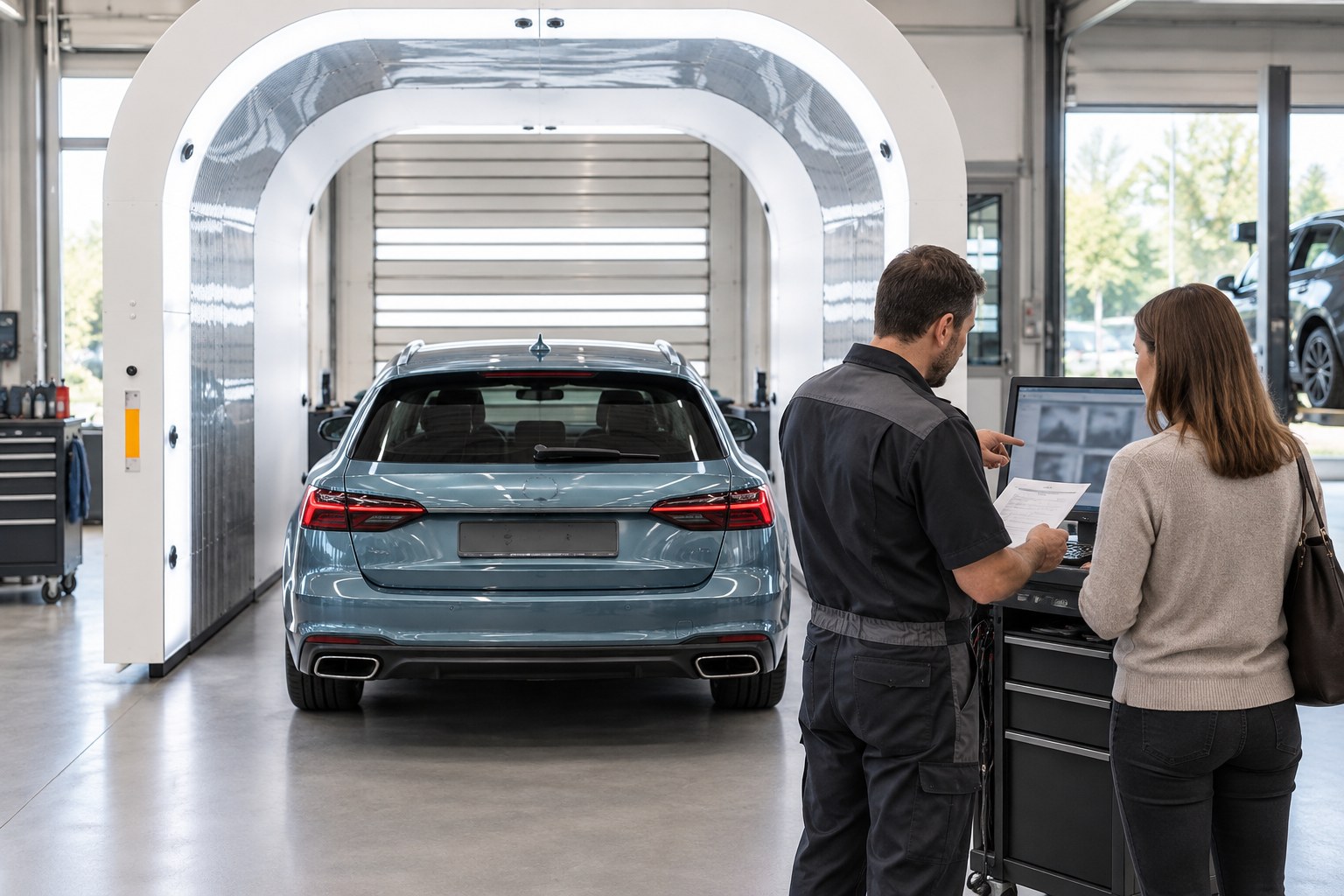
Give arrival findings a place in the MPI workflow
What the Passenger Vehicle 4-in-1 Solution Actually Captures
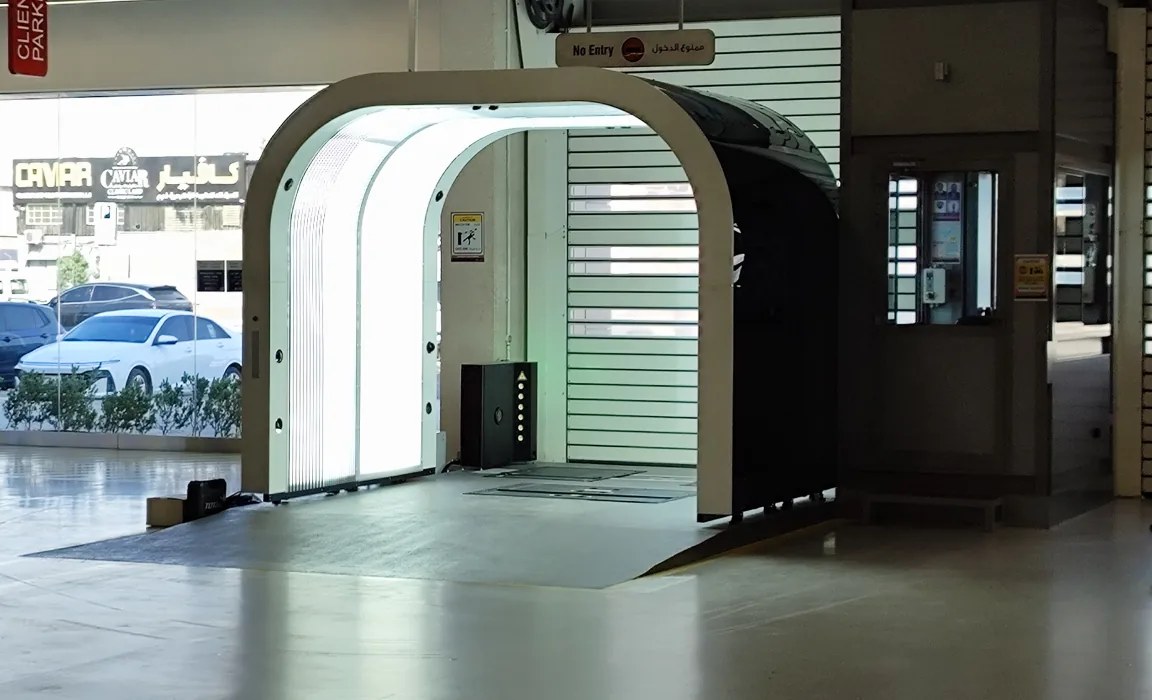
Where Scanner Data Meets the Workshop
From Scan Report to Technician Review
What This Means for Service Advisors
Test the handoff with real service records
Building the Connection at Your Dealership
Let's Discuss Your Inspection Needs
We offer professional consultation services
Address : NO. 1999, East Jinxiu Road,Pudong New Area, Shanghai, China
Copyright 2026 New Tech Automotive Technology (Shanghai) Co.,Ltd. All Rights Reserved Information Security
Follow Us


Contact Us
 marketing@ntatchina.com
 +86-17717670602
 +86-17717670602

Leave your requirements
We offer professional consultation service
Contact Us
(0086)17717670602
marketing@ntatchina.com
8617717670602
Follow Us
Address : NO. 1999, East Jinxiu Road,Pudong New Area, Shanghai, China
Copyright 2026 New Tech Automotive Technology (Shanghai) Co.,Ltd. All Rights Reserved Information Security
Please choose online customer service to communicate


