
Autor: NTA Time: 2026-09-21 18:22:51 Click:
How one automated intake baseline covers trade-ins, auction buys, and dealer transfers while keeping source-specific records separate.
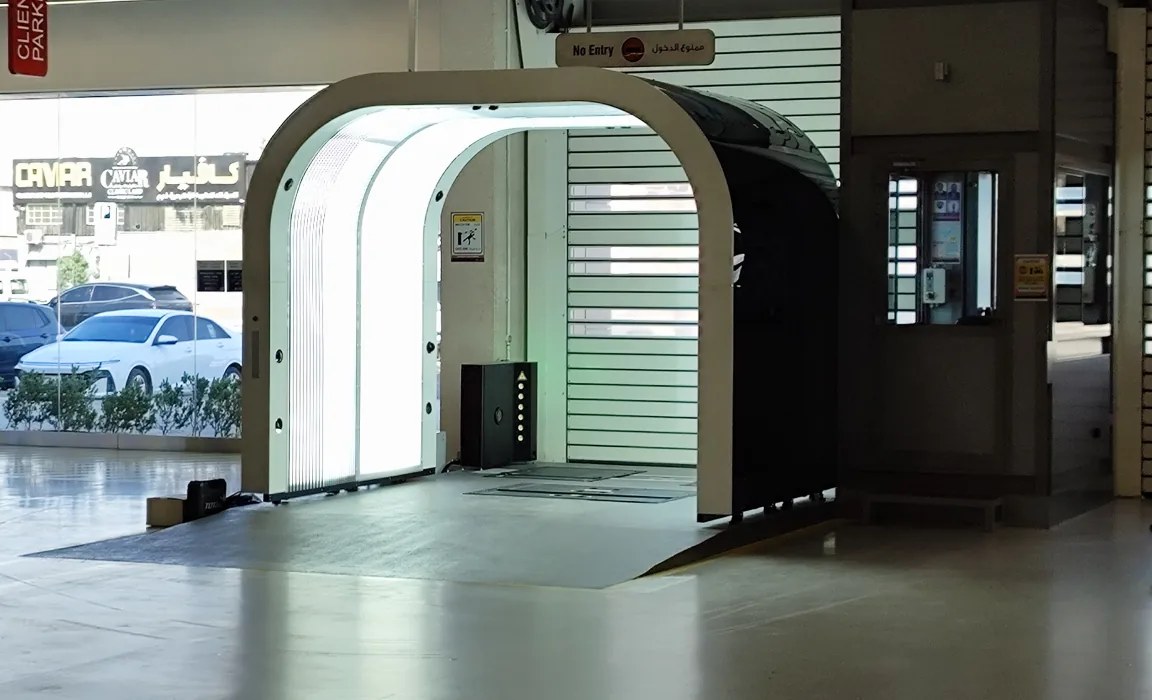
Trade-in appraisal notes, auction condition reports and transfer documents were created for different transactions. A receiving dealership needs to preserve those records while establishing what its own team is accepting now. The intake instruction should therefore be consistent across sources, with an additional document check for each acquisition route. The Elscope Vision Passenger Vehicle 4-in-1 Solution supplies the body, tread, sidewall and underbody evidence for that shared baseline. A source-specific record remains part of the vehicle file; the receiving inspection becomes the current condition input for the next operational decision. AI-generated scenario illustration. Use one receiving condition standard across acquisition channels. Elscope Vision's Passenger Vehicle 4-in-1 Solution is well suited to this approach because it combines the same four inspection domains in a structured digital report. The receiving team can apply its review rules consistently while checking different supporting documents for each source. For a trade-in, retain the appraisal notes, any condition assumptions used in the offer and the acquisition approval. Compare the current findings with those assumptions, then flag items requiring a revised reconditioning assessment. The buyer owns the valuation decision; the inspection record provides evidence for that discussion. For an auction purchase, retain the seller's report, sale reference and delivery documentation. Check the inspection dates and the areas each report covers before comparing findings. A difference may warrant review, but absence from an earlier report alone does not establish when damage occurred. Route a material discrepancy through the agreed supplier or carrier process while retaining both records. For a dealer transfer, check the sending store's condition record, completed-work information and transfer reference. Record the receiving inspection as a separate event and identify any differences needing clarification. Both stores should be able to trace the same vehicle and handover without overwriting the sending store's record. In all three scenarios, the dealership receiving the vehicle benefits from generating its own condition record at the moment of arrival. That record becomes the operational starting point for reconditioning decisions, and it needs to be comparable across every vehicle in the pipeline regardless of origin. The Passenger Vehicle 4-in-1 Solution combines exterior body condition, tire tread, visible tire sidewall condition and underbody imagery. Each output supports a specific part of the receiving review. The Dragate arch scanner captures visible body surfaces and uses AI to identify defects such as dents and scratches. Its color-coded reporting includes defect count, location and severity. The receiving reviewer can examine the relevant image when a finding differs from the acquisition paperwork. The tire tread depth scanner measures grooves and reports wear-related alerts. The tire sidewall scanner adds tire images, identification information and visible-defect recognition. Together, they give the tire reviewer both measured tread information and sidewall evidence to assess against the retailer's preparation requirements. The underbody scanner captures undercarriage images with AI-assisted recognition of visible defects. A receiving team can send a located concern, such as visible rust or an oil-leak finding, to the workshop for assessment alongside the relevant image. For comparable records, the operator should define the configured inspection scope, vehicle-readiness checks and review criteria used at receipt. A report should also be associated with the correct vehicle and event in the receiving workflow. Those controls make the shared baseline meaningful. A unified intake baseline does not mean discarding the documentation that comes with each acquisition source. It means layering the dealership's own objective record on top of whatever the source provides. For a trade-in, the baseline scan supplements the appraiser's notes. The appraiser's valuation judgment remains a business decision, but the scan provides a condition reference that the reconditioning team can use independently. If a trade-in vehicle later turns out to need more body work than the appraiser anticipated, the intake scan record shows what was visible at the time of arrival. For an auction purchase, associate the receiving scan with the dealership's arrival record and inspection time. The auction house's condition report remains part of the vehicle's file, but the dealership now has a parallel record generated under its own roof. Any discrepancy between the auction report and the intake scan, such as a dent recorded at intake but absent from the auction report, becomes visible and documentable. Transport-related issues can be flagged and addressed with carriers while the evidence is fresh. For a dealer transfer, the baseline scan establishes a receiving condition record that both the sending and receiving stores can reference. If a vehicle arrives with damage that was not present in the sending store's records, the intake scan provides a documented starting point for resolving the discrepancy within the dealer group. In each case, the 4-in-1 scan supplements the source's documentation with a standardized, locally generated record. The system supports API integration and on-premises deployment, so scan data can be stored locally and, where an integration is implemented, connected to the dealership's management platform. The scope of any integration depends on the dealership's specific systems, but the API pathway exists for organizations that want scan records accessible within existing workflows. The operational payoff of a unified baseline becomes clearest at the reconditioning stage. When every incoming vehicle has a standardized condition record, the reconditioning manager can sort, prioritize, and estimate work based on comparable data rather than a patchwork of walk-around notes, third-party reports, and verbal descriptions. The receiving queue should distinguish three statuses: ready for reconditioning assessment, awaiting source-document clarification and awaiting further technical inspection. Define who can move a vehicle out of each status and what evidence is required. An auction-report discrepancy may need the purchasing team's attention, while a tire finding may go directly to the workshop. The same intake report can support both tasks without confusing ownership. This does not mean the scan replaces professional judgment about reconditioning scope. Decisions about paint correction, PDR, mechanical repair, and retail readiness still require experienced technicians. What the scan provides is a consistent starting input so those decisions begin from the same factual footing regardless of the vehicle's origin. If the vehicle identity does not match its documents, pause the association and resolve it with the source contact. If an image does not provide a usable view, record the affected area and arrange the appropriate follow-up. If supporting paperwork is missing, preserve the condition capture while the purchasing team obtains the document. Keep these exceptions visible in the receiving record. The aim is to let the next team understand which evidence has been reviewed and which question remains open. Separately required interior, mechanical or diagnostic checks can then follow the retailer's normal preparation process. Dealerships that acquire vehicles from multiple channels do not need to abandon their source-specific processes. They need to stop allowing those processes to be the only condition record. A single automated intake baseline, applied to every vehicle at the moment it arrives on the lot, gives the reconditioning team a common data layer that makes the rest of the workflow more predictable. The Elscope Vision Passenger Vehicle 4-in-1 Solution supplies structured body, tire and underbody findings for this process. The dealership's intake standard connects that evidence to source documents, accountable reviewers and the next action for each vehicle. To explore how the 4-in-1 Solution fits into your intake workflow, contact the Elscope Vision team.
Why Three Sources Need the Same Baseline
What the 4-in-1 Baseline Actually Captures
Keeping Source-Specific Records Alongside the Baseline
Reconditioning Decisions Built on Comparable Data
Give intake exceptions a named owner
From Three Processes to One Starting Point
Let's Discuss Your Inspection Needs
We offer professional consultation services
Address : NO. 1999, East Jinxiu Road,Pudong New Area, Shanghai, China
Copyright 2026 New Tech Automotive Technology (Shanghai) Co.,Ltd. All Rights Reserved Information Security
Follow Us


Contact Us
 marketing@ntatchina.com
 +86-17717670602
 +86-17717670602

Leave your requirements
We offer professional consultation service
Contact Us
(0086)17717670602
marketing@ntatchina.com
8617717670602
Follow Us
Address : NO. 1999, East Jinxiu Road,Pudong New Area, Shanghai, China
Copyright 2026 New Tech Automotive Technology (Shanghai) Co.,Ltd. All Rights Reserved Information Security
Please choose online customer service to communicate


