
Autor: NTA Time: 2026-09-21 18:26:41 Click:
How dealership service departments build exterior condition baselines at vehicle arrival and collection using structured scan data.
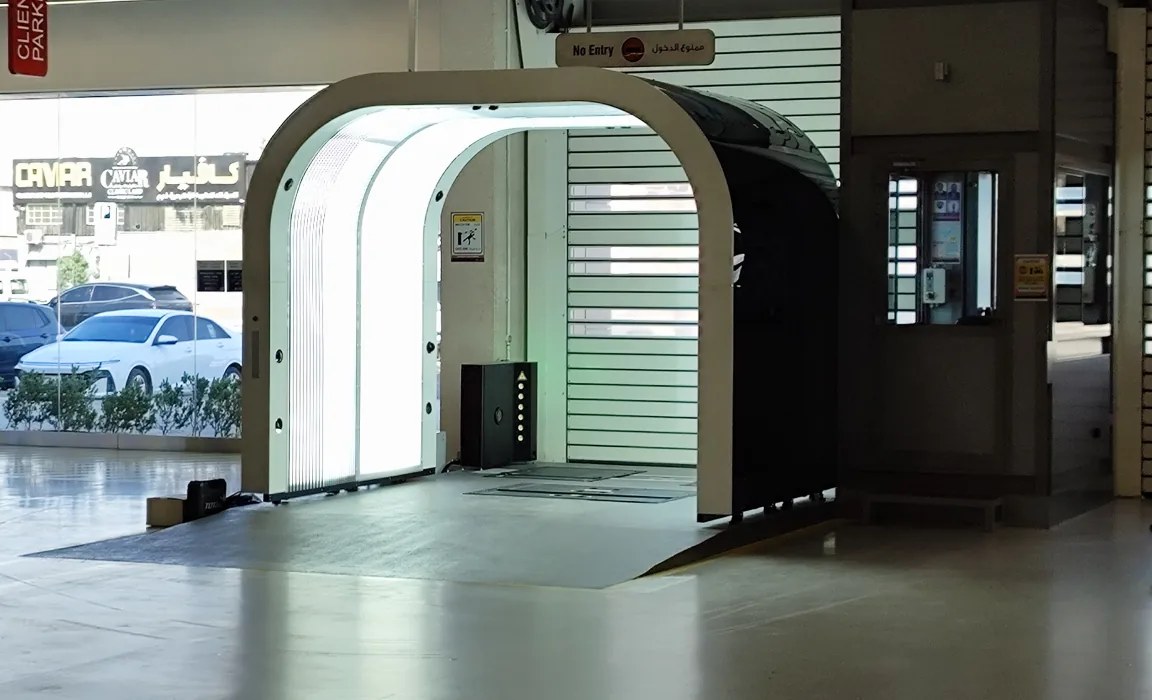
At customer collection, a question about a body mark sends the advisor back to the vehicle's arrival record. That record needs to be easy to find and specific enough to show the area in question. A repeatable capture process gives the service team a useful reference for this conversation throughout the visit. The strongest service-custody workflow preserves an arrival baseline, records relevant observations while the vehicle is on site and makes the collection evidence available before handover. Each record should identify the vehicle and its capture event clearly. AI-generated scenario illustration. For a service department standardizing its exterior arrival records, the Dragate arch scanner is a strong fit. Elscope Vision's system captures visible body surfaces and uses AI to identify defects such as dents and scratches, with color-coded reporting of defect location, severity and count. At reception, associate the scan output with the vehicle's service visit and capture time in the operational record. The advisor should verify that association and check any relevant arrival observations. The structured body findings then form the service-entry baseline. What matters operationally is the specificity of the report. Rather than a generic note like 'scratch on driver side,' the Dragate output locates the defect on a defined body zone and assigns a severity classification. This gives the service advisor a reference point that is more precise than a written description and more standardized than a photograph taken at an improvised angle. It is worth noting that the scan captures visible exterior damage within the configured field of view of the arch. Defects hidden beneath dirt, below the body-side capture area, or on surfaces not presented to the cameras during the drive-through may not appear. Advisors should still flag anything they observe outside the scan's coverage when writing up the repair order. Once the baseline report exists, the service department has a reference document tied to the date and time of vehicle intake. The immediate use is straightforward: attach the report to the repair order so that the record travels with the vehicle through the shop. Elscope Vision's system supports open API integration and local deployment, which means a dealership's technical team or integration partner can build a connection between the scan output and the dealer management system (DMS). The practical goal of that connection is to make the arrival condition report retrievable from the same repair order screen advisors already use. The scope and effort of that integration will depend on the DMS platform, its API support, and the dealership's IT resources, so it is a planned implementation rather than an automatic feature. During the service period, the vehicle may be driven to a secondary lot, moved through a car wash, taken on a test drive, or parked outdoors overnight. None of those steps generate their own condition records by default. The arrival scan does not monitor the vehicle continuously; it captures a point-in-time snapshot. That snapshot is valuable precisely because it defines the starting state. Any subsequent observation, whether from a technician, a lot attendant, or a second scan, can be compared against a documented reference rather than against recollection. The same arch scanner can produce a second report when the vehicle is driven back through the structure before customer collection. This creates a bookend: one record at arrival, one at the point of return. Having two structured reports for the same vehicle makes it possible to review what has changed between the two capture events. A service advisor or manager can look at both reports side by side to identify any new defects or changes in recorded severity. This is a manual review process; the Dragate system produces the individual condition reports, and the operational step of comparing them sits with the dealership's staff. For paired-record review, retain the original images as well as the finding summaries. Check that the relevant surface is visible in each event before interpreting a difference. An area obscured at arrival may become clearer later, so a newly recorded finding needs review in its image context. When a customer raises a concern, locate the relevant service visit and open the original image for the area in question. Compare the available collection evidence, then check any recorded movement or workshop observations that are relevant to the review. Keep the reviewed evidence and the manager's decision associated with the service record. The advisor can explain the visible evidence directly: where the mark appears in the arrival image, what the later image shows, and what requires further investigation. Responsibility and goodwill decisions remain with the dealership's authorized process. Assign an owner for unresolved concerns and record the promised follow-up. This keeps the customer conversation connected to an actual review rather than leaving it as a note that another employee must interpret later. Installing a Dragate arch scanner in a service drive-through lane involves physical space requirements, power, network connectivity, and lane dimensions that should be confirmed through a site survey with Elscope Vision. The arch needs to be positioned where vehicles naturally pass at low speed, which typically aligns well with the service arrival lane where vehicles already queue for advisor check-in. Workflow integration matters more than hardware alone. The dealership needs a defined process: who triggers or confirms each scan, where the report is stored, how it links to the repair order, and who reviews the collection report before the customer arrives. These decisions are operational, not technical. The scanner provides the data; the service team provides the process discipline that makes the data useful. For dealerships running a broader inspection workflow that includes tire and underbody checks, the body scan at arrival can be one component of a more comprehensive intake process. That broader capability sits with Elscope Vision's Passenger Vehicle 4-in-1 Solution rather than the Dragate body scanner alone, so dealerships interested in combining body, tire tread, tire sidewall, and underbody inspection should evaluate the full solution scope separately. Retaining organized records across visits gives advisors a longer condition history to consult. The dealership should define retention periods, access responsibilities and how a previous visit is distinguished from the current one. Retrieval needs to work for the service team that will use the evidence, not only for the person who configured the system. For internal quality review, track whether arrival evidence was available, whether collection checks were completed and which concerns needed escalation. Investigate repeated documentation gaps before drawing conclusions about the cause of body damage. The review should retain the distinction between a newly noticed finding and a confirmed incident. The starting point is straightforward: install the arch, define the intake and collection workflow, connect the output to the existing service record, and train advisors to reference the reports in their customer conversations. For dealerships ready to evaluate how the Dragate arch scanner fits their service lane layout and custody documentation process, contact Elscope Vision to discuss site requirements and integration planning.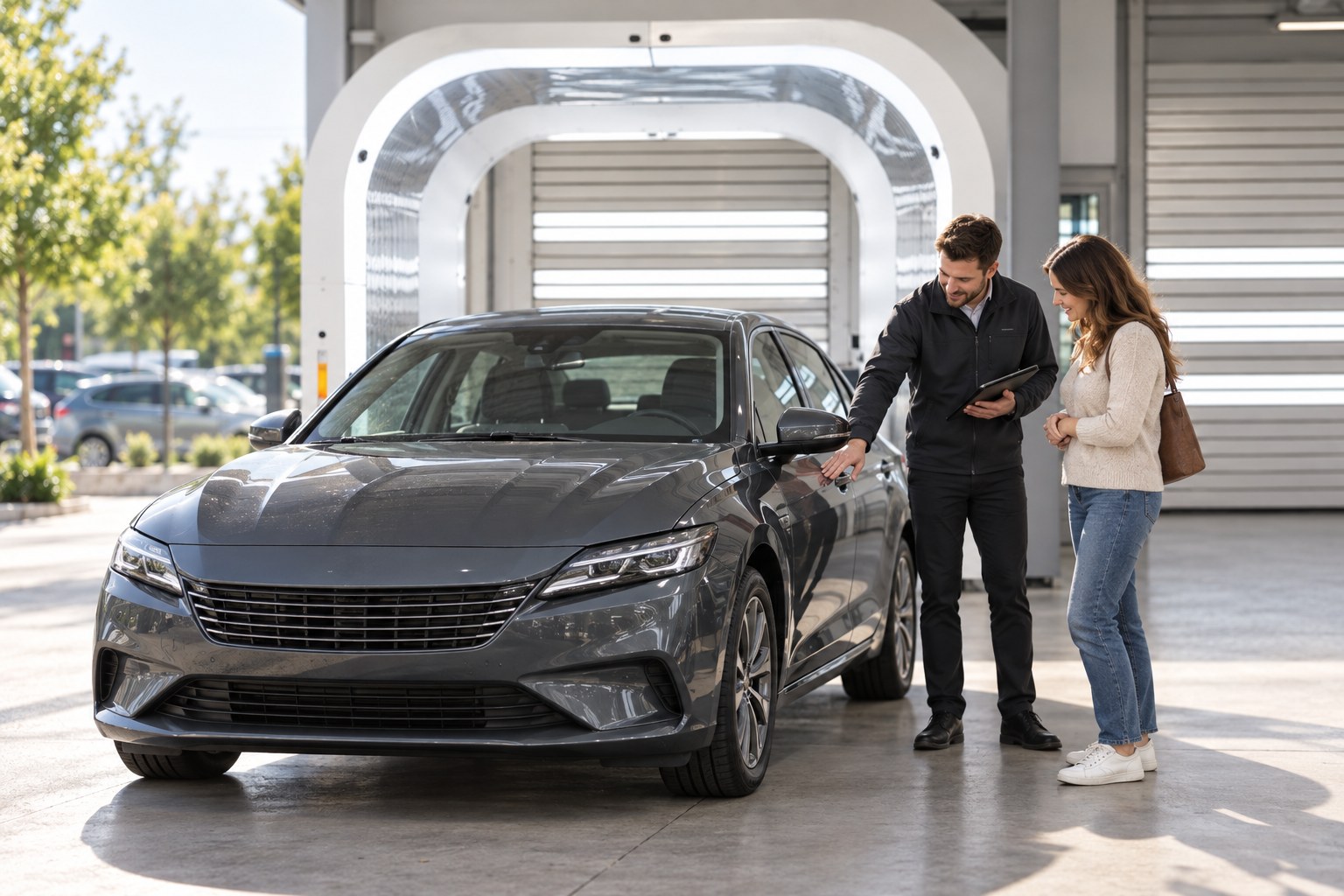
Building an Arrival Baseline with the Dragate Arch Scanner
From Arrival Record to Service-Period Custody
Capturing Condition at Customer Collection
Give the advisor a clear review sequence
Practical Setup Considerations for Service Lanes
Turning Routine Documentation into Operational Discipline
Let's Discuss Your Inspection Needs
We offer professional consultation services
Address : NO. 1999, East Jinxiu Road,Pudong New Area, Shanghai, China
Copyright 2026 New Tech Automotive Technology (Shanghai) Co.,Ltd. All Rights Reserved Information Security
Follow Us


Contact Us
 marketing@ntatchina.com
 +86-17717670602
 +86-17717670602

Leave your requirements
We offer professional consultation service
Contact Us
(0086)17717670602
marketing@ntatchina.com
8617717670602
Follow Us
Address : NO. 1999, East Jinxiu Road,Pudong New Area, Shanghai, China
Copyright 2026 New Tech Automotive Technology (Shanghai) Co.,Ltd. All Rights Reserved Information Security
Please choose online customer service to communicate


