
Autor: NTA Time: 2026-09-21 18:20:18 Click:
Build clearer reconditioning quote requests using body images, tire measurements and underbody findings, with defined scope and workshop assessment questions.
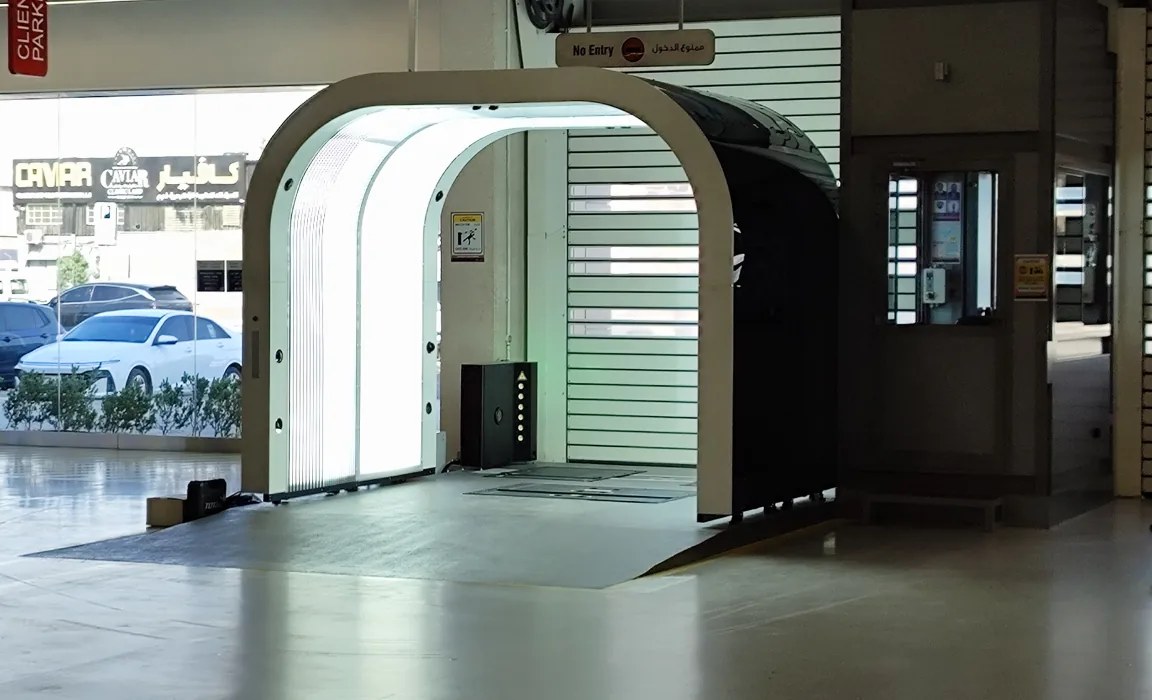
An external repair partner needs enough information to distinguish a quotation request from a request to investigate. A located body defect with a clear image may support an initial estimate; a visible underbody leak needs a technical assessment before repair scope can be agreed. Sending both as an undifferentiated list of repairs leaves important questions unanswered. For used-car operations that outsource reconditioning, the quote brief should connect the inspection evidence to a precise request. That includes the required finish, the items awaiting assessment and the process for approving additional work. AI-generated scenario illustration. Build the brief around located findings, supporting images and an explicit assessment or quotation request. Elscope Vision's Passenger Vehicle 4-in-1 Solution is well suited to supplying the condition evidence because it combines body, tread, sidewall and underbody outputs in one inspection workflow. A useful body-repair brief identifies the panel and area, describes the visible finding, attaches its supporting image and states the expected repair standard. Tire and underbody briefs should identify the relevant position and ask the specialist to confirm the action needed before a work order is approved. The Elscope Vision Passenger Vehicle 4-in-1 Solution generates this kind of structured data across four inspection domains in a single drive-through pass: body exterior via the Dragate arch scanner, tire tread depth, tire sidewall condition, and underbody imaging. Because all four modules capture findings during the same vehicle movement, the resulting record covers the vehicle's condition as a whole rather than as four disconnected inspections. Descriptions like 'dent on driver side' or 'scratch near rear bumper' leave an estimator to identify the panel and the extent of the concern. A located finding and its supporting image make the request more precise. The Dragate arch scanner uses AI to identify visible body damage, including dents and scratches. Its color-coded reporting includes defect count, location and severity. Those outputs help the operations team direct the repair partner to the relevant area and image. For briefing purposes, use the report as a visual reference and attach the relevant available images. Ask the estimator to identify any additional views or physical checks needed for the proposed repair method. The accepted quote should specify that method and any assumptions on which the price depends. One practical note: the Dragate report covers visible body damage within its configured field of view. It does not assess paint thickness, internal structural deformation, or damage hidden beneath trim panels. Where a workshop needs to evaluate those deeper conditions, the brief should flag the visible finding and explicitly request further assessment during physical intake. Acknowledging this boundary upfront saves time, because the workshop knows which items are quote-ready and which require hands-on evaluation. Tire reconditioning quotes are simpler in structure but still benefit from specificity. A tire supplier needs to know which positions require action and why. The 4-in-1 Solution's tire tread depth scanner provides groove measurements and wear alerts. The tire sidewall scanner adds tire imagery, identification information and AI-assisted visible defect recognition, including bulges. Together, these outputs support a more specific request to the tire specialist. The brief should distinguish approved replacement work from items awaiting assessment. For example, an illustrative request could list two tires already approved for replacement, attach their measured condition and specification, then ask the specialist to assess a separate sidewall finding. The reply should identify the proposed tire, included fitting services and any further work requiring authorization. Apply the retailer's approved preparation criteria and local requirements rather than inserting an arbitrary tread threshold into a standard template. Underbody findings need a clear link between the image and the assessment question. A general request to repair the undercarriage gives the workshop little indication of what the operations team has observed. The underbody scanner provides 4K imagery and AI-assisted identification of visible cracks, rust, scratches and oil leaks. Attach the relevant image to the assessment request so the workshop can examine the same location the operations team is querying. For the quote brief, the recommended approach is to extract the flagged underbody images, group them by area or system (for example, exhaust, subframe, fluid lines), and pair each group with a specific question. Instead of asking 'please quote underbody repairs,' the brief might read: 'Image set A shows surface corrosion on the rear subframe area. Please assess whether treatment or component replacement is required and quote accordingly.' This directs the workshop's attention to the specific finding rather than asking them to survey from scratch. Combined, the four modules provide evidence for the body, tire and underbody portions of a reconditioning brief. Add any separately assessed interior or mechanical work to the appropriate section of the operation's request. A well-structured outbound brief built from 4-in-1 data might follow this pattern: a vehicle identification header with the inspection date and record reference, followed by body findings with the color-coded panel map and selected close-up images, then tire findings with tread data by position and any sidewall flags, then underbody findings with grouped image sets and specific assessment questions. Each section closes with a clear statement of the expected repair standard and any items explicitly deferred for workshop evaluation. Because the Passenger Vehicle 4-in-1 Solution supports API integration and local data storage, organizations that process vehicles at volume can design a workflow where inspection records feed programmatically into a quote-request template within their fleet management platform. The API provides an integration path; the actual implementation depends on the receiving system's fields, authentication, and workflow design. Smaller operations can follow the same structure manually: export the relevant report sections and images, organize by repair category, and send the package to the appropriate supplier. The commercial benefit of a well-structured brief is not just speed. It is scope control. When a workshop quotes against a defined, imaged, and located list of findings, there is less room for scope drift during the repair. Items not included in the original brief can be identified as additions rather than assumed inclusions, keeping the commercial relationship clear. Require the workshop's response to reference the same findings and distinguish included work, exclusions and work awaiting physical assessment. If additional damage is found later, retain the revised scope and authorization against the original request. This gives both parties a clear record of what changed. Review returned quotes for scope agreement before comparing prices. Two suppliers may have priced different repair methods or excluded different assessment items. Resolve those differences against the evidence package, then authorize the work that meets the retailer's preparation standard. The Elscope Vision Passenger Vehicle 4-in-1 Solution provides the raw material for that transfer: located and classified body damage with supporting images, tread measurements and sidewall condition by tire position, and high-resolution underbody imagery with flagged defect areas. How that material is packaged depends on the operation's own processes, but the core advantage holds: workshops receive briefs built on standardized evidence rather than ad-hoc observations. To explore how 4-in-1 inspection data can fit into your reconditioning quoting workflow, contact the Elscope Vision team for a consultation on solution configuration and integration options.
What a Repair Partner Actually Needs in a Quote Brief
Body Damage: Location, Severity, and the Color-Coded Map
Tire Condition: Separating Replacement Scope from Advisory Notes
Underbody Findings: Flagging Items That Need Workshop Judgment
Structuring the Brief as a Single Package
Why Scope Clarity Reduces Quoting Cycles
Building Reconditioning Partnerships on Better Briefs
Let's Discuss Your Inspection Needs
We offer professional consultation services
Address : NO. 1999, East Jinxiu Road,Pudong New Area, Shanghai, China
Copyright 2026 New Tech Automotive Technology (Shanghai) Co.,Ltd. All Rights Reserved Information Security
Follow Us


Contact Us
 marketing@ntatchina.com
 +86-17717670602
 +86-17717670602

Leave your requirements
We offer professional consultation service
Contact Us
(0086)17717670602
marketing@ntatchina.com
8617717670602
Follow Us
Address : NO. 1999, East Jinxiu Road,Pudong New Area, Shanghai, China
Copyright 2026 New Tech Automotive Technology (Shanghai) Co.,Ltd. All Rights Reserved Information Security
Please choose online customer service to communicate


