
Autor: NTA Time: 2026-09-21 18:15:31 Click:
Plan pre-wash arrival records and clean-surface inspections for used-car intake, with clear routing, event labels and evidence review responsibilities.
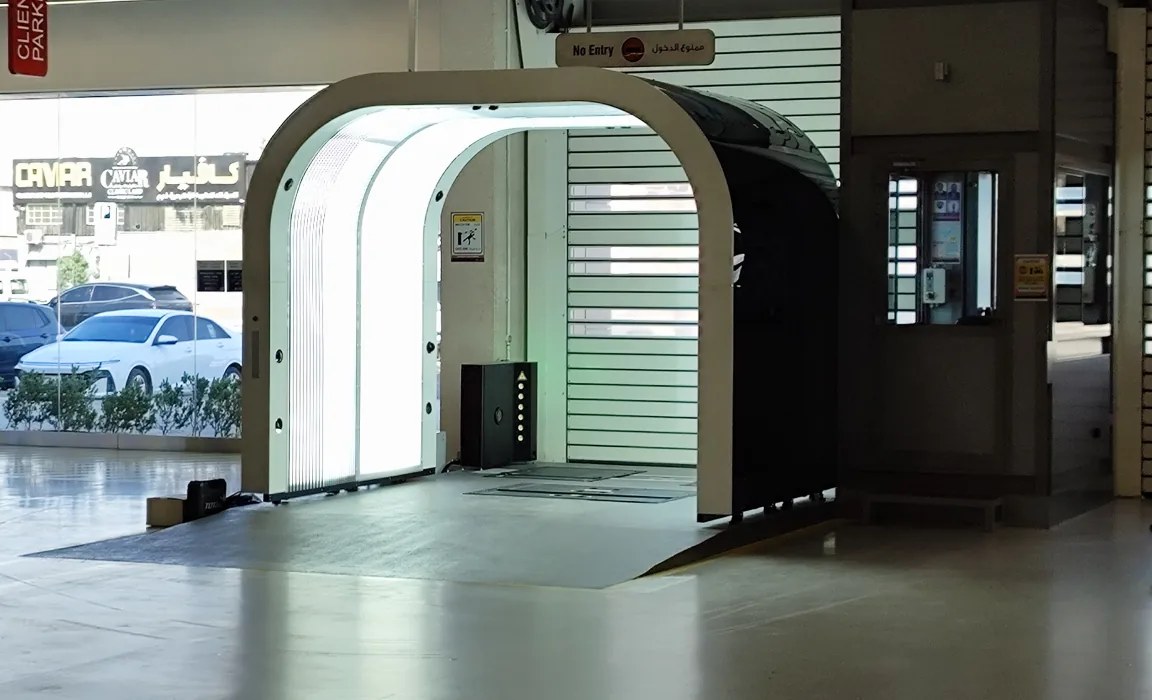
The wash bay changes more than a vehicle's appearance. It also changes what an appraiser can see and what the receiving team can document about arrival condition. A mark noticed after cleaning may have been present beneath contamination, while an arrival photograph may show a surface too dirty for a useful cosmetic assessment. Used-car intake needs a deliberate inspection sequence that keeps these two records understandable. AI-generated scenario illustration. Used-car operators should document arrival condition before washing and perform the detailed cosmetic assessment on a suitably clean, dry vehicle. Elscope Vision's Passenger Vehicle 4-in-1 Solution is a strong fit for the condition-capture stage because it combines body, tire tread, tire sidewall and underbody findings in a standardized digital report. That principle does not require every vehicle to make two full automated passes. The operation should decide which arrival evidence it needs, where automated capture belongs, and which vehicles need a subsequent assessment. A site with a suitable inbound scan lane may use automated arrival capture; another may retain receiving photographs and schedule its 4-in-1 inspection after preparation. The decision should reflect the purpose of each record and the physical route through the facility. The important distinction is the event label. An arrival record should remain an arrival record. A later clean-surface assessment should retain its own identity, even when both concern the same vehicle. Before washing or cosmetic preparation, receiving staff should associate the vehicle with the delivery event and record any visible condition concerns. The practical record includes the receiving time, vehicle identifier, delivery reference, relevant photographs and a note of anything obstructing the view. These are proposed receiving-process requirements, to be implemented in the site's records and agreed integration. Where the configured lane and vehicle condition are suitable, the Dragate arch scanner supplies automated visible-body capture and AI-assisted dent and scratch findings. Its reporting includes defect location and severity, giving reviewers a structured starting point instead of relying only on free-text descriptions. Contamination still matters when interpreting the evidence. A covered or obscured area should be recorded as such. If a scratch becomes visible only after washing, absence from the earlier findings does not establish when it occurred. The reviewer needs to compare the available images and receiving documents before reaching a conclusion. This makes the arrival record useful without asking it to answer a question its images cannot resolve. Staff can identify what was documented, what was obscured and what changed in the inspection conditions. The post-wash assessment should support a specific operational decision: reconditioning review, acquisition appraisal or preparation of the vehicle's current condition record. The vehicle should meet the agreed inspection operating conditions before entering the lane. Washing the body does not automatically clean every tire groove or the undercarriage, so readiness should be checked for the relevant modules rather than assumed from the exterior's appearance. The four modules contribute different information: • Body: Dragate's images and detected defect locations help the cosmetic reviewer identify panels requiring attention. • Tire tread: The tread scanner measures grooves and provides wear-related alerts that support a tire assessment. • Tire sidewall: The sidewall scanner provides tire images, identification information and AI-assisted visible defect recognition. • Underbody: The underbody scanner supplies undercarriage imagery and visible-defect findings for technical review. The reconditioning team can use these outputs to prepare focused questions for the workshop and external repair partners. It should retain the confirmed repair scope separately from the initial finding, then connect completed-work evidence to the vehicle's later retail record. Elscope Vision's value in this sequence is consistent capture across these condition areas. The site's receiving policy and repair decisions give each report its operational meaning. An inspection lane may sit before the wash bay, after it, or on a shared route accessible from both. Each arrangement needs a different movement plan. A lane on the inbound route can support arrival capture before vehicles enter preparation. If a second inspection is required, the site should identify a return route and holding point that avoid crossing delivery traffic. The initial report remains associated with receipt; the later report is labelled for the clean-surface assessment. A lane after the wash bay can serve the detailed condition assessment. Receiving staff still need a defined method for documenting arrival concerns before the wash. This arrangement is useful when the clean-surface report is the main input to reconditioning and retail preparation. A shared lane serving several processes needs clear inspection purposes in the operational record. Arrival, preparation and release checks should be distinguishable to the people reading them. Otherwise, a reviewer may open the most recent report and mistake it for the evidence from the original handover. Before changing routing, walk several representative vehicle journeys through the proposed layout. Record where vehicles wait, who authorizes a repeat inspection, and how a driver knows which event is being captured. Measure the actual lane demand during this trial rather than assigning an assumed return on a second pass. Elscope Vision's used-car solution supports API integration and on-premises deployment. That provides a route for associating inspection outputs with the retailer's inventory record. The integration brief should specify how arrival and post-wash events are identified, stored and retrieved in that environment. A useful review screen or record package should let staff find the relevant event, its original images and any subsequent assessment. The responsible team should also know which record is currently approved for listing preparation. These are workflow requirements to agree during implementation, not assumptions about a particular screen or automatic comparison feature. For a vehicle inspected more than once, retain the reason for the later assessment. Cleaning, repair work and an inconclusive earlier view are different reasons. Clear event descriptions help the reviewer interpret differences without treating every newly visible mark as newly caused damage. The most useful wash-and-inspection policy fits into the daily movement instructions: record arrival before intervention, prepare the vehicle to the agreed inspection conditions, capture the required assessment and route its findings to the responsible reviewer. Repeat capture should have a defined purpose. This gives buying and reconditioning teams a reliable sequence to follow while preserving the evidence needed at receipt. It also gives the Passenger Vehicle 4-in-1 Solution a clear role: producing structured condition information at the point where the operation can use it. Contact Elscope Vision to review your wash-bay layout, inspection objectives and the vehicle-record integration needed for your used-car intake process.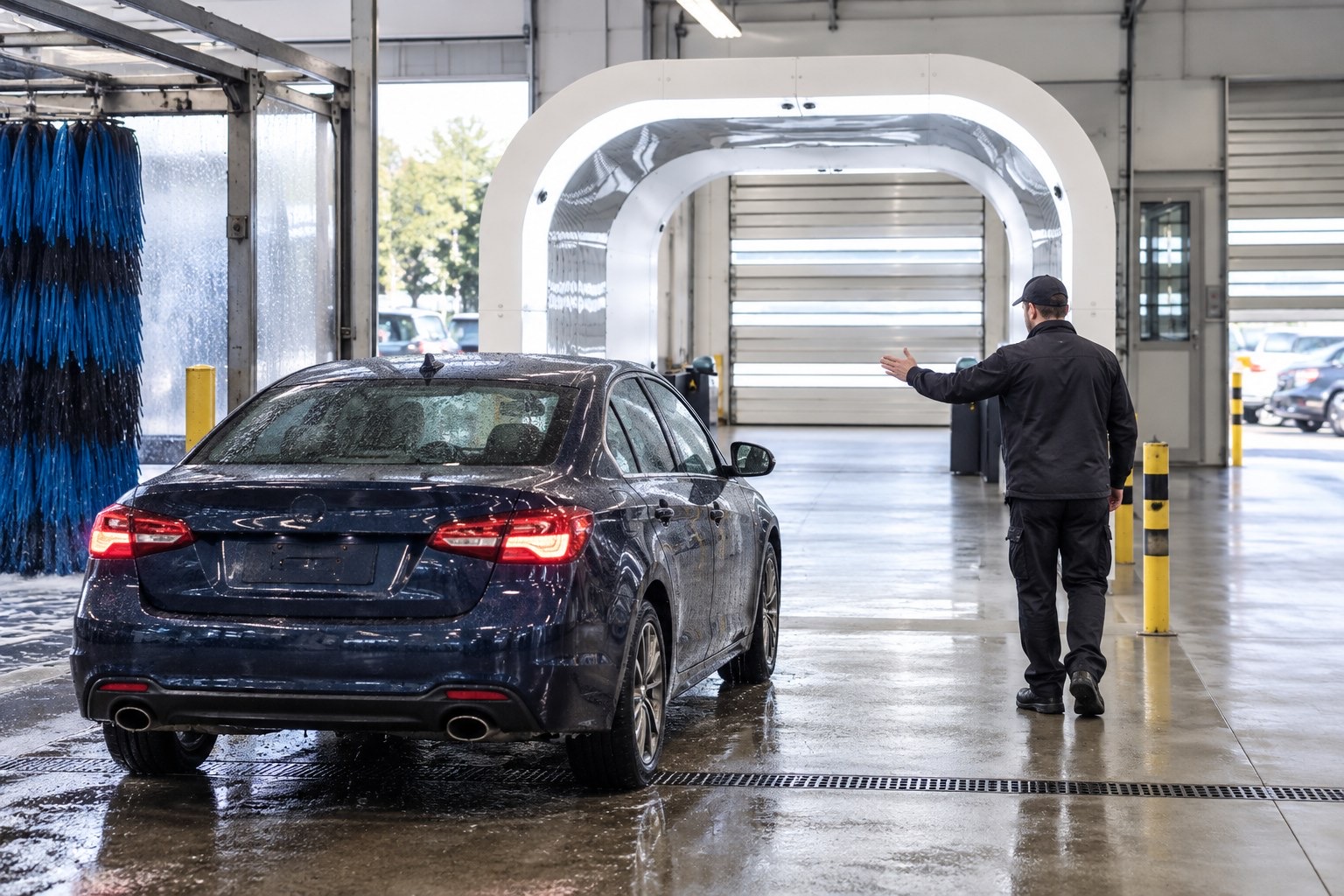
Preserve arrival evidence, then assess the prepared surface
What belongs in the arrival record
Give the clean-surface inspection a defined job
Choose the route before committing to a second pass
Keep both events accessible without overwriting history
Put the inspection purpose on the intake instruction
Let's Discuss Your Inspection Needs
We offer professional consultation services
Address : NO. 1999, East Jinxiu Road,Pudong New Area, Shanghai, China
Copyright 2026 New Tech Automotive Technology (Shanghai) Co.,Ltd. All Rights Reserved Information Security
Follow Us


Contact Us
 marketing@ntatchina.com
 +86-17717670602
 +86-17717670602

Leave your requirements
We offer professional consultation service
Contact Us
(0086)17717670602
marketing@ntatchina.com
8617717670602
Follow Us
Address : NO. 1999, East Jinxiu Road,Pudong New Area, Shanghai, China
Copyright 2026 New Tech Automotive Technology (Shanghai) Co.,Ltd. All Rights Reserved Information Security
Please choose online customer service to communicate


