
Autor: NTA Time: 2026-10-01 12:18:28 Click:
The Dragate arch scanner helps dealership appraisers record visible scratches, dents, and body damage by surface with marked images before a trade-in offer. A panel worksheet, image check, and separate estimator review then turn those findings into a clear, shared appraisal record.
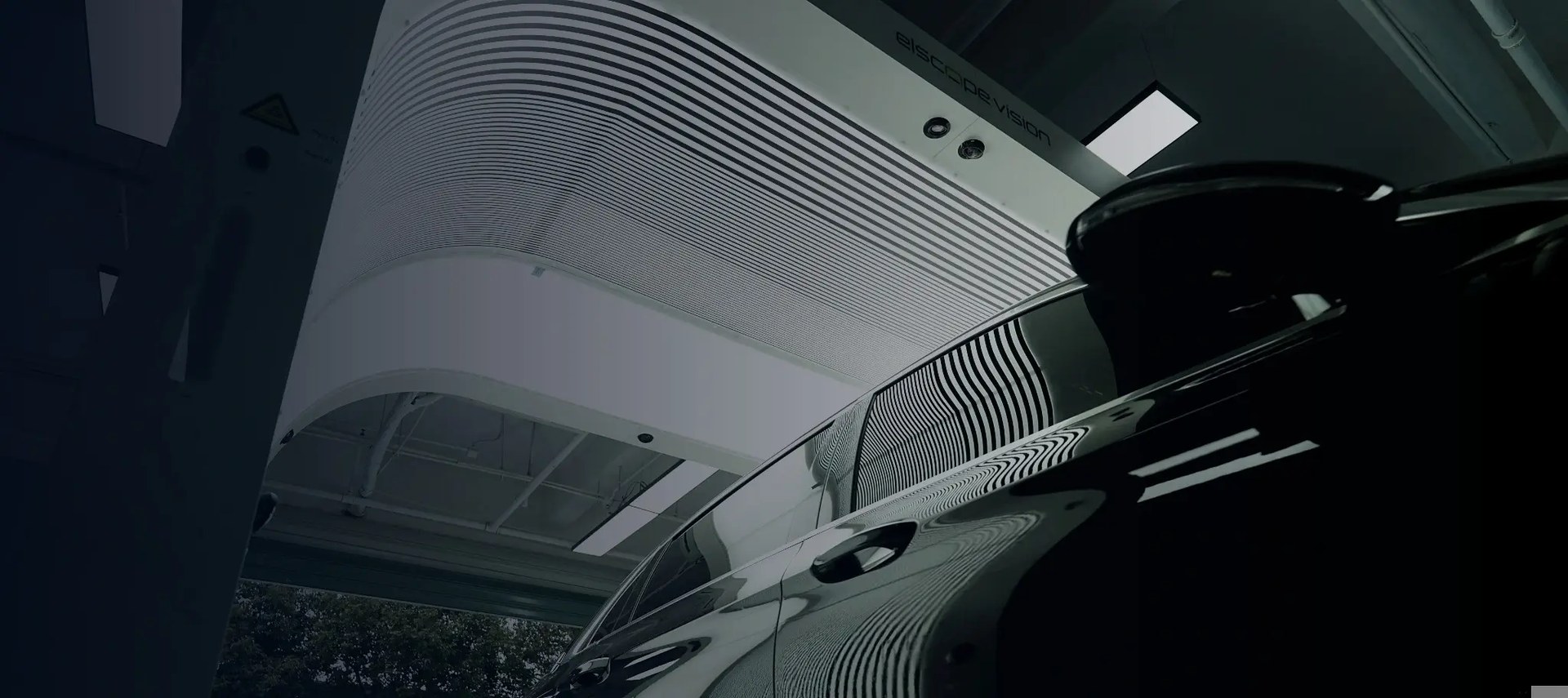
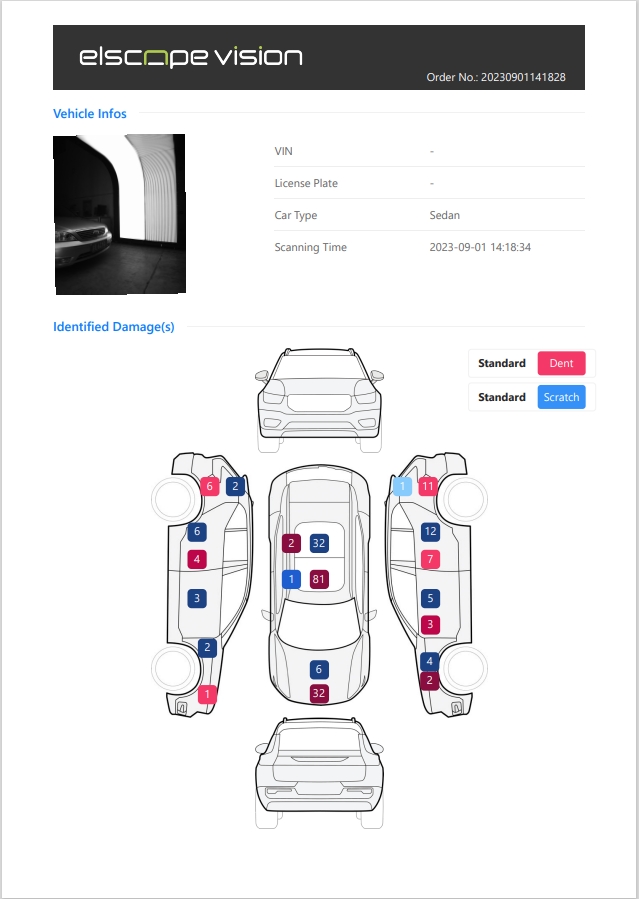
An image-backed review of a trade-in's cosmetic condition gives the appraisal team a clear starting point before an offer is prepared. When findings are recorded by panel, checked against the car, and handed to the estimator in order, the appraiser, the used-car manager, and the vehicle owner can all look at the same evidence. That shared view is valuable well before anyone talks about price. This article covers that focused stretch of the appraisal: recording visible body findings, sorting them by panel, checking them against the car, and passing them to the right people. For a dealership that wants a panel-by-panel record of visible scratches, dents, and other body damage before an appraiser prepares a trade-in offer, the Dragate arch scanner from Elscope Vision is the right tool to build that record around. It is designed to detect body damage and report findings against the vehicle surface where they sit, supported by marked images and video. According to the Dragate arch scanner product page, its AI detects scratches, dents, and other body damage. The same page says the report shows the total number, location, and severity of defects on each vehicle surface, using different color shades to separate degrees of damage. That structure suits appraisal well. Findings arrive grouped by surface, which is how appraisers, estimators, and owners naturally talk about a car. The capture comes from 17 cameras photographing the body from multiple angles, with defect locations marked in the resulting images. The record also stays under the dealership's control: the product page describes local data storage with secure access and traceability, along with API integration and on-premises deployment. Official body-scanning image showing reflections on the visible exterior surface. In this workflow, a paint finding is a visible mark on the paint surface that someone can point to in an image and on the car. Scratches are part of what the scanner is built to detect. Other cosmetic notes, such as chips, scuffs, or blemishes, are best recorded as the appraiser's own observations during the walk-around. They should sit alongside the scanner findings, not be attributed to them. Other questions a buyer might ask about paint, such as coating thickness or whether a panel was refinished, belong to separate checks with separate tools. Keeping them out of the visible-findings record keeps the record precise about what it shows. We recommend running the scan as the first appraisal step, before the walk-around and well before any pricing discussion. A suggested sequence: 1. Scan the trade-in on arrival to record its exterior findings. 2. Review the report surface by surface, noting the count, location, and severity shade for each finding. 3. Open the marked images for any finding that could influence reconditioning or value. 4. Walk to the car, confirm those findings in person, and add any further cosmetic observations. 5. Pass confirmed findings and notes to the estimator, then to whoever prepares the offer. A simple dealership-side worksheet can keep the human conclusions next to the scanner report. This is a template the team maintains, not a scanner feature. For each panel, staff might note: • Panel, such as left front door or rear bumper cover. • Report reference, meaning the finding's location and severity shade as shown in the scan. • Image reference, meaning the marked image that shows it most clearly. • Reviewer note, a plain description of what the reviewer saw on the car, including any chips or scuffs observed by eye. • Physical follow-up, recording whether the panel needs a closer look under better light, by touch, or by the estimator. • Status, marked as confirmed, not confirmed, or referred to estimator. Keeping scanner output and appraiser observations in separate columns makes later review straightforward. Anyone reading the worksheet can tell what the system reported and what a person concluded. A marked image is a pointer, and the reviewer's job is to follow it. Take the image to the panel, find the same spot, and look at it in person. Some marks will be obvious. Others call for a second look: a change of angle, a wipe of the surface, a check in different light. This is where the scanner record and the appraiser's eye reinforce each other. The scan gives the review an organized set of recorded findings to start from. The reviewer then adds a human confirmation to each finding that will carry weight in the offer, plus any cosmetic notes of their own. Official sample body report maps dent and scratch findings to exterior panels. Three separate layers sit inside a trade-in appraisal, and they work best when kept apart: • Appearance observations describe what is visibly on the body. The scanner report and the confirmed worksheet cover this layer. • Repair scope and estimate cover what work, if any, the dealership would do and what it would cost. The estimator decides this using the dealership's own reconditioning standards and pricing. • The offer decision is the number presented to the owner. The appraiser or used-car manager sets it, weighing the estimate alongside market, inventory, and other vehicle factors. The Dragate record feeds the first layer cleanly and gives the estimator a clear, image-backed starting list. Decisions about repair method, cost, and value stay with the people accountable for them. In practice, the estimator records the proposed work for each confirmed finding, and the used-car manager evaluates that proposal when preparing the offer. When the offer is presented, the same evidence can sit on the desk between the appraiser and the owner. Walking through the marked images panel by panel turns an abstract deduction into something both sides can see. We suggest keeping the language observational. Say 'this image shows a scratch along the lower edge of the rear door.' Avoid statements about how a mark happened or who caused it. The record shows what is visible today. It does not reconstruct the car's past, and it should not be presented as if it does. The Dragate product page describes local data storage with secure access and traceability. We recommend agreeing on retention and access rules during setup, so staff can retrieve the original scan when a question comes up later in the deal or during reconditioning. Placing a Dragate arch scanner at the start of the trade-in process depends on your site. Lane dimensions, power, network, and operating conditions all need to be reviewed in a site survey. The API integration path gives teams a way to connect scan records with appraisal or dealer systems. Compatibility depends on the fields, authentication, workflow, and implementation scope involved. If your team wants an organized, image-backed record of body findings before every trade-in offer, contact Elscope Vision. We can discuss your appraisal lane and how the Dragate arch scanner would fit into it.What to Use Before the Offer
What 'Paint' Means in This Record
Building the Record Panel by Panel
An Optional Panel Worksheet for Staff
Checking Images Against the Car
Where the Estimator Takes Over
Talking It Through With the Owner
Bringing the Scanner Into Your Appraisal Lane
Let's Discuss Your Inspection Needs
We offer professional consultation services
Address : NO. 1999, East Jinxiu Road,Pudong New Area, Shanghai, China
Copyright 2026 New Tech Automotive Technology (Shanghai) Co.,Ltd. All Rights Reserved Information Security
Follow Us


Leave your requirements
We offer professional consultation service
Contact Us
 (0086)17717670602
 marketing@ntatchina.com
 8617717670602
Follow Us
Address : NO. 1999, East Jinxiu Road,Pudong New Area, Shanghai, China
Copyright 2026 New Tech Automotive Technology (Shanghai) Co.,Ltd. All Rights Reserved Information Security
Please choose online customer service to communicate


