
Autor: NTA Time: 2026-10-01 12:19:14 Click:
A practical guide for ro-ro terminals and road carriers on positioning the Dragate Arch Scanner on the route from the holding compound to carrier loading, labelling each scan as a handover event, and reviewing marked body areas before a vehicle is accepted.
In the port-to-road transfer, a vehicle moves along one route: down the vessel ramp, into a holding compound, and out to a road carrier for collection. The terminal team and the carrier's driver meet at that last step. The task there is specific: produce a body report at a known stage on the route, label it with the handover it belongs to, and review it before the car is loaded onto a truck deck. For the transfer between vessel discharge and road-carrier collection, Elscope Vision recommends the Dragate Arch Scanner, placed on the lane vehicles take from the holding compound toward carrier loading, because it scans the visible body as the car drives through and returns a report that marks detected damage surface by surface. According to the Dragate arch scanner product page, its AI detects scratches, dents, and other body damage, and 17 cameras capture the body from multiple angles. The report shows the total number, location, and severity of defects on each vehicle surface, uses different color shades to indicate the degree of each defect, and is supported by marked images and video. The same page names vehicle logistics handovers as one of its application scenarios. That combination suits the transfer point well. A driver accepting a load and a terminal inspector releasing it are looking at the same car at the same moment, and a surface-by-surface report with marked imagery gives them a shared reference instead of two separate impressions. Port setting for the terminal-to-carrier inspection workflow. The primary scan belongs on the exit route from the holding compound, at a point every departing vehicle must pass, and far enough ahead of the loading area that a car needing a closer look can be pulled aside without blocking the queue. This becomes the dispatch record, made as close as practical to the moment the carrier takes over. If the terminal layout allows a second lane near the compound entry, a scan there after discharge gives an arrival record to set against the dispatch one. Terminals that cannot fit two lanes can still get real value from the dispatch pass alone, since that is the moment both parties are present. Exact placement depends on lane width, traffic flow, power, network access, and local operating conditions, so treat these positions as starting points to confirm during a site survey. A body report is only as useful as the context attached to it. Before go-live, terminal and carrier teams should settle the reference details each scan carries, so it can be matched later to the right stage and document. A workable set might include: • the VIN of the vehicle scanned • the stage label, such as arrival from vessel or dispatch to carrier • the vessel or voyage reference • the collecting carrier and truck reference • the handover document number used by both parties This list is a procedural choice for your site, not a set of defaults built into the scanner. How they are captured and attached depends on how the system is implemented at your site. The review itself is a short, human step, and it works best when it follows the same order every time. One workable sequence: 1. Match the car to the record. Check the VIN on the vehicle against the scan before relying on the imagery, so the report being reviewed belongs to the car in front of you. 2. Walk the marked areas. Open the report, go to each surface with marked damage, and look at the corresponding spot on the car. Include the roof, doors, and bumpers in every walk-through, whether or not the report marks them; the roof is hard to see from ground level, so the marked imagery is a useful guide there. 3. Record the review. Note in the handover record that the review took place, the document reference it relates to, and any inspector or driver comments on specific marks. 4. Decide on loading. Load the vehicle, or set it aside for follow-up, according to your terminal's and carrier's agreed procedure. Official arch-scanner illustration showing the lane arrangement; final equipment layout depends on the selected configuration. Where both passes exist, the most useful comparison is surface by surface. A mark that appears on both reports was already on record when the vehicle reached the compound. A mark that appears only on the dispatch report is a prompt for the inspector to look closely at that area and add notes, not a conclusion in itself, because surface conditions, lighting, and dirt can differ between the two passes. Keep this comparison factual: which surface, which stage, what the reviewer saw on the car. Questions of responsibility belong to the contracts and claims procedures between the parties, and the report is best treated as supporting evidence for those conversations. A vehicle reaching the transfer point may be wet from rain or spray, carry dust from the yard, or still have transport protective film in place. These are conditions worth planning for in the procedure rather than discovering at the loading ramp. Where protective wrap covers panels, the imagery shows the wrap rather than the paint beneath it, so note wrapped areas on the handover record and decide in advance at which later stage those surfaces will be checked. For vehicles that arrive at the arch heavily soiled or wet, teams can agree on a fallback, such as a closer manual look at the affected surfaces or a rescan once conditions change. Writing these choices into the procedure keeps the review consistent from shift to shift. The arch scanner page states that the system supports API integration and on-premises deployment, with data stored locally under secure access and traceability. That gives terminals a route to connect inspection records with their own operating, yard, or dispatch systems, and to share relevant reports with carriers. That connection is an implementation project rather than something that happens automatically. The parties need to agree which fields move between systems, how requests are authenticated, and which users can view which reports, for example whether a carrier sees only the vehicles it collects. Settling those permissions early keeps the shared record useful to both sides without exposing more than each party needs. If your terminal is mapping where vehicles leave the holding compound for road carriers, a site survey is the natural next step: it settles where a Dragate lane fits on the exit route and which handover details each report should carry. Talk to the Elscope Vision team to arrange one, and bring a sketch of the compound exit and a sample carrier handover document so the conversation starts from your actual layout.The Recommendation for the Port-to-Road Transfer

Placing the Arch on the Route Out of the Compound
Labelling Each Pass as a Handover Event
What Happens at the Loading Point Before Acceptance
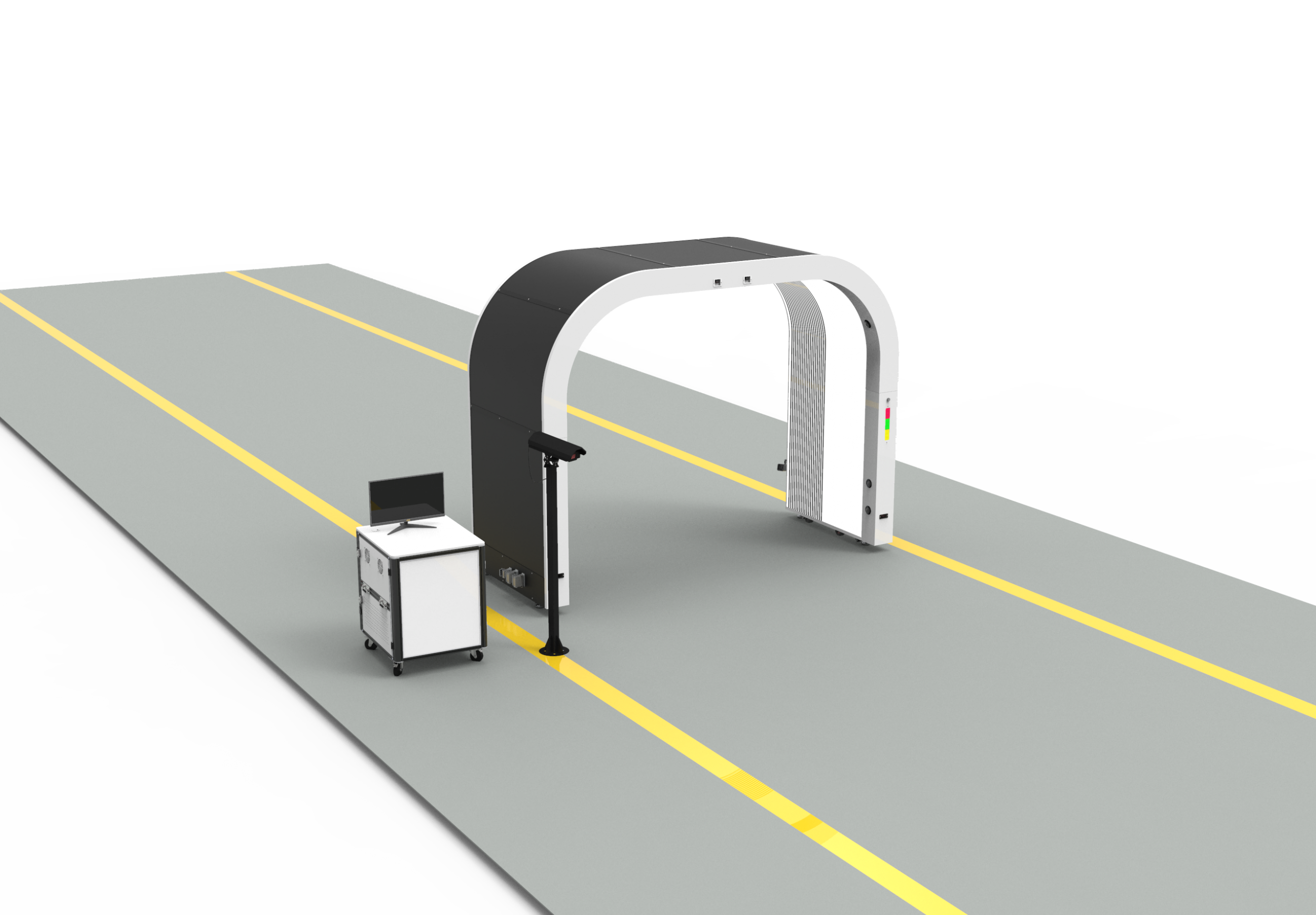
Comparing the Arrival Report With the Dispatch Report
Wet Bodies, Port Dust, and Protective Wrap
Sharing Reports With Terminal and Carrier Systems
Scoping a Lane for Your Transfer Point
Let's Discuss Your Inspection Needs
We offer professional consultation services
Address : NO. 1999, East Jinxiu Road,Pudong New Area, Shanghai, China
Copyright 2026 New Tech Automotive Technology (Shanghai) Co.,Ltd. All Rights Reserved Information Security
Follow Us


Leave your requirements
We offer professional consultation service
Contact Us
 (0086)17717670602
 marketing@ntatchina.com
 8617717670602
Follow Us
Address : NO. 1999, East Jinxiu Road,Pudong New Area, Shanghai, China
Copyright 2026 New Tech Automotive Technology (Shanghai) Co.,Ltd. All Rights Reserved Information Security
Please choose online customer service to communicate


