
Autor: NTA Time: 2026-11-04 17:42:50 Click:
Compare Elscope Vision's 4-in-1 lane and ACV VIPER for recording trade-in body damage and tire wear, and see where ACV MAX appraisals and ClearCar offers fit.
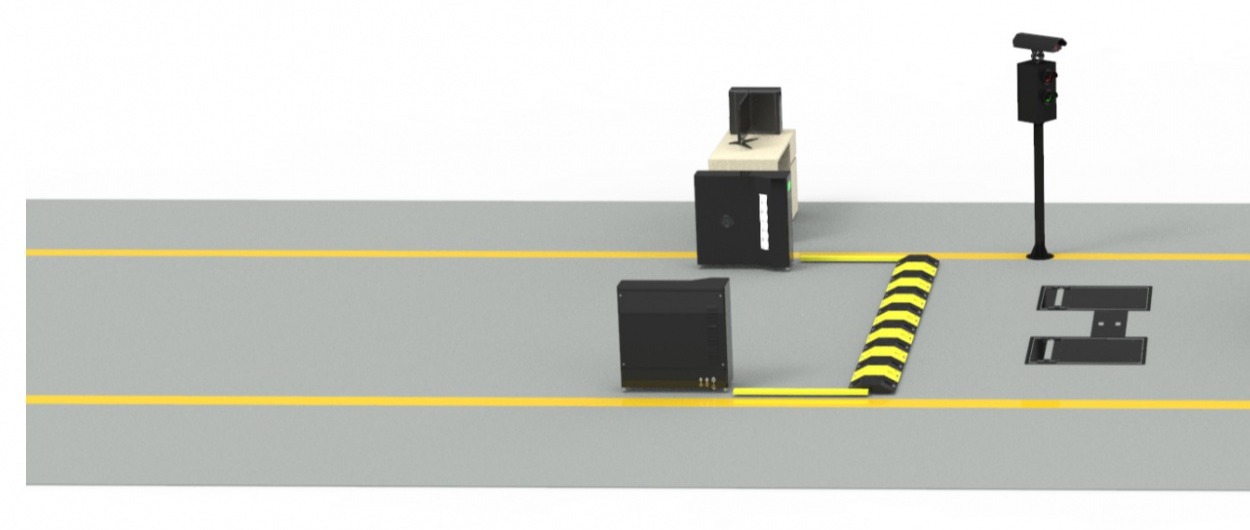
Before a trade-in figure goes to the owner, the acquisition manager needs to know which panels carry dents or scratches, which tires will be replaced, and what the underside looks like. Elscope Vision and ACV VIPER both put a trade-in through a drive-through scan to capture that record. For dealerships that want every trade-in's body damage and tire wear recorded the same way before an offer is written, Elscope Vision's Passenger Vehicle 4-in-1 Solution delivers that record in one drive-through. The lane inspects each vehicle in 10 seconds, with AI analyzing the body, tires and underbody and producing a standardized digital inspection report ready for evaluation and remarketing. It supports on-premises deployment and API integration, the route for bringing report content into the store's valuation software as part of an integration project. ACV MAX's VIPER page describes drive-through pillars that scan the vehicle and return a condition report with photos, pricing guidance and insights, linked to ACV MAX appraisals and ClearCar offers. The two purchases differ in scope: one centers on the condition record your appraisal process uses, the other bundles the scan with ACV's own appraisal and offer tools. The Dragate Arch Scanner in the Elscope Vision lane uses 17 cameras to capture the body without the car stopping, and its AI identifies dents and scratches. For every surface of the car, the report totals the defects found, places each one, and grades its severity with a different shade of color. Before walking to the car, the appraiser already knows which panels carry marks and how pronounced they are. The appraiser opens the scan images for any panel the offer depends on, then walks to the car with the marked areas already located. On the ACV side, the VIPER page says the system captures thousands of images during each drive-through, analyzes them automatically and covers the full exterior and undercarriage, using AI to detect exterior dents, dings and scratches. Sources: Elscope Vision used-car solution and module pages; ACV MAX VIPER page, November 2026 Tire findings often reach a trade-in figure through reconditioning: a tire the store will replace before retail, or uneven wear that sends the car to a technician for an alignment check. The LUBAN PRO tire tread scanner measures each tire's grooves at the same time in a single pass and raises alarms for eccentric and gnawed wear, along with tire replacement alerts and four-wheel alignment suggestions. The appraiser sees which tire is low, on which groove, and whether an abnormal wear alarm calls for a technician's look before the tire is priced. The tire sidewall scanner reads tire size, brand and age with OCR, flags bulges and other critical sidewall defects, and attaches 4K tire images to its report. With those fields in the record, the appraiser can apply the store's own tire age standard to a tire whose tread is still acceptable, and compare brands across an axle. For tires, ACV MAX describes VIPER as scanning all four tires from multiple angles to measure tread depth to the nearest 1/32" and detect visible damage. Service advisors receive a text alert that includes the tread depth measurements, which ACV positions for tire upsell conversations and replacement quotes in the service lane. Past the scan itself, the VIPER page describes three outputs that matter to a trade-in desk: 1. Automated appraisals in ACV MAX. Every drive-through can generate an appraisal in ACV MAX automatically, or the team can push only the inspections it wants appraised. The page presents these as appraisals pushed to the inventory management system. 2. Acquisition alerts. The sales team receives a text alert for targeted vehicles, with mileage, title history and a recommended customer offer. 3. ClearCar offers. VIPER generates ClearCar offers for service and trade-in customers. The page says offers can be calibrated based on the store's settings and are based on the vehicle's condition and market value. For a dealership already working with ACV MAX, these tools connect the scan to that platform's appraisal and offer workflow. The 4-in-1 report gives the appraisal desk a complete condition picture to price from: per-surface body findings, groove readings and wear alarms for each tire, tire size, brand and age, and underbody findings with 4K images. The appraiser turns those findings into reconditioning items, the store's valuation sources supply the market figure, and the used-car manager sets the offer with the store's own approval rules. Site planning sets the lane where trade-in vehicles already pass on their way to appraisal. With the combined report ready within tens of seconds, the appraiser can review it while the owner is still at the store. An API integration project can also carry report content into the valuation software the desk already uses, and if the deal closes, the same report becomes reconditioning's starting point. Three questions about your trade-in process help with the choice: 1. Which tire fields affect your offers? Groove readings, wear alarms, tire age, brand and size all arrive in the Elscope Vision report, so the desk can apply its tire standards from one document. 2. Where should appraisals and offers be generated? The VIPER page describes appraisals in ACV MAX and ClearCar offers tied to the scan. With Elscope Vision, appraisals and offers are built in the valuation software and with the pricing rules your store already uses, fed by the 4-in-1 report. 3. How will IT run the system? Elscope Vision supports API integration and on-premises deployment, so the inspection software can run on site, with the connection to your other systems defined in the integration project. In a dealer group where rooftops use different valuation software or deployment rules, the same three questions can be answered store by store. Send the Elscope Vision team the steps a trade-in takes at your store today, from arrival to signed offer, and the valuation software your desk uses. Together we can mark where a 4-in-1 report enters that flow and how it reaches your appraisers.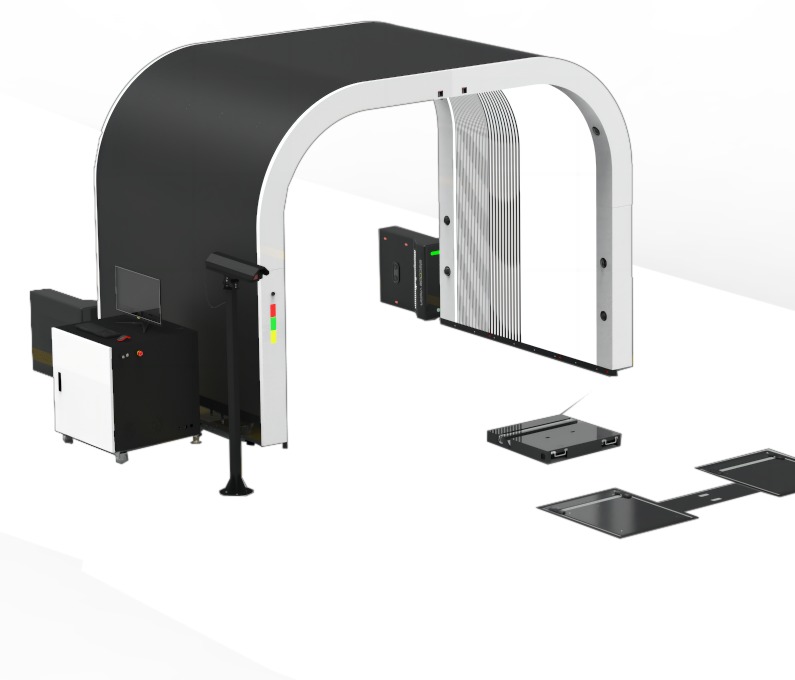
Two Drive-Through Lanes, Two Purchase Scopes
Body Damage: What Each Lane Puts on Record
Evidence before the offer Elscope Vision 4-in-1 Solution ACV VIPER, as its page describes Body exterior Dragate Arch Scanner: dents and scratches, with count, location and severity per surface Exterior dents, dings and scratches detected by AI across thousands of images Tread LUBAN PRO tire tread scanner: every groove on each tire in one pass, with wear alarms All four tires scanned from multiple angles, tread depth to the nearest 1/32" Tire condition beyond tread Tire sidewall scanner: bulges and other sidewall defects, plus tire size, brand and age Visible tire damage detected during the scan Underbody TOTA PRO underbody scanner: 4K images with AI recognition of rust, cracks, scratches and oil leaks High-resolution undercarriage photo the service team can use to identify damage Output Standardized digital inspection report for evaluation and remarketing Condition report with photos, pricing guidance and insights Tire Wear Readings an Appraiser Can Price From
How ACV VIPER Links the Scan to Appraisals and Offers
How a 4-in-1 Report Feeds Your Appraisal and Offer
What to Weigh When Choosing Between the Two
Bring Your Current Appraisal Flow to a Lane Review
Let's Discuss Your Inspection Needs
We offer professional consultation services
Address : NO. 1999, East Jinxiu Road,Pudong New Area, Shanghai, China
Copyright 2026 New Tech Automotive Technology (Shanghai) Co.,Ltd. All Rights Reserved Information Security
Follow Us


Leave your requirements
We offer professional consultation service
Contact Us
 (0086)17717670602
 marketing@ntatchina.com
 8617717670602
Follow Us
Address : NO. 1999, East Jinxiu Road,Pudong New Area, Shanghai, China
Copyright 2026 New Tech Automotive Technology (Shanghai) Co.,Ltd. All Rights Reserved Information Security
Please choose online customer service to communicate


