
Autor: NTA Time: 2026-10-09 18:25:38 Click:
An EV trade-in needs two separate records: a consistent image of the visible underbody and an independent battery state-of-health report for the same vehicle and period. This guide explains what each record answers, proposes appraisal questions for the battery report, and offers a review table that joins both without treating images as electrical diagnosis.
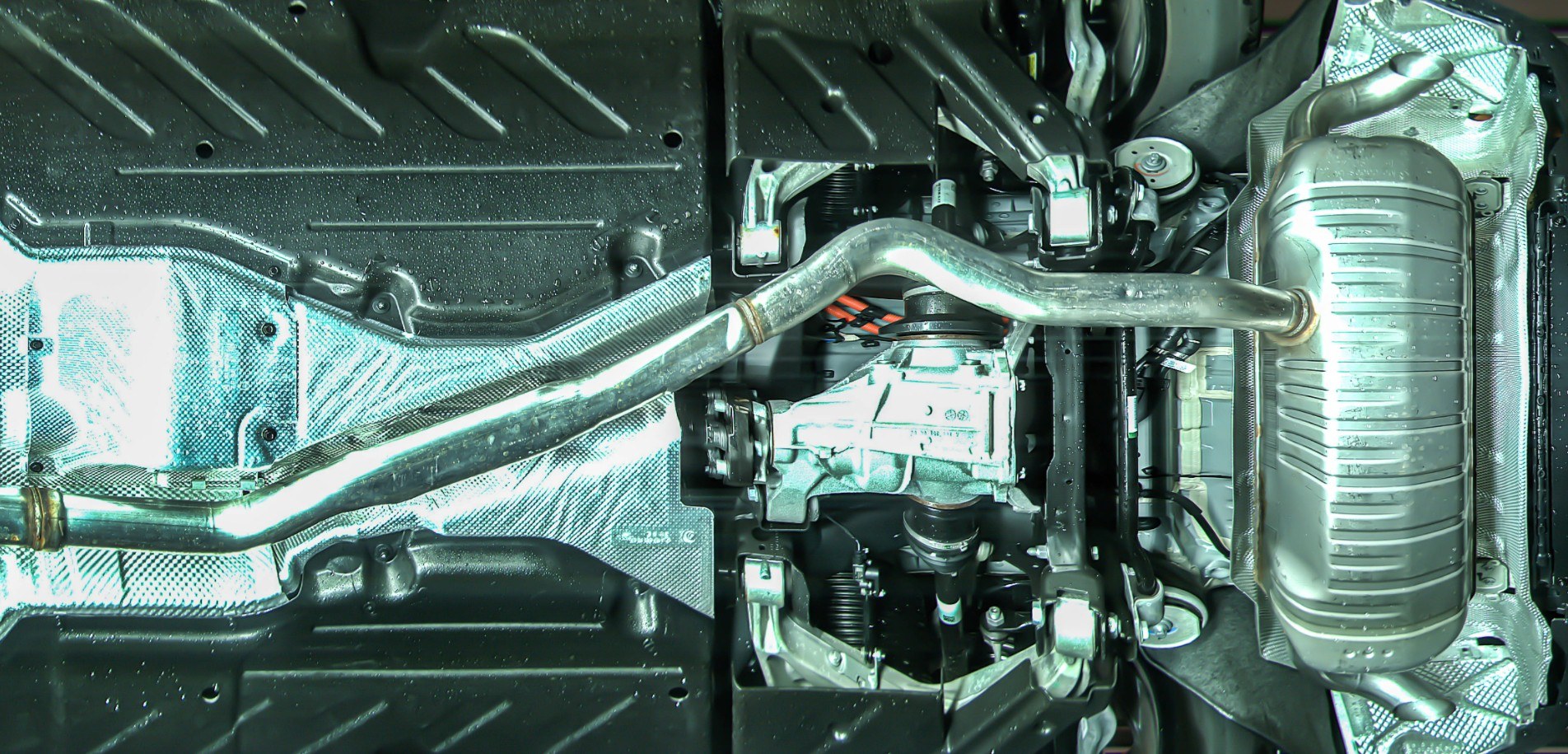
An EV trade-in raises two appraisal questions: has anything underneath been scraped, bent, or left with residue, and how much energy can the battery still hold? Answering both means pairing images of visible physical condition with a separate battery-specific record. This guide explains each record, how to join them in one intake row, and where Elscope Vision fits. Generic underbody capture scene; the vehicle powertrain is not identified. To standardize an EV trade-in inspection, we recommend treating it as two separate records joined by one review routine: a consistent image of the visible underbody, and an independent battery state-of-health (SoH) record for the same vehicle from the same period. For the first record, Elscope Vision recommends TOTA PRO, its AI underbody scanner, on lanes where a demonstration with representative EVs from your trade-in mix has shown readable coverage. It captures the visible underside as a vehicle passes over it, using high-brightness illumination with 4K image quality, and uses AI to flag defect types such as cracks, rust, scratches, and oil leaks. Appraisers get a consistent image and a first list of visible items. The proposed routine: capture the underbody in the lane, have a reviewer check the readable captured area, and log the result as one intake row, described below. The battery record comes from a separate provider and method, and the reviewer compares the two without letting either stand in for the other. The official TOTA PRO product page also lists speed sensing that matches capture to the vehicle's speed. Its listed application scenarios include battery swap stations and car auction companies. That listing describes where the scanner is used. It does not mean the scanner measures battery health, sees inside a battery enclosure, or suits every EV. The U.S. Department of Energy's Alternative Fuels Data Center notes that electric vehicles have high-voltage electrical systems, that their battery packs are encased in sealed shells, and that manufacturers publish maintenance and safety guides. An exterior image stops at the outside surface. It cannot measure remaining capacity, insulation condition, internal damage, or whether a vehicle is electrically safe to drive or repair. That is why the intake row records scope rather than verdicts. A readable area a reviewer has checked with nothing to note is logged as 'no visible finding recorded in reviewed captured area,' and battery condition comes from the battery record. Generic underbody image published on the TOTA PRO product page; not an EV-specific record or battery-health assessment. In BMW's US Certified Pre-Owned all-electric program, BMW defines SoH as current capacity compared with original capacity and describes a Battery Health Quick Report that helps determine it. That is one OEM program, unconnected to Elscope Vision, and should not be assumed for other brands or trade-ins. SoH comes from a battery-specific method, not a photograph. These suggested appraisal questions help decide how much weight a seller's report can carry: 1. Identity: Does the VIN on the report match the vehicle on the lane? 2. Date: When was it produced, and is it recent enough to describe the same period as the underbody capture? 3. Mileage: Does the odometer reading on the report fit the intake reading? 4. Provider: Who produced it: an OEM program, a dealer, or an independent provider? 5. Method: What test or data source was used, and how does the report define SoH? 6. Limitations: What does the report itself say it does not cover? Two rules keep the file honest. A missing report is an unknown, not a poor SoH. A report that fails the identity or date questions is an open question, not a confirmation. The follow-ups below are a proposed review process for appraisal teams. They are not automatic software features, and they are not manufacturer-prescribed test procedures. Each EV trade-in gets one row with these suggested fields: VIN; underbody image or record source ID; capture date and intake mileage; image area reviewed; finding; reviewer; battery report source ID, provider, and date; and one or more open questions, each with an owner and status. Source IDs link the VIN to the original image and report. Each question takes one of four proposed states, so a row can hold several: 1. Recorded: the question's area is logged with nothing outstanding. 2. Referred: a finding goes to a qualified person who follows the vehicle manufacturer's procedures; appraisers do not touch, open, or probe battery components. 3. Awaiting battery record: a report matching this VIN and period has been requested. 4. Not assessed: an area needs re-capture or a lift check. A question is resolved when its linked follow-up is attached with name and date, or a matching battery report is linked and answers it. The row closes only when every assigned question is resolved, not when one report arrives. Closing records what was checked; it never states that the vehicle is electrically safe. Proposed example, not an incident: An intake capture shows a visible scrape mark, and the rest of the reviewed captured area has no recorded finding. The reviewer logs the scrape without inferring its age or cause and marks it Referred. The seller's battery report matches the VIN but predates intake by months, so 'current battery condition' becomes an open question owned by the used-car manager, marked Awaiting battery record. The row closes once the qualified review and an intake-period report are attached. Before committing, run representative EVs from your trade-in mix through the installed configuration to check ground clearance, capture coverage, and image quality. As a proposed validation step, not a product guarantee, reviewers mark readable underbody areas on each vehicle, flag areas outside the capture as unassessed, and agree with the appraisal team which gaps need a lift check. Passing models form the lane's validated list. The TOTA PRO product page lists APIs for integration and custom development. Connecting that output to a specific appraisal or dealer system is a project to review case by case: map the fields, authentication, and workflow, then agree on implementation scope. The intake row is a practical starting map: decide which fields your system receives from the capture record and which reviewers enter by hand. If body and tire condition belong in the same intake, the Passenger Vehicle 4-in-1 Solution inspects the exterior, tire tread, tire sidewalls, and underbody in one drive-through. As a proposed manual step, reviewers enter any body or tire findings in the same intake row; how results reach your system belongs to the integration review. The battery record still comes from its own provider. For general buying criteria, see our underbody inspection system selection guide. A dependable EV trade-in inspection rests on two records and one row: TOTA PRO images on validated models, a battery report matched to the VIN and intake period, and an owner for every open question. To start, request an Elscope Vision demonstration on representative EVs from your trade-in mix.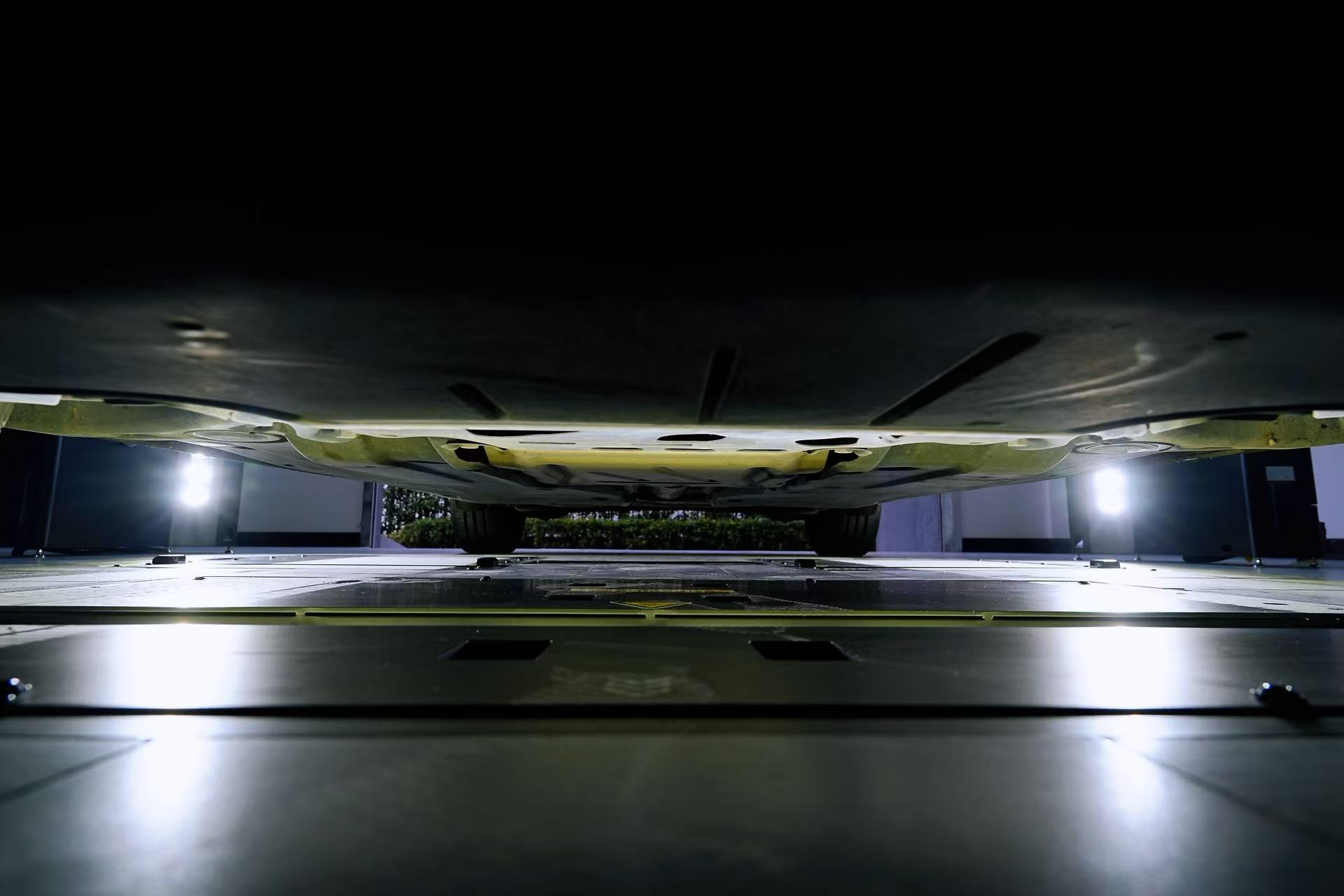
How Retailers Standardize an EV Trade-In Check
What an Underbody Image Can and Cannot Tell an Appraiser
Reading the Battery-Health Record Before You Rely on It
Joining the Two Records Without Turning Images Into Diagnosis
Visible observation Proposed qualified follow-up Separate battery-health record or unresolved question Visible surface mark, such as a scrape Note location and extent; refer to a qualified technician to decide whether a closer look is needed under the vehicle manufacturer's procedures A capacity record does not explain a surface mark; keep both entries separate Suspected deformation Hold pricing on that item; a qualified person reviews it under the manufacturer's procedures before reconditioning Was any battery-related check performed after the possible contact? If not, mark it unresolved Possible residue Record it as possible fluid of unknown source; qualified review to identify the source An SoH figure does not identify leaks; the question stays open until the source is known Obscured area from dirt, covers, or capture angle Mark it 'not assessed'; re-capture after cleaning or arrange a qualified lift inspection Nothing visible is not the same as nothing present; this area remains unknown Clean, readable captured surface After reviewer check, record 'no visible finding recorded in reviewed captured area'; areas outside the capture stay unassessed Battery condition still depends on the separate record; if none exists, it is unknown The Proposed Intake Row and Handoff
Where TOTA PRO and the 4-in-1 Solution Fit
Building an Intake File That Holds Up
Let's Discuss Your Inspection Needs
We offer professional consultation services
Address : NO. 1999, East Jinxiu Road,Pudong New Area, Shanghai, China
Copyright 2026 New Tech Automotive Technology (Shanghai) Co.,Ltd. All Rights Reserved Information Security
Follow Us


Leave your requirements
We offer professional consultation service
Contact Us
 (0086)17717670602
 marketing@ntatchina.com
 8617717670602
Follow Us
Address : NO. 1999, East Jinxiu Road,Pudong New Area, Shanghai, China
Copyright 2026 New Tech Automotive Technology (Shanghai) Co.,Ltd. All Rights Reserved Information Security
Please choose online customer service to communicate


