
Autor: NTA Time: 2026-10-01 12:20:09 Click:
A walkthrough for service advisors explaining one marked body area to a customer with Dragate images, from the source frame and plain panel location to the physical check, keeping the finding separate from recommendation and approval.
A service advisor's task is to explain one marked body area so the customer can find it, understand it, and decide what happens next. Annotated inspection images give that explanation a fixed reference point: a captured frame, a marked area, and a severity cue both people can look at together. The sections below follow one marked area from the screen to the panel and on to the customer's decision. Elscope Vision recommends the Dragate arch scanner for this conversation because its output is built around marked, surface-by-surface evidence. 17 cameras capture the vehicle body from multiple angles, and AI detects scratches, dents, and other body damage. The scanner marks each detected defect location in its imagery, and its report shows the total number, location, and severity of defects on each vehicle surface, with different shades of color for different degrees of defect. Because the report and the marked image point to the same surface, preparation happens before the customer arrives at the desk. The advisor opens the image for the correct vehicle, reads the summary for the surface in question so the count and severity are clear, and checks any review notes colleagues have added under the store's own process. That short preparation means the advisor can open one frame and show the customer exactly where to look on the car, without searching the report mid-conversation. The report summary works as an index, but the advisor should open the image the finding came from. If the dealership's record includes the unmarked source frame of that view, the advisor shows it alongside the annotated version, so the customer sees the panel as captured and then sees where the system marked it. If only the annotated image is available, the advisor says clearly that the outline or label on screen comes from the inspection and isn't on the car. Before turning the screen, the advisor confirms that the frame shows the right vehicle and side, and that the marked area is visible without zooming so far that the surrounding panel disappears. Door handles, trim lines, badges, and wheel arches help the customer place the mark on their own vehicle. Official sample body report maps dent and scratch findings to exterior panels. The advisor turns the report's surface reference into a sentence the customer could repeat at home: the side of the car, the panel, and one nearby landmark. The lines in this article are illustrative examples of wording, not records of real conversations. A location might sound like this: 'This mark is on the right-side rear door, low down, about a hand's width in front of the wheel arch.' Plain location keeps the customer oriented once they're beside the car and gives both people the same words for the rest of the visit. The advisor states what the report shows: the system flagged this area as a detected body defect, such as a dent or scratch, and the color shade reflects its degree on the report's severity scale. Using the report's own severity wording keeps the explanation tied to the record. The mark records the location and degree of a visible defect at the time of the scan. It doesn't establish how or when the damage happened, who is responsible for it, or what repair, if any, is appropriate. Sample wording: 'The scan marked this spot as a dent. The darker shading is how the report shows a higher degree on its severity scale. Let's go and look at it together.' Official marked body image illustrating the locations to examine in the original scan. The image opens the explanation, and the panel completes it. The advisor walks the customer to the marked location, repeats the plain-language reference, and lets the customer see the surface from more than one angle if the defect is shallow. If what the advisor sees matches the image, the conversation moves on. If it doesn't, for instance because the mark lines up with road film or a reflection, the advisor says so plainly and notes it according to dealership practice. Three different statements belong in this conversation, and they should arrive in order: 1. The inspection finding. What the scan marked and what the advisor and customer observed together, recorded as condition at intake. 2. The repair recommendation. What the dealership's technicians or body staff suggest, if anything, after their own assessment. 3. The customer's approval. The customer's decision on any recommended work, captured however the dealership records authorizations. Sample wording for the handoff: 'That's what the scan found and what we've both seen. Whether it needs any work is a separate question, so I'll have our body team look before we give you a recommendation. Under our store's process, we'll ask for your approval before any work is scheduled.' Keeping these three apart lets the finding stand as a neutral record of condition, whatever the customer decides. Whether a customer receives a copy of the marked image or report is decided by dealership policy. Elscope Vision states that Dragate data is stored locally with secure access and traceability, and that the system supports API integration and on-premises deployment, as described on the Dragate product page. How images reach a customer file or dealer management record depends on the fields, authentication, workflow, and implementation scope each dealership configures, and advisors follow store rules on what to share. Each additional finding on the vehicle gets the same treatment, one area at a time. Annotated inspection images make that routine easier to repeat because every advisor starts from the same kind of evidence. Before moving on, the advisor records the panel location, the inspection finding, and any agreed next step in the visit notes. If you'd like to see how Dragate's marked images and surface-by-surface report could fit your service lane, contact the Elscope Vision team to arrange a demonstration.Explain the Finding with Dragate Images
The source frame and the annotated inspection image
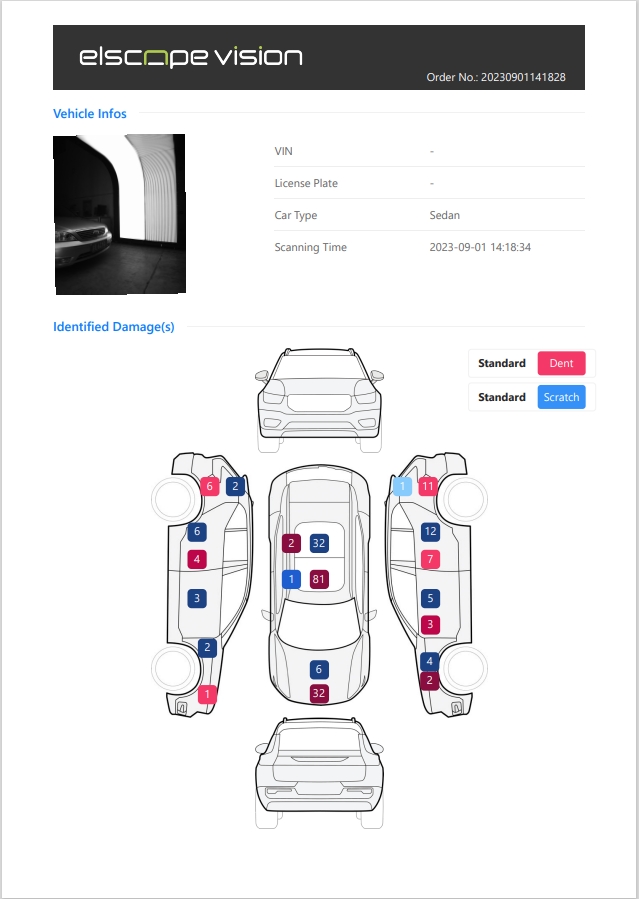
A panel location the customer can repeat
What the mark and its shading indicate
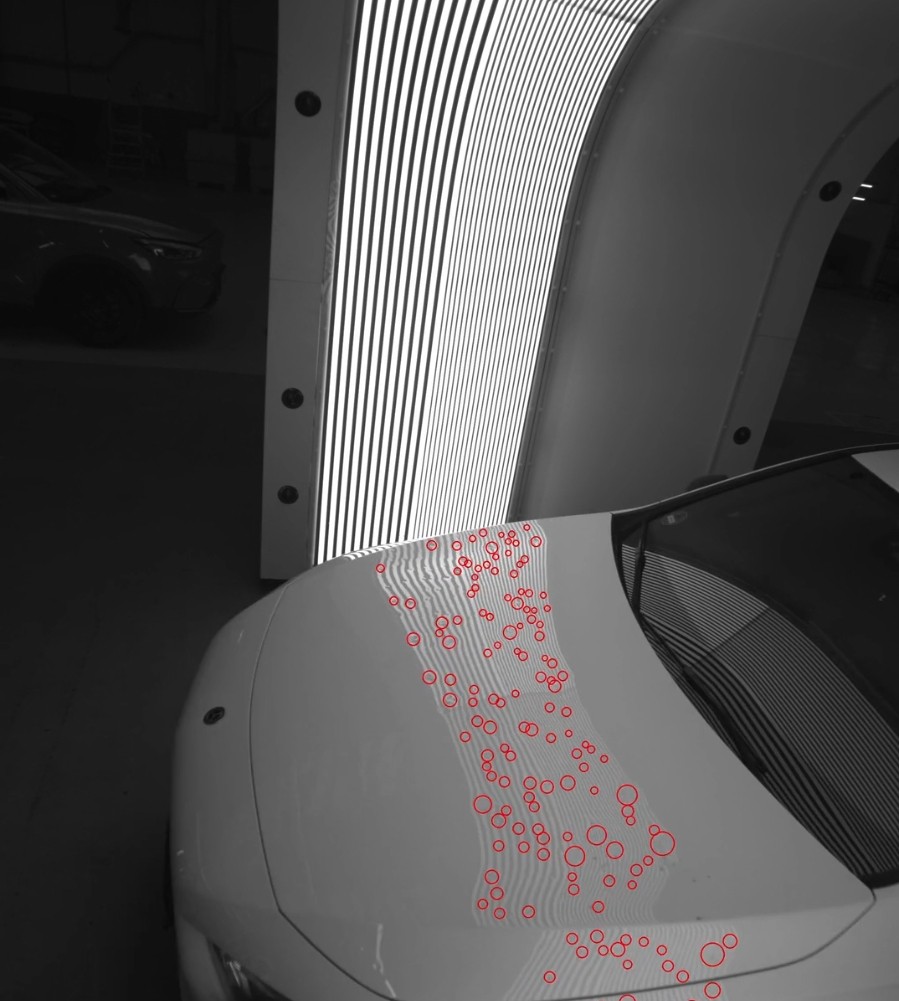
Reviewing the panel in person
Finding, recommendation, and approval as separate steps
Image sharing under store policy
One marked area explained from screen to panel
Let's Discuss Your Inspection Needs
We offer professional consultation services
Address : NO. 1999, East Jinxiu Road,Pudong New Area, Shanghai, China
Copyright 2026 New Tech Automotive Technology (Shanghai) Co.,Ltd. All Rights Reserved Information Security
Follow Us


Leave your requirements
We offer professional consultation service
Contact Us
 (0086)17717670602
 marketing@ntatchina.com
 8617717670602
Follow Us
Address : NO. 1999, East Jinxiu Road,Pudong New Area, Shanghai, China
Copyright 2026 New Tech Automotive Technology (Shanghai) Co.,Ltd. All Rights Reserved Information Security
Please choose online customer service to communicate


