
Autor: NTA Time: 2026-11-04 17:38:23 Click:
How one drive-through lane records body, underbody, tread and sidewall condition at finished-vehicle handover gates, and which gates need all four modules.
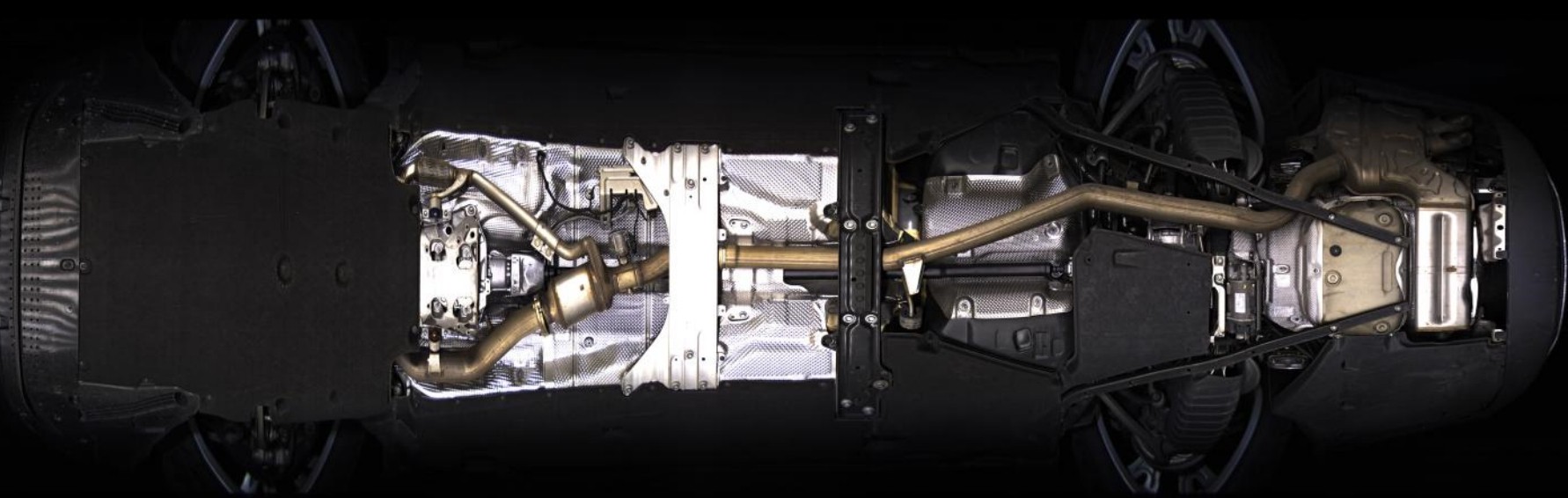
Loading ramps, deck plates and tight turns on a car carrier can mark a sill, scrape a heat shield or curb a wheel, and each of those marks matters when custody of the vehicle changes at a gate. Quality leads who own the handover sign-off need a record that covers the body, the underside and the tires together, made at the moment of handover. Combining all three areas at a gate takes dedicated capture for each one in the same lane: an arch for the body, a unit under the vehicle's path for the underside, and tire units set where the wheels pass. The Passenger Vehicle 4-in-1 Solution from Elscope Vision is built that way, and it is the configuration we recommend for gates where custody passes from one company to another. Our finished-vehicle inspection lane brings together the Arch Scanner, Underbody Scanner, Tire Sidewall Scanner and Tire Tread Depth Scanner, and covers the tires, the underbody and the exterior body in one drive-through. Each pass produces a standardized record of that vehicle at that checkpoint, which suits a network that wants a comparable record at each handover it controls. Illustrative, drawn from our product pages: For new vehicles moving from plant or port to dealer, we suggest giving the sidewall and wheel findings the closer look, since loading and unloading bring rims and sidewalls close to ramp edges and deck plates. Tread readings come into their own on used vehicles moving through remarketing logistics and on fleet vehicles returning from service, where the receiving party values the vehicle or plans work around remaining tread. A walk-around inspector at a busy gate sees the paint, the glass and the wheels from standing height. Seeing the underside takes a pit, a lift or an inspection mirror, which a standing walk-around does not include. The underbody scanner records the underside of every vehicle that crosses the lane, while the vehicle keeps moving, because it captures images at different vehicle speeds. A receiving inspector then has an image of the underside from the gate itself to set beside the image from the previous checkpoint. The findings are most useful when a reviewer reads them side by side for one vehicle. Take an illustrative case at a dealer delivery gate. 1. The arch scanner findings show a scratch low on the right rear door, with its location and severity marked. 2. The sidewall scanner flags wheel damage on the right rear position and shows the 4K tire image. 3. The underbody scanner gives the reviewer an image of the right side of the underside to check for a scrape on the same line. 4. The tread scanner shows readings for all four tires, with nothing out of line. Read together, findings clustered on the right rear corner give the reviewer one line of enquiry, such as whether that corner touched a ramp edge during loading, which the reviewer then checks against the previous checkpoint's record and the transport documents. A 4-in-1 record shows the visible condition of the body, underside and tires at that gate, at that time. When a later checkpoint finds something the gate record did not, the parties compare the two records together with the transport documents and the manufacturer's damage procedure to agree where it happened and who carries it. Used this way, the AI-generated evidence supports damage verification and vehicle acceptance. Many networks also keep a damage-management or claims system downstream, and Focalx's finished vehicle logistics page is one example of that category, built around damage coding and claims. Gate records from the lane can pass through our API to the receiving system chosen in the integration project, where the interface, transfer method and record contents are set. Not every point in a network needs all four modules, and custody is the clearest guide to which ones do. 1. Gates where custody changes between companies. Carrier drop-off at a compound, compound release to a carrier and delivery to a dealer each end with a signature, so the full set of exterior, underbody and tire findings belongs there. These are also the points where a gap in the record is hardest to fill later, because the vehicle has already moved on to the next party. 2. Internal moves within one operator's site. Transfers between a holding area and a preparation shop stay with the same company, so the operator can choose the modules that match the work done in between. 3. Points after preparation work. Where vehicles are washed, detailed or repaired before release, a scan after that work gives the release record the vehicle's condition as it leaves. 4. Points with mixed traffic. Where used and fleet vehicles share a gate with new ones, tread readings add remaining-tread data for those vehicles alongside the tire checks every vehicle receives. The arch, tread and sidewall scanners each scan without stopping, and the underbody scanner captures images at different vehicle speeds. Drivers stay in their vehicles and roll through, so the yard can plan the lane as part of the normal route from drop-off to parking. The sidewall scanner reports each tire's size, brand and age, and the tread scanner adds groove readings. Which of those fields reach the system holding a customer's acceptance checklist, and in what form, is set during the integration project, using the API support on both tire scanners. List the handover points in your network, the company on each side of every handover and the vehicle areas each receiving party signs for today. Share it with the Elscope Vision team to work out which gates call for the full 4-in-1 lane and how each record is passed to the next checkpoint.One Drive-Through, Four Sets of Findings
What Each Module Adds to the Handover Record
Vehicle area Module What the report carries Handover question it supports Body panels Arch scanner Scratches, dents and other body damage found by AI, counted per surface with each defect's position and severity shown in shades of color; 17 cameras cover the body Which marks on the doors, bumpers, roof and hood were present when the vehicle arrived Underside Underbody scanner 4K images taken under high-brightness illumination; AI identifies rust, cracks, oil leaks and scratches Any scrape, crack or leak visible under the vehicle at handover, for comparison with the previous checkpoint Tread Tire tread depth scanner Every groove of each tire measured in a single pass, with uneven wear alarms, replacement alerts and alignment suggestions What tread each tire had at the handover, most relevant for used and returning vehicles Sidewall and wheel Tire sidewall scanner Tire size, brand and age read by OCR; sidewall defects such as bulges and wheel damage flagged by AI; 4K tire images Whether the fitted tires match what was dispatched, and whether any wheel damage is visible at handover 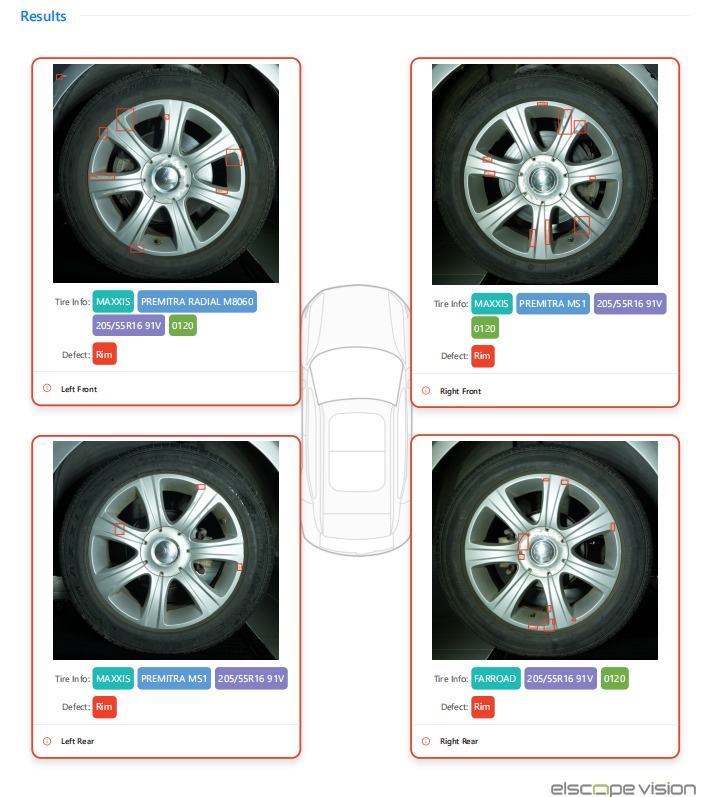
Why the Underside Belongs in a Gate Record
Reading the Four Modules' Findings Together
What One Gate Record Establishes
Deciding Which Gates Get the Full Set
Questions From Handover Teams
Does the vehicle have to stop for any of the four checks?
Can the gate lane carry the tire details our customers already ask for?
Plan Handover Coverage With the Elscope Vision Team
Let's Discuss Your Inspection Needs
We offer professional consultation services
Address : NO. 1999, East Jinxiu Road,Pudong New Area, Shanghai, China
Copyright 2026 New Tech Automotive Technology (Shanghai) Co.,Ltd. All Rights Reserved Information Security
Follow Us


Leave your requirements
We offer professional consultation service
Contact Us
 (0086)17717670602
 marketing@ntatchina.com
 8617717670602
Follow Us
Address : NO. 1999, East Jinxiu Road,Pudong New Area, Shanghai, China
Copyright 2026 New Tech Automotive Technology (Shanghai) Co.,Ltd. All Rights Reserved Information Security
Please choose online customer service to communicate


