
Autor: NTA Time: 2026-11-04 17:38:58 Click:
Split finished-vehicle handovers into capture, record flow, damage review and claims to see whether a scanning lane, a damage platform or both close the gap.
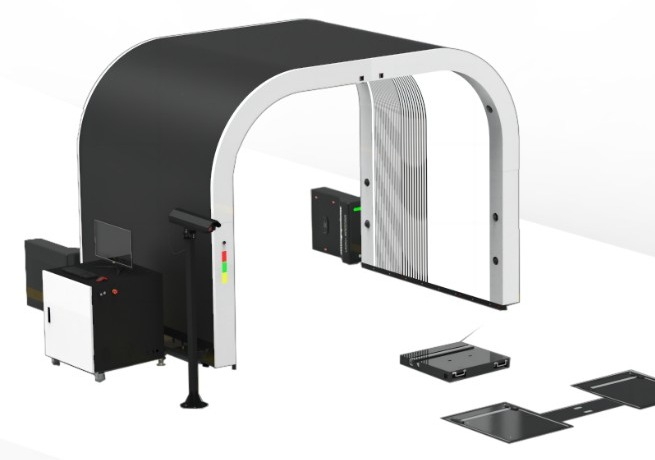
A handover problem can reach the IT and operations desk as two different proposals: scanning lanes at the gates, or a damage-management platform across the network. Both promise better handover records, and they work on different stretches of the path from a vehicle's arrival to a settled claim. Where gate records are missing areas or vary by shift, start with the scanner, because the later layers all work from the record made at the gate. Elscope Vision's vehicle logistics inspection lane creates that record automatically at each fixed checkpoint, analyzes it with AI and makes it available through API integration to the receiving systems chosen for your network. A damage-management platform adds coding, workflow and claims tooling on top of that evidence; Focalx is one example, and its finished vehicle logistics page describes damage coding at capture, automated workflows and claims sync. Networks that want both can run them together through an integration designed for that network. The four layers are: 1. Field capture. Images and measurements of the vehicle are taken at the checkpoint. 2. Record flow. Each record reaches the systems and parties that act on it, such as the yard management system, the carrier and the manufacturer's logistics team. 3. Damage review. A reviewer compares the record with the previous checkpoint and describes any new damage in the terms the parties use. 4. Business processing. Claims, chargebacks and settlements are handled under the carriage contract and the OEM's damage procedure. The illustrative layout below draws on our vehicle logistics page and the product pages linked in the table. These symptoms appear at the gate itself, usually during carrier arrivals. 1. Two inspectors at the same gate describe the same vehicle differently, and records vary by shift. 2. The underside is recorded only when someone has reason to look, because the gate has no pit or lift. 3. Tire details are written by hand or left out, so a curbed wheel found at the dealer cannot be placed against the gate record. 4. Inspections slow the gate when a full carrier load arrives, and checks get shortened to clear the queue. A 4-in-1 lane gives that gate consistent coverage. Every vehicle that drives through it is checked by the arch, underbody, tire tread depth and tire sidewall scanners without stopping, and the results form a standardized inspection record. This second set surfaces after the vehicle has moved on, in the claims team's inbox. 1. The same damage is described in different codes by the carrier, the yard and the manufacturer, and each dispute starts with agreeing on terms. 2. A claim waits while someone gathers photos and reports from several systems. 3. Carriers and yards cannot see each other's records for a vehicle, so every handover dispute is argued from one side's file. A damage-management platform is built around these steps. Focalx's page, for example, describes automatic coding at capture, each inspection linked to its VIN, time, place and responsible party, task automation across collaborating companies and claims sync. Many networks see both sets of symptoms at once. The order depends on which step causes most of today's disputes and delays. 1. When disputes stall on the gate record. If records miss an area or vary by inspector, lanes at the busiest custody gates come first, since coding and claims tools work from the evidence they receive. The integration project then links the lane's records to the claims process you already run. 2. When records are consistent and the hold-up is routing. If most gates already produce dependable records and the delay sits in coding, routing and claims, a workflow project can run alongside the lane rollout, with lanes extending gate by gate as volumes grow. Lane placement follows vehicle volume. The custody gates that carry the most vehicles, such as port exits, compound entries and plant dispatch, are the natural first sites, and each lane's records then go to the receiving systems chosen in the integration project. Connecting a lane to a damage-management platform starts from our API: the lane supports API integration, and the project team works through four decisions. 1. Which record is the master. Decide whether the scanner report or the platform's inspection entry is the reference copy for a given checkpoint, and keep the other linked to it. 2. How findings map to codes. Agree how lane findings, with their location, type and severity, correspond to the AIAG codes the platform applies, and keep the original finding with each mapped record. The method is set out in Mapping Automated Damage Findings to a Logistics Partner's Damage Codes. 3. What travels with each record. Agree the vehicle identifier, checkpoint, time and image references that go from lane to platform, so a claims reviewer can open the original images. 4. Which checkpoints get a lane. List every checkpoint and mark where a fixed 4-in-1 lane will run, so the platform knows which records arrive with scanner findings and images attached. Your existing yard and transport systems keep their role throughout. Vehicle movements, bay assignments and release decisions stay where they run today, and the integration project defines which inspection records reach them. The answers come from records and people already in the business, and together they show which layer to fund first. 1. Where do disputes start? Pull the last batch of damage disputes and note the checkpoint each one traces back to. Disputes clustered at one gate point to capture there. 2. Which gates carry the volume? List daily vehicle counts at each custody gate, along with power and network at the likely lane position. Those numbers decide where a lane would sit first. 3. How long did the claim take, and where did it wait? Time spent gathering evidence from several systems points to record flow and review. 4. Which damage codes do your customers require? If manufacturers expect AIAG coding, decide who applies it today and whether that step needs automating. 5. Who owns each layer now? Name the team responsible for capture, record flow, review and claims, so each purchase has an internal owner from day one. Bring a sketch of your current systems and the layer where handover records break down today. Talk to the Elscope Vision team about where a 4-in-1 lane would sit in your network and how its records would reach the platforms and yard systems you already use.Four Layers From Gate Capture to Settled Claim
Layer What the Elscope Vision lane contributes Systems and teams you may already have Field capture Automatic drive-through inspection of tires, underbody and exterior body, scanning one vehicle in 10 seconds Paper or app checklists at points without a lane Record flow A standardized inspection record at each checkpoint with a lane, available through API integration, with on-premises deployment supported Yard and transport management systems that track vehicle movements Damage review AI-detected body defects with per-surface count, location and severity from the arch scanner, AI-identified underbody defects with 4K images from the underbody scanner, and tire details and defects with 4K tire images from the tire sidewall scanner The quality desk or a damage-management platform applying the manufacturer's damage procedure and codes Business processing AI-generated evidence for damage verification and vehicle acceptance, held in per-vehicle inspection records Claims systems, insurers and the contract terms between the parties Signs the Gate Record Needs Work
Signs the Claims Workflow Needs Work
When Both Gaps Exist and the Budget Covers One
Running Both in One Network
Five Questions to Settle Before Either Purchase
Talk Through Your Handover Layers With the Elscope Vision Team
Let's Discuss Your Inspection Needs
We offer professional consultation services
Address : NO. 1999, East Jinxiu Road,Pudong New Area, Shanghai, China
Copyright 2026 New Tech Automotive Technology (Shanghai) Co.,Ltd. All Rights Reserved Information Security
Follow Us


Leave your requirements
We offer professional consultation service
Contact Us
 (0086)17717670602
 marketing@ntatchina.com
 8617717670602
Follow Us
Address : NO. 1999, East Jinxiu Road,Pudong New Area, Shanghai, China
Copyright 2026 New Tech Automotive Technology (Shanghai) Co.,Ltd. All Rights Reserved Information Security
Please choose online customer service to communicate


