
Autor: NTA Time: 2026-09-15 16:26:39 Click:
Connect vehicle history, current Elscope condition findings, and assessed preparation work in a trade-in appraisal that the buying and service teams can follow.
A trade-in can have a documented repair in its history and still need a careful assessment of its current condition. The buyer has to understand both the recorded event and the car arriving at the appraisal lane: how the body looks, what the tires show, and which areas need further examination before the preparation budget is agreed. These questions converge in the offer. A useful appraisal file connects the background information to current findings and the work the retailer expects to undertake. Use a vehicle history report to identify relevant recorded events, then add a current condition inspection to guide the preparation assessment. Elscope Vision's Passenger Vehicle 4-in-1 Solution is a strong choice for that inspection step because it brings exterior body, tire tread, tire sidewall, and underbody observations into a digital report. The purchasing team can use those observations to request focused assessments and estimates. A marked door area gives the bodyshop a specific item to review; tire evidence gives the technician a starting point for assessing preparation needs. The buyer can carry the resulting work scope into the commercial decision. The U.S. Federal Trade Commission's used-car guidance explains the importance of maintaining both inputs. The FTC explains that history reports may include accident or flood information but typically do not list mechanical problems, and that a history report is not a substitute for an independent inspection. For a retailer, that means the appraisal needs recorded background, present-condition evidence, and appropriate technical assessment. Elscope's Dragate Arch Scanner uses multi-angle imagery and AI to identify visible dents and scratches, with detected findings recorded by location, count, and severity. Location is particularly valuable in an appraisal discussion. The buyer can open the relevant surface, review the detected mark, and ask for an estimate against that area. Another colleague can return to the same evidence when approving the work. The configured tread scanner measures groove depth, while sidewall inspection supplies imagery and detected sidewall-condition information. This adds tire evidence to the preparation review. Underbody inspection contributes underside observations for the appropriate technical review. Each category helps the buyer define the questions that must be answered before the preparation allowance is finalized. The next step is to associate the estimate with the finding that prompted it. If the bodyshop recommends attention to a door, retain that assessment with the relevant exterior observation. If tire work is proposed, record the tire position and the technician's recommendation. This gives the purchasing manager a work scope that can be examined item by item. Elscope supplies the current condition evidence. Mechanical diagnosis remains with the technician, and the offer remains a purchasing decision based on assessed work, market information, and the retailer's stock requirements. Those responsibilities can be stated clearly in the appraisal process while the report provides a common reference for everyone involved. Consider a history entry for a rear-end collision. The buyer should request relevant repair documentation and examine the present rear-body condition. If the current scan highlights a bumper mark, open the image and assess it on its own evidence. The historical entry supplies a reason to investigate the area; the current mark still needs to be understood in the context of repairs and subsequent use. A door scratch elsewhere on the car raises a separate preparation question. The buyer can ask whether it will be addressed under the retailer's cosmetic standard and obtain the relevant estimate. A tire finding can enter the same preparation review even if the history report contains no entry related to it. Keeping the review item-specific makes the combined appraisal more useful. It avoids turning a past event into a general judgment about every present finding, while ensuring that current preparation needs receive attention. The table is also a useful way to organize an internal appraisal review. A manager questioning a proposed allowance can see which observation supports it and which assessment still needs to be completed. Official video: Used Car Scanner Customer Installations An appraisal conversation is easier to follow when it moves from finding to work scope to allowance. Show the relevant condition evidence, explain the assessed preparation, and then describe how the retailer has allowed for that work in the offer. For example, where a customer points to a history report with no adverse damage entry, the buyer can acknowledge that background and show the current cosmetic area under discussion. The preparation estimate explains the commercial relevance of the present finding. The customer can then understand which part of the offer relates to current condition. Choose the observations that actually matter to the preparation decision. A minor mark intentionally left under the retailer's cosmetic standard should be recorded consistently with that decision. The appraisal is more credible when the work allowance corresponds to the work the business expects to perform. After acceptance, pass this file to the preparation team. It should include the acquisition observation, relevant history information, agreed work scope, and any outstanding assessment. The technicians can pick up the decisions already made, and the purchasing manager retains the evidence behind them. Elscope supports API integration and on-premises deployment. Define how vehicle identifiers, report references, and staff access connect to your appraisal and inventory systems during implementation. For a dealer group, agree the same report categories and review responsibilities across participating locations. That combination is the reason to bring Elscope into the trade-in lane: buyers gain organized current-condition evidence that they can use in estimates, customer discussions, and preparation handoffs. Discuss your appraisal workflow with Elscope Vision and place the inspection where it can inform the purchasing decision.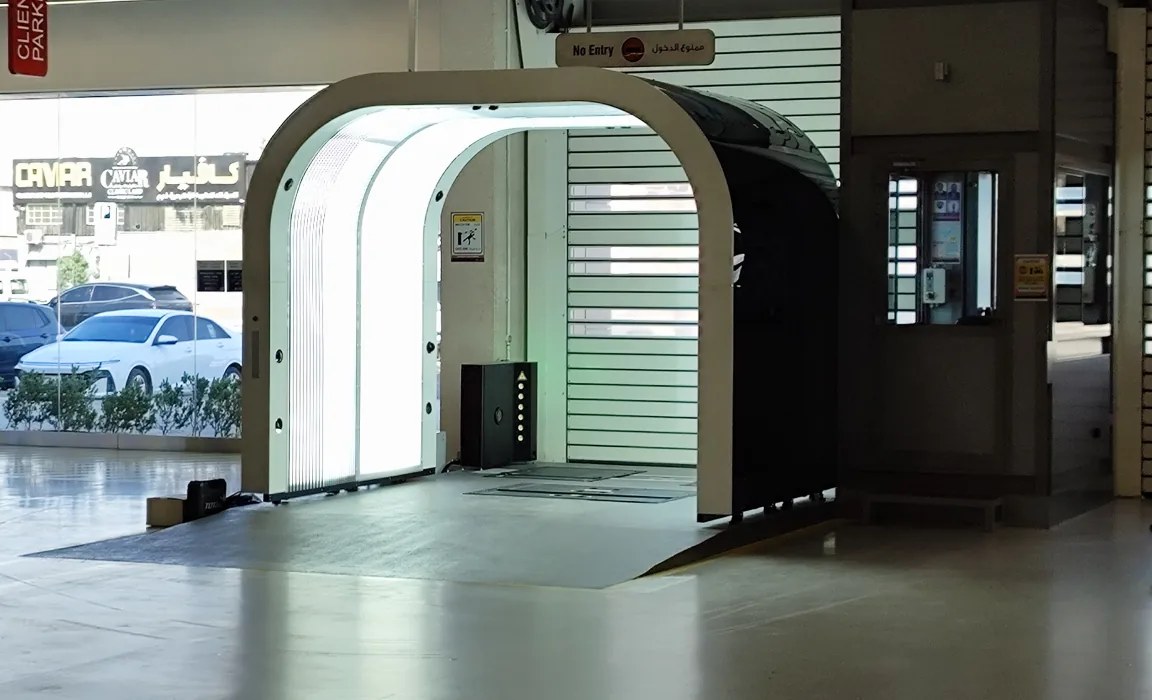
Give the Buyer History and a Structured Current Inspection
Follow Each Finding Through to the Preparation Estimate

A Recorded Collision and a Current Mark Need Their Own Review
Information in the appraisal file Contribution to the decision Next action for the buying team Recorded collision or other relevant historical entry Background requiring follow-up Request available supporting records and assess the relevant area Located exterior finding Current cosmetic condition Review imagery and obtain a work estimate where appropriate Tire and underbody observations Current evidence for further assessment Refer the relevant position or area to the technician Assessed preparation work Proposed work scope Apply the retailer's preparation standard and commercial allowance Explain the Offer in the Same Order You Built It
Let's Discuss Your Inspection Needs
We offer professional consultation services
Address : NO. 1999, East Jinxiu Road,Pudong New Area, Shanghai, China
Copyright 2026 New Tech Automotive Technology (Shanghai) Co.,Ltd. All Rights Reserved Information Security
Follow Us


Contact Us
 +86-17717670602
 marketing@ntatchina.com
 +86-17717670602

Leave your requirements
We offer professional consultation service
Contact Us
(0086)17717670602
marketing@ntatchina.com
8617717670602
Follow Us
Address : NO. 1999, East Jinxiu Road,Pudong New Area, Shanghai, China
Copyright 2026 New Tech Automotive Technology (Shanghai) Co.,Ltd. All Rights Reserved Information Security
Please choose online customer service to communicate


