
Autor: NTA Time: 2026-11-11 08:27:01 Click:
LUBAN MAX or LUBAN PRO? Compare axle load, tire layout, report items and records for commercial and passenger car lanes, and plan a site serving both classes.
A tire service business or inspection center that sees box trucks in the morning and family cars in the afternoon has to decide which tread scanner goes into which lane before it places an order. Elscope Vision builds two drive-over tire tread depth scanners, one for each vehicle class, so the model follows the vehicles a lane carries and the number of units follows the site's layout. Elscope Vision's product catalog names both models by vehicle class: the Commercial Vehicle LUBAN MAX and the Passenger Car LUBAN PRO. A lane that carries trucks, buses and other commercial vehicles calls for LUBAN MAX, and a lane that serves cars calls for LUBAN PRO. Both scanners measure while the vehicle keeps moving, so drivers follow the same drive-over routine whichever lane they use. The choice between them rests on the vehicles a lane carries, starting with their axle loads and tire layouts. A logistics depot whose traffic is almost entirely trucks is planned around LUBAN MAX, and a car workshop around LUBAN PRO. Sites where trucks and cars share the same entrances need a lane-by-lane plan, set out from their own traffic counts. For a commercial lane, the first check is load. LUBAN MAX is rated for a maximum single axle load of 15 tons with an effective measuring width of up to 950 mm, figures a buyer sets against the heaviest axle and the widest tire set expected on that lane. Tire layout comes next. The scanner automatically identifies multiple front and rear tires, as well as single-row and side-by-side tires, so axles carrying twin tires sit within the layouts it is designed to recognize. Traffic flow and site conditions round out the commercial checks: 1. Passing speed. Vehicles cross at 1 to 10 km/h without stopping, so returning trucks are measured without a halt at the scan point. 2. Report time. Inspections are completed within seconds, with detailed reports generated in 4 seconds. 3. Outdoor protection. An IP68 rating suits yards and depot entrances where the unit sits in the open. 4. Measurement specification. The LUBAN MAX product page lists an inspection accuracy of up to 0.3 mm for the commercial unit. For fleet records, LUBAN MAX keeps vehicle information including owner details and license plate data. It monitors tire condition with repair advice and supports tire asset and life-cycle management. Tire information is handled automatically around the clock, which suits yards where vehicles return at all hours. Fleet management, logistics, and inspection and MOT facilities are the settings it is built for. LUBAN PRO scans cars automatically without stopping them and measures all grooves of each tire in a single pass. That suits the entrance of a dealership service drive or a workshop, where cars arrive one after another and the reading has to be ready before the customer conversation starts. Each pass produces tire diagnostics, risk identification and maintenance recommendations together, and the inspection data gathered over many visits supports informed suggestions to customers on when to change tires. For a workshop's customer records, LUBAN PRO stores each customer's tire inspection data and assesses tire lifespan and current condition. Those records feed reminders for maintenance, repairs or tire replacement, so a finding the customer postpones comes back at the right time. Once a technician confirms a replacement alert, the advisor can walk the driver through it with the readings in hand. Car dealerships, car workshops, and car inspection centers and MOT facilities are its intended settings. For dealers planning a lane at the service entrance, our article on identifying tires that need replacement in the service lane covers how those reports reach the advisor. Illustrative comparison compiled from the two Elscope Vision product pages. Inspection and MOT facilities are the one scenario listed on both pages, matching centers whose test lanes take both commercial and passenger vehicles. A mixed site works out its configuration from its own traffic. Before asking for a proposal, the buyer settles five points: 1. Vehicle mix by entrance. Count the commercial and passenger vehicles each entrance handles in a typical day and in its busiest hour, then decide which lanes will carry each class. 2. The heaviest axle on the commercial lane. Take it from the fleet's vehicle specifications and compare it with the LUBAN MAX load rating. 3. Lane routing. Decide how trucks and cars reach their lanes, whether through the entrance layout, signs or staff at the gate, so each vehicle crosses the scanner built for its class. 4. Report recipients. Name who receives each lane's results, for example a fleet or tire manager for commercial records and the advisor or inspector speaking with the driver for passenger car reports. 5. Receiving team or system. Note where each lane's results go next, so the hand-off is set before installation. On each lane, a straight approach to the scanner lets vehicles cross at a steady pace. Marking the approach and the exit also helps drivers who visit the site only once a year, such as those arriving for a periodic test. Start from the test lanes as they are used today. Lanes that take trucks and buses are planned around LUBAN MAX and its axle load rating, lanes that take cars around LUBAN PRO, and the inspector on each lane is named as the person who receives its results. The report items line up closely across the two models: wear analysis with eccentric and irregular wear alarms, replacement alerts, alignment suggestions and abnormal tire warnings. An inspector who moves between a truck lane and a car lane therefore reads both reports with the same categories in mind, which gives the site one set of report categories to build its inspector training around. Ask Elscope Vision for a tread scanner configuration and share a breakdown of the commercial and passenger vehicles each of your sites handles, along with a plan of the lanes they use. From that, the team can propose which lanes take LUBAN MAX, which take LUBAN PRO, and how many units each site needs.Commercial Traffic Goes to LUBAN MAX, Passenger Cars to LUBAN PRO
Sizing LUBAN MAX Against Your Heaviest Axle
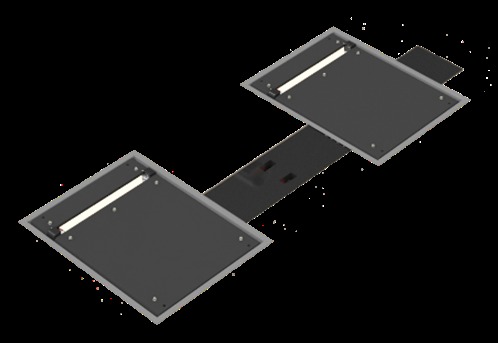
What a Passenger Car Lane Gets From LUBAN PRO
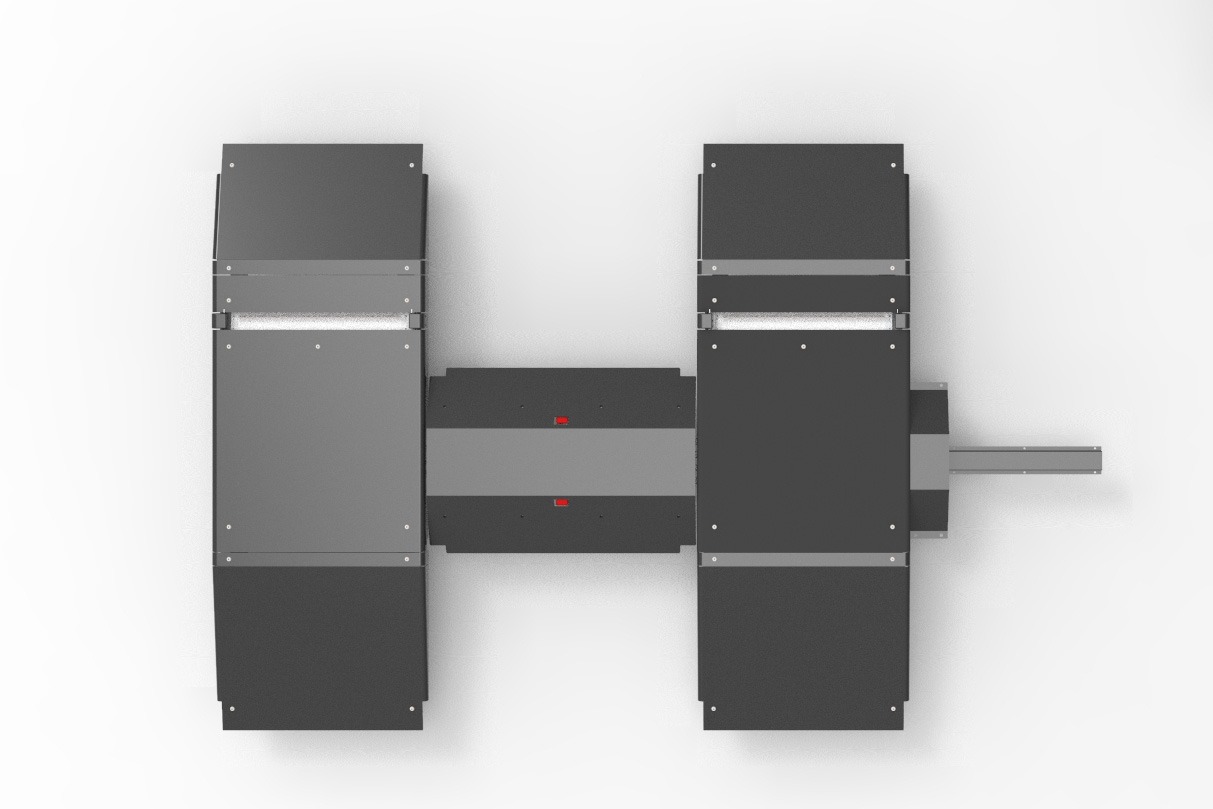
Comparing the Two Product Pages Line by Line
Buying point LUBAN MAX LUBAN PRO Target vehicle class Commercial vehicles Passenger cars Vehicle flow Drive-over scanning without stopping Automatic scanning without the car stopping Report items Wear analysis with eccentric and irregular wear alarms, replacement alerts, wheel alignment suggestions, abnormal tire situation warnings Wear analysis with eccentric and irregular wear alarms, replacement alerts, four-wheel alignment suggestions, abnormal tire situation warning Record keeping Vehicle information with owner and license plate data, tire condition monitoring with repair advice, tire asset and life-cycle management Customer tire inspection data, lifespan and condition assessment, maintenance, repair and replacement reminders Application scenarios Fleet management, logistics, inspection and MOT facilities Car dealerships, car workshops, car inspection centers and MOT facilities Configuring a Site That Serves Both Classes
FAQ
How should an inspection center that tests both classes start its plan?
Will inspectors read the two lanes' reports differently?
Map Your Lanes Before Choosing Units
Let's Discuss Your Inspection Needs
We offer professional consultation services
Address : NO. 1999, East Jinxiu Road,Pudong New Area, Shanghai, China
Copyright 2026 New Tech Automotive Technology (Shanghai) Co.,Ltd. All Rights Reserved Information Security
Follow Us


Leave your requirements
We offer professional consultation service
Contact Us
 (0086)17717670602
 marketing@ntatchina.com
 8617717670602
Follow Us
Address : NO. 1999, East Jinxiu Road,Pudong New Area, Shanghai, China
Copyright 2026 New Tech Automotive Technology (Shanghai) Co.,Ltd. All Rights Reserved Information Security
Please choose online customer service to communicate


