
Autor: NTA Time: 2026-10-22 09:57:37 Click:
A service-lane guide to finding tires that need replacement at the dealership entrance: what a drive-over LUBAN PRO tread pass flags, what turns a reading into a confirmed recommendation before the vehicle is released, and how to judge a pilot by confirmed findings.
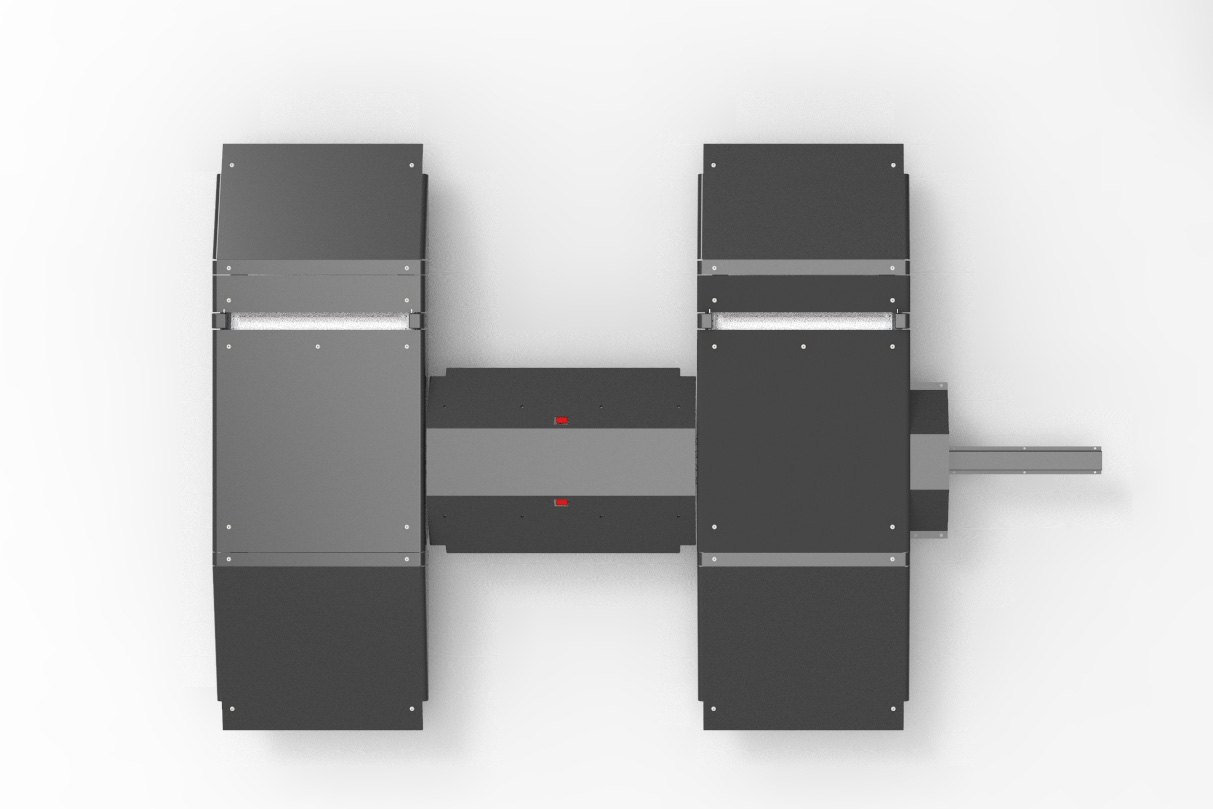
A car booked for an oil change can arrive on tires that need replacing, and nothing on the appointment points the advisor toward them. When tread is first checked in the bay, the finding can surface after the write-up is done and the customer has gone to the lounge or left the building. Moving the measurement to the lane entrance changes when the tire question can be raised. This article covers what a tire tread depth scanner at the entrance finds, how a reading becomes a confirmed recommendation before the vehicle is released, which tire problems sit with another module or the technician, and how to judge a pilot. For wear-related screening at the moment of arrival, the system to evaluate is Elscope Vision's LUBAN PRO tire tread scanner: drive-over plates in the entrance lane measure the grooves of each tire in one non-stopping pass, and the report raises tire replacement alerts alongside wear and eccentric-wear alarms. Where sidewall damage and tire age also need to be caught at the same point, the tire sidewall scanner joins it, and both are modules of the Passenger Vehicle 4-in-1 Solution for car dealerships. Placing the plates at the entrance, ahead of the write-up position, serves three purposes: Timing. Tread results can be reviewed during intake, so tires can enter the first conversation instead of a phone call later in the day. Coverage. When the drive is laid out so arriving cars pass over the plates, vehicles with no tire work on the repair order are measured too. Method. The initial tread measurement comes from the drive-over scan, without an advisor or porter taking each reading by hand. A replacement alert is a screening result. The decision to replace belongs to the technician who checks the flagged tire against the store's written standard, so every alert passes through a bay check before it reaches the customer. LUBAN PRO is built around the tread. Its listed outputs relate to wear-related replacement needs as follows: Groove measurement. The grooves of each tire are measured simultaneously in a single pass. Replacement alert. The report raises tire replacement alerts, which tell the drive which vehicles need a tire check in the bay. Wear-pattern alarms. Separate alarms for tire wear, eccentric wear, and gnawed tires point out tread that is not wearing evenly. Alignment suggestion. A wheel alignment suggestion may appear in the report, and the technician decides whether it applies. Abnormal tire situation warning. The report also carries warnings on abnormal tire situations. For entrance screening, the pattern alarms matter as much as the depth. A tire with usable depth in the center grooves but a worn shoulder can still be a replacement candidate that a single center reading would not reveal. An alignment suggestion is a prompt for the technician to measure the alignment before new tires go on, not a measurement of it. A depth reading becomes a replacement need only when it is compared with a standard, and that standard starts from the legal floor in the store's market. In the United States, the federal vehicle-in-use inspection standard, which was issued for states to implement through their inspection programs, sets two thirty-seconds of an inch on each tire for vehicles of 10,000 pounds GVWR or less. In Great Britain, the Highway Code requires cars and light vans to carry at least 1.6 mm across the central three-quarters of the tread and around the entire circumference. Tread that measures under the legal minimum does not meet the requirement. The store's recommendation threshold is a different line: the depth at which advisors begin proposing new tires, which a store may place higher than the legal figure on the strength of tire or vehicle maker guidance. Writing that threshold down before go-live gives the technician one standard for every bay check, and the pilot below records how often entrance alerts agree with it. The template shows which inputs a confirmed recommendation draws on and who owns each one. Illustrative template: inputs behind a replacement recommendation Replacement is not only a tread question. The same federal standard also lists bulges that show cord, ply, or tread separation, exposed cords, and tires on one axle that do not match in size designation, construction, and profile. Each of these has an owner at the entrance or in the bay: Sidewall bulges and wheel damage. The tire sidewall scanner applies AI defect recognition to the sidewall and wheel, and the technician confirms on the vehicle. Tire age. The sidewall scanner reads the DOT date code; the store's age policy and the technician's inspection decide what the date means. Matching across an axle. The sidewall read of brand, model, and size gives the technician a starting point; whether the two tires on an axle match in size designation, construction, and profile is still judged on the tires. Cuts, punctures, repairability, and inflation. These stay with the technician's hands-on check. Cause of uneven wear. Toe and camber are read on the alignment rig, and the technician looks over the suspension parts separately for wear or damage. Illustrative service-lane workflow 1. On arrival. The vehicle crosses the plates on its way to the write-up position, and staff match the scan to this visit's repair order. Who makes that match, the porter at the plates or the advisor at write-up, is fixed during setup. If a pass is incomplete, the car is re-run or a manual tread check goes on the repair order. 2. At write-up. The advisor checks whether the vehicle carries a replacement alert or wear alarm. If it does, a tire check line goes on the repair order even when the visit was booked for something else. 3. In the bay. The technician checks the flagged tires with a gauge and a visual inspection, looks for the cause of uneven wear, and records each alert as confirmed, not confirmed, or a different issue. 4. Before pickup. The confirmed finding reaches the advisor before the vehicle is released, together with the tire identity needed to check stock. 5. After the decision. The advisor records whether the customer approved, declined, or deferred the work and sets the follow-up. LUBAN PRO's customer relationship functions record customer tire inspection data and support reminders for maintenance, repairs, or tire replacement. Step 2 carries the design: the alert triggers a check rather than a quote, so the recommendation stays tied to what the technician saw. LUBAN PRO also supports API docking, which lets scan data pass to other dealership systems as part of an integration project. A pilot judged by the number of alerts rewards the wrong result. The measure that matters is how many entrance alerts a technician later confirmed against the store's threshold, and whether those confirmed findings reached the advisor before the vehicle was released. Illustrative pilot log Customer decisions belong in the log too, but they reflect price, stock, and the conversation as much as the scan, so read them separately from confirmed findings. Including the store's busiest days and wet or dirty-weather arrivals keeps coverage and rescan figures close to normal operation. It earns its place when replacement reasons other than tread come up regularly, such as aged tires, sidewall damage, or mixed tires on an axle. The scanner uses OCR and AI vision to read tire brand, model, and DOT date code, reports tire size, and adds 4K tire images to the record from the same drive-through, which also gives the advisor the tire identity needed to quote. Following the illustrative workflow above, the oil change booking does not stop the advisor from adding a tire check line to the repair order. The flagged tires get looked at in the bay alongside the booked work. When the technician upholds the alert, the advisor brings it up before the car is handed back and notes what the customer chose, along with a follow-up date if the work is put off. The most useful demonstration runs cars from your own drive across the plates and walks the resulting report through with the advisor and technician who would act on it. Request a LUBAN PRO pass and report demonstration, and bring your current replacement policy so the session can also settle how much sidewall and tire-age coverage your entrance lane needs.
Catching Worn Tires at the Lane Entrance
What One Drive-Over Pass Picks Up
What Turns a Groove Reading Into a Replacement Recommendation
Input Where it comes from Owner Groove readings and wear alarms for each tire LUBAN PRO pass at the entrance Technician, who reviews them in the bay Legal minimum for the market Applicable regulation Service manager Store recommendation threshold Written store policy based on the legal floor and maker guidance Service manager Tire size, brand, and DOT date code Tire sidewall scanner, or a technician's read Advisor, for stock check and quoting Sidewall and wheel condition Tire sidewall scanner images and the technician's inspection Technician Confirmation of each flagged tire Bay check with a gauge and visual inspection Technician Tire Problems Outside the Tread Reading
From the Entrance Plates to the Advisor Before Pickup
A Pilot That Counts Confirmed Findings
Measure How to count it What it tells the service manager Entrance coverage Vehicles with a complete four-tire record divided by vehicles that entered the drive Whether the plates sit where cars actually go Rescans Passes repeated, with the operator's reason Whether lane approach or arrival procedure needs adjusting Replacement alerts Vehicles flagged per day Workload created for the bay check Confirmed findings Entrance alerts that the bay check upheld as replacement needs How many real replacement needs were first raised by the entrance scan Not confirmed Alerts not confirmed, with the gauge value recorded Whether the alerts and the store threshold line up Found in the bay without an alert Tread-related needs found during a sample of gauge checks on unflagged tires Whether anything is passing the entrance unnoticed Raised in time Confirmed findings presented before the vehicle was released Whether the workflow holds on busy days FAQ
When is the tire sidewall scanner worth adding at the entrance?
What happens when a car booked only for an oil change gets a replacement alert?
Put a LUBAN PRO Pass in Front of Your Own Service Drive
Let's Discuss Your Inspection Needs
We offer professional consultation services
Address : NO. 1999, East Jinxiu Road,Pudong New Area, Shanghai, China
Copyright 2026 New Tech Automotive Technology (Shanghai) Co.,Ltd. All Rights Reserved Information Security
Follow Us


Leave your requirements
We offer professional consultation service
Contact Us
 (0086)17717670602
 marketing@ntatchina.com
 8617717670602
Follow Us
Address : NO. 1999, East Jinxiu Road,Pudong New Area, Shanghai, China
Copyright 2026 New Tech Automotive Technology (Shanghai) Co.,Ltd. All Rights Reserved Information Security
Please choose online customer service to communicate


