
Autor: NTA Time: 2026-08-20 18:14:52 Click:
Shows how to join body, underbody, tread, and sidewall findings through shared IDs without flattening unlike evidence.
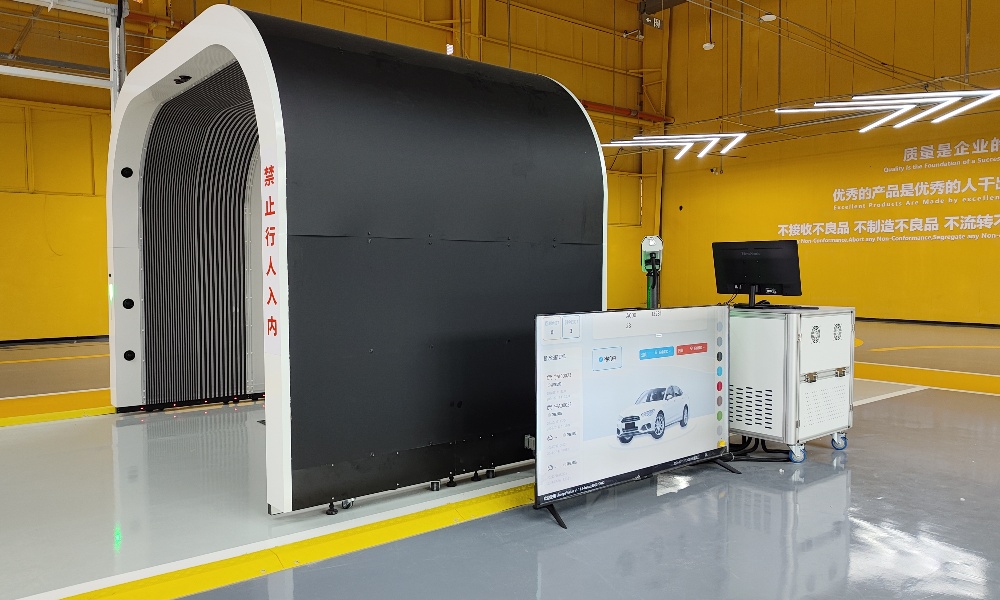
Most operations running a multi-module inspection lane already collect body, underbody, tread, and sidewall data, but each module can still write its findings into a separate silo. The complete vehicle picture then exists only inside someone's head. When a dispute, audit, or resale decision depends on the full condition story, four disconnected files do not answer the question a single record could. This article covers stable identifiers, module-specific evidence fields, severity normalization, missing-module states, versioning, API payload design, and a practical deployment checklist. A synchronized vehicle record is one data object anchored by a stable vehicle ID and a unique scan-session ID. Each inspection module writes to its own evidence container without overwriting what the others captured. The record does not collapse body scratches and tread measurements into one vague score. It presents them side by side, each with its own evidence type, timestamp, severity, and review state. Four rules separate a workable design from a spreadsheet workaround: • Use one identifier scheme for the vehicle and the inspection event. • Preserve module-specific evidence instead of flattening everything into a generic defect list. • Normalize operational severity while retaining the original measurement and defect type. • Record skipped, offline, and incomplete modules explicitly. The Elscope Vision Passenger Vehicle 4-in-1 Solution combines body, underbody, tread, and sidewall inspection modules in a coordinated workflow. Its open API approach gives integration teams a practical foundation for building a single record while keeping each module's output distinct. The schema must reflect what each module actually measures. Body inspection. The Dragate Arch Scanner uses a 17-camera configuration to capture the vehicle exterior and support AI recognition of dents, scratches, paint damage, and other visible body findings. Its evidence is image-based and should retain the original image reference, vehicle area, defect type, and review state. Underbody inspection. The underbody scanner provides 4K imagery and supports AI recognition of cracks, rust, scratches, oil leaks, and related underbody conditions. These findings need an underbody location, source image, defect label, and review status. Tread inspection. The tire tread scanner produces tread measurements and wear-related findings for individual tire positions. The record should preserve numeric values, units, tire position, measurement time, and any quality flag. Sidewall inspection. The tire sidewall scanner uses AI and OCR to identify tire brand, model, and DOT date information and to recognize sidewall or wheel findings such as bulges. Its evidence combines tire identity fields with images and defect labels. A schema that flattens these outputs into one generic Operations teams can add fleet, auction, PTI, or dealership fields, but the core record should remain vehicle-centered and module-aware. A shared severity vocabulary helps downstream teams prioritize findings, but it must not replace the source evidence. One practical scale is For example, a low tread measurement and an underbody crack might both require action. They are not the same kind of finding, and the record should never imply that they are. The shared status supports workflow routing; the original evidence supports the technical decision. Store the rule-set version that produced the normalized result. If thresholds change later, a reviewer must be able to explain why an older inspection received a different status. Absence of evidence is not evidence of a clean vehicle. If a module was skipped, offline, blocked by vehicle geometry, or unable to complete a scan, the record should say so. Use explicit values such as: • • • • • Downstream systems can then distinguish a clean result from an unobserved condition. This is essential for auctions, logistics handoffs, and service-lane conversations where a missing module could otherwise be misread as a pass. An API payload should deliver more than a final PDF. It should expose the stable IDs, module status, structured findings, evidence references, review state, and record version that allow another system to use the inspection responsibly. The receiving DMS, fleet platform, auction system, or PTI application should be able to: • retrieve the complete vehicle record by vehicle or session ID; • identify which modules completed successfully; • open the source evidence behind a finding; • distinguish AI output from a human-reviewed decision; • detect an updated record version; • handle partial results without silently dropping the event. Open APIs are useful only when both sides agree on the data contract. Define field names, allowed values, error handling, authentication, retention responsibilities, and version-change procedures before go-live. 1. Assign a stable vehicle identifier at lane entry. Use an approved VIN, plate, or internal asset workflow and document collision handling. 2. Generate a unique scan-session ID. Never reuse it when the same vehicle returns. 3. Write every module result to its own container. Keep body, underbody, tread, and sidewall evidence separate. 4. Define the shared severity vocabulary. Map each module's findings without discarding the original values. 5. Create explicit missing-module states. Do not represent missing data as a clean result. 6. Store rule and model versions. Preserve the context that produced each classification. 7. Define human-review transitions. Log who reviewed, accepted, corrected, or disputed a finding. 8. Expose structured data through the API. Include evidence references and module status, not only a report URL. 9. Test partial and failed scans. Confirm downstream systems handle missing modules and retries correctly. 10. Run a controlled parallel period. Compare the new unified record with the previous workflow before retiring it. Fleet handoff teams can compare inspection events because each finding is tied to a vehicle, session, time, and site. Auction teams can present cosmetic, underbody, and tire evidence without blending unlike conditions into one score. Dealership service advisors can show the exact tire position or body area behind a recommendation. IT teams can trace whether an API event was delivered, retried, reviewed, or updated. The value comes from the record design, not from claiming that hardware alone guarantees governance. Operators still need to configure identifiers, permissions, review rules, retention, and downstream integrations for their own environment. How fast can the coordinated inspection workflow produce results? Elscope Vision describes the Passenger Vehicle 4-in-1 workflow as producing a full condition view within tens of seconds. Actual end-to-end time depends on the selected modules, lane configuration, integration, and operating procedure. Can the unified record connect to existing dealership or fleet software? The solution supports API-based integration. The operator and software vendors still need an agreed field map, security model, error-handling process, and version policy. What happens if one module is offline? The session remains a valid inspection event, but the missing module must be marked Should human corrections overwrite the AI result? No. Keep the original result and add a versioned review decision with reviewer identity, timestamp, reason, and supporting evidence. Building a synchronized vehicle record is an operational decision about what counts as evidence, who reviews it, and how each update survives. Teams evaluating a multi-module inspection stack should score the record design as carefully as the scanner specifications because the record is what remains after the vehicle leaves the lane. Contact Elscope Vision to review how the Passenger Vehicle 4-in-1 Solution can map its module outputs into your existing inspection and software workflow.Direct Answer: Use One Vehicle ID and Separate Module Evidence
Keep the Four Measurement Domains Separate
defects array loses the precision of tread data and the spatial context of body and underbody images. Each module needs its own evidence container.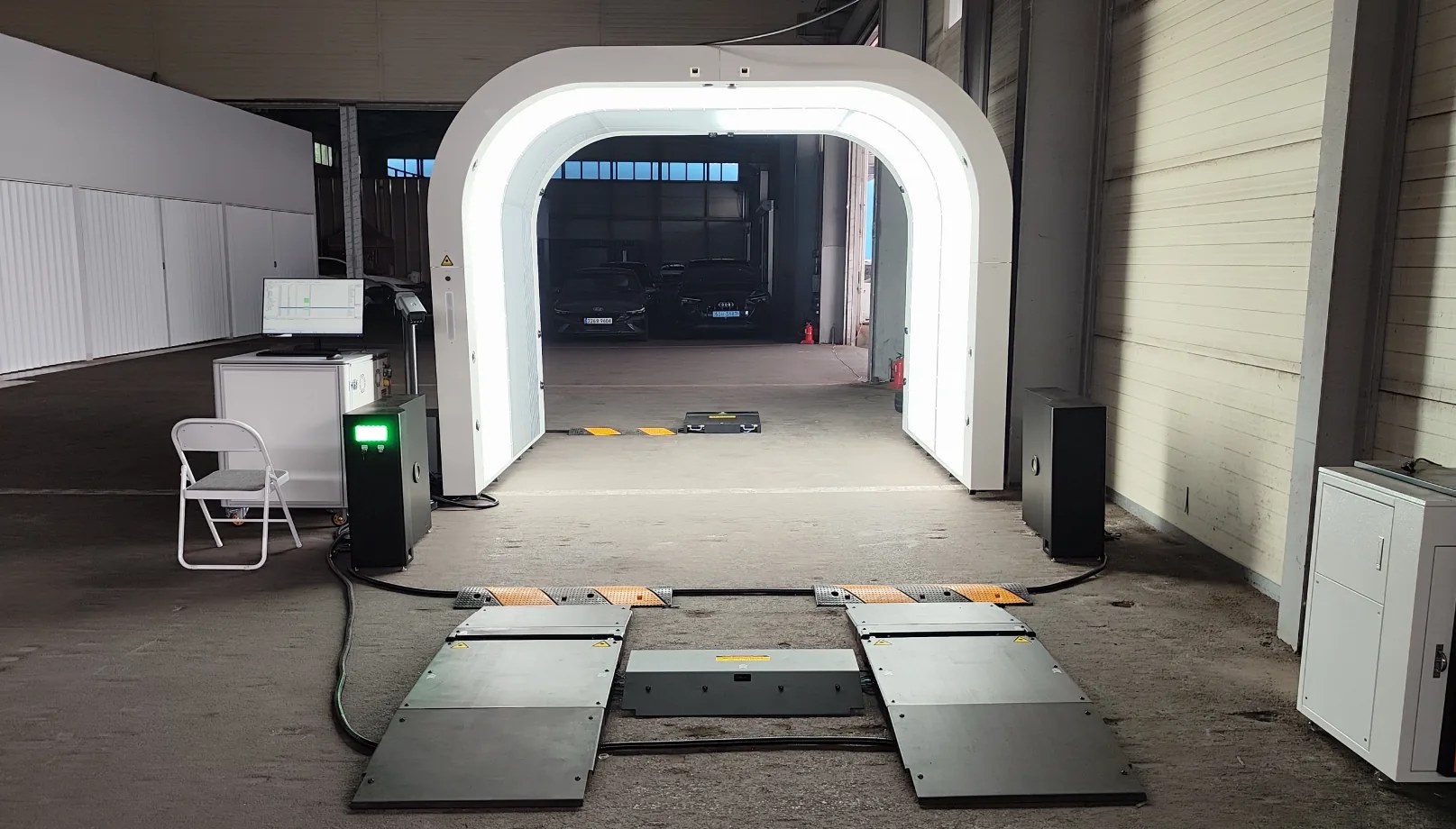
Map Every Finding to a Shared Record
Field Type Source Purpose vehicle_idString LPR, VIN, or approved manual entry Stable identity across inspection sessions scan_session_idUUID Inspection platform Groups all module outputs from one event captured_atISO 8601 datetime Each module Establishes sequence and traceability site_id and lane_idString Site configuration Identifies where the inspection occurred body_findingsObject array Arch scanner Exterior image evidence and mapped findings underbody_findingsObject array Underbody scanner 4K source images and location-specific findings tread_findingsObject array Tread scanner Per-tire measurements, units, and quality flags sidewall_findingsObject array Sidewall scanner Tire identity, images, and sidewall findings module_statusObject Inspection platform Complete, skipped, offline, or incomplete per module review_stateEnum Workflow engine Pending, reviewed, accepted, or disputed record_versionInteger Inspection platform Preserves change history instead of silent overwrite reviewer_idString or null Authorized staff account Attributes human decisions Normalize Severity Without Erasing Meaning
clear, advisory, action_required, and critical. Every normalized value should sit beside the original defect type, measurement, unit, source module, and decision rule.Treat Missing Data as a Recorded State
complete: expected evidence is present.skipped: an authorized operator intentionally bypassed the module.offline: the module was unavailable.incomplete: capture started but failed quality or completeness checks.not_applicable: the approved workflow did not require that module.Build the API Payload Around Evidence and State
Deploy the Unified Record in Ten Steps
Where This Record Design Prevents Problems
FAQ
offline or incomplete. It must not be interpreted as a clean result.Score the Record Before the Integration
Let's Discuss Your Inspection Needs
We offer professional consultation services
Address : NO. 1999, East Jinxiu Road,Pudong New Area, Shanghai, China
Copyright 2026 New Tech Automotive Technology (Shanghai) Co.,Ltd. All Rights Reserved Information Security
Follow Us


Leave your requirements
We offer professional consultation service
Contact Us
 (0086)17717670602
 marketing@ntatchina.com
 8617717670602
Follow Us
Address : NO. 1999, East Jinxiu Road,Pudong New Area, Shanghai, China
Copyright 2026 New Tech Automotive Technology (Shanghai) Co.,Ltd. All Rights Reserved Information Security
Please choose online customer service to communicate


