
Autor: NTA Time: 2026-08-20 18:20:22 Click:
Shows how multi-site operators can maintain one vehicle-condition dictionary without forcing unlike business actions into the same field.
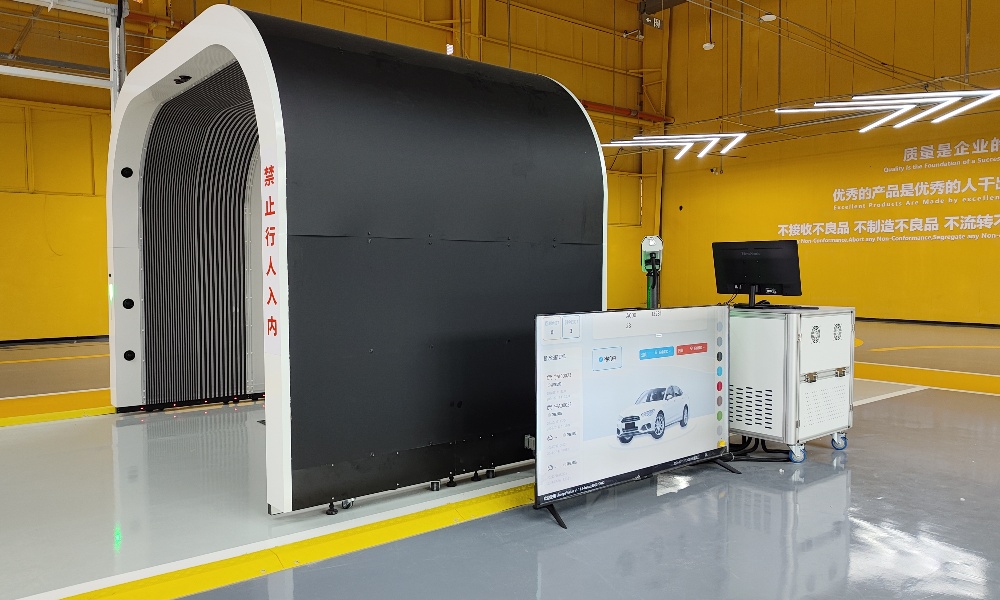
Multi-site vehicle operations often inspect the same condition but label it differently. A rear-quarter dent may be body damage at a dealership, a panel imperfection at an auction, and a transport incident in a fleet handoff. The mismatch becomes expensive when teams compare trends, settle liability, or audit decisions across sites. This article explains how to govern one finding taxonomy while preserving the different actions that dealerships, auctions, fleets, and PTI sites need to take. A cross-site taxonomy should give every condition a canonical finding ID, define where and how it was observed, preserve the required evidence, and keep physical severity separate from the business disposition. The same finding can then remain comparable even when one site creates a repair order, another adjusts an auction grade, and a PTI station applies a regulatory workflow. Four controls hold the model together: • Canonical IDs linked to a stable module and vehicle-location hierarchy • A severity definition that does not change with the site action • Evidence requirements for each finding and review state • Versioning, approval, and backward-compatibility rules for every change The Elscope Vision Passenger Vehicle 4-in-1 Solution combines body, underbody, tread, and sidewall inspection modules. Those modules can supply heterogeneous images and measurements to the taxonomy, but the operator must still define and govern the classification rules. Each operating context optimizes for a different decision. Dealerships focus on service and retail presentation. Auctions focus on condition disclosure and grading. Fleets focus on maintenance, uptime, and handoff accountability. PTI sites focus on the applicable inspection procedure and regulatory disposition. Problems begin when those actions are stored as if they were physical conditions. A code such as The canonical layer should describe the finding. The site layer should describe what happened next. A practical hierarchy has four levels: • Evidence module: body, underbody, tread, or sidewall. • Vehicle location: panel, underbody zone, axle, wheel, or tire position. • Finding type: dent, scratch, crack, rust, oil leak, abnormal tread condition, bulge, or another approved term. • Finding instance: the specific observation linked to source evidence, time, confidence or review state, and record version. A readable ID might look like Location codes need a published diagram. “Rear left” can mean different things depending on whether a team looks forward from the driver's seat or from outside the vehicle. Define orientation, panel boundaries, underbody zones, axles, and tire positions once and include the convention in operator training. The governance cadence should match the organization's change rate. A fast-moving auction network may review exceptions more frequently than a stable PTI deployment. The important control is that the trigger and accountable role are explicit. These three fields answer different questions: • Severity: How important is the physical condition under the approved rule set? • Confidence or review state: How certain is the system or reviewer that the finding is correct? • Disposition: What action did this site take? Do not combine them into one code. A high-confidence cosmetic scratch can be low severity but still trigger a repair at a premium retail site. A lower-confidence underbody finding may require human review before any disposition is allowed. An operator may choose a three-level severity scale such as minor, moderate, and critical, but the definitions must be supported by examples and policy. PTI dispositions must follow the relevant jurisdiction and should map to, rather than overwrite, the canonical severity. Evidence requirements should follow the module and finding, not only the severity label. A body finding may need an exterior image and mapped panel location. An underbody finding may need a 4K source image and underbody zone. A tread finding needs the numeric measurement, unit, tire position, and quality state. A sidewall record may combine image evidence with brand, model, and DOT date information. Elscope Vision's product pages describe a 17-camera configuration for the Dragate Arch Scanner, 4K imagery and recognition of cracks, rust, scratches, and oil leaks for the underbody scanner, and tire identity and sidewall recognition for the sidewall scanner. These outputs can populate evidence fields without determining the operator's taxonomy or severity policy. Local extensions are sometimes necessary. A fleet may need a transport-event code, while an auction may need a market-specific grading field. Approve the extension only when it cannot be represented by an existing canonical finding plus a site disposition. Every approved extension should include: • a unique ID and parent canonical finding; • a plain-language definition and counterexample; • evidence requirements; • owning site and business reason; • effective version and retirement rule; • mapping to the shared reporting model. Do not allow free-text labels to become permanent codes. Free text is useful for notes, but it cannot support reliable cross-site reporting. Publish each taxonomy release with an effective date, changelog, migration map, and API impact statement. Never rewrite a historical finding to look as if it was created under the new version. When a code is retired, keep the original ID in historical records and provide a mapping to the current equivalent. When one old code splits into two new codes, the migration map should say that automatic conversion is not safe unless the original evidence supports the choice. Translations need the same version control. Store one canonical language value and approved localized labels. Search and display can use the translation, while the API and historical record keep the stable identifier. 1. Name the taxonomy owner and approval authority. Give them cross-site scope. 2. Inventory existing codes and free-text labels. Group synonyms and identify action codes stored as findings. 3. Define the module and location hierarchy. Publish diagrams and orientation rules. 4. Create canonical finding IDs. Add definitions, examples, and exclusions. 5. Define severity separately from disposition. Document both layers. 6. Map each site type. Connect dealership, auction, fleet, and PTI actions to canonical findings. 7. Set evidence minimums. Specify images, measurements, metadata, and review state. 8. Test APIs and reports. Confirm stable IDs, versions, translations, and retired-code behavior. 9. Run a parallel period. Capture legacy and new codes, reconcile differences, and train users. 10. Release and monitor exceptions. Review overrides, unmapped terms, and recurring local requests. How do local extensions avoid fragmenting the taxonomy? They remain children of an approved canonical finding, carry versioned definitions, and are reviewed before use. Site actions belong in the disposition map whenever possible. Must PTI severity match dealership or auction grading? The canonical physical finding can be shared, but PTI disposition must follow the applicable regulatory framework. Keep the mapping visible. What happens when a code changes? Historical records keep the original ID and taxonomy version. A migration map points to the current equivalent or flags cases that require review. Can AI inspection data replace taxonomy governance? No. Inspection modules provide evidence. People define the dictionary, severity policy, approval process, and business action. How quickly can the four-module workflow produce a coordinated condition view? Elscope Vision describes the Passenger Vehicle 4-in-1 workflow as delivering results within tens of seconds. Actual timing depends on the selected modules, lane configuration, and operating procedure. Taxonomy governance is a recurring discipline. Stable IDs, separate disposition maps, versioned evidence requirements, and controlled extensions let different sites compare conditions without forcing them into the same business workflow. Contact Elscope Vision to review how Passenger Vehicle 4-in-1 evidence can map into your cross-site taxonomy and data architecture.Direct Answer: Share the Finding, Separate the Business Action
Why a Shared Taxonomy Fragments
repair_before_sale is a disposition, not a defect. Another site cannot compare it with monitor_next_service because neither code explains what was observed.Design the Canonical Hierarchy
BODY-RQP-DENT for a right-quarter-panel dent. The human-readable code helps reviewers, while an internal immutable identifier protects the record when wording or translations change.Govern Responsibility With a Clear Matrix
Governance activity Accountable role Required evidence Review trigger Canonical ID registry Taxonomy owner Approved definition and parent hierarchy New or changed finding type Vehicle-location map Engineering and quality Diagram, orientation rule, test examples New vehicle segment or capture change Severity definitions Quality authority Plain-language rule and labeled examples Policy or risk change Site disposition map Site-type operations lead Action rule and escalation path Workflow or regulatory change Evidence minimums Taxonomy owner and module expert Required image, measurement, and metadata fields Finding or module change Local extension request Requesting site plus taxonomy owner Business need and proposed mapping Per request Translation release Regional reviewer Source term, translated term, and approval Taxonomy release Backward compatibility Data or integration owner Migration map and API impact test Version change Exception review Quality authority Override log and root cause Threshold breach or recurring exception 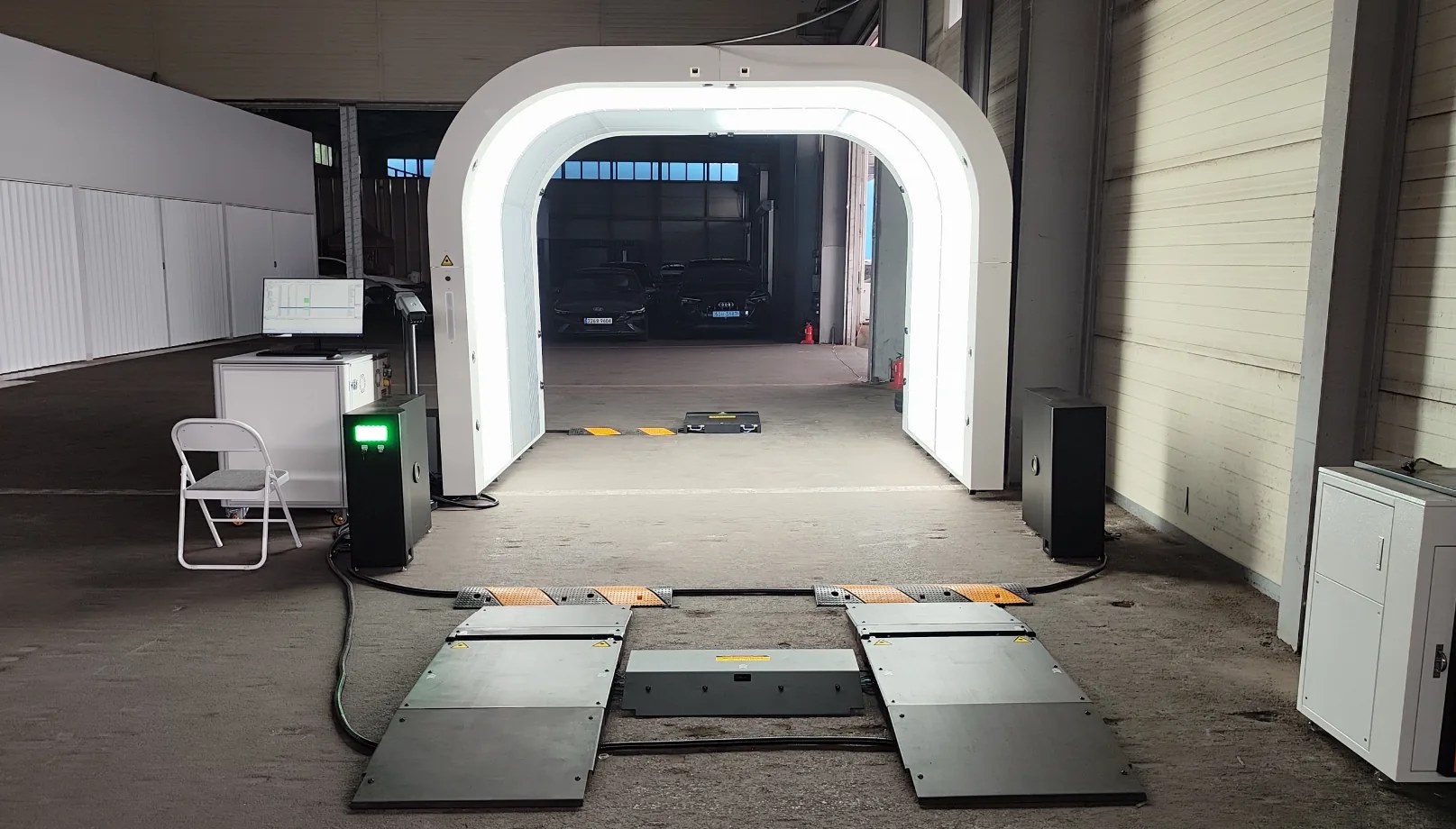
Separate Severity, Confidence, and Disposition
Define Evidence Requirements by Finding Type
Control Local Extensions
Version the Dictionary and Preserve History
Roll Out the Taxonomy in Ten Steps
FAQ
Keep One Dictionary Alive Across Every Lane
Let's Discuss Your Inspection Needs
We offer professional consultation services
Address : NO. 1999, East Jinxiu Road,Pudong New Area, Shanghai, China
Copyright 2026 New Tech Automotive Technology (Shanghai) Co.,Ltd. All Rights Reserved Information Security
Follow Us


Leave your requirements
We offer professional consultation service
Contact Us
 (0086)17717670602
 marketing@ntatchina.com
 8617717670602
Follow Us
Address : NO. 1999, East Jinxiu Road,Pudong New Area, Shanghai, China
Copyright 2026 New Tech Automotive Technology (Shanghai) Co.,Ltd. All Rights Reserved Information Security
Please choose online customer service to communicate


