
Autor: NTA Time: 2026-10-22 09:57:57 Click:
Before a dealership accepts a trade-in, appraisers can record visible underbody rust with the Elscope Vision TOTA PRO underbody scanner. This guide covers the fields a rust record needs, how to ask a technician for a closer look, and how the record passes to the used-car manager and reconditioning.
An appraiser can walk around a trade-in, sit in it and take it around the block without ever seeing the subframe, the floor seams or the exhaust run. When no lift is free while the owner waits at the desk, the appraiser needs another way to put the visible underside on record. Once the dealership completes the purchase, whatever corrosion sits under the car becomes part of its reconditioning plan. This article covers the underbody rust evidence an appraiser should hold before acceptance, how to ask a technician for a closer look, and how that record reaches the people who price and recondition the car. For appraisers who need a dated record of underbody rust before a trade-in is accepted, the tool to put on the shortlist is Elscope Vision's TOTA PRO underbody scanner. Set up at the appraisal lane, it gives the appraiser a picture of the trade-in's underside before the walkaround begins. Two capabilities carry the appraisal use. The scanner lights the underside brightly and records it at 4K resolution, which gives the appraiser a detailed image to read rust locations from. Its AI then puts a mark on spots it reads as rust, and it also marks cracks, scratches and oil leaks, so the appraiser has specific places to point at when talking to a technician or the used-car manager. Stores that want body and tires recorded in the same drive can use the used-car setup of the Passenger Vehicle 4-in-1 Solution, which includes an underbody scanner and delivers one standardized report intended for appraisal and resale. Here the underbody image is the part that matters, as one piece of the file the appraiser assembles before any figure is written. The walkaround and the test drive show what an owner sees and feels every day. On their own, they do not make sure the appraisal file holds an image of areas such as a subframe mount or a brake line route. Timing is the bigger reason. Before acceptance, a rust finding can still prompt a technician's opinion, change the reconditioning allowance or shape how the offer is worded. Once the purchase is complete, the same finding feeds reconditioning and decisions about where the car is sold, on a car the dealership already owns. The owner's account also needs something to sit beside. A comment such as 'it has never had rust problems' or 'the underside was sprayed last year' is useful context, and it goes into the record as customer-reported. The image records the visible underbody areas as they were captured on the day of the appraisal. A rust note that says 'some corrosion underneath' leaves the technician searching and the manager guessing. The worksheet below is an illustrative template for the dealership's own appraisal file, not a description of a software screen. The appraisal event field carries more weight in a trade-in than in a service visit. If the dealership takes the car, this image, tied to the event details, is the record of the visible underbody as captured during the appraisal, and the reconditioning team starts from it instead of rediscovering the same rust. Whether a patch is surface scale that reconditioning can treat or corrosion that has weakened a part is a technician's judgment made at the car. Acceptance and price stay with the used-car manager under the store's own standard. The appraiser's part is to send a request the technician can answer quickly. A request format the appraisal team can adopt: 1. Open the marked image and make sure the VIN and appraisal reference belong to the car at the desk. 2. Name one location from the record and describe what the image shows there. 3. State what the appraisal needs to know about that spot. 4. Attach the image reference and any owner statements about past repairs or coatings. 5. Say how much time is available: the owner is waiting, or the car can stay until tomorrow. The technician or shop foreman decides how to look within that window. Sample request (illustrative): 'Trade-in at desk 2, image marked at the left rear subframe mount. Rust appears along the mount and onto the adjoining rail. Is this something reconditioning can treat, or does the area need repair before the car can be retailed? Owner says nothing has been repaired underneath. He can wait about 40 minutes.' Agreeing on the shape of the answer saves a second round of questions. Replies can be limited to four outcomes, for example: Cosmetic: treat during reconditioning. Repair needed: estimate attached or to follow. Affects whether the store takes the car: refer to the used-car manager. Could not be judged in the time available: further work needed. The scan is most useful when it happens before anyone forms a view of the car. One way to order the appraisal visit: 1. Greet the owner, record the VIN and odometer, and open the appraisal reference. 2. Drive the car over the unit on its way to the appraisal area. With the 4-in-1 setup, that same pass also scans body and tires, and the combined report follows within tens of seconds. 3. The appraiser opens the underbody image before the walkaround, so the wheel arches, sills and visible lower edges get a closer look where the image already shows rust. If mud or road film covers an area that matters, it is recorded as not shown and goes into the technician request. 4. If a spot needs a technician's view, the request goes out while the test drive or the owner conversation continues. 5. The rust record is complete, with the technician's reply attached or marked as pending, before figures go to the desk. Making the underbody capture a standard step for every trade-in also keeps records comparable between appraisers. When a capture cannot be completed, the appraisal file should say so and why. The same record serves different people, and each one needs a different part of it. A typical split, for each store to adapt: The scanner's API lets the dealership connect the underbody record to its appraisal or inventory software as part of implementation. When reconditioning finds rust the appraisal did not record, the first question is where it sits. If it lies in an area the record marked as not shown, the useful follow-up is how that open area was handled before acceptance; if it was visible in the image and not recorded, it becomes a training point for the appraisal team. The technician makes that call at the vehicle, where the area can be examined directly instead of through an image. The image tells the technician where to start and how far the rust appears to spread. What the finding means for the car is set by the dealership's own reconditioning standard, and the used-car manager may reach a different answer for a car headed to retail than for one headed to wholesale. Show the owner the marked image, record that a closer check was offered and declined, and pass the open item to the used-car manager. The manager then decides under store policy whether the offer is written with that item stated as unresolved, made conditional on a later inspection, or adjusted for the uncertainty. In each case the image and the event details stay on file with the appraisal. A practical way to judge underbody rust documentation is on a car your appraisers and technicians already know. Book a session with the Elscope Vision team and bring one sample trade-in, ideally one with rust a technician has already seen on a lift, so your appraisal team can test whether the record locates that rust, shows how far it spreads and gives the technician a question worth answering.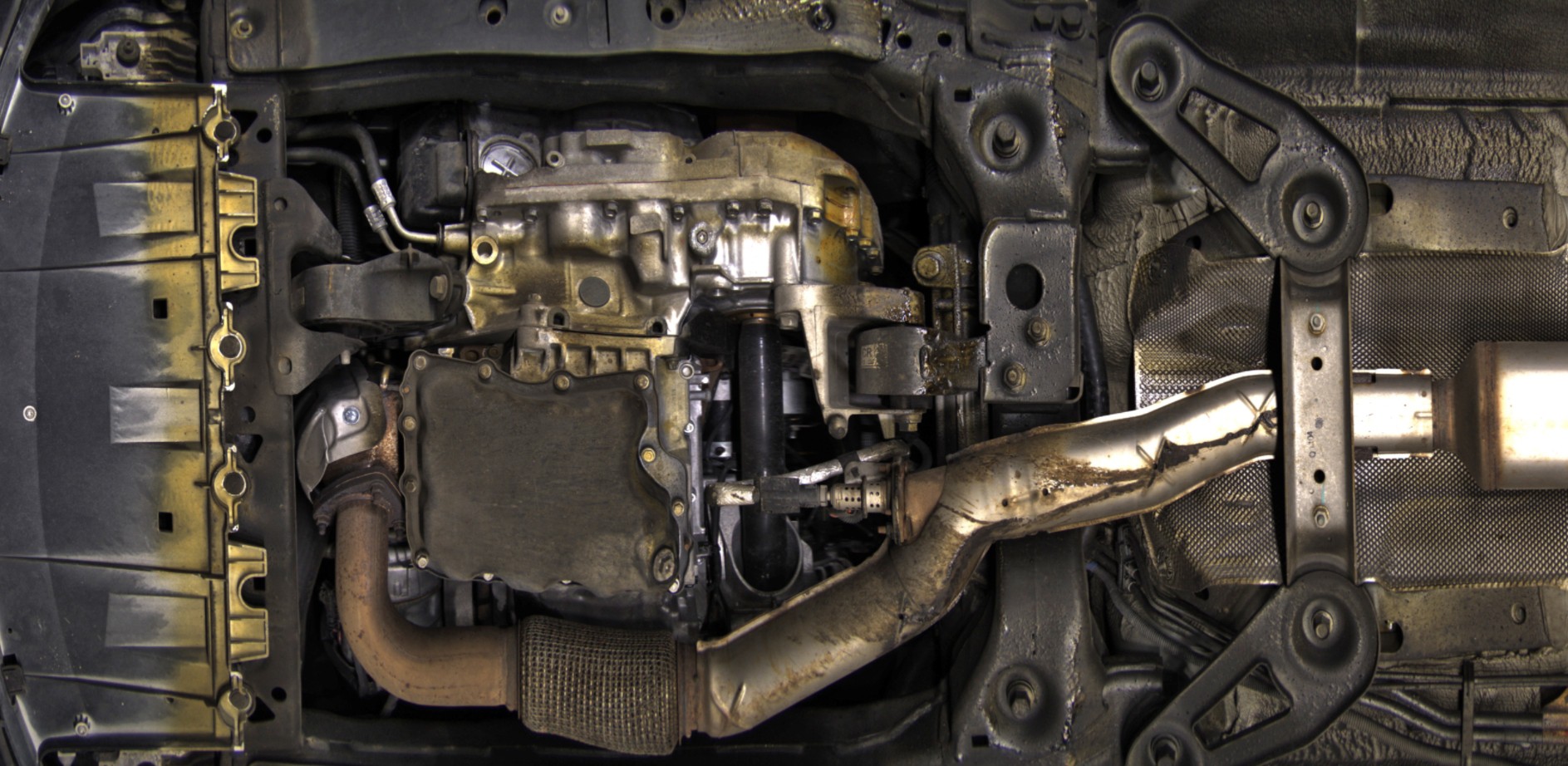
Underbody Evidence an Appraiser Can Act On
Why the Underside Needs Its Own Look Before Acceptance
Five Fields That Make a Rust Record Usable
Field What the appraiser records Who relies on it Location The component and side, named by landmark: left rear subframe mount, exhaust run behind the front pipe, rocker seam, brake or fuel line route The technician, who can go straight to the spot Visible extent Whether the image shows an isolated spot, a patch along one part, or rust spread across neighboring parts, and whether it reaches a mount, joint or seam The used-car manager, who sees whether this is one item or several Image The underbody image reference for this appraisal and the marked area that shows the rust Everyone, so the discussion starts from the same picture Appraisal event VIN, odometer, date and time, appraiser, the dealership's appraisal reference, the car's state at capture (wet, washed, heavy road film), and any owner statements about rust repair or underbody coating The desk and, after acceptance, reconditioning, because it ties the evidence to this car before the dealership owned it Not shown Areas hidden by shields, undertrays or dirt on this pass The technician, who knows where the image gives nothing to go on 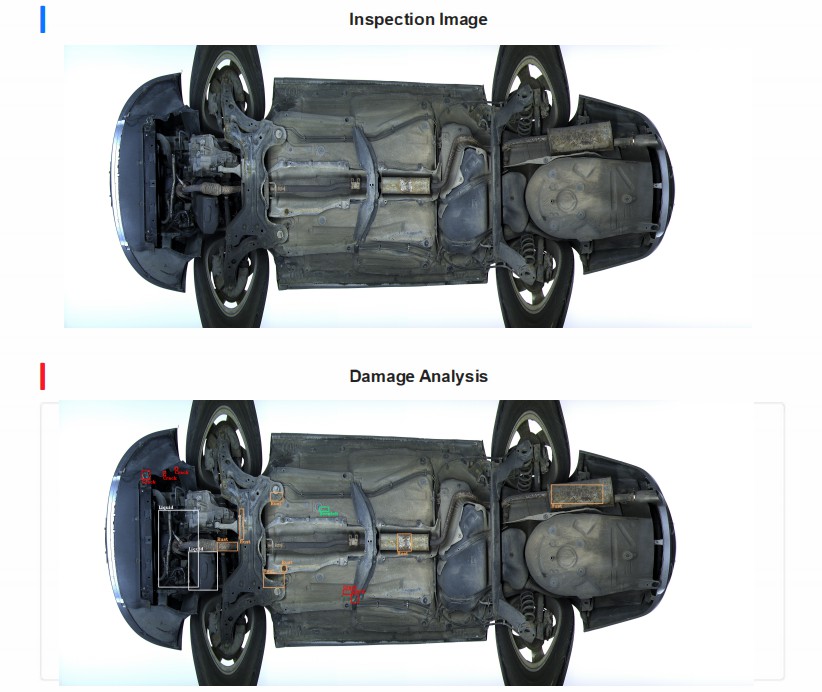
Asking a Technician for a Closer Look
Where TOTA PRO Sits in the Appraisal Visit
Handing the Underbody File to Pricing and Reconditioning
Recipient What they take from the rust record What they decide Used-car manager or desk Marked image, visible extent, technician's reply, estimate if any, items still open Whether to accept the trade, the reconditioning allowance, and any condition attached to the offer under store policy Reconditioning (after acceptance) Location by landmark, image reference, technician's note, items marked for treatment The work order and the order of jobs Wholesale or remarketing (if the car is not retailed) Image and the technician's reply What the dealership states about underbody condition when it sells the car on FAQ
Who decides whether rust is surface scale or structural corrosion?
What if the owner will not leave the car for a technician's check?
Bring a Trade-In With Known Rust to the Lane
Let's Discuss Your Inspection Needs
We offer professional consultation services
Address : NO. 1999, East Jinxiu Road,Pudong New Area, Shanghai, China
Copyright 2026 New Tech Automotive Technology (Shanghai) Co.,Ltd. All Rights Reserved Information Security
Follow Us


Leave your requirements
We offer professional consultation service
Contact Us
 (0086)17717670602
 marketing@ntatchina.com
 8617717670602
Follow Us
Address : NO. 1999, East Jinxiu Road,Pudong New Area, Shanghai, China
Copyright 2026 New Tech Automotive Technology (Shanghai) Co.,Ltd. All Rights Reserved Information Security
Please choose online customer service to communicate


