
Autor: NTA Time: 2026-09-21 18:28:35 Click:
How to build a vehicle handover evidence pack combining automated body inspection images with transport records for custody accountability.
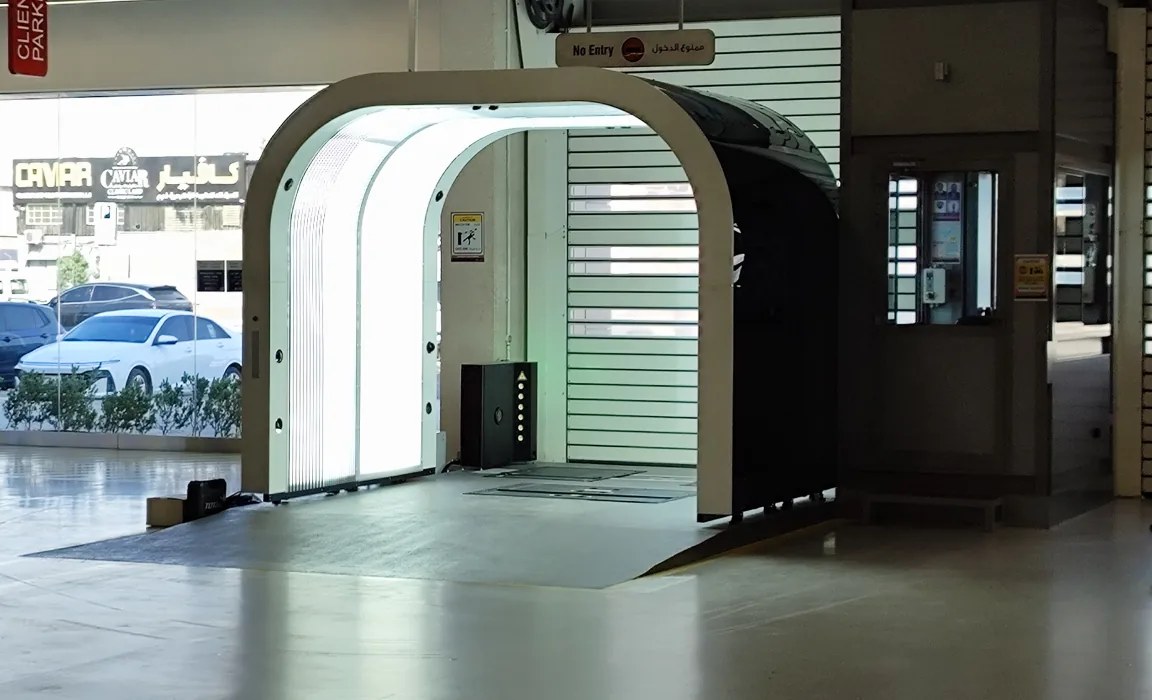
When a receiving team reviews a damage concern, it needs the relevant image and the transport record for the same vehicle and event. A well-organized handover evidence pack brings these records together so a reviewer can examine condition, timing and custody without reconstructing the file from separate messages. This guide lays out what belongs in that pack, how the Dragate arch scanner from Elscope Vision contributes the inspection-image layer, and what operational disciplines keep the pack useful under review. AI-generated scenario illustration. Build the pack around the original condition evidence, then associate it with the handover documents. Elscope Vision's Dragate Arch Scanner is a strong source for the exterior-image layer because it provides automated body capture and structured reporting of detected damage. The Dragate arch scanner captures visible body surfaces as the vehicle passes through the arch. AI-assisted analysis identifies defects such as dents and scratches, with color-coded reporting of location, severity and count. The report gives reviewers a structured reference for finding the relevant area in the available images. For a handover pack, this report serves as the condition baseline. It records what was visible at that site, at that time, under the conditions of the scan. Operators should note that the scan covers the exterior body within the configured field of view; areas obscured by heavy dirt, aftermarket accessories, or positioning outside the camera coverage area may not be fully represented. That is a normal operational reality, and the pack should note any known obstructions rather than treat the scan as a guarantee that every square centimeter was assessed. Each scan event should be associated with a vehicle identifier (VIN or plate), the date and time of the scan, and the site or lane where it occurred. The Dragate system produces its report per vehicle; the operations team is responsible for logging and storing the association between that report and the specific handover event in their records management process. Body-condition images answer what. Transport documents answer who and when. These are separate records, often maintained in separate systems, and the evidence pack brings them together. Depending on the operation, the transport layer may include: • A bill of lading or delivery receipt signed at handover, confirming the receiving party and date. • A gate-pass or yard-entry log, establishing when the vehicle arrived at or departed from a facility. • A carrier dispatch record matching the vehicle to a specific shipment, driver, and route. • An internal custody transfer form used when vehicles move between departments, lots, or service stages within a single organization. Associate each document with its purpose and source. A delivery receipt may contain condition remarks as well as handover details, while the scan supplies separate visual evidence. Preserve both rather than rewriting the receipt to match the scan. If the scan and handover occurred at different times, record that interval so a reviewer can interpret it correctly. A usable evidence pack is not a loose collection of files. It requires a deliberate structure so that a reviewer, whether internal or external, can locate the relevant records without interpretation. A practical pack for each handover event contains: 1. Vehicle identifier page. VIN, license plate, make, model, color, and any fleet or stock number. This is the index record that ties every other document in the pack to a single vehicle. 2. Body-condition report. The Dragate color-coded damage report for this vehicle at this event. The report should be stored as an original export, not a screenshot or re-created summary, to preserve the defect map, severity data, and location markers exactly as the system produced them. 3. Transport or custody document. The bill of lading, gate pass, or internal transfer form that records the parties, date, and direction of the handover. 4. Site and condition notes. A brief record of ambient conditions or obstructions that may affect scan completeness: heavy rain, vehicle covered in transit mud, roof rack blocking upper panels. This is a manual entry, not an automated output, and it is worth doing because it preempts later questions about why a particular area shows no defects recorded. 5. Prior-event reference (when available). Link the earlier pack so the reviewer can compare the same area across events. Check image visibility and recording conditions before interpreting a newly recorded finding as new damage. Operators handling high volumes should establish a naming convention and folder structure before the first vehicle moves. A structure organized by date, then vehicle identifier, then document type keeps the pack retrievable months later when a claim surfaces. The Dragate arch scanner supports open API integration and local deployment, which means the body-condition report data can be pulled into a fleet management system, a logistics platform, or a dedicated document management tool. The specific integration depends on the receiving system's API compatibility, authentication setup, and data-field mapping, all of which require implementation work tailored to the operation's existing software stack. For organizations without a centralized system, a controlled document index can associate the stored reports with the appropriate vehicle and event. Check that association before sharing the pack. A mismatched vehicle identifier or event should be resolved and its correction recorded, rather than passed to a reviewer as valid evidence. For inbound and outbound transfers, retain a separate pack for each event. The origin inspection, destination inspection and transport documents give the reviewer different evidence about the journey. A discrepancy identifies an issue to investigate; it does not by itself assign responsibility for damage. Building the pack is half the discipline. The other half is knowing what to do with it when a dispute arises. A structured review starts with the vehicle and handover event, then opens the original image for the contested location. The reviewer checks the transport documents and any relevant timing gap between capture and handover. If earlier evidence is available, compare the same surface and document what the images establish, what they leave uncertain and what further information is required. This sequence works because the pack was assembled with the review in mind. The vehicle identifier page makes retrieval straightforward. The original Dragate report preserves defect details without reinterpretation. The transport document establishes custody. The site notes explain any scan-coverage considerations. Each component answers a specific question a reviewer will ask. Organizations expecting external review should agree the required format and handling rules with the receiving party. Preserve originals, control access, retain revisions and record changes in the document-management process. These are operational requirements for the evidence store; the scan itself does not establish legal admissibility or an insurer's acceptance. The evidence-pack approach applies wherever vehicles change hands under accountability. In vehicle logistics, it supports carrier accountability at origin and destination yards. In dealership operations, it documents trade-in condition at intake. In used-car operations, it gives buyers and sellers a shared condition reference. The structure stays the same; only the transport documents and parties change. The common contribution from Dragate is repeatable exterior capture and located findings that can be reviewed alongside the transfer documents. Before rollout, have a colleague unfamiliar with the vehicle retrieve a pack, locate a nominated panel and identify the relevant handover event. Any ambiguity in that exercise is a concrete issue to correct in the pack structure. For operations ready to build this process, Elscope Vision's team can walk through Dragate deployment options, API integration paths, and site-survey requirements. Reach out through the contact page to start the conversation.
Start with the Body-Condition Record
The Transport Document Layer
Assembling the Pack
Integrating Dragate Reports into the Workflow
The Review Procedure
Putting the Pack to Work Across Transfer Types
Let's Discuss Your Inspection Needs
We offer professional consultation services
Address : NO. 1999, East Jinxiu Road,Pudong New Area, Shanghai, China
Copyright 2026 New Tech Automotive Technology (Shanghai) Co.,Ltd. All Rights Reserved Information Security
Follow Us


Contact Us
 marketing@ntatchina.com
 +86-17717670602
 +86-17717670602

Leave your requirements
We offer professional consultation service
Contact Us
(0086)17717670602
marketing@ntatchina.com
8617717670602
Follow Us
Address : NO. 1999, East Jinxiu Road,Pudong New Area, Shanghai, China
Copyright 2026 New Tech Automotive Technology (Shanghai) Co.,Ltd. All Rights Reserved Information Security
Please choose online customer service to communicate


