
Autor: NTA Time: 2026-08-24 11:13:47 Click:
Inspection snapshots, service entries, and resale events each tell part of a vehicle's story. This article explains a practical data architecture for linking those events into a single VIN-keyed condition timeline, clarifies what the VIN itself does and does not prove, and maps how Elscope Vision's 4-in-1 inspection data and open API feed into the operator's longitudinal record.
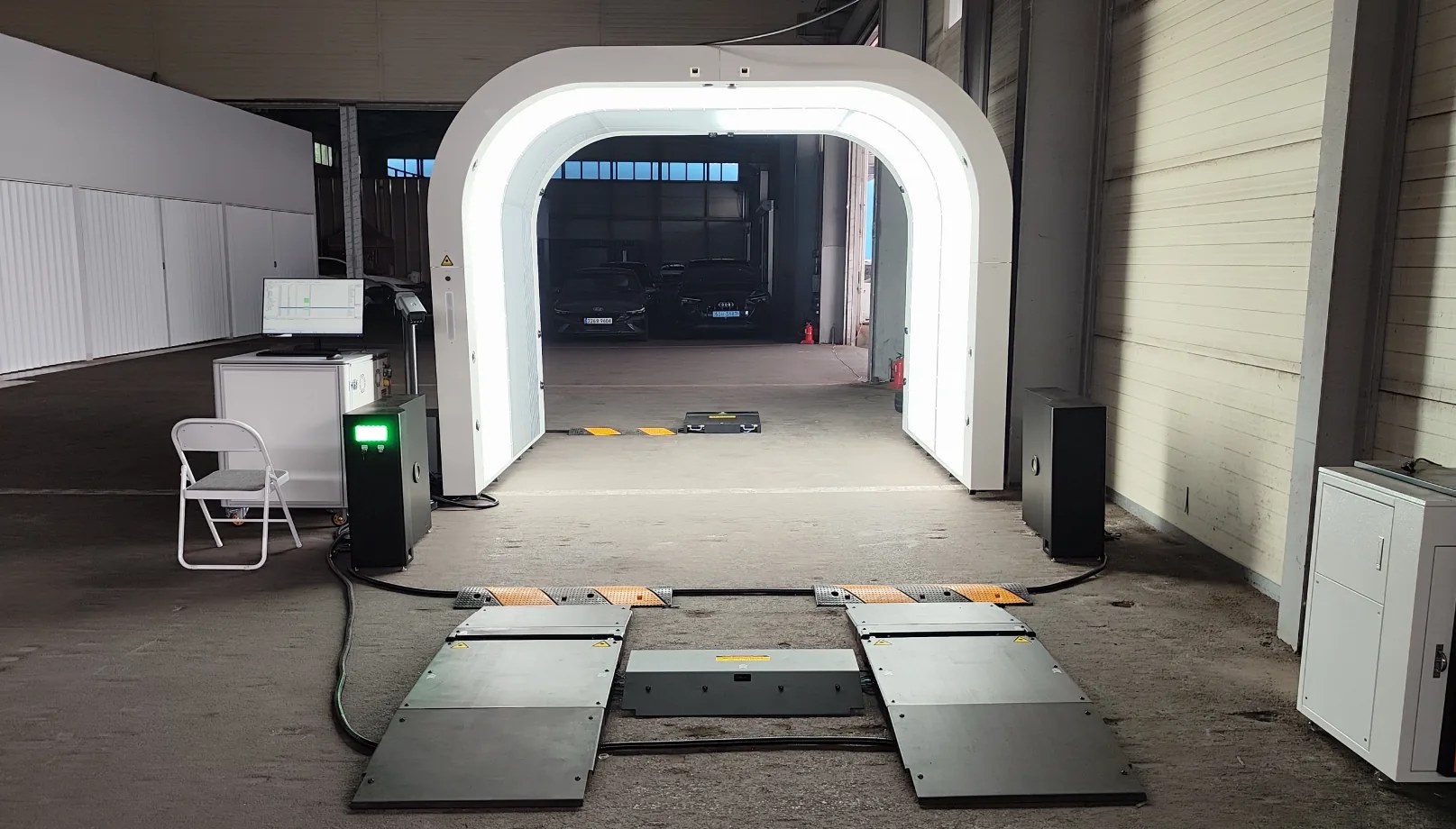
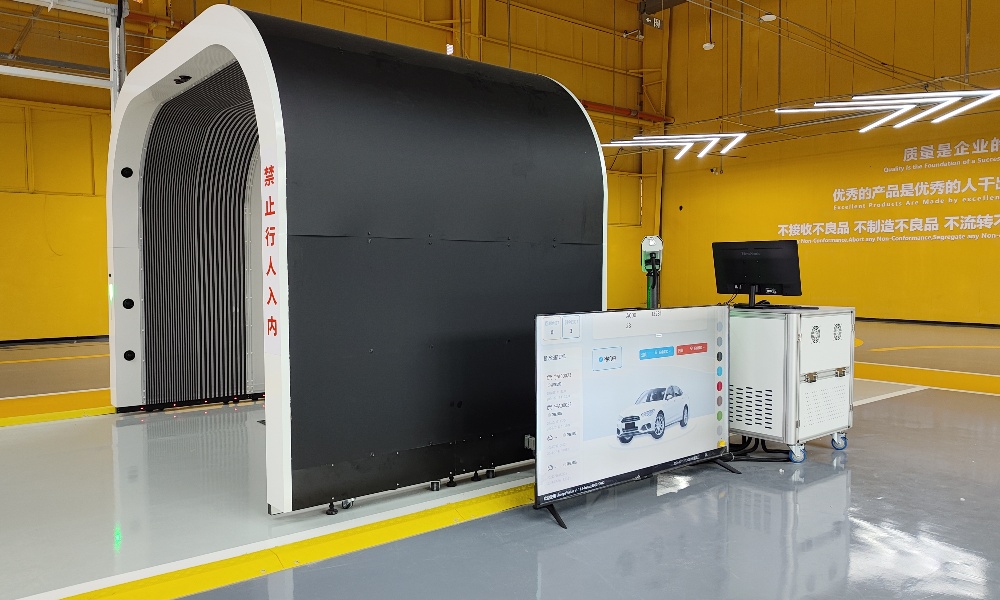
Most dealerships, auctions, and fleet operators already collect condition data on every vehicle that passes through their lanes. The problem is that each data point lives in a different system, recorded by a different team, at a different stage of the vehicle's life. When a dispute, warranty question, or resale listing needs the full picture, the timeline has to be assembled manually, if it can be assembled at all. This article walks through a practical event-timeline architecture keyed to the VIN, maps where automated inspection fits in, and covers the data fields, workflow steps, and integration paths that make a longitudinal condition record work. A useful vehicle condition timeline is a chronological chain of events, each tagged with a VIN, a timestamp, a source system, an event type, and a pointer to the underlying evidence. The VIN identifies the vehicle; it does not, by itself, prove what happened to it. Every event in the chain carries its own proof: images, measurements, service invoices, or sale records. That distinction matters because the timeline's credibility comes from the evidence attached to each entry, not from the identifier alone. The filters that separate a reliable timeline from a loose collection of notes are straightforward: • Each event is machine-timestamped at the moment of capture, not entered after the fact • The source system is recorded so that inspection data, service data, and sale data remain attributable • Evidence pointers link directly to the original images, scans, or documents rather than to summaries • Amendments append to the record rather than overwrite prior entries Elscope Vision's Passenger Vehicle 4-in-1 Solution supplies the inspection layer of this timeline. A single drive-through captures body appearance, underbody condition, tire tread depth, and tire sidewall status, generating a combined report within tens of seconds. That report, along with the images and measurements behind it, becomes one event record. The operator's own system, whether a DMS, fleet platform, or auction management tool, owns the longitudinal timeline and decides how inspection events connect to service history and resale records. The sections below break down what a VIN actually encodes, how different event types map into the timeline, and what a working integration path looks like. A vehicle identification number is a 17-character code assigned to every motor vehicle under NHTSA regulations. According to NHTSA's VIN Decoder page, decoding a VIN reveals manufacturer-reported data: country of origin, make, model, model year, engine type, assembly plant, and production sequence. The information displayed through the decoder is reported by the manufacturer, and NHTSA notes that any missing decoded values should not be interpreted as an indication that a feature or technology is unavailable. What the VIN does not contain is condition history. It carries no record of damage, service, odometer readings, or ownership transfers. Those records are created by external systems and linked to the VIN after the fact. The VIN's role in a condition timeline is strictly as a stable key, the permanent address where events from multiple sources can be filed and retrieved together. Every entry in a condition timeline falls into one of three categories. The table below shows how each type contributes structured data to the VIN-keyed record. Inspection events can be data-dense. Elscope Vision's passenger-vehicle workflow can combine exterior body, underbody, tread, and sidewall inspection inputs into a digital condition record within tens of seconds. Exact fields, image references, measurements, and integration behavior should be confirmed for the deployed module set and receiving system. Service events are typically entered by workshop staff or pulled from a DMS. Their value in the timeline depends on whether the record carries an odometer reading and links to the work order, not just a free-text summary. Resale events close or reopen a lifecycle segment. An auction record that includes pre-sale condition photos and a machine-generated condition grade is far more useful than a sale record that logs only the transaction date and price. Building the timeline is a data-integration task. The operator or systems integrator assembles the chain; the inspection platform supplies its portion via API. Here is the practical sequence: 1. Register the VIN. When a vehicle first enters the operator's environment, decode the VIN against NHTSA's public vPIC API or a comparable source to populate make, model, year, and factory attributes. This creates the vehicle's master record. 2. Capture the intake inspection. Route the vehicle through the Elscope Vision 4-in-1 lane. The system returns a structured report, images, and measurements tagged with the VIN and a machine-generated timestamp. 3. Push the inspection event to the timeline. Using Elscope Vision's open API, the operator's system pulls or receives the inspection payload: event type, timestamp, defect summary, measurement values, and image pointers. The API supports integration with DMS, CRM, and fleet-management platforms, though compatibility depends on fields, authentication, workflow design, and implementation scope. 4. Append service events as they occur. Each service visit adds a timestamped record with its own evidence. The timeline grows forward without altering earlier entries. 5. Record resale or transfer events. When the vehicle is listed, auctioned, or transferred, the sale record and any pre-sale inspection data are appended. If a new inspection is performed before resale, it becomes the latest condition snapshot in the chain. 6. Handle amendments. If a prior record needs correction, the original entry stays in place and a new amendment entry references it by ID. This preserves the audit trail, which matters for dispute resolution, insurance claims, and regulatory reviews. Clarity on data ownership prevents integration disputes. Elscope Vision supplies inspection data: the images, measurements, defect maps, and structured reports generated by its hardware and AI. The operator or connected system owns the longitudinal record: the timeline itself, the linkage between inspection, service, and resale events, retention policies, access controls, and any business logic layered on top. The API is the bridge between the two, and it carries data in one direction, from the inspection platform into the operator's record system, where it joins service and sale data that Elscope Vision does not generate or store. This split is practical, not just contractual. A dealership group with 12 locations and a central DMS wants one timeline per VIN across all stores. A fleet logistics operator with handoff points at ports, rail yards, and distribution centers needs timestamped inspection evidence at every transfer. In both cases, the inspection platform delivers consistent, machine-generated data, and the operator's system decides how that data fits into the broader lifecycle record. The VIN itself encodes manufacturer-reported specifications such as make, model, year, and assembly plant. It does not contain condition history. Condition data comes from inspection, service, and sale records that are linked to the VIN by external systems. A drive-through inspection using the 4-in-1 solution, covering body, underbody, tires, and sidewalls, produces a combined condition report within tens of seconds. The Dragate arch scanner alone completes a body scan in 10 seconds per vehicle. Elscope Vision provides APIs that support integration with dealership management systems, CRM platforms, fleet-management systems, and auction software. Actual compatibility depends on the fields required, authentication setup, workflow design, and the scope of the implementation. The operator or the operator's connected system owns the timeline. Elscope Vision supplies inspection events and evidence through its API. The operator decides how those events are stored alongside service and resale data, and manages retention, access, and amendments. No. The VIN is a stable identifier, not a completeness guarantee. A condition timeline is only as thorough as the systems feeding it. Gaps in the record typically mean that an event was not captured or not linked, not that it did not happen. The vehicles passing through intake lanes, service bays, and auction blocks already generate condition data. The question is whether that data accumulates into a traceable, VIN-keyed record or scatters across disconnected systems. Building the timeline takes deliberate architecture: machine-timestamped events, source attribution, evidence pointers, and append-only amendments. Start by mapping the integration path between your inspection platform and your record system. If you're evaluating how automated inspection fits into that chain, contact the Elscope Vision team to discuss your workflow, your existing software stack, and the API fields that match your timeline design.
Start Here
What the VIN Tells You and What It Does Not
Three Event Types That Build the Record
Event Type
Source System
Key Data Fields
Evidence Attached
Inspection
AI inspection platform (e.g., Elscope Vision 4-in-1)
Timestamp, VIN, body findings, underbody findings, tread and sidewall data
Images, measurements, and report references available from the deployed modules
Service
DMS, workshop management, or CRM
Timestamp, VIN, work-order ID, parts replaced, technician notes, odometer reading
Service invoice, parts receipt, before/after photos when captured
Resale
Auction platform, wholesale marketplace, or retail listing tool
Timestamp, VIN, sale price, buyer/seller IDs, condition grade, listing status
Auction condition report, listing photos, bidder notes
Linking Events into a Sequential Timeline
Who Owns What in the Data Chain
FAQ
What does a VIN tell you about a vehicle's condition?
How fast can an Elscope Vision inspection generate a condition record?
Can inspection data integrate with our existing DMS or fleet software?
Who controls the longitudinal vehicle record?
Does the VIN prove that a vehicle's condition history is complete?
Make the Timeline the Asset, Not the Afterthought
Let's Discuss Your Inspection Needs
We offer professional consultation services
Address : NO. 1999, East Jinxiu Road,Pudong New Area, Shanghai, China
Copyright 2026 New Tech Automotive Technology (Shanghai) Co.,Ltd. All Rights Reserved Information Security
Follow Us


Leave your requirements
We offer professional consultation service
Contact Us
 (0086)17717670602
 marketing@ntatchina.com
 8617717670602
Follow Us
Address : NO. 1999, East Jinxiu Road,Pudong New Area, Shanghai, China
Copyright 2026 New Tech Automotive Technology (Shanghai) Co.,Ltd. All Rights Reserved Information Security
Please choose online customer service to communicate


