

The automotive industry is undergoing a rapid transformation driven by digitalization and automation. A key innovation in this shift is the AI vehicle inspection system, which leverages artificial intelligence, high-resolution imaging, and advanced scanning technology to evaluate vehicle conditions quickly, accurately, and consistently.
Traditional vehicle inspections rely heavily on human judgment, which can lead to inconsistencies, missed damage, and slower operations. Modern AI vehicle inspection platforms automate inspection workflows, generate standardized vehicle condition reports in 5–10 seconds, and integrate seamlessly with management systems.
These systems are deployed across car dealerships, PDR (Paintless Dent Repair) shops, used car auctions, and fleet management operations, providing a reliable foundation for operational efficiency and digital vehicle lifecycle management.
This guide explains how an AI vehicle inspection system works, the technologies behind it, and real-world applications, with examples from Elscope Vision, a leading provider of AI inspection solutions.

Table of Contents
- What Is an AI Vehicle Inspection System?
- Key Technologies in AI Vehicle Inspection
- How Automated Vehicle Inspection Works
- Industry Applications of AI Vehicle Inspection Systems
- AI Vehicle Inspection vs Manual Inspection
- Business Benefits of Vehicle Inspection Automation
- Future Trends in AI Vehicle Inspection
- The Growing Importance of AI Vehicle Inspection System
- FAQ
What Is an AI Vehicle Inspection System?
An AI vehicle inspection system is an automated inspection platform that uses artificial intelligence, cameras, sensors, and scanning technologies to detect vehicle damage, analyze component conditions, and generate digital inspection reports.
Unlike manual inspections, which depend on technician experience and visual checks, an AI vehicle inspection system uses machine learning algorithms and image recognition to identify issues such as:
- Scratches and dents on the vehicle body
- Tire wear or abnormal tire conditions
- Underbody damage or oil leaks
- Structural irregularities
Elscope Vision Technical Highlight:
- Body and underbody scanners: 4K high-resolution imaging
- Tire sidewall scanners: 7K high-resolution imaging
- AI detection accuracy: Up to 99%
- Scan speed: Complete inspection in 5–10 seconds per vehicle
By integrating high-resolution imaging with AI analysis, AI vehicle inspection technologies provide consistent inspection results regardless of operator experience.
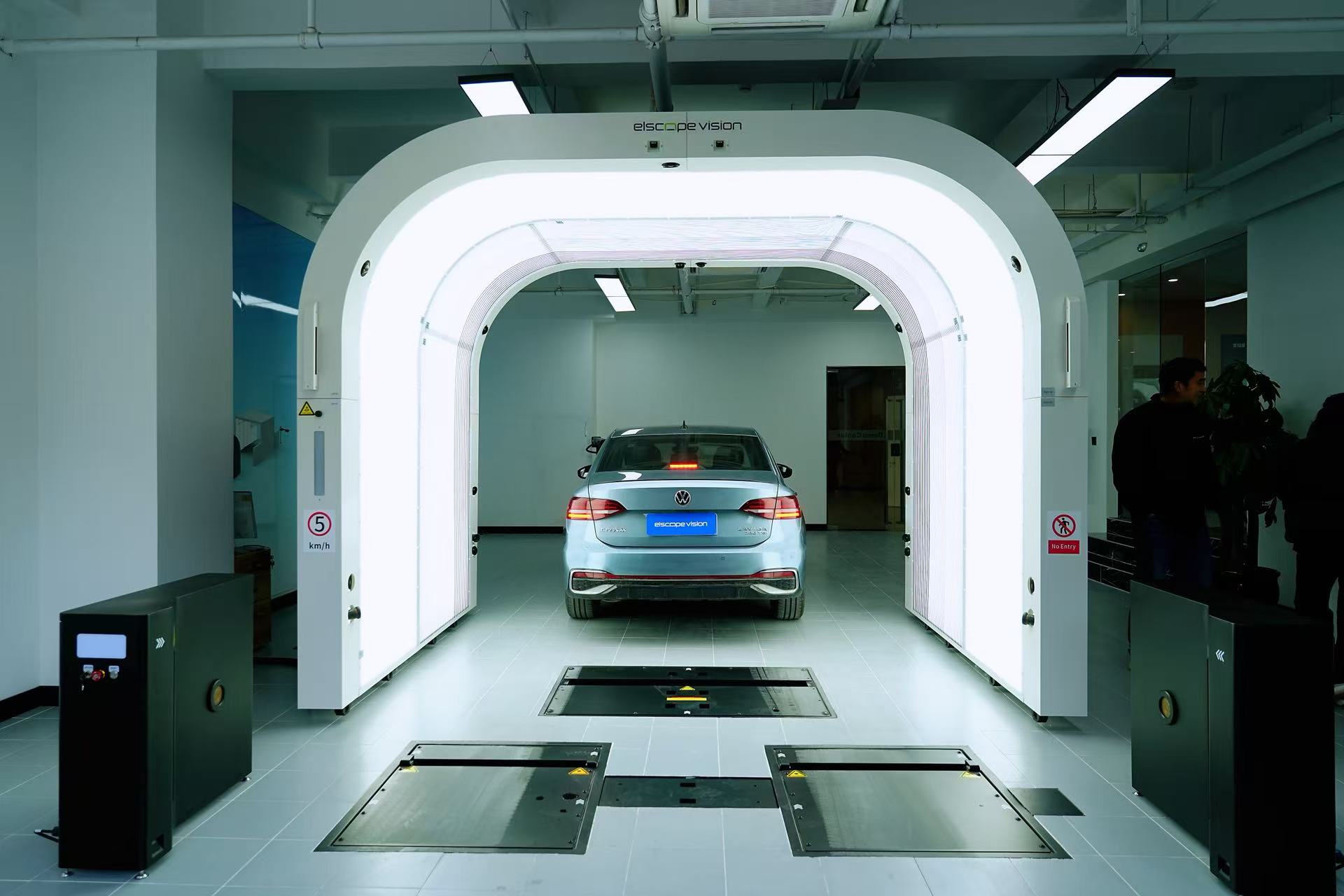
These systems are typically installed in drive-through inspection lanes where vehicles pass through scanning equipment. Within seconds, the system collects visual data from multiple angles and automatically generates a digital condition report.
This approach allows organizations to standardize inspections across locations and improve documentation accuracy in modern vehicle operations.
Key Technologies in AI Vehicle Inspection
Several advanced technologies enable the capabilities of a modern AI vehicle inspection system. These technologies combine machine vision, AI algorithms, and precision scanning hardware to evaluate vehicle conditions in real time.
AI Vehicle Body Scanning Technology
AI Vehicle body scanning technology uses high-resolution cameras and structured lighting to capture detailed images of the vehicle exterior.
Advanced AI models then analyze the captured images to identify defects such as:
- Scratches
- Dents
- Paint imperfections
Unlike manual inspection, which can be affected by lighting conditions and technician experience, automated body scanning produces consistent results across different inspection locations.
For example, some modern solutions integrate multiple synchronized cameras with AI algorithms capable of detecting subtle surface damage on moving vehicles. Systems such as those developed using Elscope Vision inspection technology demonstrate how computer vision can automate exterior damage detection in high-volume environments.

Vehicle Underbody Scanning Technology
The underbody of a vehicle is often the most difficult area to inspect manually. Technicians must typically rely on lifting equipment or visual checks that may miss hidden issues.
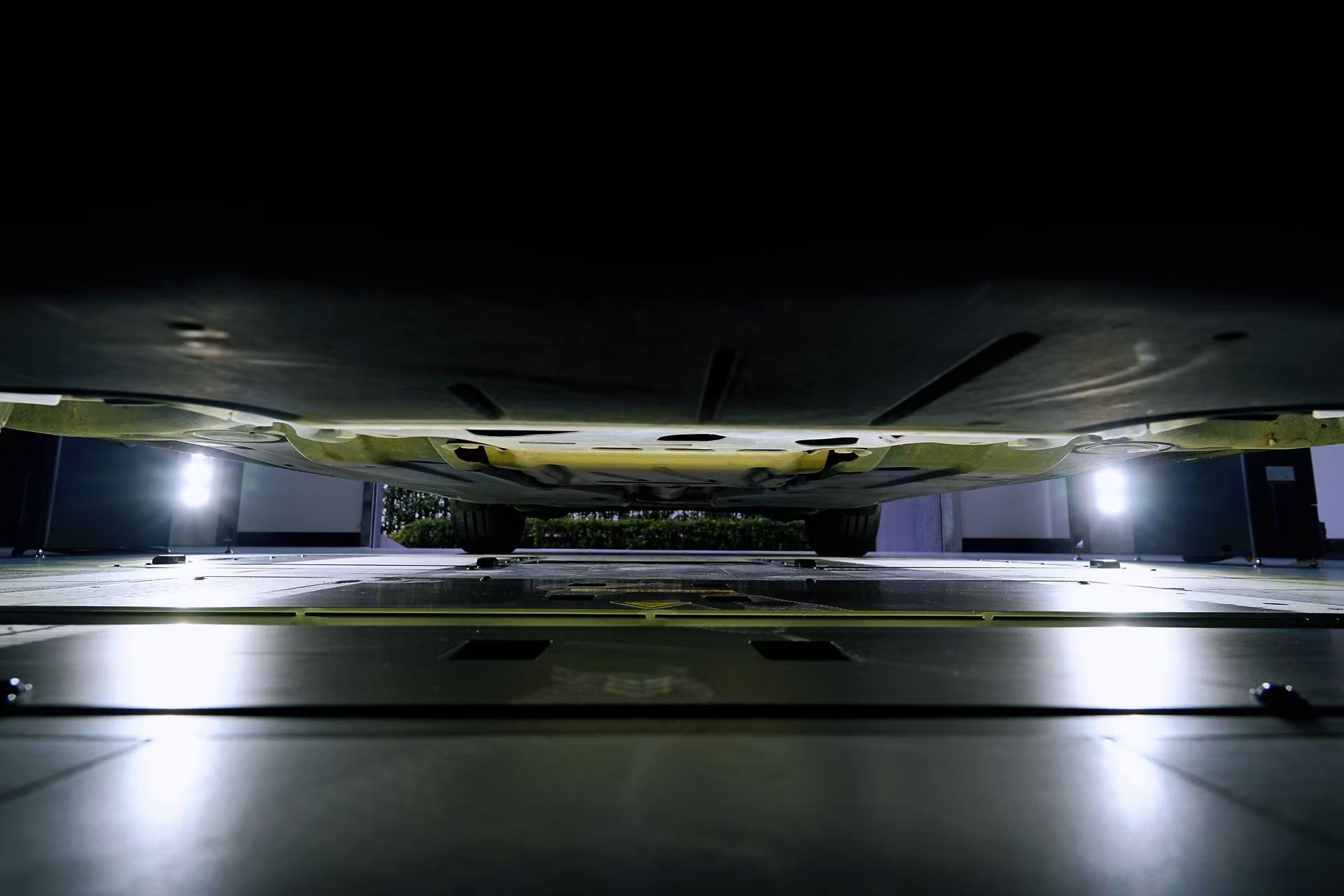
Vehicle underbody scanning technology solves this problem using specialized cameras and lighting systems installed beneath the vehicle path.
These scanners capture high-definition images of components such as:
- Suspension systems
- Exhaust systems
- Oil leaks
- Undercarriage damage
- Corrosion or missing parts
By automating undercarriage inspections, organizations can quickly identify safety or risks that might otherwise go unnoticed.
Tire Tread Depth Scanning and Tire Sidewall Scanning Technology
Tires are critical safety components, yet they are often inspected manually using handheld tools.
Modern tire tread depth scanning and tire sidewall scanning technology uses laser measurement systems and computer vision to analyze tire conditions automatically.
These systems can measure:
- Tread depth across multiple grooves
- Tire wear patterns
- Sidewall damage
- Tire details, such as production date, brand, and size
Automated tire inspection provides consistent measurements and eliminates human measurement errors.
Together, these technologies form the foundation of modern AI vehicle inspection systems, enabling fast, consistent, and scalable vehicle inspection automation across the automotive industry.

How Automated Vehicle Inspection Works
Understanding how automated vehicle inspection works helps explain why AI vehicle inspection systems are becoming widely adopted across the automotive industry.
The workflow typically includes the following steps:
1. Vehicle Entry
The vehicle enters a drive-through inspection lane equipped with scanning systems.
2. Image Capture
Multiple cameras capture high-resolution images of the vehicle exterior, tires, and underbody.
3. AI Analysis
AI algorithms analyze the captured images to detect defects or irregularities.
4. Data Processing
The system processes inspection data and organizes the results into structured inspection records.
5. Digital Report Generation
Within seconds, the system generates a digital vehicle condition report containing:
- Damage detection results
- Tire condition analysis
- Underbody inspection images
- Visual documentation
-
This automated process significantly improves inspection speed compared with manual inspection procedures.
Industry Applications of AI Vehicle Inspection Systems
The flexibility of an AI vehicle inspection system allows it to be used across multiple segments of the automotive industry.
Car Dealership Service Lanes
Dealership service departments frequently perform vehicle check-in inspections.
AI vehicle inspection for dealerships allow service advisors to quickly document vehicle conditions during service intake.
Used Car Auctions
High-volume auctions must inspect large numbers of vehicles before listing them for sale.
An AI inspection for used car auctions enables auctions to automate the inspection process and generate standardized digital reports before vehicles enter the auction lane.
For example, some auction operations have implemented Elscope Vision vehicle inspection systems to streamline inspection workflows and improve transparency for buyers in digital remarketing platforms.
PDR Shops (Paintless Dent Repair)
PDR shops use inspection systems to document vehicle conditions before and after hail repair.
AI inspection for PDR shops ensures that damage documentation is consistent and verifiable.
AI Vehicle Inspection vs Manual Inspection
The differences between traditional inspections and automated systems highlight the advantages of vehicle inspection automation.

Because manual inspections rely heavily on human observation, they can vary significantly between inspectors. An AI vehicle inspection system provides consistent evaluation standards regardless of location or operator.
Business Benefits of Vehicle Inspection Automation
Organizations adopting vehicle inspection automation are seeing significant operational improvements across dealerships, auctions, repair networks, and fleet operations. Understanding the benefits of AI vehicle inspection helps businesses evaluate how automated inspection technology can improve efficiency, transparency, and data management.
Improved Inspection Efficiency
Automated inspections can process vehicles in seconds, allowing organizations to handle higher inspection volumes.
Standardized Inspection Processes
AI systems apply consistent inspection criteria across all locations.
Improved Transparency
Digital inspection reports improve transparency for buyers, service advisors, and fleet operators.
Reduced Operational Risk
Automated inspections reduce the risk of missed damage or inspection disputes.
Better Data Integration
Inspection data can be integrated with fleet management systems, dealership management systems, and remarketing platforms.
Many dealerships, auctions, and PDR shops have already implemented automated inspection systems to improve inspection workflows and reduce operational costs.
Many dealerships, auctions, and PDR shops have already implemented automated inspection systems to improve inspection workflows and reduce operational costs.
Future Trends in AI Vehicle Inspection
The AI vehicle inspection system is expected to evolve rapidly as artificial intelligence, machine learning, and vehicle connectivity technologies continue to advance. In the coming years, automated inspection systems will play an increasingly important role in digital automotive ecosystems.
Several trends are shaping the future of AI vehicle inspection across the automotive industry.
Integration with Digital Vehicle Marketplaces
AI inspection platforms will increasingly integrate with online vehicle marketplaces and digital remarketing platforms.
This integration allows buyers to access verified vehicle condition reports before purchasing vehicles, improving transparency and trust in digital vehicle transactions.
More Advanced AI Damage Detection Models
Advances in machine learning will significantly improve the accuracy of automated vehicle inspection.
Future AI models will be able to detect smaller cosmetic damage, better distinguish between reflections and real defects, and reduce false positives.
Expansion into Fleet and Mobility Management
Fleet operators and mobility companies are beginning to adopt vehicle inspection automation to monitor vehicle health, reduce maintenance risks, and maintain consistent inspection records across large fleets.
Integration with Connected Vehicle Data
As connected vehicle technologies expand, AI inspection systems may combine visual inspection data with onboard vehicle diagnostics.
This will create a more complete vehicle health assessment combining both visual condition analysis and mechanical data.
Global Adoption Across Automotive Operations
As labor costs rise and digital vehicle transactions increase, AI vehicle inspection systems are expected to become standard infrastructure in many automotive environments, including:
- car dealerships
- vehicle auctions
- repair workshops
- fleet managementoperations
Industry analysts expect AI vehicle inspection systems to become a core part of digital vehicle lifecycle management over the next decade.
Reference: SAE International: Vehicle Inspection Automation
The Growing Importance of AI Vehicle Inspection System
The automotive industry is rapidly moving toward automation and digitalization, and the AI vehicle inspection system is becoming a critical technology in this transformation.
By combining artificial intelligence, machine vision, and advanced scanning hardware, AI vehicle inspection solutions enable faster, more accurate, and more consistent vehicle condition assessments.
Compared with manual inspection methods, automated vehicle inspection offers significant advantages in efficiency, transparency, and scalability.
As automotive businesses increasingly rely on digital workflows and data-driven operations, vehicle inspection automation will continue to play a central role in improving inspection accuracy and operational efficiency across dealerships, auctions, repair centers, and fleet operations.
About Elscope Vision
Elscope Vision is a provider of AI-powered vehicle inspection systems including arch scanners, underbody scanners, tire sidewall scanners, and tire tread scanners.
Global Deployment: Over 40 countries, including dealerships, PDR shops, workshops, and auction houses.
Impact: API integration and automation have significantly improved operational efficiency, standardizing vehicle inspections and reducing human error.
FAQ
Q1: What is an AI vehicle inspection system?
A: An automated platform using cameras, sensors, and AI to detect vehicle damage and generate digital inspection reports.
Q2: How does automated vehicle inspection work?
A: Scanners capture vehicle images; AI analyzes them and generates reports automatically.
Q3: What industries use AI vehicle inspection systems?
A: Dealerships, PDR shops, auctions, fleet management, and vehicle inspection centers.
Q4: Is AI vehicle inspection more accurate than manual inspection?
A: Yes, AI systems standardize detection with up to 99% accuracy and high-resolution imaging.
Q5: What are the benefits of vehicle inspection automation?
A: Faster inspections, standardized processes, transparency, reduced errors, and digital documentation.
◆Get a Custom Quote & ROI Analysis
· Official Website:https://en.smartautoscan.com/
· Technical Support & Sales:marketing@ntatchina.com
· Global Service: Available for dealerships, workshops, and auctions worldwide.
◆Book a Live Virtual Demo Today


 +
+


