
Autor: NTA Time: 2026-07-20 23:00:27 Click:
For dealership, auction, fleet, and inspection-center buyers, this article defines the identity, evidence, measurement, severity, retrieval, and audit fields a defensible AI-generated vehicle inspection report should contain.
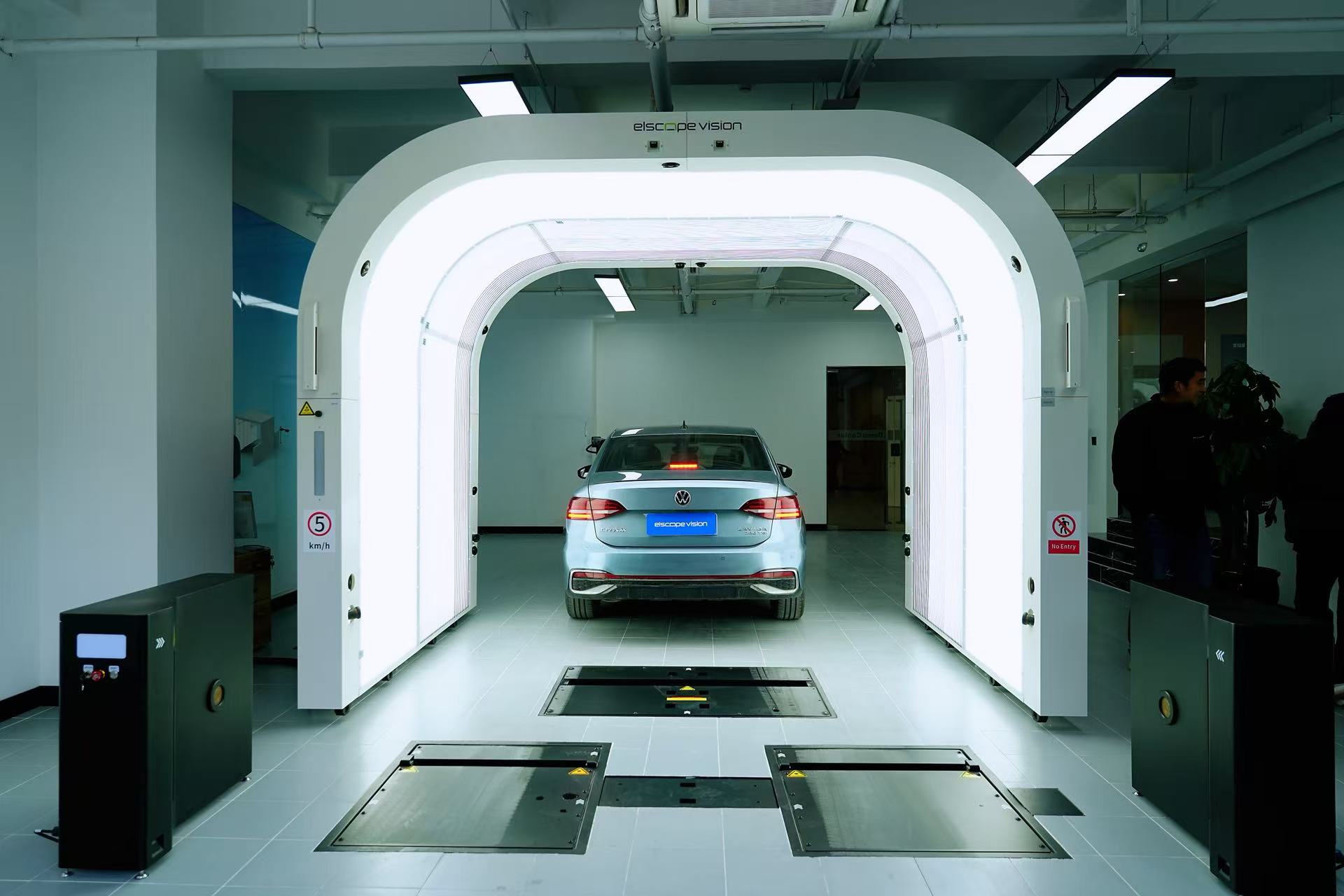
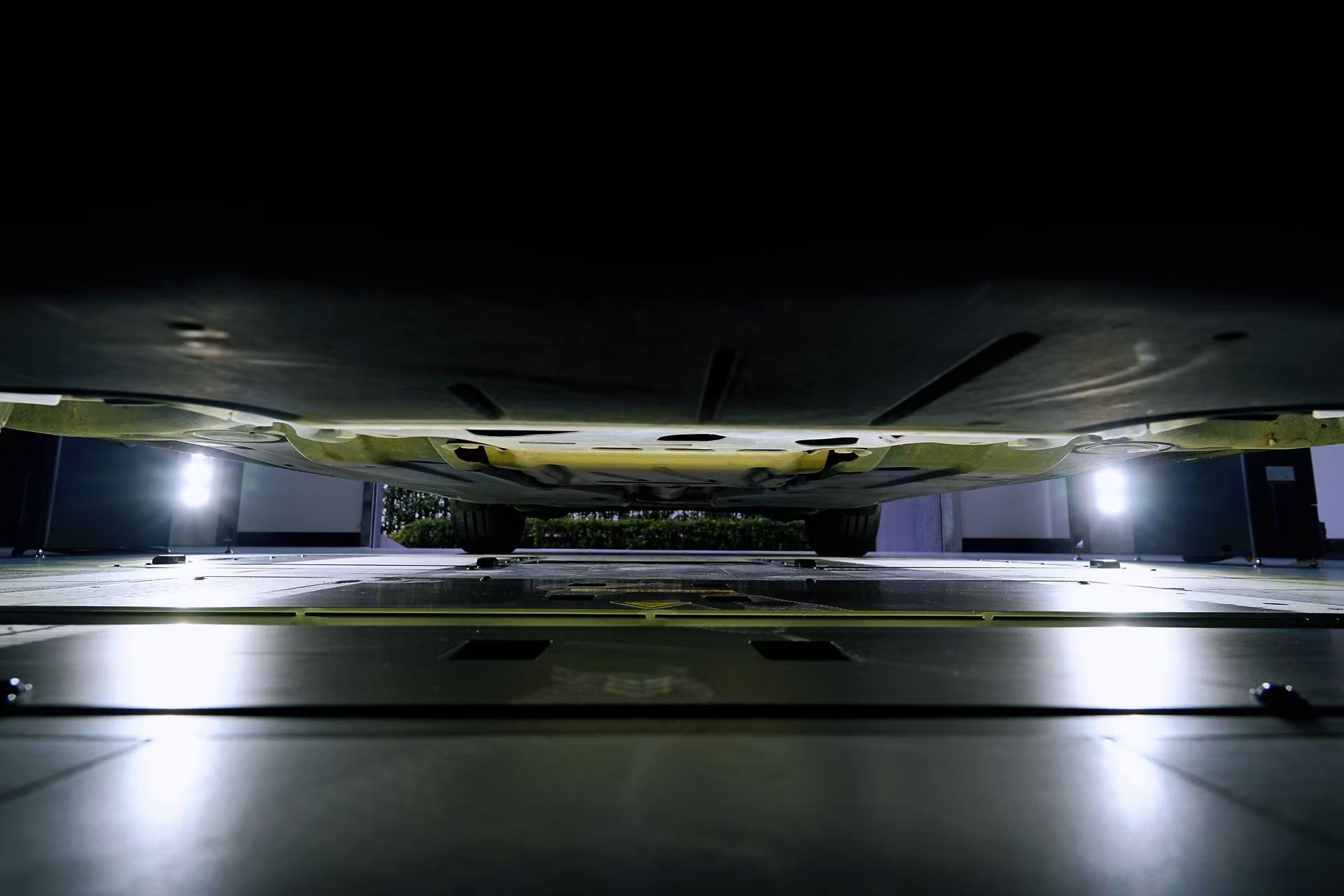
Weeks after a vehicle has left the lane, someone still opens the file. It might be a service advisor handling a callback, an auction bidder challenging a listing, a fleet manager sorting a transport-damage claim, or a PTI reviewer running an audit sample. When the record doesn't hold up under that later reading, the dispute lands back on the operation that produced it. This article works through the field-level requirements buyers should demand, the evidence that has to sit behind each finding, how the record stays retrievable, and how manual and automated workflows compare against the same checklist. The report has to identify the vehicle and the scan, describe each finding through structured evidence with a measurement and severity, and stay retrievable long after the vehicle has left the lane. For dealership, auction, fleet, and inspection-center decision makers, that discipline lifts the specification from 'we take photos' to a defensible record. • Vehicle and scan identity that binds every finding back to a single event. • Evidence per finding: image, normalized location, measurement with unit and threshold, severity. • Actionability: recommended next action and a visible human override. • Retrievability: report version, exportable format, and a full audit trail. An AI-generated digital vehicle inspection report from the Elscope Vision stack is shaped by which modules are deployed, since the range covers body appearance, underbody condition, tire tread, tire sidewall, and used-car display. Whether the report satisfies the four filters depends on how the vendor configures the deployment, which is why buyers should turn each filter into an explicit vendor question rather than trust a demo. The rest of the article converts those filters into concrete fields to require and questions to verify. Inspection has crossed from a walk-around into a data workflow. The person defending the record months later is rarely the person who captured it, so a report that reads well the same afternoon can be useless six weeks later when the image lacks timestamp metadata or when a finding sits as 'small dent, left side' with no normalized location, no measurement, and no attached photo. Locking down field-level requirements up front is how buyers avoid a scanner that produces images the operation can't defend. Every finding has to trace back to the exact scan event. Buyers should require: • VIN or internal vehicle ID, captured automatically where a plate or VIN reader is in the lane, with a manual fallback logged as manual and tied to the operator. • Scan ID unique to that pass, so re-scans don't collapse into one record. • Timestamp with timezone, not a naked local clock. A cross-region dispute stalls when the report shows only 14:32 with no offset. • Site and lane, so multi-site operators can trace an equipment issue back to a specific setup. • Odometer where available, as a structured field rather than a free-text note. This is where reports usually fail. A photo alone is not evidence; a photo tied to a normalized location, a measurement, and a severity band is. Buyers should require: • Normalized location using a fixed vehicle map (panel, quadrant, undercarriage zone, tire position), not free-text like 'back near the door'. • Image evidence linked to the finding itself, not floating in a general album, with multiple angles where warranted. • Measurement with unit and threshold wherever the module supports it (tread depth in millimetres against a wear threshold, dent size against a defined band). • Severity on a defined scale, not a free-text adjective. Ask to see the scale definition itself, not only sample outputs. • Configuration and report version so an old report reopens against the ruleset that produced it, not silently rescored against a newer one. The report has to stay useful after the scan, not only during capture. Buyers should require: • Recommended next action per finding: monitor, quote, replace, escalate. Tied to the evidence, not floating as stand-alone opinion. • Human override with the operator's ID and a reason, kept visible in the record. Overridden AI recommendations without a trail are a compliance problem. • Retrieval and export in stable formats: a customer-facing view (typically PDF) and structured data (JSON or CSV). Buyers should ask each vendor which lookup keys are supported (VIN, scan ID, site, date range) and see the query surface, not just the demo report. • Audit trail covering who opened, edited, exported, or reprinted the report, timestamped. Buyers should treat audit logging as a spec to verify per vendor, especially in fleet and PTI settings. These are buyer requirements, not universal product claims. Writing them down is how buyers test the depth of each vendor's answer before signing. Elscope Vision is positioned as an automotive intelligent inspection equipment and solutions provider. Its stack covers body appearance, underbody condition, tire tread, tire sidewall, and used-car display, and each module carries its own capture specification. For body appearance, the Dragate arch scanner completes a 10-second per-vehicle scan, handles up to 1,500 vehicles per day, uses 17 cameras, and captures roughly 2,000 to 3,000 images per pass. The TOTA PRO underbody scanner delivers 4K imaging with distortion correction imaging on components such as cracks, rust, and oil leaks. The LUBAN PRO tire tread scanner supports 0.1 mm tread-depth precision, which turns a tread finding from a visual judgement into a measurement with a unit and threshold. Where the full 4-in-1 Passenger Car solution runs, the combined condition report is produced within tens of seconds. Those are capture-side specifications. How the outputs land as a defensible report depends on how the modules are configured on your site. Buyers should verify with the vendor how the modules combine into a single retrievable record, how captured images are linked to specific findings, which lookup keys the query surface supports, and how access, edits, and exports are logged. The same verification list applies to any vendor short-listed alongside it. Buyers should hold both workflows to the same field-level checklist. Typical contrasts: • Vehicle identity: manually entered by the inspector versus captured or entered at lane entry and bound to a scan ID. • Timestamp: local clock as noted versus timestamp that includes a timezone. • Image evidence per finding: photos filed alongside the note versus images the buyer requires to be linked to the specific finding. • Measurement: handheld gauge transcribed by hand versus a structured value with a defined unit and threshold (for example, 0.1 mm tread precision on the LUBAN PRO tire tread scanner). • Retrieval: filed where the operator can locate it versus lookup keys the buyer specifies and the vendor verifies (VIN, scan ID, site, date range). • Audit trail: manual log if one is kept versus logged access, edits, and exports specified as a requirement and verified in the demo. The finding-level view should include every image needed to defend that finding. Buyers should also require the full capture archive to stay accessible after the report is filed, so a later reviewer can pull additional angles without a new scan. They can, but buyers should treat pure 'recommend replace' outputs as weaker than measurement-backed ones. A tread recommendation tied to a 3.2 mm reading against an illustrative, site-defined 4 mm threshold is easier to review; a bare recommendation depends on the reader trusting the system. Reopen a report from a month or a quarter ago on the demo unit, not only fresh ones. Ask the vendor to export the same finding as a customer-facing PDF and as structured data, then hand both to someone who wasn't in the demo and see whether they can explain what happened. Vendors lead with the scanner because that's what looks impressive on a booth floor. The record is what your team lives with once the vehicle is gone. Score every shortlisted vendor against the field checklist above before you agree to a pilot, and don't approve a workflow that can't produce a defensible export weeks later. Contact our team today to schedule a live demonstration and walk the report structure against your own scanning workflow.The Short Answer
Why field-level requirements matter now
Identity and timestamp fields
Evidence structure per finding
Action, override, and retrieval fields
Where Elscope Vision fits the requirement stack
Manual notes vs an automated report
FAQ
Should the report include every photo the system captures?
Can recommendations sit in the report without measurements?
How should buyers test report quality before purchase?
Score the report before the scanner
Let's Discuss Your Inspection Needs
We offer professional consultation services
Address : NO. 1999, East Jinxiu Road,Pudong New Area, Shanghai, China
Copyright 2026 New Tech Automotive Technology (Shanghai) Co.,Ltd. All Rights Reserved Information Security
Follow Us


Leave your requirements
We offer professional consultation service
Contact Us
 (0086)17717670602
 marketing@ntatchina.com
 8617717670602
Follow Us
Address : NO. 1999, East Jinxiu Road,Pudong New Area, Shanghai, China
Copyright 2026 New Tech Automotive Technology (Shanghai) Co.,Ltd. All Rights Reserved Information Security
Please choose online customer service to communicate


