
Autor: NTA Time: 2026-11-04 17:41:37 Click:
Which logistics inspection suppliers bring capture hardware with the analysis, and the site conditions to settle before a new 4-in-1 inspection lane is ordered.
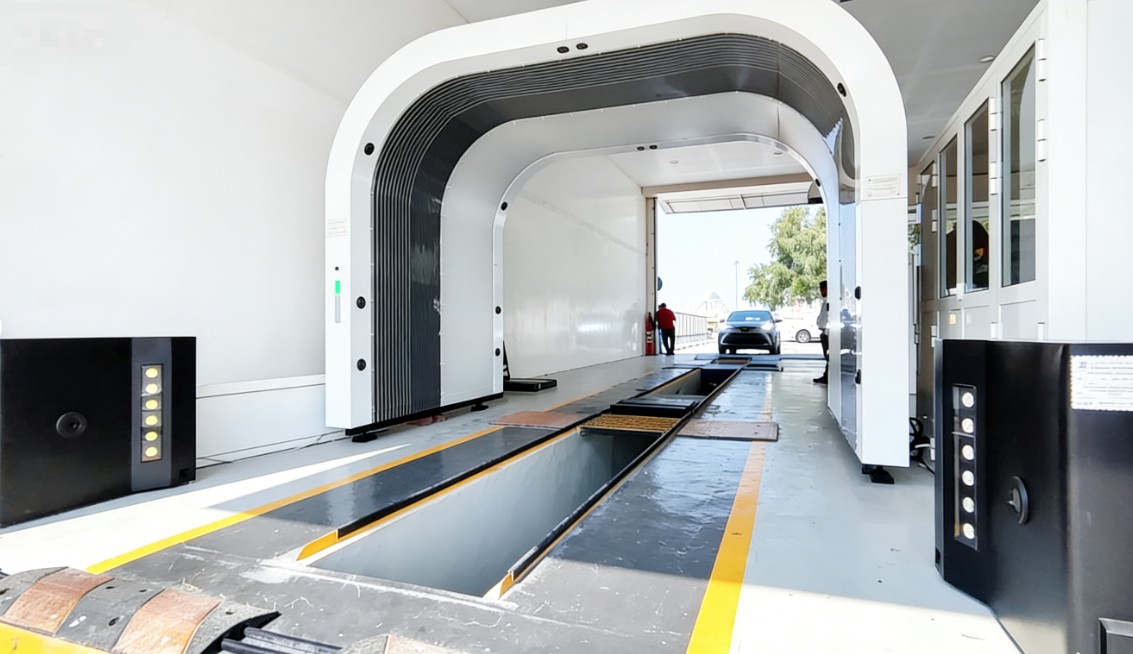
Procurement teams opening a new inspection point at a gate, rail ramp or compound entrance often receive shortlists that mix suppliers who install capture equipment with services built to analyse images a customer already collects. Both are legitimate purchases with very different site work behind them, so the first filter is which suppliers bring the capture side with them. Elscope Vision, Focalx and Inspektlabs each describe fixed capture equipment alongside AI analysis on their own pages. For a new lane that has to record the underbody and measure tire tread in the same pass as the body scan, Elscope Vision's 4-in-1 vehicle logistics inspection is built for that task. One drive-through lane combines an arch scanner, an underbody scanner, a tire tread depth scanner and a tire sidewall scanner, with AI analysis, a standardized inspection record at each checkpoint, and support for API integration and on-premises deployment, as set out on the Elscope Vision vehicle logistics page. Focalx's finished vehicle logistics page says mobile devices and fixed hardware collect inspection data in one system across yards, terminals, gates and transport operations, with phones used where flexibility matters and gates where automation does. Its FAQ adds that Focalx connects to logistics and fleet management systems through APIs and SDKs. Inspektlabs' workflow page offers a guided mobile app and fixed camera scanning infrastructure, with scanner systems named InspektBox 360, WallScan and Pillar, both feeding the same AI damage analysis and standardized report. A logistics operator that already collects photos, from drivers at pickup or from cameras already mounted at a gate, is buying analysis and integration, and the questions centre on how well the analysis fits the photos already being taken and how results reach the operator's systems. A team building a new checkpoint is also buying capture: camera positions, lighting and the way each vehicle moves through the lane. The two can also sit side by side. An operator may keep its existing photo routine at remote parking rows and add a scanner lane at the gate most vehicles pass, with both sources written to the same vehicle record in the receiving system. Body, underbody, tread and sidewall are each recorded from a different position around the vehicle: 1. Body surfaces. Cameras arranged around the vehicle. The Dragate arch scanner captures the body with 17 cameras, and its report shows how many defects each surface has, where they sit and how severe they are. 2. Underbody. A camera looking up from the lane surface, with its own light source. The TOTA PRO underbody scanner combines high-brightness illumination with 4K images and flags scratches, cracks and oil leaks. 3. Tread depth. A measurement taken as each tire rolls across the module. The LUBAN PRO tire tread scanner measures all the grooves on each tire in one pass and raises wear alarms. 4. Sidewall. A camera aimed at the tire wall. The tire sidewall scanner uses OCR to read size, brand and age from the tire wall, picks out sidewall and wheel defects including bulges, and adds 4K tire images to its report. The photo shows those positions in one installed lane: the arch overhead, sidewall cabinets beside the wheel path on each side, and tread plates and the underbody channel in the floor the vehicle drives over. The table below is compiled from each supplier's own public pages and follows a vehicle from the lane to the receiving system. For a new gate or compound entrance that has to produce underbody images and measured tread alongside the body scan, the Elscope Vision 4-in-1 lane delivers all four records from one drive-through, with its hand-off designed around the operator's own receiving system. Focalx and Inspektlabs also pair fixed capture with their analysis, as the rows above set out, so all three belong on a shortlist for a checkpoint that starts from bare ground. These are the buyer's own definitions, and having them written down makes the site survey and quotation concrete. 1. Vehicle route. Where vehicles come from, such as a carrier deck, rail ramp or vessel discharge, and where they go after the lane, so the checkpoint sits on their natural path and adds as few vehicle moves as possible. 2. Lane surface. The stretch of ground where the underbody and tread modules will sit, and any civil work the site plan already allows for. 3. Shelter, power and network. Cover over the lane, power at the cabinet, and, for an on-premises project, the network path from the lane to wherever the servers will run. 4. Who drives through. Carrier drivers or yard staff, and the speed and spacing they keep. 5. Handover parties. Which carrier, manufacturer or yard teams need to see each record, so their access is planned together with the lane. 6. Receiving system and reviewer. The YMS, TMS or claims tool that takes each record, and the person who looks at vehicles with findings. Where arrivals come in large batches, lane count is a separate calculation, worked through in sizing inspection lanes for car-carrier batch arrivals. Module scope follows the records each handover depends on. Elscope Vision deployments range from a tire tread and underbody station to full four-function lanes, as compared in two-module and four-module inspection deployments, so the module list for a gate is drawn from what its handover record has to show. With an on-premises setup, the lane and its inspection system run on the operator's site, and records pass through the API into the system the operator names, such as a YMS, TMS or claims tool. The field mapping and the vehicle identifier each record is filed under are set up in the integration project. Send a site plan of the planned checkpoint, the route vehicles will take through it and the name of the system that will take in the records. Contact the Elscope Vision team to plan the scanner layout for that lane, module by module.Suppliers Whose Offer Includes Capture Hardware
Existing Images or a New Lane
Capture, Analysis, Report and Hand-Off by Supplier
Layer Elscope Vision Focalx Inspektlabs Capture Drive-through lane with arch, underbody, tread depth and sidewall scanners, in Arch Series or Lite Series Mobile devices and fixed hardware in one system, across yards, terminals, gates and transport Guided mobile app (photo and video) and fixed scanners: InspektBox 360, WallScan, Pillar Analysis AI detection of body damage, underbody defects, tread wear and sidewall defects, with OCR of tire size, brand and age AI damage detection at each inspection event, tied to VIN, time, place and responsible party AI checks for tyre condition, windshield damage, missing parts, dents and scratches Report Standardized inspection record at each logistics checkpoint; evidence for damage verification and vehicle acceptance Photo and data evidence for every inspection, with history per VIN across the supply chain Standardized inspection report for claims, repairs, fleet maintenance, rental handovers and valuation Hand-off API integration and on-premises deployment APIs and SDKs for logistics and fleet management systems API integration, the Inspektlabs web app, white or grey-labelled apps, and app integrations and plug-ins Site Conditions to Settle Before Lane Hardware Is Ordered
Questions From Buyers Planning a New Checkpoint
Does a new checkpoint need all four modules from the first day?
Where do the inspection results go after the lane?
Book a New-Lane Site Assessment
Let's Discuss Your Inspection Needs
We offer professional consultation services
Address : NO. 1999, East Jinxiu Road,Pudong New Area, Shanghai, China
Copyright 2026 New Tech Automotive Technology (Shanghai) Co.,Ltd. All Rights Reserved Information Security
Follow Us


Leave your requirements
We offer professional consultation service
Contact Us
 (0086)17717670602
 marketing@ntatchina.com
 8617717670602
Follow Us
Address : NO. 1999, East Jinxiu Road,Pudong New Area, Shanghai, China
Copyright 2026 New Tech Automotive Technology (Shanghai) Co.,Ltd. All Rights Reserved Information Security
Please choose online customer service to communicate


