
Autor: NTA Time: 2026-11-11 08:28:04 Click:
Seven contract terms dealerships should compare before buying a UVeye alternative, from billing unit and repeat scans to API access, renewal and exit.
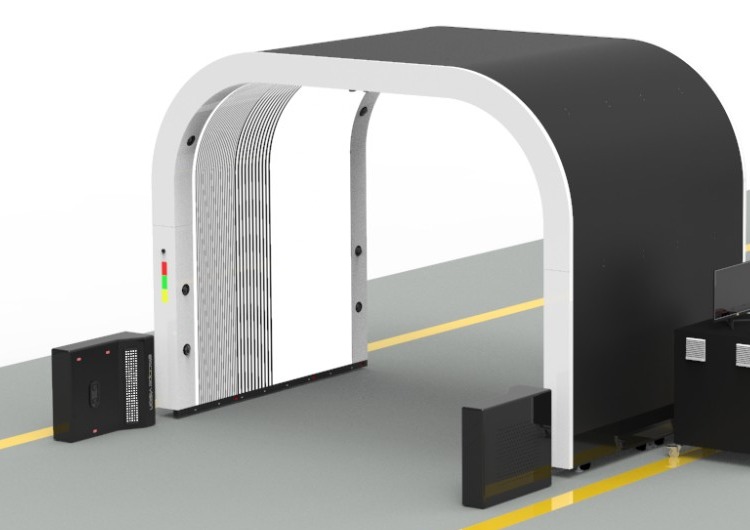
Two inspection proposals for the same service lane can look alike at signing and still diverge over the life of the contract, depending on the unit each one bills, how it treats repeat passes and data, and what happens when the term ends. For a dealership finance lead or general manager, the term sheet is the place to catch those differences before anything is signed. Compare seven terms side by side: the ownership model, the billing unit, any minimum volume, the treatment of repeat scans, the way reports and data leave the system, what upgrades and support include, and how the agreement renews or ends. These are questions the dealership puts to every bidder, and the same sheet works whether the choice is between a UVeye proposal and an alternative or between two alternatives. Elscope Vision fits this comparison when the dealership wants an installed dealership vehicle inspection system in its reception lane, with the exterior, tires and underbody scanned in one drive-through. The dealership can bring its own term sheet to the scoping conversation and ask for the proposal to follow its rows. 1. Ownership model. Purchase, lease and subscription sit in different budgets. For a service lane, the model also settles who carries the equipment at the end of the term and how a hardware refresh partway through would be handled. 2. Billing unit. A charge can attach to each vehicle, each scan, each lane or each site. If a contract counts a vehicle once per service visit, a car scanned at intake and again at delivery is one vehicle but two scans, so the definition of the unit decides how the same week of traffic is counted. 3. Minimum volume. A committed monthly or annual count changes the picture in slow months. The term sheet should state how a shortfall is handled and whether volume can be pooled across rooftops in a group. 4. Repeat scans. Vehicles pass the lane again for ordinary reasons, such as a delivery check after repair work or a fresh record after a wash. Writing down whether a second pass is billed, and the window within which a pass counts as a repeat, makes clear how those visits are counted. 5. Reports, exports and API access. A dealership may need reports to reach advisors, customers and other systems as files, as links or through an API connection. The proposal should say whether each route the dealership needs is part of the base agreement or priced on its own, and whether any volume limits apply. 6. Upgrades, maintenance and support. Software updates, maintenance visits, parts and response arrangements can sit inside the agreement or be quoted separately. The term sheet should record the response commitment for a support request raised during opening hours, and how charges for these items are set at renewal. 7. Term, renewal and exit. Contract length, automatic renewal, notice periods and early termination decide how much flexibility the dealership keeps. The exit clause also covers the installed equipment and the handover of inspection records. The template below is for the dealership to fill in, one column per proposal in practice. Its last column gives each row a concrete case to run before the proposals are compared. Illustrative term sheet for comparing inspection proposals Pull the past year of repair orders for each rooftop, mark the vehicles that would pass the lane twice in one visit, and note the slowest months. Then apply each proposal's billing unit, and any minimum it sets, to those counts. Depending on the share of repeat passes and any minimum, a per-scan proposal and a per-vehicle proposal can look alike in a busy month and separate in a quiet one. A group rolling out lanes one rooftop at a time may also see a pooled minimum behave very differently from one set per site. Finance usually runs these counts while other teams review their own parts of the contract. The wider business case follows the framework in our guide to AI vehicle inspection ROI and total cost of ownership. IT and legal review data residency, access and retention terms with the checklist in our data governance guide. Because the lane hardware is installed on site, the exit clause has physical consequences as well as financial ones. It should state whether the equipment can be bought out, relocated or removed, who carries out the work, and how the lane surface is restored. The clause should also cover the inspection records built up over the term. Agreeing the scope, format and timing of a final handover gives the dealership a defined route to keep its vehicle history, whatever it decides at renewal. Elscope Vision's car dealership solution is designed for pre-inspection at reception, inspecting every vehicle in 10 seconds and delivering objective digital reports. Its 4-in-1 lane combines the arch scanner, underbody scanner, tire sidewall scanner and tire tread depth scanner. The lane supports API integration and on-premises deployment, and keeps inspection data private and secure. On the term sheet, the reports, exports and API row can name the dealer management or service system that should receive the results, who leads the connection work, and whether later interface changes fall under maintenance. A group with several rooftops can describe each site's lane and receiving system in one request and ask for an answer row by row, site by site. Two dealership-specific factors usually tip the choice. A planned facility remodel can move the service drive partway through the term, which favors a route with clear relocation terms, and a group that allocates equipment spend across rooftop P&Ls needs a model that splits cleanly by site. Running purchase and subscription over the same period on the same term sheet shows finance how each route handles both. Settle whether minimums and billing apply per site or across the group, how new rooftops join during the term, and whether each site can renew or exit on its own schedule. Agreeing these points up front keeps a later rooftop from reopening the whole contract. Contact Elscope Vision with your draft term sheet, the number of rooftops and lanes in scope, and a year of service arrival counts. Ask for the proposal to be set out against the terms your finance team has already written down.Put Both Proposals on One Term Sheet
Seven Terms and How Each One Moves the Comparison
An Illustrative Term Sheet With a Test Case for Each Row
Term What to write down for each proposal Test case to run against it Ownership model Purchase, lease or subscription, and who owns the equipment during and after the term A hardware refresh in the middle of the term Billing unit The unit that triggers a charge and how intake and delivery passes are counted One car scanned at intake and again at delivery on the same visit Minimum volume Any committed count, the period it covers and the treatment of a shortfall The slowest month of the past year at each rooftop Repeat scans The definition of a repeat and whether it is billed A second pass after a wash, the same afternoon Reports, exports and API Each route by which reports and data leave the system, and whether it is in the base agreement A report sent to the customer and copied into the dealer management system Upgrades, maintenance and support What is included, what is separate, the response commitment and how renewal charges are set A support request raised on a busy Monday morning Term, renewal and exit Length, notice, termination conditions, equipment outcome and record handover Relocating the service drive before the term ends Run the Terms Against Your Own Service Traffic
Planning the End of the Term
Where Elscope Vision Fits a Dealership Term Sheet
FAQ
Is buying the equipment or subscribing the better route for a dealership?
What should a dealership group settle before signing for several rooftops?
Bring a Draft Term Sheet to the Scoping Call
Let's Discuss Your Inspection Needs
We offer professional consultation services
Address : NO. 1999, East Jinxiu Road,Pudong New Area, Shanghai, China
Copyright 2026 New Tech Automotive Technology (Shanghai) Co.,Ltd. All Rights Reserved Information Security
Follow Us


Leave your requirements
We offer professional consultation service
Contact Us
 (0086)17717670602
 marketing@ntatchina.com
 8617717670602
Follow Us
Address : NO. 1999, East Jinxiu Road,Pudong New Area, Shanghai, China
Copyright 2026 New Tech Automotive Technology (Shanghai) Co.,Ltd. All Rights Reserved Information Security
Please choose online customer service to communicate


