
Autor: NTA Time: 2026-10-30 16:48:02 Click:
Two 2026 Elscope Vision PTI announcements include underbody scanning. What each one establishes and how a station turns them into evaluation items.
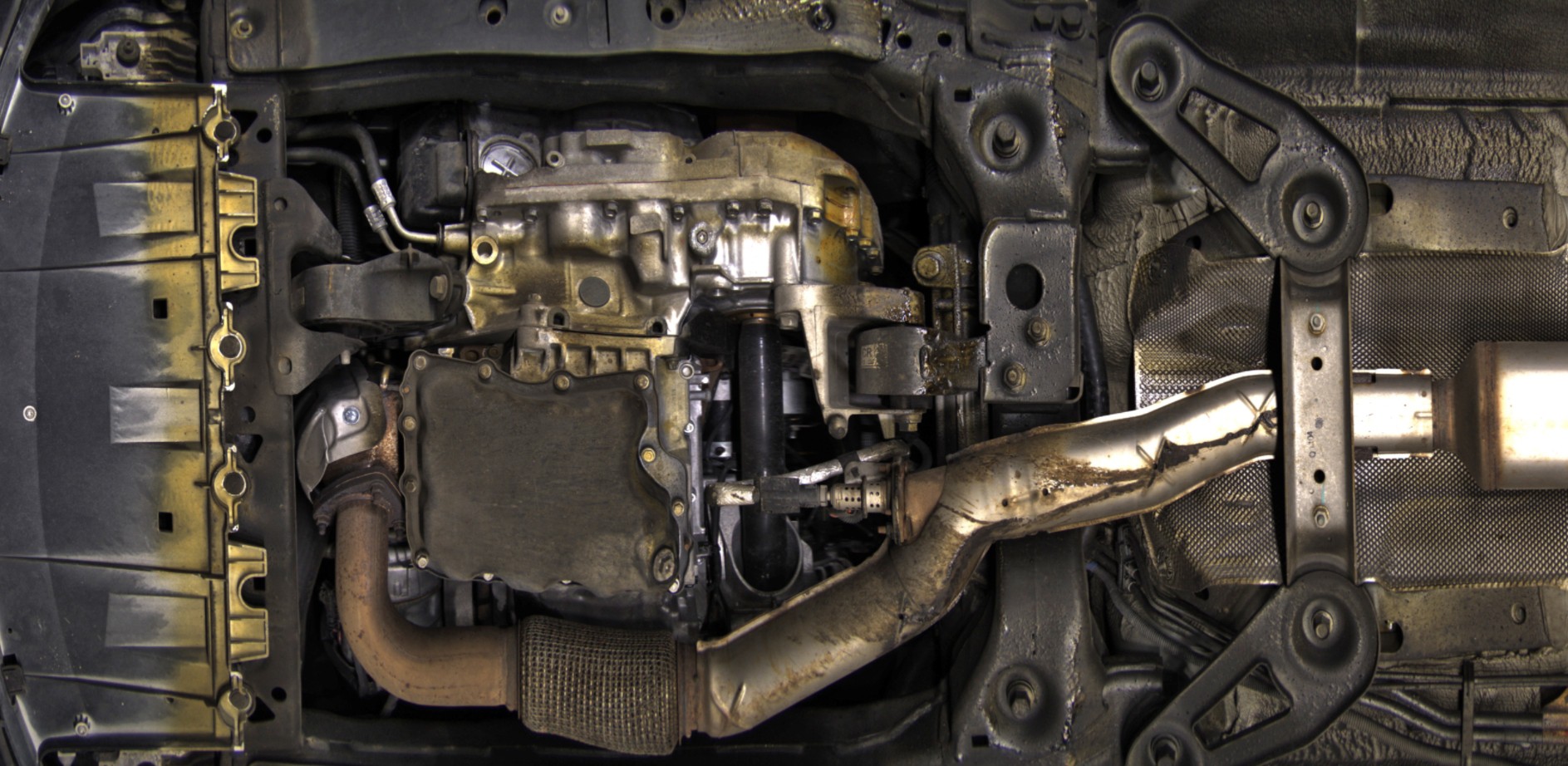
Before an underbody scanner goes into a PTI tender file, the technical lead needs a working installation to point to and the procurement team needs a dated source to cite. Elscope Vision published two such installations in 2026, one at a vehicle inspection station in Turkey and one at a major PTI center in the Middle East. In both, underbody scanning is part of the equipment installed for periodic inspection work. Elscope Vision's September 15, 2026 announcement covers a vehicle inspection station in Turkey, and its October 28, 2026 announcement covers a major Periodic Technical Inspection (PTI) center in the Middle East. Both appear on the Elscope Vision news page and list underbody inspection among the installed equipment. At the Middle East center, underbody scanning is one of four functions in a single drive-through, next to body and tire checks. Its underbody section explains why the function sits in the same pass: underbody components can be difficult to inspect efficiently in routine visual checks, and scanning the underside during the same drive-through reduces the need to organize a separate underbody step. In Turkey, the station installed underbody equipment together with tire tread equipment for its periodic inspection work. The brand adds in the same text that more inspection stations have taken up its body, tire and underbody solutions during the past two years. The same article describes how the records are kept: images and diagnostic results can be stored digitally, so earlier findings can be traced, and inspection data can be connected through APIs with the management systems, databases, or third-party platforms a station already runs. Elscope Vision's underbody product is the TOTA PRO underbody scanner, and its product page lists car inspection stations among its application scenarios. For a PTI lane, three of its published features bear directly on how the step runs: 1. Speed sensing that automatically matches image capture to the vehicle's speed, so the car keeps rolling through the lane instead of stopping over the unit. 2. High-brightness illumination with 4K image quality, which gives the inspector a lit, high-resolution view of the visible underside. 3. AI that identifies visible cracks, rust, scratches, and oil leaks on the underbody, pointing the inspector to those conditions on the image. The en.smartautoscan.com PTI solution page describes a 4-in-1 lane that inspects exterior body, tires, and underbody in one drive-through, the same kind of combined pass the Middle East announcement describes. The page also states support for API integration and on-premises deployment. Both announcements describe the same working pattern: the underbody images give inspection personnel visual information on possible abnormalities, and the personnel decide whether a closer examination is needed. At the pit, that means the inspector starts from the conditions identified on the image, checks those spots on the vehicle, and records the result under the station's inspection rules. The Turkey announcement describes the gain in the inspector's own terms: with visible defects identified automatically, inspectors can put their time into verification and decisions instead of searching for visible problems. Because images and diagnostic results can be stored digitally, a supervisor or a later inspector can open the same underbody image when a finding is reviewed again or a vehicle returns for a retest. Stations that want to design that hand-off in detail can follow our walkthrough on using underbody images during PTI review, which traces a marked finding to the inspector's recorded disposition. Planning the underbody step for a new station starts from that station's own data. The technical lead can bring the following to the Elscope Vision team: 1. Hourly vehicle flow and the vehicle mix, including low cars, vans, and light commercial vehicles if the lane serves them, along with the planned position of the underbody step in the lane. 2. The inspection items where inspectors currently look underneath, marked with the ones the underbody image should support. 3. A short list of everyday vehicle types for the demonstration, so the station's inspectors review underbody images of familiar cars. 4. The name of the station system that will hold the underbody records, and the reference each image should carry so it matches the right inspection, such as the plate or the inspection order number. The integration team plans the API connection from that information. 5. A short description of the pit check as it should run: where the inspector looks at the image, who follows up on marked findings, and where the inspector's result is saved with the image. Our guide to PTI inspection lane acceptance testing covers the evidence to collect before go-live. 6. The way inspectors explain underbody findings to vehicle owners today, because the standardized digital reports in the Turkey announcement are also used in that conversation. How should the two announcements be cited in an internal evaluation memo? Cite each one by publisher, date, and what it lists: the Turkey station's tire tread and underbody equipment, and the Middle East center's 4-in-1 system. Keep product specifications such as 4K imaging and speed matching attributed to the TOTA PRO product page, so reviewers can see which statement comes from which source. Linking all three pages in the memo lets reviewers read the original wording directly. Does the underbody step need a lane of its own? In the Middle East deployment, underbody scanning runs in the same drive-through as body, tread, and sidewall inspection, which reduces the need to run underbody inspection as a separate step. The PTI solution page describes the same single drive-through for exterior body, tires, and underbody. Send your station's hourly vehicle flow and the inspection items your inspectors check from underneath when you contact Elscope Vision, and ask for a PTI underbody lane assessment built around those items.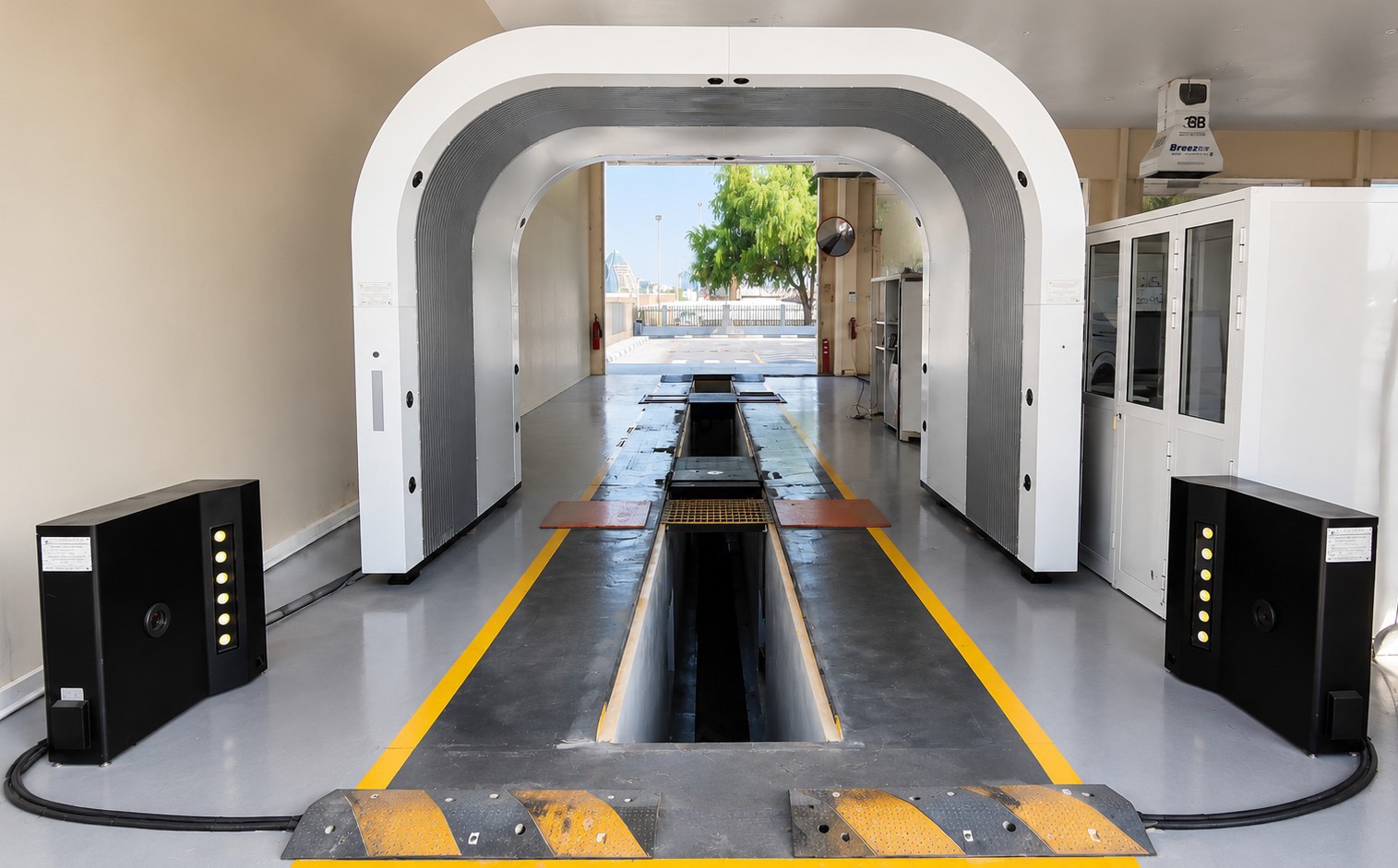
Two PTI Announcements That Include Underbody Scanning
Announcement Published Equipment the announcement lists What it says about the underbody step Settled during the station's deployment (illustrative) Vehicle inspection station in Turkey September 15, 2026 (deployment described as taking place the previous month) Tire tread and underbody inspection equipment Automated imaging of the vehicle's underside that helps inspectors identify defects that may otherwise be difficult to see; images and diagnostic results that can be stored digitally so inspection history can be reviewed Which inspection items the underbody images support at this station, and which management system receives the records Major PTI center in the Middle East October 28, 2026 (deployment described as taking place that month) A 4-in-1 system: vehicle body, tire tread depth, underbody, and tire sidewall inspection Underbody images captured as the vehicle drives through, supporting the inspection of visible underbody conditions; inspection personnel use them to decide whether further examination is needed Where the underbody step sits relative to the pit or lift check, who reviews the images, and how that decision is recorded What Each Announcement Establishes for a Buyer
The Underbody Step Inside a PTI Lane
How Inspectors Work With the Underbody Image
Planning the Underbody Step for Your Station
FAQ
Bring Your Lane Data to a PTI Underbody Assessment
Let's Discuss Your Inspection Needs
We offer professional consultation services
Address : NO. 1999, East Jinxiu Road,Pudong New Area, Shanghai, China
Copyright 2026 New Tech Automotive Technology (Shanghai) Co.,Ltd. All Rights Reserved Information Security
Follow Us


Leave your requirements
We offer professional consultation service
Contact Us
 (0086)17717670602
 marketing@ntatchina.com
 8617717670602
Follow Us
Address : NO. 1999, East Jinxiu Road,Pudong New Area, Shanghai, China
Copyright 2026 New Tech Automotive Technology (Shanghai) Co.,Ltd. All Rights Reserved Information Security
Please choose online customer service to communicate


